Sodium And Eczema: How Reducing Salt Can Ease Flares
Discover how high sodium intake may heighten eczema risk and severity, backed by recent research on diet's role in skin health.
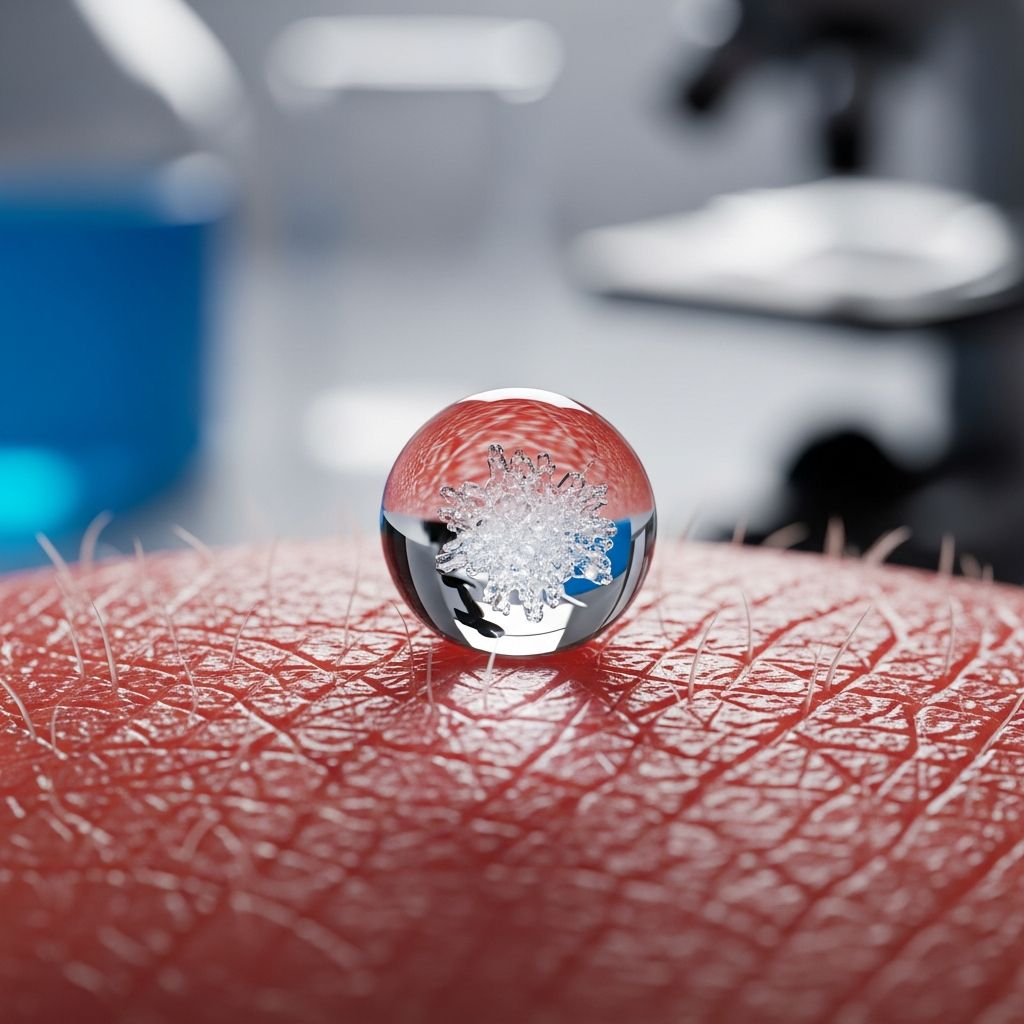
Excessive sodium in the diet has emerged as a potential factor influencing skin conditions, particularly eczema, also known as atopic dermatitis. Research indicates that higher sodium levels correlate with increased risk and severity of this chronic inflammatory disorder characterized by itchy, dry patches.
Understanding Eczema Basics
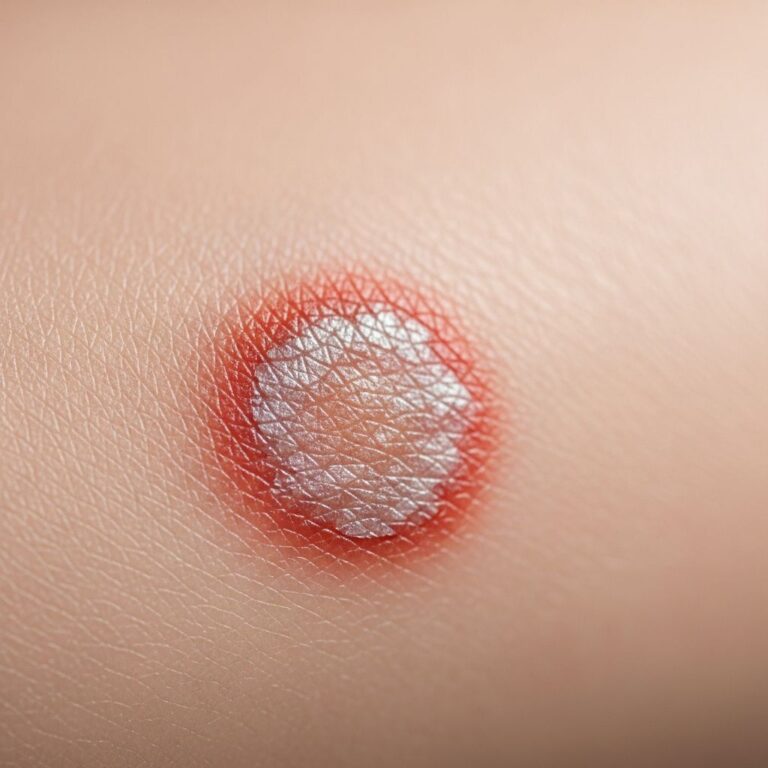
Eczema affects millions worldwide, causing red, inflamed skin that itches intensely and can crack or weep. It stems from a combination of genetic predisposition, immune system overreactions, and environmental triggers. While moisturizers and steroids help manage symptoms, emerging evidence points to dietary influences like sodium playing a role in flare-ups.
The skin’s barrier function is compromised in eczema patients, allowing moisture loss and irritant entry. Sodium accumulation in the skin may disrupt this balance, promoting inflammation pathways that exacerbate symptoms.
How Sodium Accumulates in the Skin
The body stores excess sodium not just in blood but also in tissues like the skin, especially the dermis layer. Studies on high-salt diets in animals show sodium buildup in deeper skin layers without proportional water increase, creating a hypertonic environment.
In humans, urinary sodium levels serve as a proxy for intake. Analysis of over 215,000 UK adults aged 30-70 revealed that each additional gram of daily sodium raised severe eczema odds by 11%.
- Skin acts as a sodium reservoir, buffering systemic excess.
- Dermal accumulation triggers local immune responses.
- High-sodium modern diets, heavy in processed foods, amplify this effect.
Mechanisms Linking Sodium to Inflammation
Sodium influences immune cells, shifting them toward pro-inflammatory states common in eczema. It activates pathways like nicotinamide adenine dinucleotide phosphate oxidase, generating oxidative stress that damages skin cells.
This stress impairs the skin microbiome, reducing protective bacteria and allowing pathogens to thrive, worsening itch and redness. Fast food consumption, notoriously sodium-rich, correlates with higher eczema prevalence in youth.
| Factor | Effect on Skin | Evidence |
|---|---|---|
| Sodium Storage | Dermal hypertonicity | Animal models show dermis-specific accumulation |
| Immune Shift | Pro-inflammatory T-cells | Drives atopic dermatitis pathways |
| Oxidative Stress | Cell damage, barrier breakdown | Linked to high-salt diets |
Key Research Findings
A landmark 2024 study in JAMA Dermatology, using UK Biobank data from 2006-2010, examined 215,832 adults. Those excreting 1g more sodium daily (above 3g average) faced 11% higher severe eczema risk; 16% experienced active flares.
Lead researcher Katrina Abuabara noted skin sodium storage explains inflammatory ties, urging dietary review amid rising eczema in industrialized nations.
Earlier work confirms skin’s role in sodium buffering, relevant to inflammatory diseases.
Beyond Eczema: Broader Skin Impacts
High sodium dehydrates skin cells by drawing water into blood, causing dryness, flakiness, and weakened barriers prone to irritation.
It promotes puffiness via water retention, dilates vessels for redness, and hinders healing by sustaining inflammation. Conditions like acne, psoriasis, and rosacea may intensify, with excess sebum clogging pores.
- Dehydration: Dry, rough texture; accelerated aging.
- Puffiness: Facial bloating, especially under eyes.
- Inflammation: Worsens acne, eczema flares.
- Aging: Collagen degradation, wrinkles.
Dietary Sodium Realities
Adults need sodium for fluid balance, nerve function, and skin protection against moisture loss/infections. FDA recommends ≤2,300mg daily (1 tsp salt), yet US averages hit 3,400mg, mostly from processed items.
Related Stories



Hidden sources include breads, soups, snacks—not just shakers. Teens eating fast food show elevated eczema risk.
Practical Strategies to Cut Sodium
Reducing intake may ease eczema; track via apps or labels. Aim below 2,300mg, ideally 1,500mg for skin-sensitive individuals.
- Read labels: Choose <140mg>
- Cook fresh: Use herbs, lemon over salt.
- Avoid processed: Limit canned, frozen ready-meals.
- Rinse canned goods: Cuts 40% sodium.
- Eat potassium-rich: Bananas, spinach counterbalance.
Pair with eczema staples: Moisturize frequently, avoid triggers.
Potential Benefits of Reduction
Lowering sodium could decrease flares, improve barrier function, and reduce inflammation. While not a cure, it complements treatments. Monitor skin response over weeks; consult dermatologists for personalized plans.
Common Questions on Sodium and Skin Health
Can cutting salt cure eczema?
No, but studies link lower intake to reduced severity. Combine with standard care.
How much sodium is too much for eczema?
Exceeding 3g daily raises risks; target 2,300mg or less.
Does topical salt affect eczema?
Excess skin sodium from diet matters most; avoid salty baths if irritating.
Are low-sodium diets safe long-term?
Yes, for most; ensure balance to avoid hyponatremia symptoms like fatigue.
Who should worry most about sodium and eczema?
Those with moderate-severe atopic dermatitis, high processed food eaters.
Future Research Directions
Ongoing trials explore sodium’s mechanistic role, interventions like low-salt diets. Longitudinal studies could confirm causality beyond associations.
References
- Here’s How Salt (Sodium) Affects Skin Health & Appearance — Westlake Dermatology. 2023-10-12. https://www.westlakedermatology.com/blog/how-salt-intake-affects-the-skin/
- Study: Sodium intake associated with severe eczema — UC Berkeley School of Public Health. 2024-06-01. https://publichealth.berkeley.edu/articles/spotlight/research/sodium-intake-associated-with-severe-eczema
- High salt intake could raise chances of skin inflammation, finds study — YouTube (news clip). 2024-07-15. https://www.youtube.com/watch?v=YmDveDFvwys
- The Correlation Between Sodium Intake and Eczema — US Dermatology Partners. 2024-08-20. https://www.usdermatologypartners.com/blog/correlation-between-sodium-and-eczema/
- Salty Skin: Where Excess Sodium Goes for a Rendezvous — PMC (peer-reviewed). 2022-06-28. https://pmc.ncbi.nlm.nih.gov/articles/PMC9250629/
- The Surprising Link Between Sodium Intake and Atopic Dermatitis — Pure Derm TX. 2024-05-10. https://www.puredermtx.com/post/the-surprising-link-between-sodium-intake-and-atopic-dermatitis
Similar Articles








Read full bio of medha deb