Sodium Facts: Health Effects and Daily Intake Guidelines
Understanding sodium: essential nutrient or health risk? Learn daily limits, sources, and impact on your health.
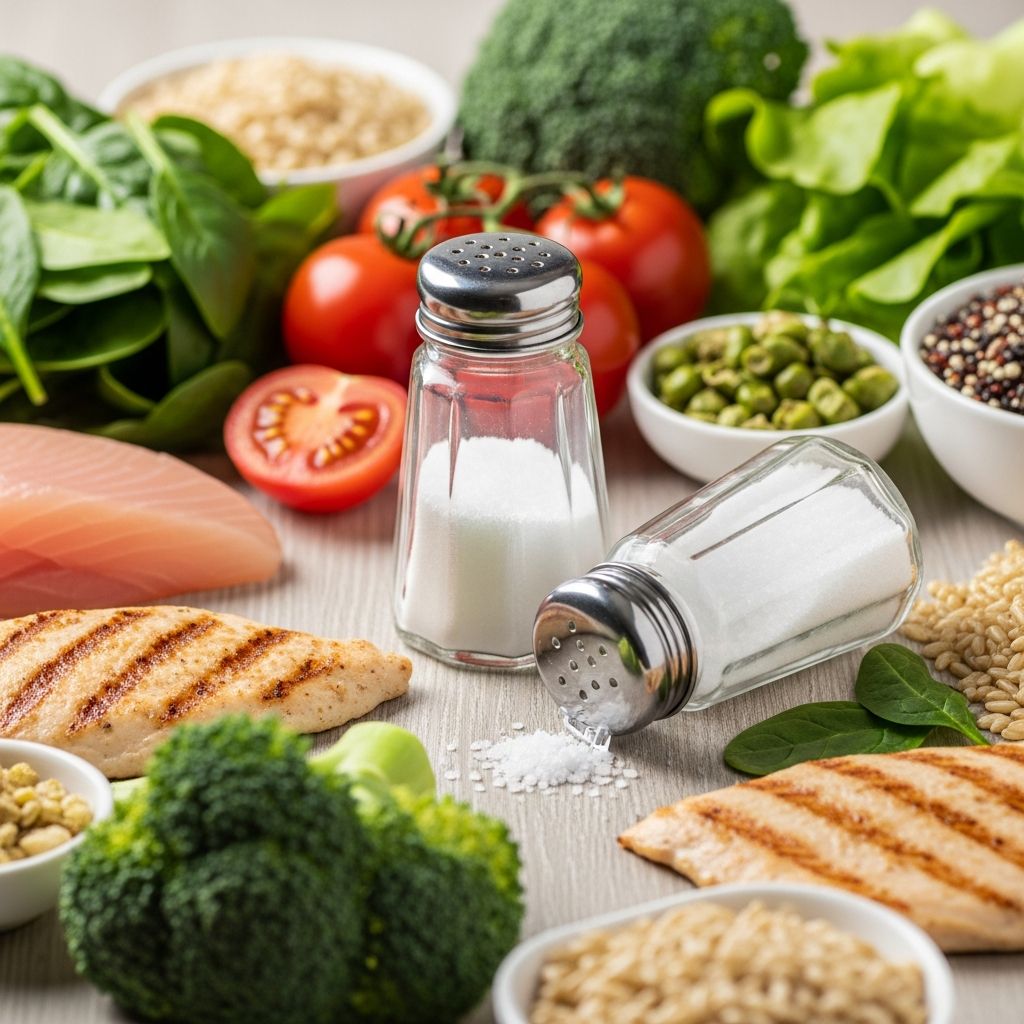
Sodium is a mineral that plays a vital role in human health, yet most Americans consume far more than their bodies need. While your body requires sodium to function properly, excessive intake can lead to serious health complications. Understanding the facts about sodium—from how much you need to the risks of consuming too much—is crucial for maintaining long-term health and preventing chronic diseases.
What Is Sodium and How Much Do You Need?
Sodium is an essential electrolyte that your body requires to conduct nerve impulses, contract and relax muscles, and maintain the proper balance of water and minerals. Most sodium in the diet comes from salt, also known as sodium chloride, which is approximately 40% sodium and 60% chloride. Beyond its nutritional role, salt serves multiple functions in food production: it flavors food, acts as a binder and stabilizer, and serves as a food preservative by preventing bacterial growth.
Despite sodium’s essential role, your body actually needs very little of it to function optimally. It is estimated that adults require only about 500 milligrams of sodium daily for these vital physiological functions. This amount is significantly lower than current consumption levels across the United States.
Current Sodium Consumption in America
The average American diet contains far more sodium than necessary for health. Most Americans consume at least 1.5 teaspoons of salt per day, which equates to approximately 3,300 to 3,400 milligrams of sodium. This consumption level is well above federal dietary recommendations and the amounts needed for optimal bodily function.
The primary sources of this excessive sodium intake are not the salt shaker at home, but rather processed and restaurant foods. These commercial food sources contain significantly higher sodium levels than home-cooked meals prepared from fresh ingredients. Understanding where sodium hides in your diet is the first step toward reducing intake and improving health outcomes.
Recommended Daily Sodium Intake Guidelines
Health organizations and government agencies have established clear guidelines for sodium consumption. The federal recommendation for teens and adults is less than 2,300 milligrams of sodium daily as part of a healthy eating pattern. This guideline serves as the general target for the population interested in preventing chronic disease.
Additionally, a Chronic Disease Risk Reduction (CDRR) Intake has been established based on evidence showing that reduced sodium intake lowers the risk of cardiovascular disease and high blood pressure. The CDRR lists 2,300 milligrams per day as the maximum amount to consume for chronic disease reduction for men and women 14 years of age and older, as well as pregnant women.
For individuals with existing health conditions, stricter limits may be beneficial. People with high blood pressure, heart disease, or other cardiovascular conditions may benefit from reducing sodium intake to 1,500 milligrams per day. This lower target helps manage existing conditions and prevents further progression of disease.
Related Stories



Sodium Intake Recommendations by Population
- General healthy population: Less than 2,300 mg daily
- Higher-risk individuals: 1,500 mg daily
- Minimum physiological requirement: Approximately 250–500 mg daily
- Current average American intake: 3,300–3,400 mg daily
Sodium and Cardiovascular Health
The relationship between sodium intake and heart health is one of the most well-documented connections in nutritional science. Excessive sodium consumption can increase blood pressure, which is a leading risk factor for cardiovascular disease. High blood pressure accounts for two-thirds of all strokes and approximately half of all heart disease cases.
Research has consistently shown that reducing sodium intake can lower blood pressure. A meta-analysis of clinical trials found that moderate sodium reduction to about 4,000 milligrams per day for at least one month caused significant reductions in blood pressure in individuals with both normal and high blood pressure levels. Furthermore, blood pressure reductions were observed across different demographic groups, including both men and women and people of different racial backgrounds, suggesting a benefit for the total population.
In studies specifically examining cardiovascular outcomes, participants with sodium intakes less than 2,300 milligrams daily showed a 32% lower risk of developing cardiovascular disease compared with those who consumed 3,600 to 4,800 milligrams daily. This substantial reduction in risk demonstrates the protective effects of sodium limitation.
Effects on Blood Vessels and Arteries
Beyond blood pressure effects, excess sodium consumption directly damages blood vessel function. Research shows that high sodium impairs endothelial function—the ability of blood vessel linings to function properly—even in people without elevated blood pressure. Additionally, elevated dietary sodium can increase arterial stiffness independent of blood pressure changes. This stiffness makes it harder for arteries to expand and contract, increasing strain on the cardiovascular system and elevating disease risk.
Sodium and Kidney Health
The kidneys play a crucial role in regulating sodium balance in the body. Chronic kidney disease (CKD) patients face particular challenges with sodium management. Guidelines generally advise a moderate rather than low sodium restriction to prevent the development and progression of CKD.
For patients with chronic kidney disease, a daily sodium intake of less than 4,000 milligrams is recommended for overall management. For individuals with CKD accompanied by symptoms of fluid retention or proteinuria (a condition in which excess protein is excreted in the urine), an even lower limit of less than 3,000 milligrams daily is advised. These restrictions help reduce strain on the kidneys and prevent complications.
Sodium and Bone Health: The Osteoporosis Connection
One often-overlooked effect of high sodium consumption is its impact on bone health. The amount of calcium your body loses through urination increases with the amount of salt you eat. If calcium levels become insufficient in the blood, the body compensates by pulling calcium from bones, potentially leading to bone thinning and osteoporosis.
Research demonstrates the significance of this relationship. A study in post-menopausal women showed that the loss of hip bone density over two years was directly related to 24-hour urinary sodium excretion measured at the start of the study. Importantly, the connection between sodium intake and bone loss was as strong as the relationship between calcium intake and bone density, highlighting sodium’s substantial impact on skeletal health.
Sodium’s Impact on the Immune System
Beyond cardiovascular and skeletal effects, sodium influences immune system function. Many cells throughout the body, including those of the immune system, contain sodium channels. When sodium intake increases, more sodium enters cells, which can affect immune system function and regulation. Research suggests that these immune effects may contribute to elevations in blood pressure, heart disease, and stroke risk, creating additional pathways through which excessive sodium consumption increases disease risk.
The Potassium Factor: A Missing Piece of the Puzzle
While reducing sodium is important, the overall dietary pattern matters significantly. Processed foods are not only high in sodium but also typically low in potassium, a mineral that helps protect against some of the harmful effects of sodium. Potassium actually helps mitigate the negative cardiovascular effects of sodium consumption.
When people consume unhealthy processed foods, they face a double burden: getting more sodium while simultaneously getting less potassium. This combination—lower potassium intake paired with high sodium consumption—increases health risk beyond what sodium content alone would predict. Addressing both sides of this equation by reducing sodium and increasing potassium through whole foods can provide significant health benefits.
How to Identify Hidden Sodium in Your Diet
Most dietary sodium does not come from salt added at the table but rather from processed and restaurant foods. Understanding where sodium hides allows for more effective reduction strategies.
Major Sources of Dietary Sodium
- Processed foods: Canned soups, canned vegetables, frozen dinners, deli meats
- Restaurant and fast food: Particularly high-sodium menu items, sauces, and prepared dishes
- Condiments and seasonings: Soy sauce, salad dressings, ketchup, mustard
- Bread and baked goods: Often contain unexpected amounts of sodium
- Cheese and dairy products: Processed varieties tend to be high in sodium
- Snack foods: Chips, crackers, pretzels, and other packaged snacks
Practical Strategies for Reducing Sodium Intake
Reducing sodium consumption does not require drastic dietary changes. Several practical strategies can help lower intake while maintaining enjoyable, flavorful meals:
- Cook at home: Preparing meals from fresh ingredients gives you control over sodium content
- Read nutrition labels: Check sodium content on packaged foods and choose lower-sodium alternatives
- Limit processed foods: Focus on whole foods like fresh fruits, vegetables, lean proteins, and whole grains
- Use herbs and spices: Replace salt with flavorful seasonings like garlic, lemon, and herbs
- Request low-sodium options: When dining out, ask for food prepared without added salt
- Rinse canned foods: Draining and rinsing canned vegetables can reduce sodium by up to 40%
- Choose fresh over processed: Select fresh produce, fresh meats, and whole grains rather than processed alternatives
- Increase potassium intake: Eat more potassium-rich foods like bananas, sweet potatoes, spinach, and beans
Is There Really a Danger of Too Little Sodium?
One common concern is whether reducing sodium intake might lead to deficiency. In reality, there is very little danger in the United States that most people will not get enough sodium, even when eating fresh foods rather than processed foods. The human body is efficient at conserving sodium, and even extremely minimal sodium intake (around 250 milligrams daily) meets physiological requirements. While the body must make adjustments when transitioning from high to lower sodium intake, adaptation occurs readily, and health benefits typically emerge.
Key Takeaways About Sodium
- Your body needs only 500 mg of sodium daily, but Americans consume 3,300–3,400 mg on average
- The recommended limit is 2,300 mg daily for healthy adults, with 1,500 mg for higher-risk individuals
- Excess sodium increases blood pressure and cardiovascular disease risk
- High sodium intake also affects bone health, kidney function, and immune system regulation
- Most dietary sodium comes from processed and restaurant foods, not salt added at home
- Potassium helps counteract sodium’s negative effects, but processed foods are typically low in potassium
- Cooking at home from fresh ingredients is the most effective way to control sodium intake
Frequently Asked Questions
Q: How much sodium is safe to consume per day?
A: The federal recommendation is less than 2,300 milligrams of sodium daily for healthy teens and adults. For individuals with high blood pressure or heart disease, 1,500 milligrams daily is a better target.
Q: Why do I need sodium if my body only requires 500 mg daily?
A: While your body only needs about 500 mg of sodium for essential physiological functions like nerve conduction and muscle contraction, salt is added to foods for flavor, preservation, and texture. The challenge is keeping total intake near recommended levels while enjoying palatable food.
Q: Can too much sodium cause immediate symptoms?
A: Excessive sodium typically raises blood pressure gradually over time rather than causing immediate symptoms. However, some people may experience bloating or thirst after consuming very high-sodium meals.
Q: Where is most of the sodium in my diet coming from?
A: Most dietary sodium comes from processed and restaurant foods rather than salt added at home. Common high-sodium sources include canned soups, deli meats, canned vegetables, frozen dinners, bread, cheese, and condiments.
Q: Can I develop a sodium deficiency from eating fresh foods?
A: No. There is minimal risk of sodium deficiency in the United States, even when eating primarily fresh, unprocessed foods. Your body efficiently retains sodium, and deficiency is extremely rare in developed countries.
Q: Does all salt contain iodine?
A: Not all salt contains iodine. Only iodized salt has added iodine. If you significantly reduce salt intake, you may want to ensure adequate iodine from other sources like seafood, dairy, or seaweed.
Q: How can potassium help offset sodium’s negative effects?
A: Potassium helps protect against some of sodium’s harmful cardiovascular effects. Processed foods are typically low in potassium, so increasing whole food consumption helps balance sodium intake with adequate potassium.
References
- Salt and Sodium — Harvard T.H. Chan School of Public Health, The Nutrition Source. 2024. https://nutritionsource.hsph.harvard.edu/salt-and-sodium/
- About Sodium and Health — Centers for Disease Control and Prevention (CDC). 2024. https://www.cdc.gov/salt/about/index.html
- Dietary Sodium and Health: More Than Just Blood Pressure — National Center for Biotechnology Information (NCBI), PubMed Central. 2016. https://pmc.ncbi.nlm.nih.gov/articles/PMC5098396/
- What Doctors Wish Patients Knew About Sodium Consumption — American Medical Association (AMA), Public Health. 2024. https://www.ama-assn.org/public-health/prevention-wellness/what-doctors-wish-patients-knew-about-sodium-consumption
Similar Articles








Read full bio of medha deb