Sodium Fusidate for Infections (Fucidin)
Complete guide to sodium fusidate: uses, dosage, side effects, and infection treatment.

What is Sodium Fusidate?
Sodium fusidate, commonly known by the brand name Fucidin, is a potent antibiotic used to treat bacterial infections caused by staphylococcal organisms and other susceptible bacteria. This medication belongs to a class of steroid antibacterials and works by interfering with bacterial protein synthesis. Sodium fusidate is a salt form of fusidic acid, which is derived from the fermentation broth of the fungus Fusidium coccineum and has been used clinically for many years to combat various types of infections.
The medication is available in multiple formulations, including tablets, creams, ointments, eye drops, and injections for intravenous administration. Each formulation serves a specific purpose depending on the type and location of the infection being treated. The ability of sodium fusidate to penetrate deeply into tissues, including bone and necrotic tissue, makes it particularly valuable for treating serious systemic infections.
How Does Sodium Fusidate Work?
Sodium fusidate operates through a unique mechanism of action that distinguishes it from many other antibiotics. The medication works by preventing the translocation of elongation factor G (EF-G) from the bacterial ribosome, thereby inhibiting protein synthesis in bacterial cells. By disrupting this critical cellular process, the drug prevents bacteria from growing and reproducing, allowing the body’s immune system to eliminate the infection.
The antibiotic demonstrates both hydrophilic and lipophilic properties, meaning it can dissolve in both water and fatty substances. This characteristic allows it to penetrate very effectively into the skin, reaching deep layers and being present throughout all layers of skin and subcutaneous tissue. Bactericidal levels have been measured in bone and necrotic tissue, with concentrations as low as 0.03 to 0.12 micrograms per milliliter inhibiting nearly all strains of Staphylococcus aureus. The drug is also active against Staphylococcus epidermidis and methicillin-resistant staphylococci, making it valuable for treating resistant infections.
Indications and Uses
Sodium fusidate is indicated for the treatment of all staphylococcal infections due to susceptible organisms. The specific conditions that can be treated include:
- Cutaneous infections (skin infections)
- Osteomyelitis (bone infections)
- Pneumonia
- Septicaemia (blood poisoning)
- Wound infections
- Endocarditis (heart valve infections)
- Superinfected cystic fibrosis
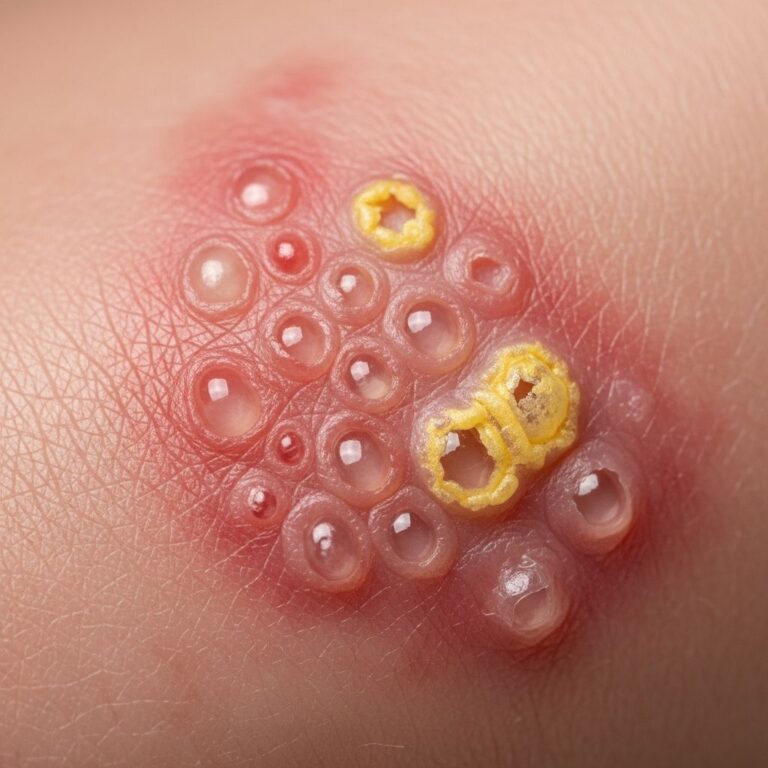
- Impetigo (a contagious skin infection)
- Folliculitis (hair follicle inflammation)
- Burns and traumatic or postoperative wounds
- Eye infections (conjunctivitis)
- Superficial wounds and boils
Topical formulations are especially suitable for superficial and deep skin infections, while systemic formulations are reserved for more serious infections that require higher drug concentrations throughout the body.
Dosage and Administration
The dosage of sodium fusidate varies depending on the type of infection, the formulation used, and individual patient factors. Understanding proper dosing is essential for effective treatment and minimizing the risk of adverse effects.
Oral Dosage for Adults
For staphylococcal cutaneous infections, the standard dose is 250 mg (equivalent to 240 mg fusidic acid) taken twice daily for 5 to 10 days. For more serious staphylococcal infections such as osteomyelitis, pneumonia, septicaemia, wound infections, endocarditis, and superinfected cystic fibrosis, the standard adult dose is 500 mg (equivalent to 480 mg fusidic acid) three times daily.
In severe cases of fulminating infections, the dosage may be doubled, or appropriate combined therapy may be used in conjunction with other antibiotics. Blood levels are cumulative, reaching concentrations of 20-35 micrograms per milliliter after oral administration of 250 mg twice daily for seven days, and 50-100 micrograms per milliliter after oral administration of 500 mg three times daily for 3 to 4 days.
Related Stories



Topical Dosage
For skin infections using the 2% ointment, cream, or gel formulation, the medication should be applied to the infected skin surface 3 to 4 times daily until improvement is observed. If using a dressing over the application, the frequency may be reduced to 1 to 2 times daily. Treatment typically lasts approximately 7 to 10 days, though this may vary depending on the severity and type of infection.
Eye Drop Dosage
For eye infections, adults should instill 1 drop of the 1% eye drop formulation into the affected eye every 12 hours for 7 days. Children over 2 years of age can also use this formulation with the same dosing schedule.
Special Populations
No dosage alterations are necessary in elderly patients, as sodium fusidate is excreted in the bile rather than through the kidneys. Since the drug is not significantly dialysed, the dosage in patients undergoing haemodialysis needs no adjustment. However, caution is required in patients with hepatic dysfunction or biliary disease, as the medication is metabolised in the liver.
Potential Side Effects
While sodium fusidate is generally well-tolerated, it can cause side effects in some patients. Side effects may vary in frequency from common to rare, and some require immediate medical attention.
Common Side Effects
- Lethargy, fatigue, or asthenia (weakness)
- Gastrointestinal disturbances
Uncommon Side Effects
- Hepatic failure, cholestasis, hepatitis, jaundice, and elevated bilirubin levels
- Rashes, urticaria (hives), and acute generalised exanthematous pustulosis
- Rhabdomyolysis (muscle tissue breakdown)
- Renal failure
Rare Side Effects
- Angioedema (swelling of deep skin layers)
- Pruritus (itching) and erythema (redness)
- Hepatic function abnormalities
- Haematological disorders affecting white blood cells, including neutropenia, granulocytopenia, and agranulocytosis
Very Rare or Unknown Frequency Side Effects
- Toxic epidermal necrolysis (Lyell’s syndrome)
- Stevens-Johnson syndrome
- Drug Reaction with Eosinophilia and Systemic Symptoms (DRESS) syndrome
When using topical formulations, local side effects may include stinging, itching, redness, and inflammation at the application site. Patients should inform their doctor immediately if they experience yellowing of the eyes or skin (jaundice), persistent stomach pain or reflux, inability to urinate, easy bruising, unexplained bleeding, or recurrent mouth or throat sores.
Important Safety Information
Liver Function Monitoring
Elevated liver enzymes and jaundice have occurred during systemic sodium fusidate therapy, though these are usually reversible upon discontinuation of the drug. Systemic Fucidin should be given with caution and liver function should be monitored if used in patients with hepatic dysfunction or in patients taking potentially hepatotoxic drugs.
Bilirubin Metabolism
Fusidic acid competitively inhibits the binding of bilirubin to albumin. Caution is necessary if systemic Fucidin is administered to patients with impaired transport and metabolism of bilirubin. Particular care is advised in neonates due to the theoretical risk of kernicterus, a serious neurological condition caused by high bilirubin levels.
Drug Interactions
Caution is required in patients treated with HIV-protease inhibitors. Fusidic acid has an antagonistic effect with ciprofloxacin and interacts with penicillin. High doses or prolonged use of paracetamol in combination with sodium fusidate can be toxic to the liver. When used in combination with oral diabetes medications or insulin, it may increase blood sugar levels.
Topical Application Precautions
When using topical formulations, the medication should be applied only to the skin and should not be applied to the eyes or facial skin. Treatment time should generally be limited to 7 days, except in cases of acne treatment. This precaution helps limit the phenomenon of selection of sensitive bacterial strains and reduces the risk of resistance development.
Overdose and Toxicity
In cases of overdose, acute symptoms include gastrointestinal disturbances. Management should be directed towards alleviation of symptoms, with supportive care being the primary treatment approach. Dialysis will not increase the clearance of fusidic acid since the drug is excreted through the bile rather than the kidneys.
An overdose of 4 grams per day for a duration of ten days in an adult has been reported without any adverse events. Additionally, an overdose of 1,250 mg per day for a duration of seven days in a child three years old has been reported without any serious adverse events, suggesting that the drug has a relatively wide margin of safety at higher doses.
When to Seek Medical Advice
Patients should contact their healthcare provider if they experience any signs of allergic reactions, including difficulty breathing, severe rash, or swelling of the face, especially around the eyes or eyelids. Persistent jaundice, severe gastrointestinal symptoms, inability to urinate, easy bruising, unexplained bleeding, or recurrent infections in the mouth or throat warrant immediate medical evaluation.
For topical applications, if symptoms do not improve within 7 to 10 days, or if the infection worsens despite treatment, medical advice should be sought. Additionally, if any new or unusual symptoms develop during treatment, patients should inform their doctor promptly.
Storage and Handling
Sodium fusidate should be stored according to the specific formulation being used. Most formulations should be kept at room temperature, away from direct sunlight and moisture. The medication should always be kept out of reach of children and should be discarded properly according to local regulations when no longer needed or when the expiration date has passed.
Frequently Asked Questions
Q: Is sodium fusidate effective against all types of bacteria?
A: No, sodium fusidate is primarily effective against staphylococcal infections and other susceptible organisms. It will not work against viruses, so it cannot be used for treating colds, flu, or other viral infections. Its effectiveness against other bacteria depends on the organism’s susceptibility to the drug.
Q: Can I use sodium fusidate if I am pregnant or breastfeeding?
A: You should consult with your healthcare provider before using sodium fusidate during pregnancy or while breastfeeding, as the medication’s safety profile in these populations needs to be carefully evaluated. Your doctor can assess the benefits and potential risks in your specific situation.
Q: How long does it typically take to see improvement in my infection?
A: Improvement may be noticed within a few days of starting treatment, though the full course of therapy should be completed as prescribed, typically lasting 7 to 10 days. It is important not to stop treatment early, even if symptoms improve, to ensure complete eradication of the infection.
Q: Can I apply sodium fusidate cream to my face?
A: Topical formulations should generally not be applied to the facial skin except under specific medical guidance. The eyes should never be exposed to topical cream formulations. Eye infections should only be treated with the specific eye drop formulation.
Q: What should I do if I accidentally take a higher dose than prescribed?
A: If you accidentally take a higher dose, contact your doctor or poison control centre immediately. However, research indicates that even significant overdoses have been tolerated without serious adverse events. Management focuses on alleviating any gastrointestinal symptoms that may develop.
Q: Can sodium fusidate be used with other antibiotics?
A: In severe infections, sodium fusidate can be used in combination with other antibiotics. However, certain drug combinations should be avoided, particularly with ciprofloxacin and penicillin. Always inform your doctor about all medications you are taking to avoid potentially harmful interactions.
References
- Fucidin 250 mg Tablets – Summary of Product Characteristics (SmPC) — Medicines.org.uk. 2024. https://www.medicines.org.uk/emc/product/5515/smpc
- Fusidic Acid: Uses, Interactions, Mechanism of Action — DrugBank. 2024. https://go.drugbank.com/drugs/DB02703
- What Does Fusidic Acid Do? — Vinmec International Hospital. 2024. https://www.vinmec.com/eng/blog/what-does-fusidic-acid-do-en
- Fusidic Acid (Oral Route, Injection Route) – Side Effects & Dosage — Mayo Clinic. 2024. https://www.mayoclinic.org/drugs-supplements/fusidic-acid-oral-route-injection-route/description/drg-20067601
- Sodium Fusidate — PubChem, National Center for Biotechnology Information. 2024. https://pubchem.ncbi.nlm.nih.gov/compound/23672955
Similar Articles








Read full bio of medha deb