Sodium Stibogluconate: Treatment for Leishmaniasis
Comprehensive guide to sodium stibogluconate for treating parasitic leishmaniasis infections.

Sodium stibogluconate, sold under the brand name Pentostam, is a pentavalent antimony medication used to treat leishmaniasis, a parasitic infection transmitted by sand-fly bites. This injectable medication has been employed for more than 50 years to manage cutaneous, visceral, and mucosal forms of the disease, making it one of the longest-established treatments in tropical medicine. Although widespread resistance in certain regions has limited its utility in some parts of the world, sodium stibogluconate remains an important therapeutic option, particularly in military medicine and specific geographic areas.
What is Leishmaniasis?
Leishmaniasis is a protozoal infection caused by the bite of infected sand flies found in tropical and temperate regions worldwide, including parts of Europe, Southwest Asia, Africa, and the Middle East. The disease manifests in three primary forms: cutaneous leishmaniasis (affecting the skin), visceral leishmaniasis (affecting internal organs), and mucosal leishmaniasis (affecting mucous membranes). This parasitic disease has historically posed significant health threats to military personnel deployed in endemic areas and remains a major cause of morbidity in soldiers stationed in the Middle East and other tropical regions.
Classification and Mechanism
Sodium stibogluconate belongs to the class of medicines known as pentavalent antimonials. The medication works by disrupting the parasitic organism’s nucleotide metabolism. Research has demonstrated that sodium stibogluconate reduces the incorporation of labels into purine nucleoside triphosphates (ATP and GTP) by 56-65%, while simultaneously increasing label incorporation into purine nucleoside mono- and diphosphates (AMP, GMP, ADP, and GDP) following exposure to the drug. This mechanism effectively impairs the parasite’s ability to produce and utilize energy, leading to its elimination.
Indications and Uses
Sodium stibogluconate has received orphan drug designation for the treatment of leishmaniasis and is approved for managing all three forms of the disease. The medication is available in the United States only through the Centers for Disease Control (CDC) due to limited commercial need. Additionally, sodium stibogluconate is being investigated as a potential anti-tumor agent, including for the treatment of acute myeloid leukemia (AML), though these applications remain experimental.
Types of Leishmaniasis Treated
- Cutaneous leishmaniasis: The most common form, characterized by skin lesions and ulcers at the site of sand-fly bite
- Visceral leishmaniasis: The most severe form affecting internal organs including the spleen, liver, and bone marrow
- Mucosal leishmaniasis: Affects mucous membranes and can develop from untreated cutaneous lesions
Dosage and Administration
Sodium stibogluconate is available as an injectable solution containing 100 mg of antimony (Sb) per milliliter. The standard dosing regimen depends on the type and severity of leishmaniasis being treated.
Standard Dosing Schedules
| Type of Leishmaniasis | Dose | Duration | Route |
|---|---|---|---|
| Cutaneous leishmaniasis | 20 mg Sb/kg/day (maximum 850 mg) | 10-20 days | IV or IM |
| Visceral leishmaniasis | 20 mg Sb/kg/day (maximum 850 mg) | 28 days | IV or IM |
| Mucosal leishmaniasis | 20 mg Sb/kg/day (maximum 850 mg) | 28 days | IV or IM |
In 1984, the World Health Organization recommended increasing the daily dose of antimony to 20 mg/kg/day for treating visceral leishmaniasis, a standard that remains in use today. A randomized controlled trial of 40 subjects with American cutaneous leishmaniasis found 100% cure rates with 20 mg/kg/day of antimony for 20 days, compared to only 76% cure rates when using 10 mg/kg/day for 10 days.
Related Stories



Routes of Administration
Intravenous infusion: The preferred route, administered slowly over at least five minutes with cardiac monitoring. Infusions should be stopped immediately if coughing or central chest pain occurs.
Intramuscular injection: While possible, intramuscular administration is exceedingly painful and is generally avoided when intravenous access is available.
Intralesional injection: May be used for a single lesion or a few small lesions of cutaneous leishmaniasis. Intralesional injections are not suitable for lesions on the nose, ears, fingers, eyelids, lips, or genitalia. The intradermal injections are preceded by local anesthetic or cryotherapy, with doses of 0.1 mL/cm² (0.2-5 mL in up to 4-5 sites) repeated every 3-7 days until healing occurs. Intralesional injection is exceedingly painful and does not provide results superior to intravenous administration.
Effectiveness and Clinical Outcomes
Clinical experience has demonstrated the effectiveness of sodium stibogluconate across various types of leishmaniasis. Recent treatment experience at Walter Reed Army Medical Center (WRAMC) comparing sodium stibogluconate 20 mg/kg for 10 or 20 days found 100% cure rates in volunteers receiving the 10-day regimen, with approximately 15% of cases involving Leishmania major infections. These results suggest efficacy for both New World and Old World leishmaniasis strains.
Controlled trials have examined different administration schedules, including single rapid infusions, continuous 24-hour infusions, and doses given every eight hours. No advantage was found over once-daily dosing, establishing the current standard of once-daily administration. A comprehensive review of controlled trials concluded that the recommended course of therapy is 20 mg/kg/day with no upper limit to dose for 20 days for cutaneous leishmaniasis and 20 mg/kg/day for 28 days for visceral or mucocutaneous leishmaniasis.
Side Effects and Adverse Events
While generally safe, sodium stibogluconate can produce various side effects, which are usually reversible. No deaths have been associated with sodium stibogluconate when properly monitored. The most commonly reported adverse effects include:
Common Side Effects
- Myalgia (muscle pain) – occurs in 42-68% of patients
- Headache – reported in 22% of cases
- Rash – seen in 9% of patients
- Hematologic depression – affects up to 44% of patients
- Chemical pancreatitis
- Phlebitis at injection site
- Anaphylaxis (rare)
- Inflammation around lesions
- Transient coughing after infusion
Additional Associated Symptoms
Other symptoms that may occur during treatment include anorexia, malaise, abdominal pain, lethargy, sweating, vertigo, facial flushing, initial worsening of skin lesions, epistaxis, jaundice, and peripheral neuropathy. Research indicates that adverse events are significantly decreased with shorter treatment courses; patients receiving 10 days of therapy experienced fewer complications than those receiving 20 days, with lower rates of myalgias, chemical pancreatitis, and hematologic parameter disorders.
Cardiac Monitoring
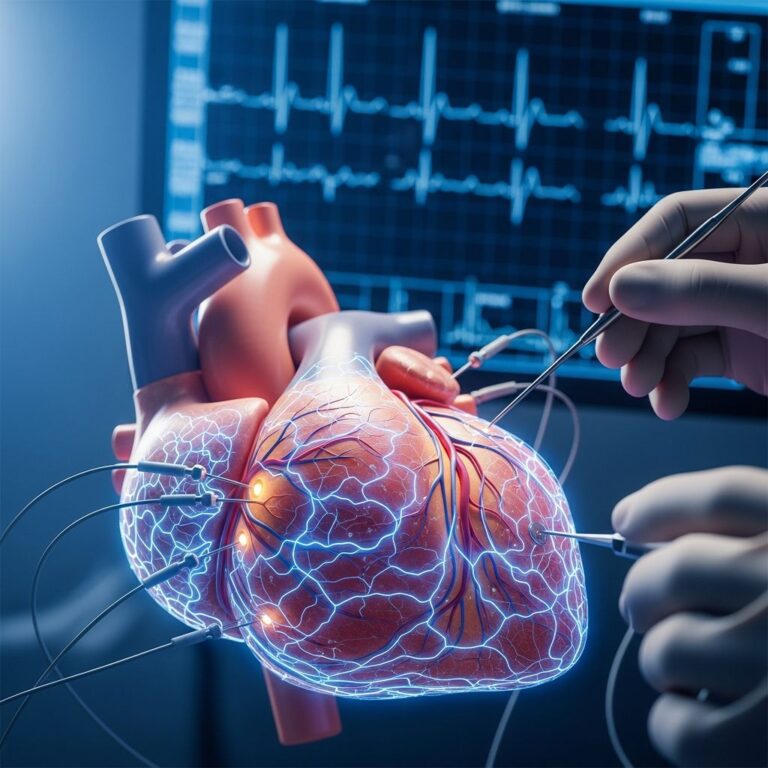
Cardiac conduction disturbances, while less common, may occur during treatment. Electrocardiograph (ECG) monitoring during medication infusion is advisable, and any changes reverse quickly after the drug is stopped or the infusion rate is decreased.
Special Considerations and Limitations
Although sodium stibogluconate has been used successfully for over 50 years, widespread resistance has emerged in many parts of the world, limiting its utility as a first-line agent in certain regions. In response, alternative treatments such as amphotericin B, liposomal amphotericin B, and miltefosine are increasingly used. Amphotericin B is particularly recommended for visceral leishmaniasis in regions where resistance is prevalent.
In the United States, sodium stibogluconate is not licensed for commercial use due to the very limited need for the product domestically. The Department of Defense has maintained access to this medication as an Investigational New Drug (IND) product for over 20 years, primarily for treating military personnel with leishmaniasis. Civilian patients requiring sodium stibogluconate must obtain it through the Centers for Disease Control.
Chemical Structure and Composition
The chemical structure of sodium stibogluconate is somewhat ambiguous, and available structural representations are idealized. Solutions may contain multiple antimony compounds, though this heterogeneity may be unimportant for therapeutic purposes. It has been speculated that the active species contains only a single antimony center.
Historical Context
Sodium stibogluconate’s therapeutic index was established by Leonard Goodwin during the Second World War when urgent treatment was required for Allied troops during the invasion of Sicily. This historical development highlights the drug’s importance in military medicine and its enduring role in treating parasitic infections in endemic regions.
Future Directions
Beyond leishmaniasis treatment, sodium stibogluconate is being investigated for potential anti-tumor properties, including possible applications in acute myeloid leukemia and other malignancies. These investigations represent an expansion of the medication’s therapeutic potential and may open new clinical applications in the future.
Frequently Asked Questions (FAQs)
Q: Why is sodium stibogluconate not widely available in the United States?
A: Sodium stibogluconate is not licensed for commercial use in the United States due to limited domestic need for the medication. However, it remains available through the Centers for Disease Control for patients with confirmed leishmaniasis and is maintained by the Department of Defense for military personnel.
Q: What is the difference between intravenous and intramuscular administration?
A: While both routes are technically possible, intravenous administration is strongly preferred as intramuscular injection is exceedingly painful. Intravenous infusion also allows for proper cardiac monitoring and safer drug administration.
Q: How long does treatment typically take?
A: Treatment duration depends on the type of leishmaniasis. Cutaneous leishmaniasis typically requires 10-20 days, while visceral and mucosal leishmaniasis require 28 days of therapy.
Q: Are there alternatives to sodium stibogluconate?
A: Yes, due to emerging resistance in many regions, alternatives such as amphotericin B, liposomal amphotericin B, miltefosine, and paromomycin are increasingly used, either as monotherapy or in combination regimens.
Q: What should I do if I experience severe side effects?
A: Contact your healthcare provider immediately. Most side effects of sodium stibogluconate are reversible, and adjustment of the infusion rate or temporary discontinuation can resolve cardiac symptoms and other serious adverse effects.
Q: Is sodium stibogluconate safe during pregnancy?
A: Pregnant women with leishmaniasis require special consideration. Consult with your healthcare provider regarding the risks and benefits of treatment, as management may differ during pregnancy.
References
- Use of Sodium Stibogluconate as a Treatment for Leishmaniasis — U.S. National Institutes of Health, Clinical Trials.gov. 2008. https://clinicaltrials.gov/study/NCT00657618
- Sodium stibogluconate — PubChem, National Center for Biotechnology Information (NCBI), National Library of Medicine. 2024. https://pubchem.ncbi.nlm.nih.gov/compound/Sodium-Stibogluconate
- Sodium stibogluconate: Uses, Interactions, Mechanism of Action — DrugBank, University of Alberta. 2024. https://go.drugbank.com/drugs/DB05630
- Stibogluconate Sodium: Side Effects, Uses, Dosage — RxList, IBM Watson Health. 2024. https://www.rxlist.com/stibogluconate_sodium/generic-drug.htm
- Sodium stibogluconate — DermNet, DermNet New Zealand Trust. 2024. https://dermnetnz.org/topics/sodium-stibogluconate
Similar Articles








Read full bio of medha deb