Sodium Valproate for Epilepsy: Epilim & Episenta
Complete guide to sodium valproate treatment for epilepsy management and seizure control.
About Sodium Valproate
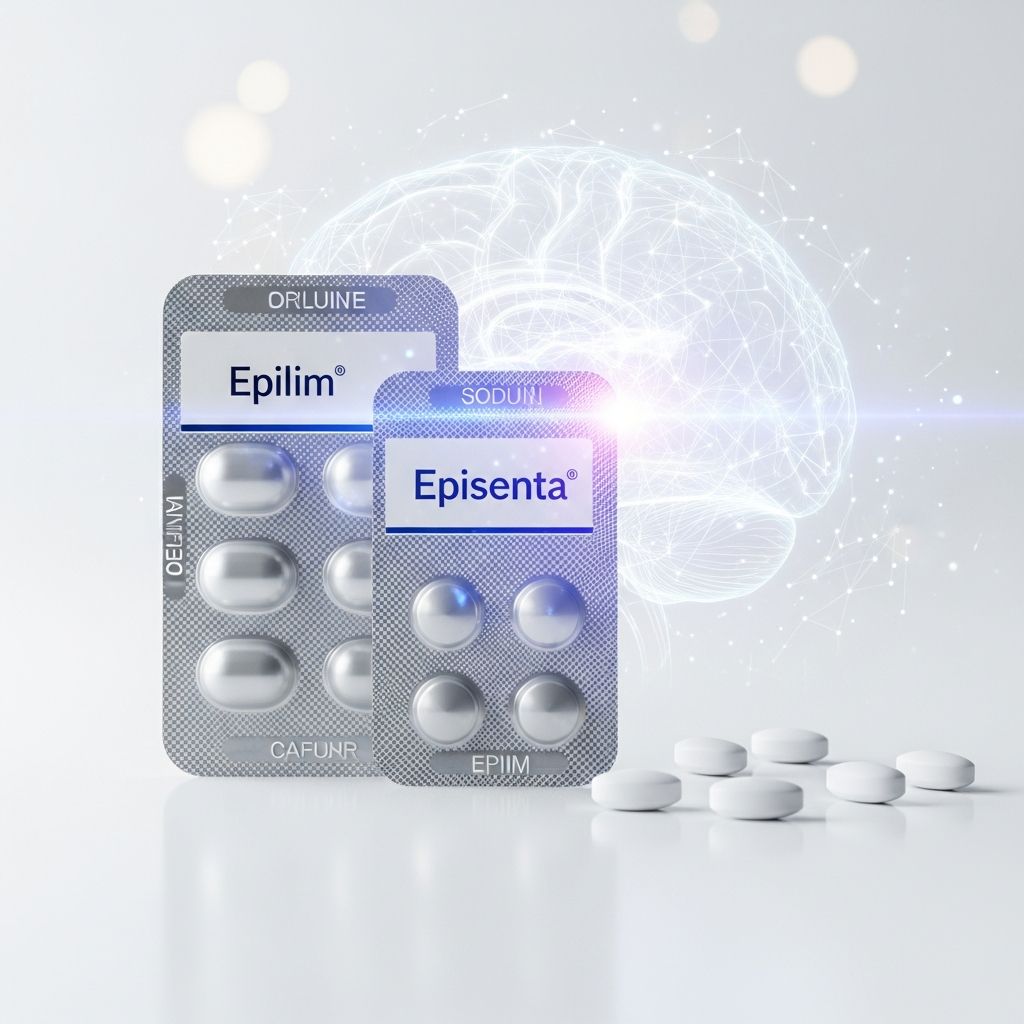
Sodium valproate is an effective anti-seizure medication (ASM) widely used in the management of various epilepsy types. It is available under multiple brand names, including Epilim, Episenta, Depakote, Convulex, Epival, Kentlim, Orlept, and several others. For some people with epilepsy, sodium valproate is the only medication that effectively controls their seizures, making it an invaluable therapeutic option. The medication is also referred to as valproate or valproic acid in medical literature and practice.
Valproic acid received FDA approval in 1978 for treating absence seizures, also known as petit mal seizures, which are brief episodes of altered consciousness characteristic of generalized epilepsy. Subsequently, in 1983, the FDA approved its use for complex partial seizures, also termed psychomotor seizures, a type of focal epilepsy characterized by impaired consciousness and automatisms. Since its introduction, sodium valproate has gained extensive utilization as both a first-line and adjunctive therapy for various epilepsy types.
How Sodium Valproate Works
Sodium valproate works as an anticonvulsant that functions in the brain tissue to stop seizures. The exact mechanisms by which valproate exerts its effects are not completely understood, though several pathways are thought to contribute to its therapeutic action. It is believed that valproate produces increased cortical inhibition to help control neural synchrony, and it also exerts a neuroprotective effect that prevents damage and neural degeneration associated with epilepsy.
At the molecular level, valproic acid’s antiepileptic effects are manifested through the attenuation of high-frequency neuronal firing, achieved through the blockade of voltage-gated sodium, potassium, and calcium channels. The medication influences the biochemical occurrence of aura and impacts nociception by modulating GABA or glutamate-mediated neurotransmission. Additionally, valproate influences signaling systems such as the Wnt/beta-catenin and ERK pathways, which similarly interfere with inositol and arachidonate metabolism.
FDA-Approved Uses
Sodium valproate holds FDA-approved indications for the treatment of several seizure types across different patient populations. The principal approved uses include:
- As a monotherapy and adjunctive therapy to address complex partial seizures in adult and pediatric patients aged 10 and older
- As a standalone and adjunctive therapy to treat both simple and complex absence seizures in adults and pediatric patients
- As an adjunctive therapy for patients with multiple seizure types, encompassing absence seizures
- Focal impaired awareness seizures
In addition to its primary indication for epilepsy treatment, sodium valproate is FDA-approved for managing acute manic episodes associated with bipolar disorder. There is also an injectable form available for intravenous use when oral forms are not possible.
Off-Label Uses
Although the FDA’s primary approval for sodium valproate focuses on epilepsy treatment, doctors may legally prescribe the medication for off-label uses based on their clinical judgment and medical evidence. Off-label applications of valproate include:
- Preventing migraine headaches (not treating active migraine episodes)
- Maintenance therapy for bipolar disorder
- Treatment for acute bipolar depression
- Emergency treatment of status epilepticus
Valproate has demonstrated effectiveness in reducing the incidence of complex partial seizures and migraine headaches, as well as improving symptom control in bipolar mania.
Dosage and Administration
The therapeutic range for total valproate varies depending on the condition being treated. In epilepsy, the therapeutic range is 50 to 100 mcg/mL, while for mania management, it is 50 to 125 mcg/mL. Valproic acid generally takes around 14 days to achieve maximum concentration within the body.
Related Stories



Sodium valproate is available in multiple dosage forms to accommodate different patient needs and preferences. These include:
- Syrup
- Solution
- Capsule (liquid filled)
- Tablet (delayed release)
- Capsule (delayed release)
- Tablet (extended release)
To reduce side effects, doctors typically prescribe a low initial dose of sodium valproate and increase it gradually. For children, the usual starting dose is 5 to 10 milligrams for each kilogram of body weight per day, typically given in one to three equal doses per day. Individualized dosing adjustments are made based on patient response, therapeutic drug monitoring, and tolerability.
Effectiveness in Different Seizure Types
Sodium valproate demonstrates effectiveness against many seizure types common in both children and adults. The medication is particularly effective for certain seizure presentations:
- Absence seizures: Valproate is one of the most effective medicines for treating these brief staring spells, representing a primary indication for the drug.
- Myoclonic seizures: The medication provides good control of these sudden, involuntary muscle jerks.
- Tonic-clonic seizures: Valproate is beneficial for generalized tonic-clonic seizures, including those occurring in Lennox-Gastaut syndrome.
- Infantile spasms: The medication can help manage these seizures in infants and young children.
- Photosensitive seizures: Valproate provides protection against seizures triggered by flashing lights.
- Complex partial seizures: The medication effectively reduces the incidence of these focal seizures with impaired awareness.
Research has demonstrated that valproate is a powerful adjunct in the treatment of intractable epilepsy and was particularly effective in patients with generalized seizure disorders.
Important Safety Information
While sodium valproate is an effective anti-seizure medication, it carries important safety considerations that patients and healthcare providers must carefully weigh.
Serious Liver Damage
The most serious and feared adverse reaction associated with sodium valproate is liver failure. This serious liver damage can cause death and usually occurs within the first six months of treatment. The risk of experiencing this serious liver damage is significantly higher in children under two years of age, particularly if they also take other seizure medications or have other serious underlying disorders. Due to this elevated risk, doctors rarely prescribe valproate to patients at the highest risk for liver complications.
Patients should contact their healthcare provider immediately if they experience symptoms such as yellowing of the skin or eyes, dark urine, light-colored stools, unusual tiredness, weakness, or abdominal pain, as these may indicate liver problems.
Hyperammonemia
Sodium valproate can cause high levels of ammonia in the blood, a condition known as hyperammonemia. When valproate is taken with topiramate, it may cause hyperammonemia and encephalopathy, which involves brain malfunctions. Patients experiencing symptoms such as feeling tired, vomiting, or changes in mental status should notify their healthcare provider immediately.
Genetic Liver Disorders and Metabolic Conditions
Patients with liver problems or those who have or suspect having a genetic liver problem caused by a mitochondrial disorder (such as Alpers-Huttenlocher syndrome) should not take sodium valproate. Additionally, individuals with a genetic problem called urea cycle disorder should not use this medication.
Allergic Reactions
Patients who are allergic to divalproex sodium, valproic acid, sodium valproate, or any of the active ingredients in their formulation should not take this medicine.
Gradual Discontinuation
Patients should not stop taking sodium valproate suddenly unless directed to do so by their healthcare provider due to serious side effects. As with all antiseizure medications, sodium valproate should be withdrawn gradually to minimize the risk of causing or worsening seizures or status epilepticus. Any changes to medication regimens must be discussed with and supervised by a healthcare provider.
Precautions and Considerations
Several other factors may influence whether a patient should take sodium valproate. Patients should inform their healthcare provider if they have:
- Any liver disease or concerns about liver function
- A family history of mitochondrial disorders
- Urea cycle disorders
- Pancreatic disease
- Blood clotting disorders
- Kidney disease
- Any allergies to valproate compounds
Open communication with healthcare providers about medical history and current health status is essential for safe and effective use of sodium valproate.
Drug Interactions
Sodium valproate may interact with other medications, potentially affecting their efficacy or increasing the risk of adverse effects. The combination with topiramate, for example, is known to increase the risk of hyperammonemia and encephalopathy. Patients should provide their healthcare provider with a complete list of all medications, supplements, and herbal products they are taking to ensure safe concurrent use.
Frequently Asked Questions
Q: What is the difference between sodium valproate and valproic acid?
A: Sodium valproate and valproic acid are different formulations of essentially the same medication. Divalproex sodium is the stable, coordinated compound of sodium valproate and valproic acid. These terms are often used interchangeably in clinical practice, though they represent slightly different chemical forms of the same therapeutic agent.
Q: How long does it take for sodium valproate to work?
A: Valproic acid generally takes around 14 days to achieve maximum concentration within the body. However, some patients may experience therapeutic benefits sooner, while others may require additional time for optimal seizure control. Dosage adjustments are typically made based on therapeutic drug monitoring and individual patient response.
Q: Can sodium valproate be used in children?
A: Yes, sodium valproate can be effective against many seizure types common in children, including absence seizures, myoclonic seizures, tonic-clonic seizures, infantile spasms, and photosensitive seizures. However, the risk of serious liver damage is higher in children under two years of age, so careful medical supervision is essential. Children usually start with a low dose of 5 to 10 mg per kilogram of body weight per day.
Q: What should I do if I miss a dose of sodium valproate?
A: Patients should follow specific instructions from their healthcare provider or pharmacist regarding missed doses. Generally, if it is almost time for the next scheduled dose, the missed dose should be skipped. Never double-dose to make up for a missed dose, as this could lead to overdose and adverse effects. Consistency in taking medication as prescribed is important for maintaining seizure control.
Q: Are there any dietary restrictions while taking sodium valproate?
A: While sodium valproate does not have specific dietary restrictions, patients should maintain a consistent diet and inform their healthcare provider of any significant dietary changes. Some patients may experience gastrointestinal side effects that can be managed through dietary adjustments. Always consult with your healthcare provider about any concerns regarding diet and medication interaction.
Q: Can women of childbearing age take sodium valproate?
A: This is an important consideration, as sodium valproate carries risks during pregnancy. Women of childbearing potential should discuss pregnancy planning and contraception with their healthcare provider. Medical guidance regarding pregnancy, breastfeeding, and fertility is essential before starting or continuing sodium valproate therapy.
Q: What are the signs that sodium valproate is working?
A: Signs that sodium valproate is working include a reduction in seizure frequency, severity, or duration compared to before treatment. Some patients may achieve complete seizure control, while others experience partial improvement. Regular monitoring through healthcare visits and potential therapeutic drug level testing helps assess medication effectiveness.
References
- Valproic Acid – StatPearls — National Center for Biotechnology Information (NCBI). 2024. https://www.ncbi.nlm.nih.gov/books/NBK559112/
- Valproic Acid: Uses, Interactions, Mechanism of Action — DrugBank. https://go.drugbank.com/drugs/DB00313
- Valproate Sodium – Valproic Acid — CURE Epilepsy. https://www.cureepilepsy.org/understanding-epilepsy/treatments/epilepsy-medications/valproate-sodium-valproic-acid/
- Valproic Acid (Oral Route) – Side Effects & Dosage — Mayo Clinic. https://www.mayoclinic.org/drugs-supplements/valproic-acid-oral-route/description/drg-20072931
- Valproic Acid Basic Seizure Medication — Epilepsy Foundation. https://www.epilepsy.com/tools-resources/seizure-medication-list/valproic-acid
- Sodium Valproate — Epilepsy Society. https://epilepsysociety.org.uk/about-epilepsy/sodium-valproate
- Sodium Valproate in the Treatment of Intractable Seizure Disorders — Neurology. https://www.neurology.org/doi/10.1212/WNL.28.2.152
Similar Articles








Read full bio of medha deb