Soft Tissue Injuries: Causes, Symptoms, and Treatment
Understanding soft tissue injuries: comprehensive guide to causes, symptoms, diagnosis, and recovery.
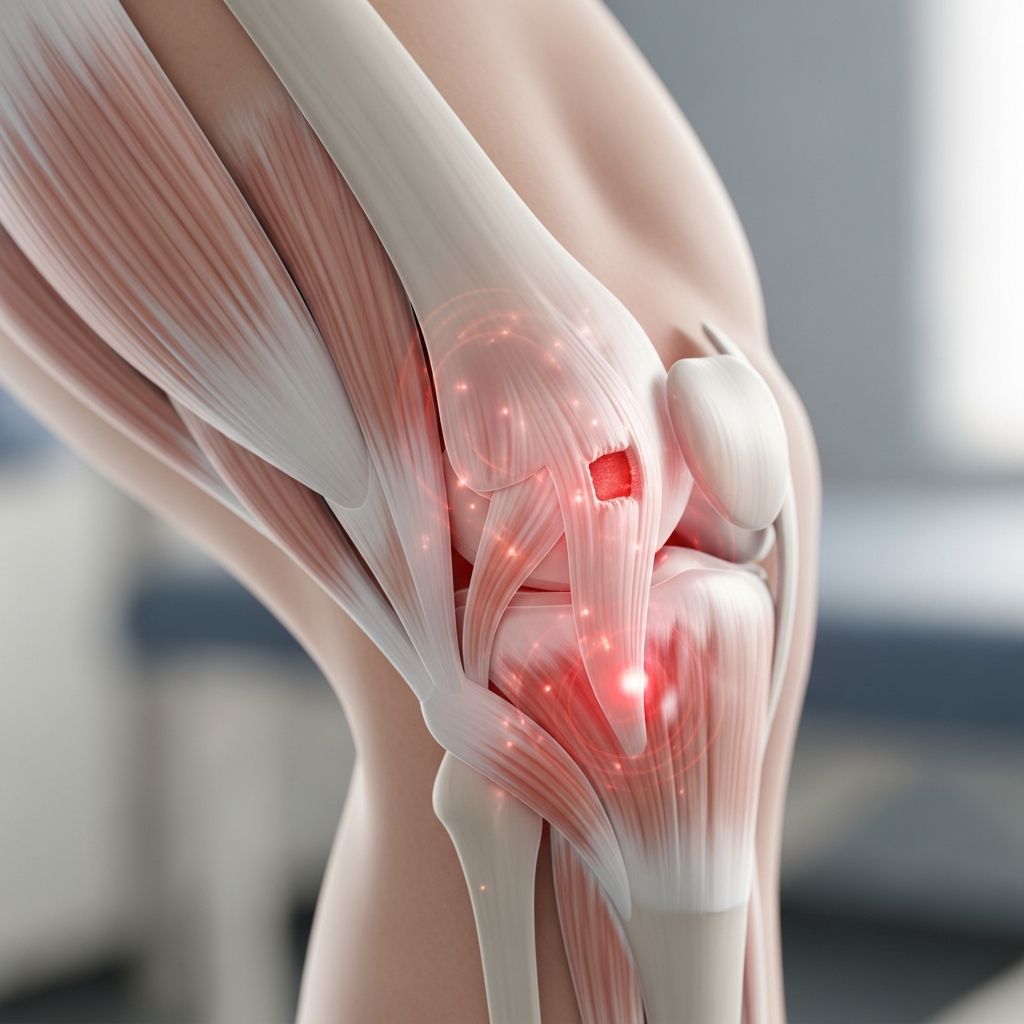
Soft tissue injuries are among the most common types of injuries affecting the musculoskeletal system. These injuries involve damage to muscles, tendons, and ligaments—the structures that provide support, flexibility, and movement to your body. Whether caused by acute trauma, overuse, or degenerative processes, soft tissue injuries can range from minor discomfort to severe disability. Understanding these injuries, their causes, symptoms, and treatment options is essential for proper recovery and preventing long-term complications.
What Are Soft Tissue Injuries?
Soft tissues are the non-skeletal structures that form and support the body, including muscles, tendons, ligaments, fascia, and connective tissue. These tissues work together to enable movement, provide structural support, and protect vital organs. When soft tissues are damaged through injury, disease, or trauma, they can cause significant pain, swelling, and loss of function.
Soft tissue injuries can occur in any part of the body but are most common in the neck, shoulders, lower back, knees, and ankles. The severity of soft tissue injuries varies widely, from minor micro-tears that heal quickly to complete ruptures requiring surgical intervention.
Types of Soft Tissue Injuries
Soft tissue injuries are classified into several distinct categories based on the type of tissue affected and the mechanism of injury.
Strains
Muscle strains, also called pulled muscles, occur when muscle fibers are stretched or torn. Strains typically result from overexertion, sudden movement, or inadequate warm-up before exercise. Common locations for muscle strains include the hamstring in the back of the thigh, the lower back, and the shoulder muscles. Strains are graded by severity: Grade 1 strains involve minor fiber damage with minimal loss of strength, Grade 2 strains involve partial tearing of muscle fibers with moderate pain and weakness, and Grade 3 strains represent complete rupture of the muscle.
Sprains
Ligament sprains occur when ligaments—the tough bands of tissue connecting bones—are stretched or torn. Sprains commonly affect the ankle, knee, and wrist and typically result from a sudden twisting motion or fall. Like strains, sprains are graded by severity, with Grade 1 being a mild stretch, Grade 2 involving partial tearing, and Grade 3 representing a complete tear that may cause joint instability.
Contusions
Contusions, commonly known as bruises, result from blunt trauma that damages muscle tissue and small blood vessels without breaking the skin. The resulting bleeding into the tissue causes the characteristic discoloration, swelling, and pain. Contusions can range from superficial bruises to deep muscle bruising that causes significant disability.
Tendinitis and Tenosynovitis
Tendinitis is inflammation of a tendon, the cord-like structure connecting muscle to bone. Tenosynovitis involves inflammation of the sheath surrounding a tendon. These conditions typically develop from repetitive overuse and are common in athletes and individuals with occupational demands. Common sites include the Achilles tendon, rotator cuff tendons in the shoulder, and extensor tendons in the wrist and elbow.
Causes of Soft Tissue Injuries
Soft tissue injuries result from various mechanisms and risk factors:
Acute Traumatic Causes
Traumatic soft tissue injuries occur from sudden, forceful events such as motor vehicle accidents, falls, sports collisions, or direct blows. These injuries typically cause immediate pain and swelling and may be accompanied by visible deformity or loss of function.
Related Stories



Overuse and Repetitive Strain
Chronic soft tissue injuries develop gradually from repetitive motions, poor ergonomics, or excessive activity without adequate rest. Common in athletes, office workers, and laborers, these injuries accumulate from microscopic damage that exceeds the tissue’s ability to repair itself.
Degenerative Conditions
Age-related degeneration of soft tissues can predispose individuals to injury. As we age, soft tissues thin and lose elasticity, making them more susceptible to tears and strains from minor trauma or normal activity.
Risk Factors
Several factors increase the likelihood of soft tissue injury, including previous injuries, poor physical conditioning, inadequate warm-up before exercise, muscle weakness or imbalance, and poor flexibility.
Symptoms of Soft Tissue Injuries
The symptoms of soft tissue injuries vary depending on the type and severity of injury but commonly include:
Pain: Ranging from mild aching to severe, sharp pain that worsens with movement or pressure.
Swelling: Inflammation of the injured tissue, sometimes appearing within minutes of injury.
Bruising: Discoloration of the skin resulting from bleeding into the damaged tissue.
Stiffness: Reduced range of motion in the affected joint or limb.
Weakness: Diminished strength in the injured area, particularly with muscle strains.
Muscle spasms: Involuntary muscle contractions that may accompany injury.
Loss of function: Inability to use the injured area normally, such as difficulty walking with an ankle sprain or limited shoulder movement with a rotator cuff injury.
Diagnosis of Soft Tissue Injuries
Healthcare providers use several methods to diagnose soft tissue injuries and determine appropriate treatment:
Physical Examination
A thorough physical examination is the first step in diagnosis. The healthcare provider assesses pain, swelling, range of motion, strength, and stability. Special maneuvers and tests help identify the specific structure involved and the severity of injury.
Imaging Studies
Imaging provides detailed visualization of soft tissue damage:
Ultrasound: Often the first imaging modality, ultrasound provides real-time imaging of muscles, tendons, and ligaments and can detect tears, inflammation, and fluid accumulation.
Magnetic Resonance Imaging (MRI): MRI provides detailed cross-sectional images and is particularly useful for evaluating complex injuries or suspected internal damage.
X-rays: While X-rays primarily show bone, they help rule out fractures and may show soft tissue swelling in some cases.
Computed Tomography (CT): CT scans provide detailed imaging of complex injuries and are particularly useful in trauma settings.
Laboratory Tests
While not typically needed for simple soft tissue injuries, laboratory tests may be ordered to rule out other conditions or assess inflammatory markers in certain situations.
Treatment Options for Soft Tissue Injuries
Treatment strategies depend on injury severity, location, and individual factors. Most soft tissue injuries follow a progressive treatment approach:
Acute Phase Management
Immediate treatment focuses on reducing pain, swelling, and further damage through the RICE protocol:
Rest: Avoiding activities that aggravate the injury allows tissues to begin healing.
Ice: Applying ice for 15-20 minutes every 2-3 hours during the first 48-72 hours reduces swelling and pain.
Compression: Wrapping the injured area with elastic bandages reduces swelling and provides support.
Elevation: Raising the injured area above heart level decreases swelling and promotes fluid drainage.
Medication
Over-the-counter nonsteroidal anti-inflammatory drugs (NSAIDs) such as ibuprofen or naproxen reduce pain and inflammation. For more severe injuries, prescription medications may be necessary. Muscle relaxants can relieve muscle spasms, and topical creams provide localized pain relief.
Physical Therapy
Physical therapy is central to soft tissue injury recovery. Therapists design individualized programs that progress through phases:
Early phase: Gentle range-of-motion exercises and pain management techniques.
Intermediate phase: Strengthening exercises as tolerated and progressive stretching.
Advanced phase: Sport-specific or function-specific training to restore full activity capacity.
Advanced Therapeutic Interventions
Corticosteroid injections: Injected directly into the injured area, corticosteroids reduce inflammation and pain, particularly effective for tendinitis and bursitis.
Platelet-rich plasma (PRP) therapy: This regenerative medicine technique uses concentrated platelets from the patient’s blood to promote healing.
Prolotherapy: Injection of irritant solutions stimulates the body’s natural healing response.
Radiofrequency ablation: Uses heat energy to reduce pain signals from damaged tissues.
Surgical Treatment
Surgery is reserved for severe injuries that don’t respond to conservative treatment, including complete ruptures of muscles or tendons, displaced or unstable ligament injuries, or significant tissue loss. Surgical options range from arthroscopic repairs to open surgical reconstruction, depending on the injury type and location.
Recovery and Prevention
Recovery time varies greatly depending on injury severity. Minor strains may resolve in 2-4 weeks, while severe injuries may require several months of rehabilitation. Gradual return to activity is essential to prevent re-injury.
Prevention strategies include maintaining good physical conditioning, proper warm-up and cool-down routines, using correct technique during exercise and work activities, maintaining flexibility through regular stretching, and avoiding sudden increases in activity intensity or duration.
Frequently Asked Questions
Q: How long does it take for a soft tissue injury to heal?
A: Healing time depends on injury severity. Minor strains may heal in 2-4 weeks, moderate injuries in 4-12 weeks, and severe injuries may require 3-6 months or longer, particularly if surgery is needed.
Q: Can I exercise with a soft tissue injury?
A: Early exercise should focus on gentle, pain-free movements. As healing progresses, gradually increase activity level under professional guidance. Avoid activities that cause pain during the acute phase.
Q: When should I see a healthcare provider for a soft tissue injury?
A: Seek immediate care for severe pain, significant swelling, inability to bear weight, signs of deformity, or injuries that don’t improve with conservative treatment. Minor injuries that respond well to rest and ice may not require professional evaluation.
Q: What’s the difference between a strain and a sprain?
A: Strains involve stretching or tearing of muscle fibers, while sprains involve ligament damage. Both cause similar symptoms but may require slightly different treatment approaches.
Q: Can soft tissue injuries become chronic?
A: Yes, inadequately treated soft tissue injuries can develop into chronic conditions with persistent pain, weakness, and instability. Proper treatment and rehabilitation significantly reduce this risk.
Q: Are there newer treatments for soft tissue injuries?
A: Advanced treatments like platelet-rich plasma therapy, prolotherapy, and radiofrequency ablation show promise for certain soft tissue injuries, though research is ongoing regarding their optimal use.
Q: How can I prevent soft tissue injuries?
A: Maintain good physical fitness, use proper technique during exercise and work, warm up before activity, stretch regularly, avoid sudden increases in activity level, and use appropriate protective equipment when necessary.
References
- Soft Tissue Injuries Overview — Johns Hopkins Medicine. Available at: https://www.hopkinsmedicine.org/health/conditions-and-diseases/soft-tissue-injuries
- Soft Tissue Loss and How it is Restored — Johns Hopkins Medicine Research. 2019-05-06. https://www.hopkinsmedicine.org
- Emergency Care for Musculoskeletal Injuries — American Academy of Orthopaedic Surgeons. https://www.aaos.org
- Physical Medicine and Rehabilitation Standards — American Medical Association. https://www.ama-assn.org
- Rehabilitation After Soft Tissue Injury — National Institutes of Health. https://www.nih.gov
Similar Articles








Read full bio of Sneha Tete