Solar Comedo: What You Need To Know About Causes & Treatment
Understanding solar comedones: causes, symptoms, diagnosis, and effective treatments for sun-damaged skin.
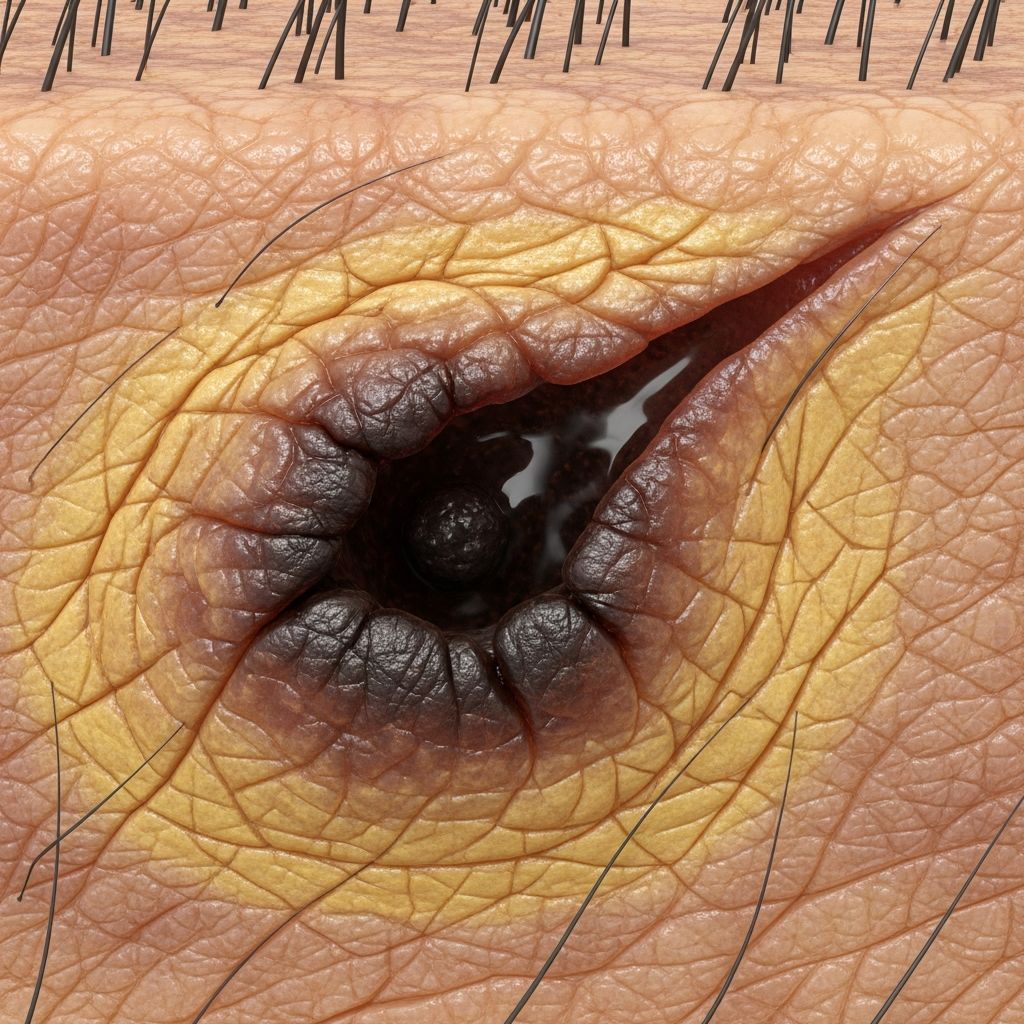
A
solar comedo
(plural: solar comedones), also known as asenile comedo
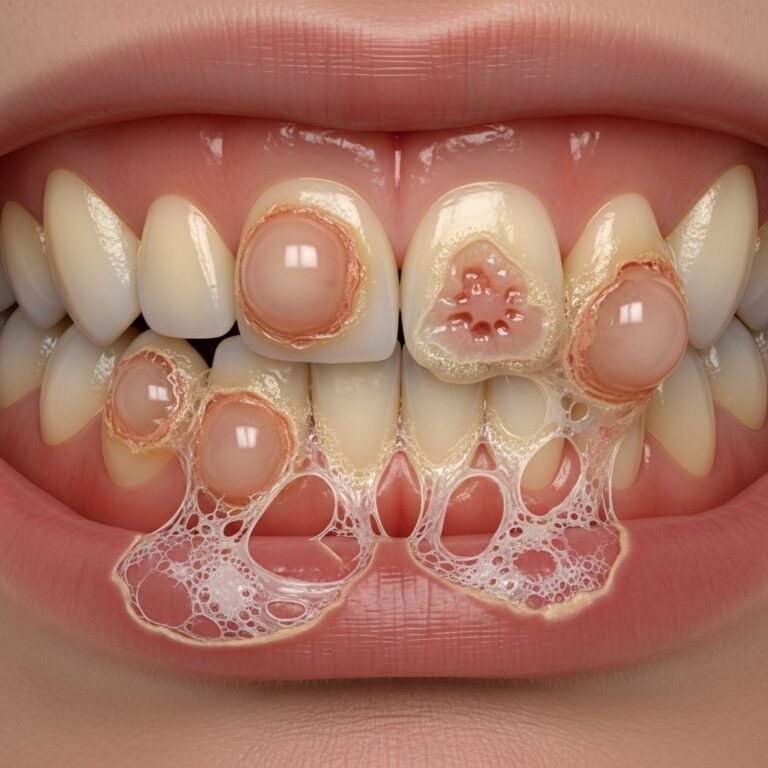
, is a small, skin-coloured papule commonly found on the face of middle-aged or older individuals. These lesions primarily affect areas of the skin that have undergone chronic exposure to ultraviolet (UV) radiation from sunlight, leading to actinic damage over many years.Solar comedones differ significantly from the comedones observed in
acne vulgaris
. They are typicallynon-inflammatory
, appearing as open (**blackheads**) or closed (**whiteheads**) plugs without surrounding redness or tenderness. This distinction is crucial for accurate diagnosis and appropriate management.What is a solar comedo?
Solar comedones represent a cutaneous manifestation of prolonged photoageing. They form due to the accumulation of keratin and sebum within dilated pilosebaceous units, exacerbated by the structural weakening of the skin’s dermal framework. Unlike youthful acne comedones, which stem from hormonal influences and bacterial overgrowth, solar comedones arise from degenerative changes in the skin induced by cumulative UV exposure.
These papules are usually 1–3 mm in diameter, firm, and yellowish or skin-toned. They cluster in sun-exposed regions such as the malar cheeks, periorbital areas, temples, and upper neck. The surrounding skin often exhibits signs of
solar elastosis
, including a yellowish hue, leathery texture, and fine to deep wrinkles.Who gets solar comedones?
Solar comedones predominantly affect individuals over the age of 50, with a prevalence of approximately 6% in this demographic, particularly those with fair skin types (Fitzpatrick I–III) who have experienced decades of unprotected sun exposure.
Key risk factors include:
- Chronic UV exposure: Outdoor workers, residents in sunny climates, or avid sunbathers are at highest risk.
- Smoking: Tobacco use accelerates skin ageing through oxidative stress, compounding UV damage. Heavy smokers (e.g., >1 pack/day) show earlier and more severe manifestations.
- Acnegenic agents: Long-term use of corticosteroids, anticonvulsants, or heavy occlusive cosmetics can promote comedo formation in actinically damaged skin.
- Radiotherapy history: A rare mimic occurs post-radiation therapy, with lesions appearing 2 weeks to 6 months after treatment due to altered connective tissue framework.
- Genetic predisposition: Fair-skinned individuals with reduced melanin protection develop elastosis and comedones sooner.
Men and women are equally affected, though men may present with more pronounced periorbital involvement due to patterns of sun exposure and shaving practices.
What causes solar comedones?
The pathogenesis involves a interplay of UV-induced dermal degeneration and pilosebaceous dysfunction:
- Solar elastosis: UV radiation degrades collagen and elastin, replacing normal dermis with abnormal elastotic material. This loosens the skin’s architecture, causing pores to dilate permanently.
- Sebum retention: Weakened follicular walls fail to expel keratinized debris and lipids, leading to comedo formation. Ultrastructural studies confirm altered connective tissue frameworks trap sebum.
- Oxidative stress: Free radicals from UV and smoking damage keratinocytes, increasing abnormal keratin production and hyperkeratosis.
- Product buildup: In modern contexts, heavy sunscreens, moisturizers, and sweat can exacerbate plugging in already compromised pores, especially on the chest and shoulders.
Related Stories



Histologically, biopsies reveal dilated follicles filled with laminated keratin, basket-weave orthokeratosis, and solar elastosis in the dermis—no inflammation or bacteria, distinguishing them from acne.
What are the clinical features of solar comedo?
Solar comedones present as clusters of 1–5 mm papules on actinically weathered skin:
- Morphology: Open (dark, oxidized keratin) or closed comedones; occasionally cystic nodules up to 1 cm.
- Distribution: Bilateral malar cheeks (most common), periorbital, temples, lateral neck; spares covered areas like the upper eyelids.
- Associated signs: Yellowish atrophy, telangiectasia, rhytides, cutis rhomboidalis nuchae (deep neck furrows).
- Solar elastosis: Leathery texture, deep furrows; hallmark of Favre-Racouchot syndrome when comedones + cysts + elastosis coexist.
| Feature | Solar Comedones | Acne Comedones |
|---|---|---|
| Age Group | >50 years | Teens/young adults |
| Location | Sun-exposed face/neck | Face, back, chest |
| Inflammation | Absent | Often present |
| Cause | UV + smoking | Hormones + bacteria |
| Associations | Elastosis, cysts | Pustules, nodules |
Diagnosis
Diagnosis is clinical, based on characteristic appearance in actinically damaged skin of older patients. Key differentiators:
- History of sun exposure/smoking.
- Absence of inflammation or family history of acne.
- Clustering on weathered skin with elastosis.
Dermoscopy shows yellowish plugs in dilated ostia with surrounding elastotic changes. Biopsy, if needed, confirms keratin plugs and dermal solar elastosis without Propionibacterium acnes or rupture.
Differential includes:
- Acne comedonal.
- Drug-induced comedones.
- Radiotherapy-induced (unilateral, history-dependent).
- Multiple trichoepitheliomas (firmer, inherited).
Favre–Racouchot Syndrome
When solar comedones associate with extensive
solar elastosis
and largerpseudocysts
(up to 3 cm, filled with keratin/lipids), the condition is termedFavre–Racouchot syndrome
. First described in 1932, it classically involves periorbital skin, temples, and lateral neck.Cysts are non-tender, fluctuant, and translucent; rupture releases foul-smelling debris but rarely infects. Psychosocial impact is significant due to cosmetic disfigurement. Cutis rhomboidalis nuchae often coexists on the posterior neck.
Management
Treatment focuses on retinoids, extraction, sun protection, and procedural interventions. Recurrence is common without maintenance.
Topical therapies
- Retinoids: Adapalene 0.1% gel, tretinoin 0.025–0.1%, or tazarotene nightly; normalize keratinization, expel plugs. Improvement in 3–6 months.
- Azelaic acid 20%: Reduces keratin buildup.
- Salicylic acid 2%: Mild comedolysis.
Procedural treatments
- Comedo extraction: Manual removal with curette; immediate cosmetic benefit.
- Electrocautery/laser ablation: CO2 or erbium:YAG for superficial lesions; risk of scarring.
- Chemical peels: TCA 15–25% or Jessner’s for resurfacing.
- Microneedling/Jet plasma: Stimulates collagen to tighten pores in early stages.
- Surgery: Excision or stitching for advanced, stretched pores; last resort.
For radiotherapy-induced cases
Adapalene gel yields partial resolution in 3 months; combine with UV avoidance.
Sun protection: Broad-spectrum SPF 50+ daily, hats, UPF clothing—essential to halt progression.
Prevention
- Daily SPF 30+ on face/neck/chest, reapply every 2 hours outdoors.
- Avoid smoking/secondhand smoke.
- Gentle cleansing twice daily, exfoliate 2–3x/week with AHAs.
- Regular dermatology check-ups for early intervention.
- Use non-comedogenic products; avoid heavy occlusives on damaged skin.
Frequently Asked Questions (FAQs)
Q: Can solar comedones be mistaken for acne?
A: Yes, but solar comedones lack inflammation, affect older sun-exposed skin, and associate with elastosis, unlike hormonal acne in youth.
Q: Do solar comedones go away on their own?
A: No, they are permanent structural changes; treatments manage appearance but require ongoing care to prevent worsening.
Q: Is smoking a major cause?
A: Yes, it synergizes with UV damage, accelerating elastosis and comedo formation.
Q: What is the best home treatment?
A: Topical retinoids plus rigorous sun protection; consult a dermatologist before starting.
Q: Can lasers cure them permanently?
A: Lasers ablate visible lesions but do not address underlying elastosis; recurrence is common without prevention.
References
- Radiotherapy-induced “solar” comedones — Department of Dermatology, Tri-Service General Hospital. 2012-06-12. https://pmc.ncbi.nlm.nih.gov/articles/PMC3519159/
- Solar Comedones: The Sneaky Summer Skin Concern You Need to Know About — Skin by Tatum. 2023-01-01. https://www.skinbytatum.com/blogs/news/%E2%98%80%EF%B8%8F-solar-comedones-the-sneaky-summer-skin-concern-you-need-to-know-about
- Solar Comedo (Solar Comedones) — DermNet NZ. 2024-01-01. https://dermnetnz.org/topics/solar-comedo
- How are solar comedones treated? — Dr. Oracle. 2024-01-01. https://www.droracle.ai/articles/482748/how-are-solar-comedones-treated
- Microcomedone Acne Treatment In Gainesville, FL — Gainesville Dermatology Skin Surgery. 2023-01-01. https://www.gainesvilledermatologyskinsurgery.com/microcomedones/
Similar Articles








Read full bio of Sneha Tete