Solar Eclipse Health Effects: Facts vs. Myths
Understand the real health risks of solar eclipses and separate science from myth.
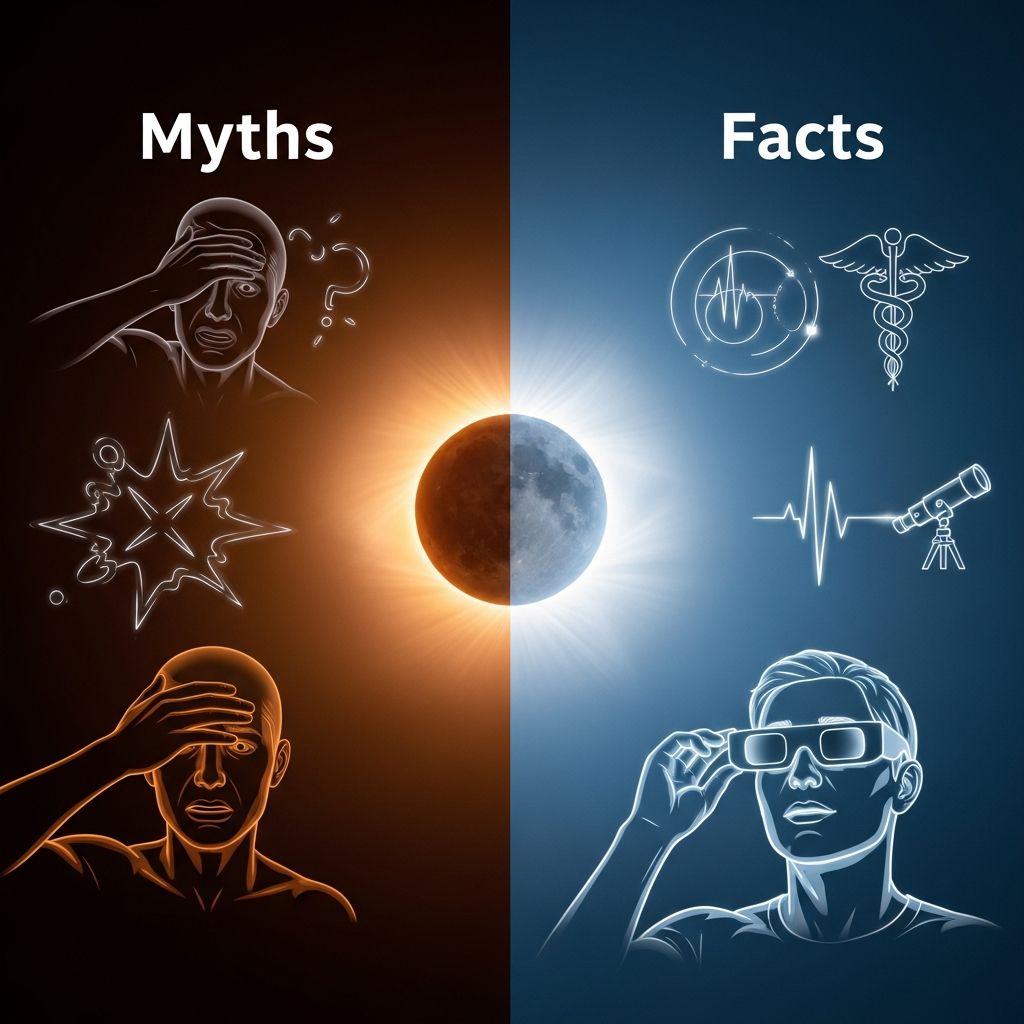
Understanding Solar Eclipse Health Effects: Science vs. Myth
Solar eclipses have captivated human imagination for centuries, inspiring wonder, cultural rituals, and—increasingly—health concerns. With the next significant solar eclipse approaching, questions about potential health impacts are resurfacing across social media, emergency rooms, and medical offices. Are eclipses truly a health risk, or are these concerns rooted in folklore and psychological suggestion? The answer is more nuanced than a simple yes or no.
The scientific consensus is clear: a solar eclipse poses no direct physiological threat to human health, with one critical exception—unsafe viewing practices that can cause permanent eye damage. However, the eclipse experience itself can trigger psychological and stress-related responses that explain why some individuals report feeling unwell during and after these celestial events. Understanding the actual risks while debunking persistent myths is essential for approaching the next eclipse with both wonder and wisdom.
The Eye Safety Risk: The Real Health Concern
While most eclipse health claims lack scientific support, one risk is entirely real and well-documented: permanent vision loss from unsafe eclipse viewing. Looking directly at the sun during a solar eclipse without proper protection can cause a condition called solar retinopathy, which results in irreversible damage to the retinal tissue at the back of the eye.
The danger lies in how the eclipse masks the sun’s intensity. During partial phases of an eclipse, the moon blocks part of the sun’s light, making it appear less bright than normal sunlight. However, the remaining crescent sun is still intense enough to burn the retina. Even when 99% of the sun is obscured, the remaining 1% can cause serious damage. In the most severe cases, solar retinopathy leads to permanent vision loss and even blindness.
Safe Eclipse Viewing Practices
- Use ISO 12312-2 certified eclipse glasses: These specially designed solar viewing glasses filter out harmful ultraviolet, visible, and infrared radiation. Authentic eclipse glasses are dark enough that you cannot see anything through them except the sun during an eclipse.
- Never look directly at the sun: The only exception is during totality—the brief period when the moon completely blocks the sun—which occurs only within the narrow path of totality and lasts just a few minutes.
- Use indirect viewing methods: Pinhole projectors and special eclipse projection devices allow you to safely view the eclipse by projecting the sun’s image onto a surface rather than looking at it directly.
- Check your location: Depending on where you live, you may or may not be in the path of totality. If you are outside this path, you must always use a safe solar filter to view the sun directly.
- Protect eyes after the eclipse: Continue using eye protection when outside, as prolonged exposure to solar radiation can cause cumulative damage.
If you experience any vision problems before or after an eclipse, schedule an appointment with an eye care professional immediately. Early detection and treatment can help preserve vision.
“Eclipse Sickness”: Psychological Effects and Stress Responses
Beyond eye safety, many people report experiencing symptoms they attribute to “eclipse sickness,” a condition that lacks scientific validation. Reported symptoms include fatigue, balance issues, vivid dreams, sleepwalking, flu-like symptoms, anxiety, confusion, and even heightened sensitivity to electronic devices.
The root cause of these reports is not the eclipse itself but rather the psychological and physiological response to an unusual event. When people encounter something outside their normal experience—especially something that temporarily darkens the sky and alters the environment—their bodies can respond in measurable ways.
Related Stories



The Stress Hormone Connection
According to medical researchers, the eclipse experience can trigger an increase in cortisol and stress hormones like epinephrine and norepinephrine. These hormonal shifts occur because the body interprets the unusual event as a potential threat, activating the “fight or flight” response. This hormonal cascade can produce real physical effects, including elevated heart rate, increased blood pressure, faster breathing, increased blood flow to muscles, and glucose release into the bloodstream. The result? People genuinely feel tired, anxious, or “off” during and after the eclipse, not because the eclipse itself caused physiological damage, but because their stress response system was activated.
The Social Reinforcement Effect
Another significant factor in eclipse sickness reports is social psychology. When multiple people in a community begin reporting symptoms, it creates a feedback loop. Other observers, hearing about these experiences, begin scanning their own bodies more carefully for signs of illness. This heightened self-awareness increases the likelihood that normal, everyday sensations are interpreted as symptoms of eclipse sickness—a phenomenon known as psychosomatic response or the power of suggestion. In essence, learning that others felt unwell during an eclipse makes it more likely that you will interpret your own bodily sensations as eclipse-related.
Sleep, Circadian Rhythms, and Eclipse Effects
One area where eclipses may have a subtle biological effect is on sleep and circadian rhythm regulation. The sudden drop in light levels during an eclipse can momentarily confuse the body’s internal clock, creating a temporary “jet lag” effect for some sensitive individuals. This occurs because the circadian rhythm—the body’s 24-hour biological cycle—is regulated partly by light exposure. An unexpected midday darkness can send mixed signals to the brain about what time of day it is.
However, this effect is typically brief and mild. For most people, normal sleep patterns resume within a day or two. Individuals who are particularly sensitive to light changes or those with existing sleep disorders may notice more pronounced effects, but significant, long-term sleep disruption is uncommon.
Eclipse and Pregnancy: Separating Tradition from Evidence
Many cultures, including Indian traditions, advise pregnant women to remain indoors during a solar eclipse. The traditional belief is that eclipse exposure could harm the developing fetus. However, there is no scientific evidence supporting a direct link between eclipse exposure and adverse pregnancy outcomes.
What may explain this tradition is the psychological component: since eclipses can trigger anxiety and emotional distress in some individuals, and since pregnant women are particularly vulnerable to stress-related complications, cultural practices may have evolved to keep expectant mothers calm and indoors during these events. The practice prioritizes mental and emotional well-being—reducing stress and fatigue—rather than protecting against any direct eclipse-related harm.
Pregnant women should focus on the genuine health priorities: managing stress, maintaining good nutrition, getting adequate rest, and following standard prenatal care recommendations. These practices serve fetal health far more effectively than avoiding eclipse exposure.
Traditional Beliefs and Food Safety During Eclipses
Ancient Indian texts advised against cooking or eating food during an eclipse, based on the belief that harmful eclipse rays could contaminate meals. From a modern scientific perspective, there is no evidence that eclipse radiation contaminates food or makes it unsafe to eat.
However, there may be a practical explanation for this ancient wisdom. In pre-modern times, when people remained indoors during eclipses and stayed away from cooking fires, food that was prepared and left exposed at room temperature for extended periods could indeed spoil—not because of eclipse rays, but because of natural decomposition and bacterial growth. The practice of discarding cooked food after an eclipse and preparing fresh meals may have originated as a food safety measure, later attributed to eclipse-related contamination.
Today, food safety depends on proper storage, temperature control, and hygiene practices—not on whether an eclipse is occurring.
What Scientific Research Actually Shows
Clinical research on eclipses and human health reveals mixed and limited findings. A 2019 study published in Innovations in Clinical Neuroscience found “no real association between lunar and solar behavior and the actions of patients with psychiatric disorders.” Some older research from 1981 reported hormonal changes and behavioral abnormalities in patients with schizophrenia immediately after an eclipse, but these findings have not been consistently replicated and remain poorly understood.
Interestingly, some research has suggested a reduction in suicide rates ahead of solar eclipses, though the mechanism and reliability of this finding remain unclear. Overall, the scientific literature does not support the idea that eclipses cause widespread health problems in the general population.
The Psychological Reframe: What Eclipses Actually Offer
Rather than viewing eclipses primarily through the lens of health risk, many mental health professionals and psychologists suggest reframing the eclipse experience. Eclipses are rare, awe-inspiring events that break daily routine and encourage reflection. In Ayurvedic and yoga traditions, eclipses are seen as a time for meditation, introspection, and spiritual renewal. Modern psychology resonates with this perspective: unusual events naturally prompt us to pause, consider our place in the universe, and reconnect with what matters.
For many people, an eclipse becomes a moment of quiet introspection rather than a health threat—a time when nature seems to press a pause button on ordinary life.
Frequently Asked Questions About Solar Eclipse Health Effects
Q: Can a solar eclipse cause “eclipse sickness”?
A: Eclipse sickness is not a scientifically recognized condition. However, people may experience stress-related symptoms—fatigue, anxiety, or dizziness—due to excitement and heightened cortisol levels triggered by the unusual event. Social reinforcement, where people report symptoms they expect to experience based on others’ reports, also plays a role.
Q: Is it dangerous to look at a solar eclipse?
A: Yes, looking directly at the sun during a solar eclipse without proper eye protection can cause permanent vision loss through solar retinopathy. Always use ISO 12312-2 certified eclipse glasses or indirect viewing methods. The only safe time to look directly at the sun is during totality, when the moon completely blocks the sun.
Q: Can an eclipse affect sleep or circadian rhythms?
A: The sudden darkness during an eclipse may temporarily confuse the body’s internal clock, potentially causing mild, brief sleep disruption in some sensitive individuals. This effect typically resolves within a day or two and is not a serious health concern.
Q: Should pregnant women avoid eclipses?
A: There is no scientific evidence that eclipse exposure harms pregnancy. However, since eclipses can trigger anxiety in some people, and stress management is important during pregnancy, remaining calm and indoors if that reduces anxiety is a reasonable choice for comfort rather than medical necessity.
Q: Does eclipse food contamination occur?
A: No. There is no evidence that eclipse radiation contaminates food. This ancient belief likely originated as a practical food safety measure in pre-modern times when food left at room temperature during indoor stays could spoil naturally.
Q: What should I do if I experience vision problems after an eclipse?
A: Schedule an appointment with an eye care professional immediately. Solar retinopathy symptoms may not appear instantly, and early treatment is important for preserving vision.
Key Takeaways: Eclipse Health and Safety
Solar eclipses are remarkable celestial events that inspire awe and wonder. The evidence is clear: eclipses do not pose a direct health threat to the human body, despite persistent claims of eclipse sickness. The only real health risk is permanent eye damage from unsafe viewing practices.
Stress-related symptoms some people experience are real but attributable to psychological and physiological responses to an extraordinary event—not to any direct eclipse effect. Sleep disruptions and mood changes are typically mild and temporary. Traditional beliefs about food contamination and pregnancy risks lack scientific support.
The best approach to experiencing a solar eclipse safely is to use proper eye protection, embrace the psychological benefits of witnessing a rare natural phenomenon, and enjoy this moment of cosmic connection with confidence in both the wonder and the science behind it.
References
- Prepare the Emergency Room: A Total Solar Eclipse Is Approaching — MDLinx. Accessed January 27, 2026. https://www.mdlinx.com/article/prepare-the-emergency-room-a-total-solar-eclipse-is-approaching-and-people-will-claim-eclipse/4UOH5fBS8b34KZB9JlYBo0
- Solar Eclipse Safety: What You Should Know — NEW Health Center. Accessed January 27, 2026. https://newhealthcenter.org/solar-eclipse-safety/
- Solar Eclipse 2025: How It Will Impact Your Health, Check Details — Times of India. Accessed January 27, 2026. https://timesofindia.indiatimes.com/life-style/health-fitness/health-news/solar-eclipse-2025-how-it-will-impact-your-health-check-details/articleshow/124013457.cms
- Essential Solar Eclipse Safety — Rutland Regional Medical Center. Accessed January 27, 2026. https://www.rrmc.org/news-media/healthy-together/health-wellness/essential-solar-eclipse-safety/
- Solar Eclipse Survey: 1 in 3 Don’t Understand Health Risks to Eyes — Local 12 Cincinnati. Accessed January 27, 2026. https://local12.com/health/health-updates/solar-eclipse-survey-1-in-3-dont-understand-health-risks-eyes-healthcare-education-educational-retina-damage-person-central-vision-light-sensitive-layer-issue-back-eyeball-cincinnati-natural-disasters-sleep-problems-mental-issues-concerns
Similar Articles








Read full bio of Sneha Tete