Solar Elastosis: Causes, Symptoms, And Best Treatments
Understanding solar elastosis: causes, clinical features, diagnosis, and effective treatments for sun-induced skin damage.
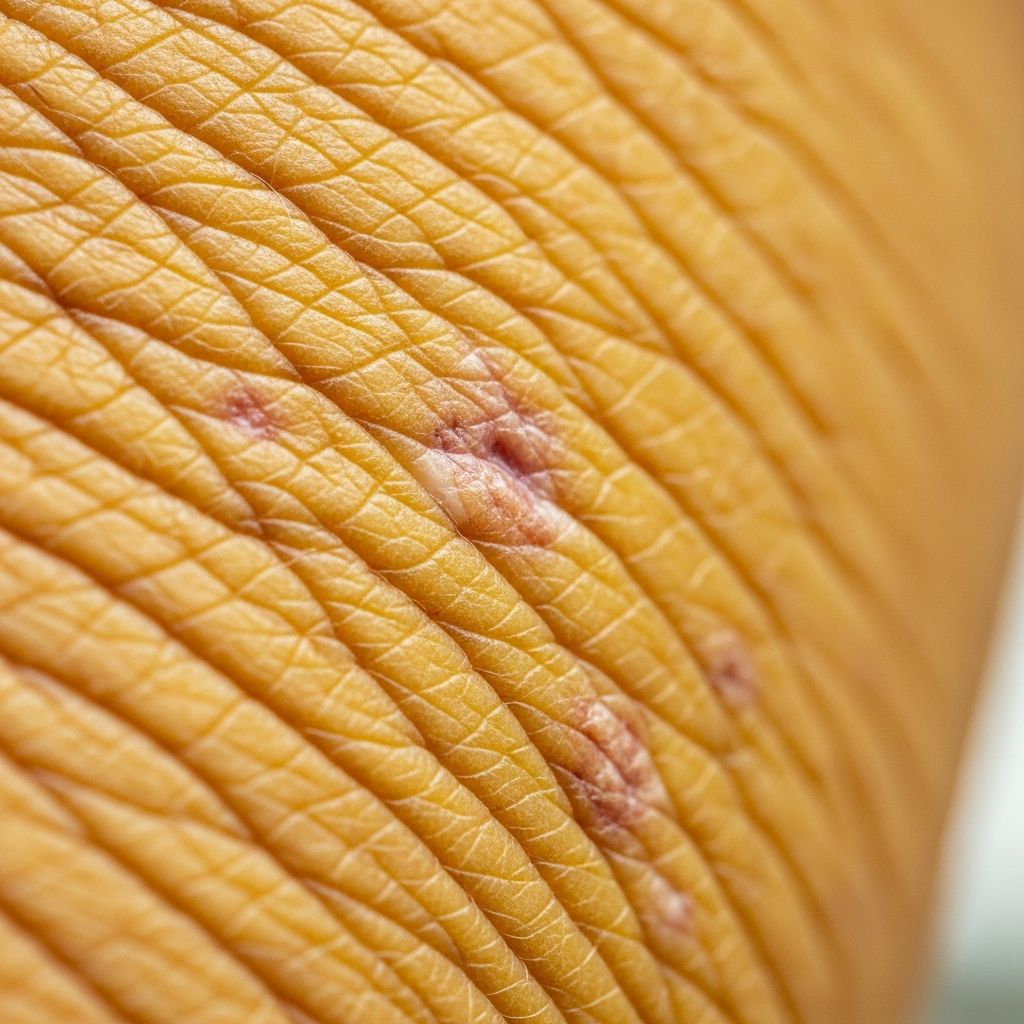
Solar elastosis, also known as actinic elastosis, is a degenerative skin condition resulting from prolonged ultraviolet (UV) radiation exposure. It manifests as premature skin aging, primarily affecting sun-exposed areas like the face, neck, and dorsal hands. This condition involves abnormal accumulation of elastotic material in the dermis, leading to characteristic clinical and histological changes. While not life-threatening, it signals significant photodamage and increased skin cancer risk.
What is Solar Elastosis?
Solar elastosis represents the skin’s response to cumulative UV damage over years. It is a hallmark of photoaging, where UV rays disrupt the normal architecture of dermal extracellular matrix components, particularly elastic fibers and collagen. The term ‘elastosis’ derives from the excessive, abnormal elastin deposition that replaces functional dermis. Clinically, it presents as coarse, wrinkled skin with a yellowish hue, often described as ‘leather-like’ or ‘cobblestoned.’ This condition is ubiquitous in fair-skinned individuals with outdoor occupations or recreational sun exposure histories.
Unlike intrinsic aging, which is uniform and atrophic, solar elastosis is localized to photoexposed sites. It affects all skin phototypes but is more visibly pronounced in lighter skin tones due to the stark yellow discoloration against pale backgrounds. Histologically, it features a subepidermal grenz zone of normal collagen overlying masses of basophilic, fragmented elastic fibers in the upper dermis.
Who gets Solar Elastosis?
Solar elastosis predominantly affects middle-aged to elderly individuals with a history of chronic sun exposure. Risk factors include:
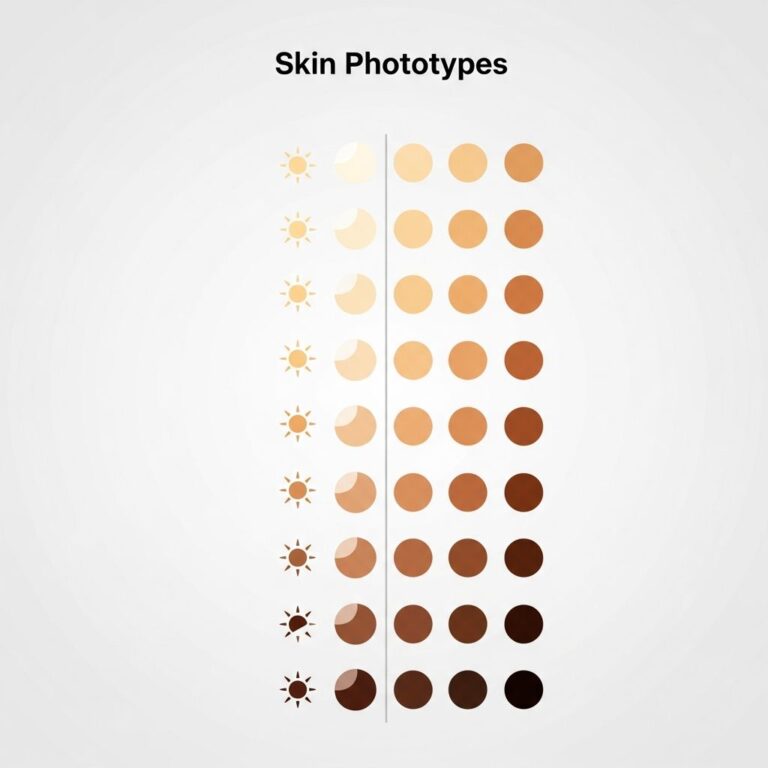
- Fair skin phototypes (Fitzpatrick I-II), where melanin offers less natural protection.
- Outdoor occupations (farmers, sailors, construction workers).
- Recreational sunbathing or tanning bed use.
- Residence in high-UV regions near the equator.
- Smoking, which exacerbates photoaging through oxidative stress.
Males may show more severe periorbital involvement, as seen in Favre-Racouchot syndrome. Genetic predispositions, such as defects in DNA repair (e.g., xeroderma pigmentosum), accelerate onset in younger patients.
Clinical Features of Solar Elastosis
Solar elastosis imparts a distinctive appearance to chronically sun-exposed skin. Key clinical features include:
- Yellowish discoloration: A sallow, citrine hue due to elastotic material accumulation, most evident on the cheeks, forehead, and neck.
- Skin texture changes: Rough, thickened, furrowed, or cobblestoned surface resembling worn leather.
- Wrinkles and laxity: Deep rhytides, especially perioral and periorbital, with loss of elasticity.
- Comedones and cysts: Open comedones in elastotic plaques, characteristic of Favre-Racouchot syndrome on malar cheeks and temples.
- Associated signs: Telangiectasias, actinic keratoses, irregular pigmentation, and solar lentigines.
Symptoms are usually asymptomatic, though some report mild pruritus or burning. Advanced cases may show hypertrophic sebaceous glands or cutis rhomboidalis nuchae on the posterior neck.
Diagnosis of Solar Elastosis
Diagnosis is primarily clinical, based on history of sun exposure and characteristic morphology in photoexposed sites. Dermoscopy reveals yellow-orange clods corresponding to elastotic masses. Confirmation requires skin biopsy, showing:
- A thin subepidermal grenz zone of preserved collagen.
- Accumulation of amorphous, basophilic elastotic material in the papillary dermis (Verhoeff-van Gieson stain highlights abnormal elastic fibers).
- Fragmented, clumped elastic fibers replacing normal dermis.
Differential diagnoses include:
| Condition | Key Distinguishing Features |
|---|---|
| Milian’s citrine skin | Atrophic variant with telangiectasias, sebaceous hyperplasia, chronic erythema. |
| Favre-Racouchot syndrome | Elastotic plaques with comedones, cysts; periorbital/malar predominance. |
| Pseudoxanthoma elasticum | Systemic; yellow papules with ‘plucked chicken’ appearance; biopsy shows calcified elastic fibers. |
| Collagenous and elastotic marginal plaques of the neck | Asymmetric neck plaques; more collagenous component. |
Related Stories



Rule out malignancy if plaques ulcerate or grow rapidly.
Pathophysiology of Solar Elastosis
Chronic UV exposure (UVA and UVB) triggers a cascade of dermal damage. Initially, UV induces elastic fiber hyperplasia. Fibers then become coarse, twisted, and basophilic, forming dense masses. Mechanisms include:
- Matrix metalloproteinase (MMP) activation: UV upregulates MMP-1, -2, -3, degrading collagen and elastin.
- Abnormal elastogenesis: Fibroblasts produce tropoelastin that aggregates into non-functional elastotic material rather than mature fibers.
- Oxidative stress and inflammation: Reactive oxygen species (ROS) from UV damage DNA, lipids, and proteins. Mast cell degranulation and lymphocytic infiltrates contribute to elastolysis.
- Elafin role: UV-stimulated elafin crystallizes elastin, promoting irreversible aggregates.
This biphasic process—synthetic then degradative—culminates in dermal crowding by elastotic deposits, displacing functional structures.
Treatment of Solar Elastosis
Treatment focuses on prevention, symptom amelioration, and restoration. No therapy fully reverses damage, but combinations improve cosmesis.
Prevention
- Broad-spectrum SPF 50+ sunscreen daily.
- Protective clothing, hats, sunglasses.
- Avoid peak UV hours (10 AM-4 PM).
- Smoking cessation.
Topical Therapies
- Retinoids: Tretinoin 0.025-0.1% nightly stimulates collagen, reduces elastosis. Start low to minimize irritation.
- Alpha hydroxy acids (AHAs): 10-20% glycolic/lactic acid morning use exfoliates and thickens epidermis.
- Antioxidants: Vitamins C/E, niacinamide combat ROS.
- Salicylic acid/benzoyl peroxide for comedones.
Procedural Interventions
- Chemical peels: Medium-depth TCA or Jessner’s solution resurfaces skin.
- Laser resurfacing: Fractional CO2, Erbium:YAG for precise dermal remodeling.
- Dermabrasion/microdermabrasion: Smooths texture.
- Comedone extraction/Isolaz: Clears follicles.
- Microcurrent, LED, microchanneling as adjuncts.
Optimal regimen: Topical retinoid PM + AHA AM, escalating concentrations; add lasers for severe cases.
Advanced Variants
- Favre-Racouchot: Retinoids + extractions; isotretinoin if refractory.
- Actinic granuloma: Annular plaques; hydroxychloroquine.
Frequently Asked Questions
Q: Is solar elastosis a sign of skin cancer?
A: Not directly, but it indicates high cumulative UV dose, elevating risks for actinic keratosis, squamous cell carcinoma, and melanoma.
Q: Can solar elastosis be reversed?
A: Partially; treatments improve appearance but cannot fully restore young dermis. Prevention halts progression.
Q: How long until topical retinoids work?
A: Visible improvements in 3-6 months with consistent use; irritation common initially.
Q: Are lasers safe for solar elastosis?
A: Yes, fractional lasers are effective and safe with proper downtime management; multiple sessions needed.
Q: Does smoking worsen solar elastosis?
A: Yes, nicotine and toxins amplify UV-induced damage via vasoconstriction and ROS.
References
- Actinic (solar) elastosis (Other chronic dermatitis due to solar radiation) — Dermatology Advisor / Decision Support in Medicine. 2017. https://www.dermatologyadvisor.com/home/decision-support-in-medicine/dermatology/actinic-solar-elastosis-other-chronic-dermatitis-due-to-solar-radiation/
- Solar Elastosis Explained: Causes, Symptoms, and Treatment Options — Radiant Derm TX. 2023. https://www.radiantdermtx.com/post/what-is-solar-elastosis-and-how-is-it-treated
- What Is Solar Elastosis and How Is It Treated? — Derm Partners Boca Raton. 2023. https://www.dermpartnersbocaraton.com/uncategorized/what-is-solar-elastosis-and-how-is-it-treated/
- Esthetician’s Guide to Solar Elastosis — ASCP Skincare. 2023. https://www.ascpskincare.com/updates/blog-posts/estheticians-guide-solar-elastosis
- Understanding Solar Skin Elastosis-Cause and Treatment — PubMed / Ueda et al. 2018-07-31. https://pubmed.ncbi.nlm.nih.gov/30052192/
- Fact Sheet on Solar Elastosis — CANSA (Cancer Association of South Africa). 2021-05. https://cansa.org.za/files/2021/05/Fact-Sheet-on-Solar-Elastosis-May-2021.pdf
Similar Articles








Read full bio of medha deb