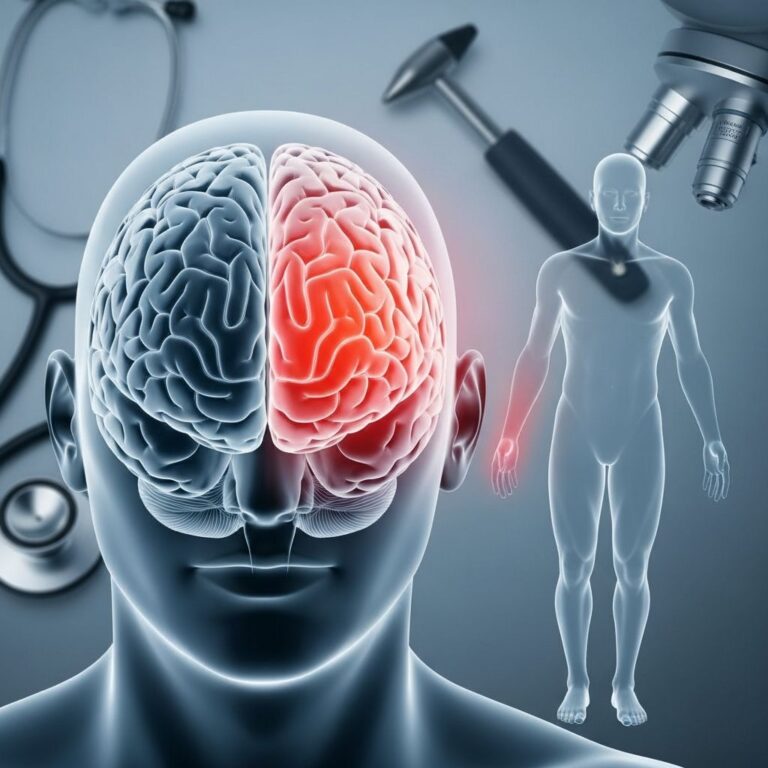
Solar Flares Health Effects: 5 Ways To Lower Stroke Risk
Can solar flares and geomagnetic storms increase stroke risk? Explore the science, risks, and protective steps for vulnerable individuals.
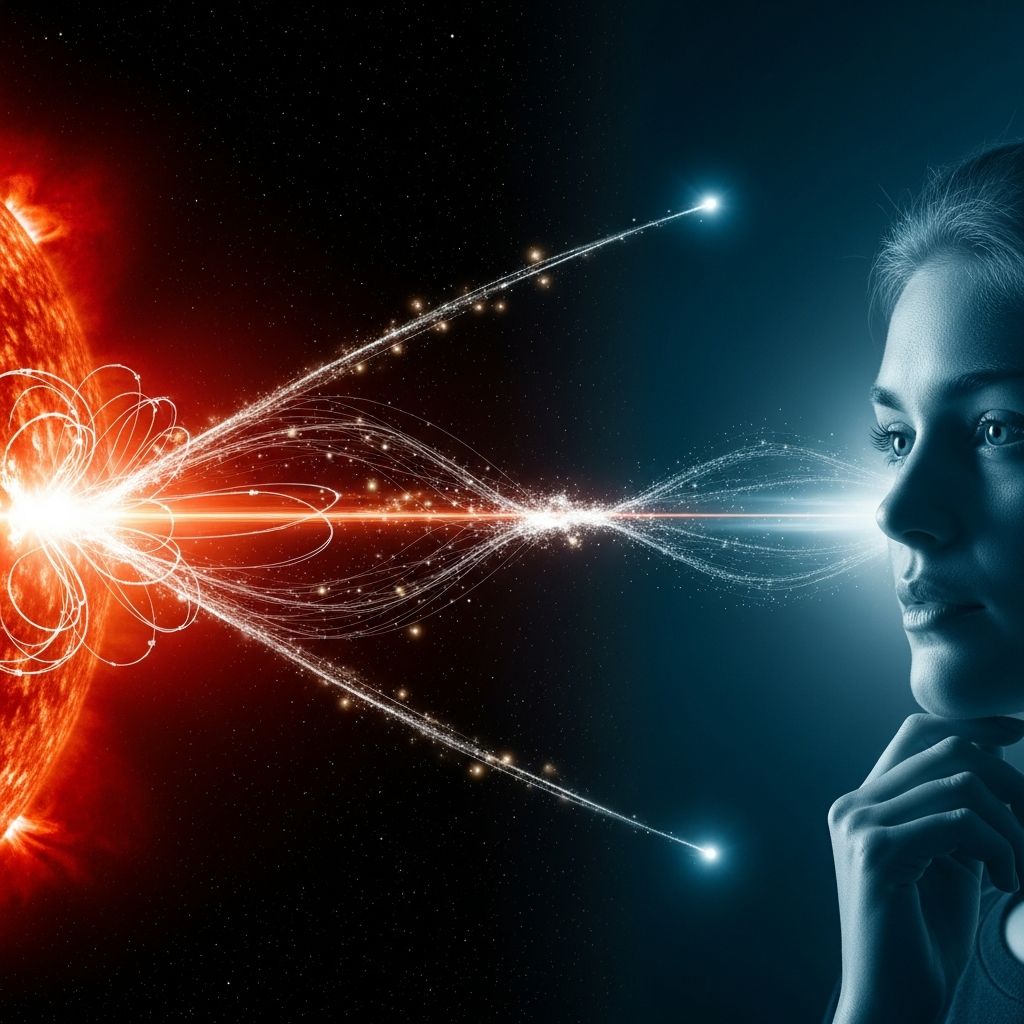
Solar flares, powerful bursts of radiation from the Sun, can disrupt Earth’s magnetic field, leading to geomagnetic storms that research links to increased health risks, particularly strokes and cardiovascular events.
What Are Solar Flares?
Solar flares are intense explosions on the Sun’s surface that release massive amounts of energy, including electromagnetic radiation and charged particles. These events occur when magnetic energy stored in the Sun’s atmosphere is suddenly released, often during periods of high solar activity in the 11-year solar cycle.
While solar flares themselves emit X-rays and ultraviolet light that can affect satellite communications and power grids, their indirect health impacts stem from coronal mass ejections (CMEs). CMEs propel billions of tons of solar plasma into space, which can collide with Earth’s magnetosphere, triggering geomagnetic storms.
These storms cause fluctuations in Earth’s magnetic field, measured by indices like the Ap Index or Kp Index. Severe storms have Ap Indices of 60+, corresponding to significant disturbances that can persist for days. Peak solar activity, or “solar maxima,” heightens the frequency and intensity of these events.
How Do Geomagnetic Storms Form from Solar Activity?
The process begins with a solar flare or CME erupting from sunspots—regions of intense magnetic activity on the Sun. Traveling at speeds up to 2 million miles per hour, CMEs reach Earth in 1-3 days. Upon arrival, they interact with Earth’s magnetosphere, compressing it and inducing rapid changes in geomagnetic fields.
These disturbances are quantified by the Ap Index (planetary geomagnetic activity index), where values above 60 indicate storms. Moderate storms (60-99), strong (100-149), and extreme (150+) escalate in severity, with effects noticeable globally, especially at higher latitudes.
Historical data from 1981-2004, spanning solar maxima and minima, show storms are far more common and impactful during maxima years, when solar output peaks.
Geomagnetic Storms and Stroke Risk: The Evidence
Multiple studies confirm a robust association between geomagnetic storms and elevated stroke incidence. A landmark multinational case-crossover analysis of 11,453 stroke patients across 16 million person-years in New Zealand, Australia, UK, France, and Sweden found geomagnetic storms (Ap Index 60+) linked to a 19% increased stroke risk (95% CI, 11%-27%).
The effect is dose-dependent and strongest in younger adults. For those under 65, moderate storms raised risk by 27% (95% CI, 8%-48%), strong by 52% (19%-92%), and severe/extreme by 52% (19%-94%), with a highly significant trend (P < 2×10-16). Overall strokes doubled in risk during intense solar weather per some reports.
This triggering effect holds across ischemic and hemorrhagic strokes, all age groups, and solar cycle phases, independent of traditional risk factors like hypertension or smoking. Geomagnetic exposure accounted for 2.64% of population-level strokes but rivals modifiable risks like hormone therapy on an individual basis.
| Storm Severity (Ap Index) | Stroke Risk Increase (All Ages) | Risk Increase (<65 Years) |
|---|---|---|
| Moderate (60-99) | 19% overall | 27% (95% CI: 8%-48%) |
| Strong (100-149) | Dose-dependent rise | 52% (95% CI: 19%-92%) |
| Severe/Extreme (150+) | Up to 52% in young | 52% (95% CI: 19%-94%) |
Sources: American Heart Association journals. Risks comparable during solar maxima; inverse effects rare in minima.
Mechanisms: Why Do Solar Storms Trigger Strokes?
Scientists propose several biological pathways. Geomagnetic disturbances may disrupt blood pressure regulation, causing hypertension spikes that strain vessels. They could alter cerebral electrical activity, promoting arrhythmias or clot formation.
Related Stories



Stress responses activate via the hypothalamic-pituitary-adrenal axis, elevating cortisol and inflammation. Changes in blood viscosity, heart rate variability, and circadian rhythms—synchronized by geomagnetic cues—may impair coagulation and endothelial function.
A 7-day delayed effect suggests cumulative impacts on blood pressure and viscosity, particularly for ischemic strokes. These mechanisms align with broader cardiovascular vulnerabilities, including a recent study linking solar storms to increased heart attacks in women via Kp-Index data from 1998-2005.
- Blood Pressure Fluctuations: Storms induce variability, risking hypertensive crises.
- Neurological Effects: Interference with brain bioelectric fields.
- Hemodynamic Changes: Altered viscosity and coagulability.
- Circadian Disruption: Misalignment of sleep-wake cycles.
Who Is Most at Risk?
Stroke survivors and those under 65 face heightened vulnerability, with risks doubling during storms. Individuals with preexisting cardiovascular conditions—hypertension, atrial fibrillation, or prior events—are prime candidates. Women may experience amplified cardiac effects.
Geographic factors play a role: higher latitudes amplify geomagnetic impacts. During solar maxima, baseline risk surges 60-80% even without full storms. Populations in the Northern Hemisphere show consistent patterns from decades of data.
Solar Activity Forecasts and Monitoring
Track solar weather via NOAA’s Space Weather Prediction Center, which issues geomagnetic storm alerts based on Ap/Kp Indices. Apps like FlareAware provide real-time notifications for survivors.
Solar cycle 25 peaked around 2024-2025; expect elevated activity through 2026. Check daily forecasts: Kp 5+ signals moderate disturbances; 8+ severe storms.
Protective Measures During High Solar Activity
Proactive steps mitigate risks without altering daily routines.
- Monitor Closely: Check blood pressure twice daily; log symptoms like headaches or dizziness.
- Adhere to Meds: Never skip antihypertensives or anticoagulants.
- Lifestyle Boost: Emphasize low-sodium diet, 30+ minutes exercise, hydration.
- Stress Management: Practice meditation, yoga; aim for 7-9 hours sleep.
- Alerts: Sign up for space weather apps; avoid overexertion during warnings.
Population-level strategies include integrating storm warnings with weather reports and tightening risk factor control pre-storm.
Other Potential Health Impacts
Beyond strokes, geomagnetic storms correlate with heart attacks (especially in women), arrhythmias, and blood pressure anomalies. Emerging research explores links to migraines, depression, and sleep disorders via melatonin suppression. Vulnerable groups should consult physicians during alerts.
Frequently Asked Questions (FAQs)
What is a geomagnetic storm?
A temporary disturbance in Earth’s magnetic field caused by solar wind from flares/CMEs, measured by Ap/Kp Indices.
By how much do solar storms increase stroke risk?
19% overall; up to 52% in under-65s during severe storms (Ap 60+).
Should stroke survivors track solar weather?
Yes—use alerts to enhance monitoring of BP and symptoms.
Are effects immediate?
Often within days; 7-day lag possible for some mechanisms.
Can anyone be affected?
Highest risk for cardiovascular patients and younger adults.
Conclusion: Empowering Health in the Space Age
Awareness of solar flares’ health ripple effects equips individuals to safeguard against preventable strokes. Integrating geomagnetic data with traditional prevention transforms risk management. Stay informed, vigilant, and proactive.
References
- Solar Weather and Stroke Risk: What Stroke Survivors Need to Know — FlareAware. Accessed 2026. https://flareaware.com/resources/solar-weather-and-stroke-risk-what-stroke-survivors-need-to-know/
- Geomagnetic Storms Can Trigger Stroke — American Heart Association (Stroke Journal). 2014-06-19. https://www.ahajournals.org/doi/10.1161/strokeaha.113.004577
- Geomagnetic storms can trigger stroke: evidence from 6 large population-based studies — PubMed (American Heart Association). 2014. https://pubmed.ncbi.nlm.nih.gov/24757102/
- Solar storms linked to increased heart attack risk in women — News-Medical.net (Communications Medicine). 2025-09-26. https://www.news-medical.net/news/20250926/Solar-storms-linked-to-increased-heart-attack-risk-in-women.aspx
- Geomagnetic storms may influence risk of stroke — Consultant360 (Stroke Journal reference). 2014. https://www.consultant360.com/story/geomagnetic-storms-may-influence-risk-stroke
Similar Articles








Read full bio of Sneha Tete