Solar Lentigo: 5 Effective Treatments And Prevention Tips
Understanding solar lentigo: causes, symptoms, diagnosis, and effective treatments for age spots from sun damage.
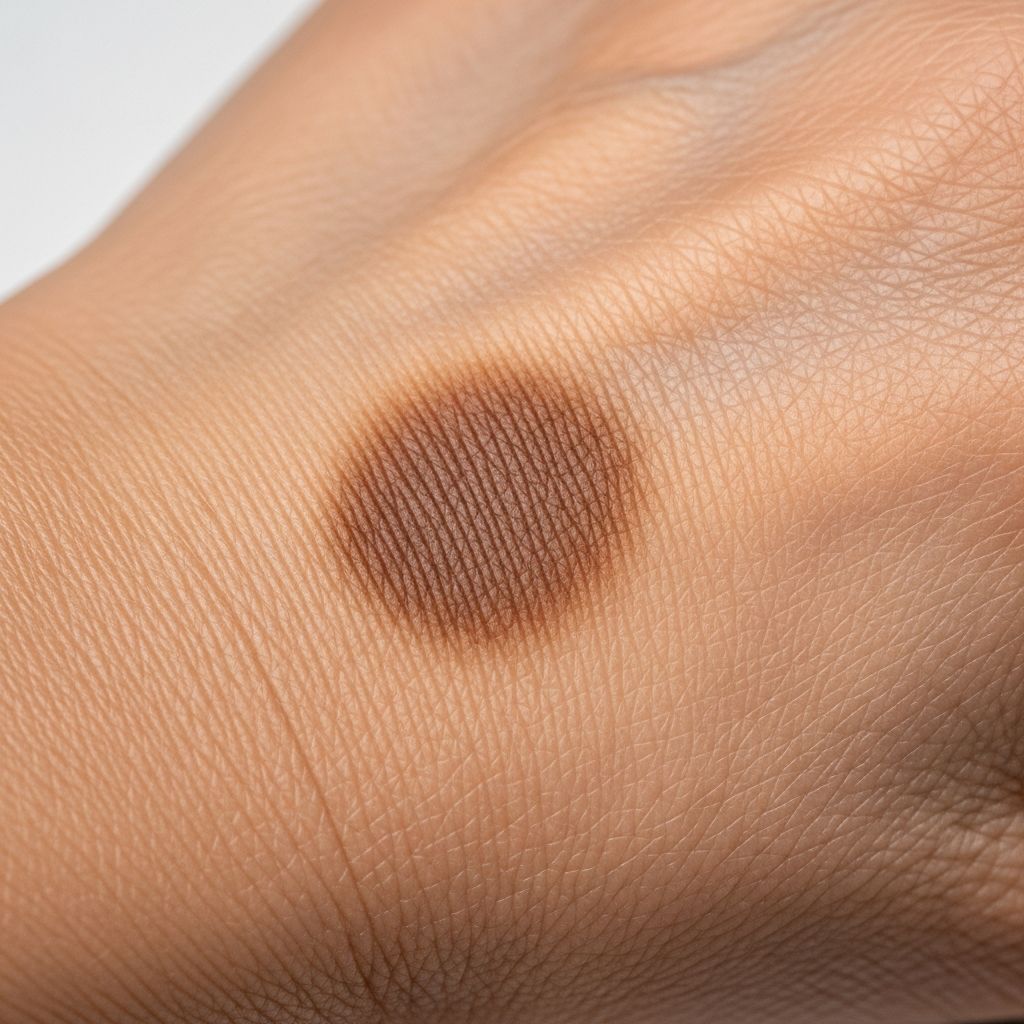
Solar lentigo, commonly known as age spots, liver spots, or sun spots, are benign, flat, hyperpigmented macules resulting from chronic exposure to ultraviolet (UV) radiation. These spots typically appear on sun-exposed areas after middle age and pose no health risk but can be a cosmetic concern.
What is solar lentigo?
Solar lentigo represents a localised proliferation of basal melanocytes and keratinocytes induced by acute or chronic sun exposure. It is one of the earliest signs of skin photoaging and is characterised by well-defined, oval or round macules that vary in colour from light tan to dark brown or black. These lesions are harmless and do not progress to malignancy, distinguishing them from more serious pigmented lesions like melanoma.
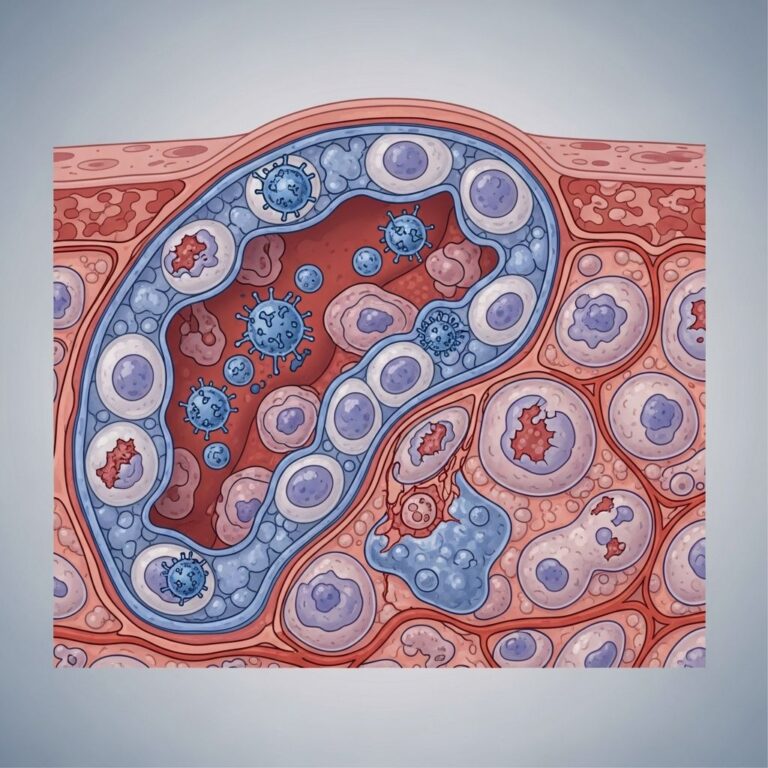
Histologically, solar lentigines show hyperplasia of the basal layer of the epidermis with increased melanin production, elongation of rete ridges, and acanthosis. This epidermal thickening and melanocyte activation create the characteristic pigmented patches.
Who gets solar lentigo?
Solar lentigines primarily affect fair-skinned individuals (Fitzpatrick skin types I-III) over the age of 50, though they can appear earlier in those with significant sun exposure history. Risk factors include:
- Prolonged cumulative UV exposure from sunbathing, outdoor work, or tanning beds
- Fair skin that burns easily and tans minimally
- Advanced age, as skin repair mechanisms decline
- Family history of pigmentation disorders
- History of sunburns or radiation exposure
They are more prevalent in Caucasians and less common in darker skin types due to higher baseline melanin protection.
What causes solar lentigo?
The primary cause is chronic UV radiation, which stimulates melanocytes in the basal epidermis to produce excess melanin as a protective response. Over time, this leads to focal hyperpigmentation. Unlike freckles (ephelides), which fade without sun, solar lentigines persist and darken with further exposure.
UVA and UVB rays penetrate the skin, causing oxidative stress, DNA damage, and melanocyte proliferation. Genetic predisposition influences susceptibility, with certain gene variants affecting melanin regulation.
What are the clinical features of solar lentigo?
Solar lentigines present as:
- Multiple flat, sharply demarcated macules, 5–20 mm in diameter
- Colours ranging from light brown to dark brown or black
- Smooth surface, asymptomatic unless irritated
- Locations: face (forehead, cheeks, temples), neck, décolletage, dorsum of hands, forearms, shoulders, and upper back
- Non-tender, non-scaly, and unchanging over time
Occasionally, seborrhoeic keratoses may develop within a lentigo, causing localised thickening. Inflammation can lead to lichenoid keratosis, which resolves spontaneously.
Diagnosis
Diagnosis is clinical, based on characteristic appearance in sun-exposed sites of middle-aged or older patients. Dermoscopy reveals a moth-eaten border, pseudopigment network, and homogenous pigmentation, aiding differentiation from melanoma or pigmented actinic keratosis.
Related Stories



Biopsy is rarely needed but shows clubbed rete ridges, hyperpigmented basal layer, and increased melanocytes. If atypical features like asymmetry, irregular borders, or rapid change occur, excision biopsy rules out lentigo maligna.
Lentigo vs freckle
| Feature | Solar Lentigo | Freckle (Ephelis) |
|---|---|---|
| Age of onset | Middle age or older | Childhood |
| Size | 5–20 mm | 1–5 mm |
| Colour | Dark brown/black, persists | Light brown/red, fades in winter |
| Sun response | Darkens and increases | Appears/worsens with sun |
| Histology | Melanocyte/keratinocyte proliferation | Normal melanocyte number, reduced melanin |
This table highlights key distinctions; solar lentigines are photoaging markers, while freckles are genetic.
Management
Treatment is cosmetic and not medically necessary. Options include:
- Cryotherapy: Liquid nitrogen freezing for small lesions; flakes off in 7–10 days but risks hypopigmentation
- Laser therapy: Q-switched Nd:YAG, fractional lasers, or IPL target melanin precisely with minimal downtime
- Chemical peels: TCA or alpha-hydroxy acids exfoliate pigmented layers
- Topical agents: Hydroquinone, retinoids, cysteamine cream (12-week use shows significant fading)
- Curettage/cautery: For thicker lesions under local anaesthetic
Recurrence is common without sun protection. Side effects include post-inflammatory hyperpigmentation (PIH), especially in darker skins.
Prevention
Prevent new lesions with:
- Broad-spectrum sunscreen (SPF 50+) daily, reapplied every 2 hours
- Sun avoidance 10am–4pm
- Protective clothing, hats, sunglasses
- Antioxidant-rich diet and smoking cessation
Start sun protection in childhood to reduce lifetime risk.
Related topics
- Actinic keratosis
- Lentigo maligna
- Melasma
- Seborrhoeic keratosis
Frequently Asked Questions
Are solar lentigines cancerous?
No, they are benign. However, monitor for changes and consult a dermatologist if concerned.
Can solar lentigines be removed permanently?
Treatments fade them effectively, but sun exposure can cause recurrence. Consistent prevention is key.
Who is at highest risk for solar lentigo?
Fair-skinned individuals over 50 with outdoor lifestyles.
Does sunscreen prevent solar lentigo?
Yes, daily broad-spectrum SPF 50+ significantly reduces development.
What is the best treatment for solar lentigo on hands?
Laser therapy or cysteamine cream for multiple lesions; cryotherapy for singles.
References
- Solar Lentigo (Age Spots) – Causes, Symptoms & Treatment — St. John’s Physicians Group Dermatology. Accessed 2026. https://www.sjpp.org/dermatology/conditions/bumps-spots/solar-lentigo-lentigines/
- Successful treatment of solar lentigines by topical application — NIH / PMC. 2024. https://pmc.ncbi.nlm.nih.gov/articles/PMC10895154/
- Solar lentigo – MySkinDoctor — MySkinDoctor. Accessed 2026. https://www.myskindoctor.co.uk/solar-lentigo/
- Lentigo (Age Spots) — Dallas Associates of Uptown Dermatology. Accessed 2026. https://dallasdermatology.net/services/lentigo-age-spots/
- Solar lentigo: causes and treatment options — mesoestetic®. Accessed 2026. https://www.mesoestetic.com/blog/solar-lentigo/
- Solar lentigo – DermNet — DermNet NZ. Accessed 2026. https://dermnetnz.org/topics/solar-lentigo
Similar Articles








Read full bio of medha deb