Solifenacin: Essential Guide To Overactive Bladder Relief
Comprehensive guide to solifenacin: uses, dosing, risks, and patient tips for managing overactive bladder effectively.
Solifenacin serves as a targeted therapy for individuals dealing with overactive bladder (OAB), a condition marked by sudden urges to urinate, frequent trips to the bathroom, and involuntary leakage. By calming excessive bladder muscle contractions, this medication helps restore normalcy to daily routines. Available in tablet form, it belongs to the anticholinergic class, which blocks specific nerve signals responsible for unwanted bladder activity.
Understanding Overactive Bladder and Solifenacin’s Mechanism
Overactive bladder disrupts life through symptoms such as urgency, frequency exceeding eight times daily, nocturia (nighttime urination), and incontinence. Solifenacin addresses these by selectively antagonizing muscarinic receptors in the bladder, reducing involuntary detrusor muscle spasms without broadly impacting other bodily functions.
This targeted action distinguishes it from broader anticholinergics, potentially leading to fewer systemic effects. Patients often notice improvements within one to two weeks, though full benefits may take up to four weeks.
Who Benefits from Solifenacin Therapy?
Healthcare providers prescribe solifenacin primarily for adults with OAB symptoms unresponsive to lifestyle changes like fluid management or pelvic floor exercises. It proves effective for idiopathic OAB, neurogenic cases linked to conditions like multiple sclerosis or stroke, and post-surgical bladder instability.
- Primary indications: Urge urinary incontinence, increased daytime frequency, and nocturia.
- Patient profile: Adults over 18; not approved for children due to insufficient safety data.
- Contraindications: Avoid in cases of urinary retention, severe liver impairment, uncontrolled narrow-angle glaucoma, or gastric retention.
Standard Dosing Protocols and Administration
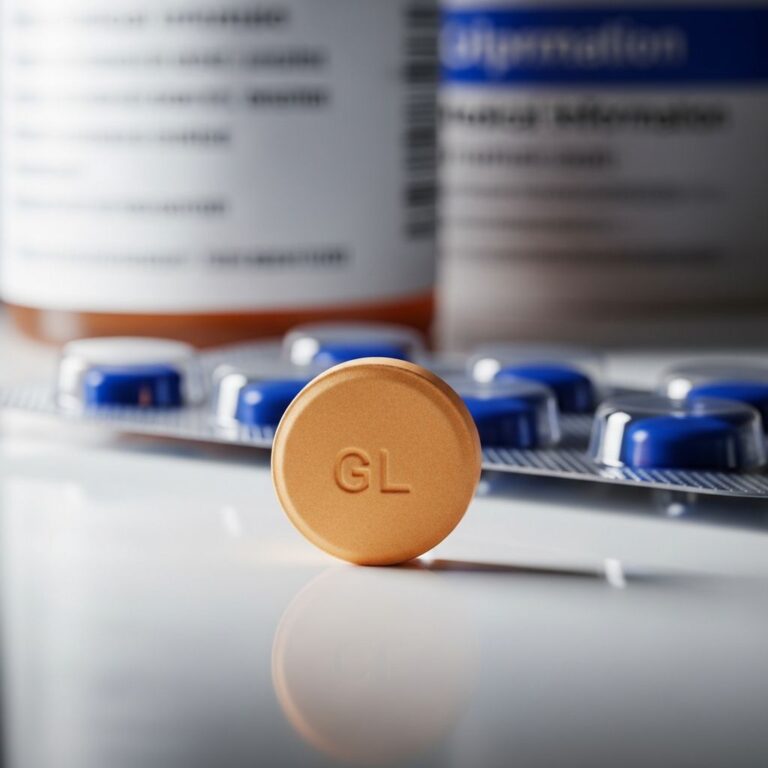
Solifenacin tablets come in 5 mg and 10 mg strengths, taken once daily with or without food. Swallow whole with water; do not crush or chew to ensure proper release.
| Dose Level | Starting Recommendation | Adjustment Criteria | Maximum Dose |
|---|---|---|---|
| 5 mg | Initial for all patients | Maintain if tolerated | – |
| 10 mg | Increase after 4-8 weeks if needed | For better symptom control | 10 mg daily |
Renal or moderate hepatic impairment warrants the 5 mg dose to prevent accumulation. Elderly patients follow standard dosing unless organ function is compromised.
Missed dose guidance: Take as soon as remembered unless near the next dose; skip if late and resume schedule. Never double up.
Potential Adverse Reactions: What to Watch For
While effective, solifenacin carries risks typical of anticholinergics, primarily affecting the gastrointestinal, ocular, and urinary systems. Most resolve with time or supportive measures, but some demand prompt attention.
Frequent Mild Effects
- Dry mouth (up to 40% of users) – Sip water, use sugar-free lozenges.
- Constipation – Increase fiber, stay hydrated; laxatives if persistent beyond 3 days.
- Blurred vision – Avoid driving until adjusted.
- Dry eyes – Artificial tears help.
- Indigestion, nausea – Take with meals.
Serious Reactions Requiring Immediate Care
Seek emergency help for angioedema (swelling of face/lips/tongue), severe allergic responses (rash, breathing difficulty), or prolonged constipation with abdominal pain.
Related Stories



- Urinary retention: Weak stream, incomplete emptying – especially risky with prostate issues.
- Heat-related issues: Reduced sweating heightens stroke risk in hot conditions.
- Cardiac: QT prolongation in predisposed individuals.
- Neurological: Confusion, hallucinations (rare, more in elderly).
Long-term use shows no unique persistent effects; monitor via regular check-ups.
Critical Precautions and Monitoring
Regular physician visits ensure efficacy and safety. Baseline eye exams for glaucoma patients and ECG for QT risks are advised.
- Drug interactions: Strong CYP3A4 inhibitors (ketoconazole) limit to 5 mg; avoid with other anticholinergics.
- Lifestyle cautions: Limit alcohol (worsens dizziness); stay cool during exercise.
- Special populations: Use cautiously in myasthenia gravis, severe GI disorders, or controlled narrow-angle glaucoma.
Pregnancy category C: Weigh benefits vs. risks; limited data. Breastfeeding: Excreted in milk, consider alternatives.
Lifestyle Strategies to Enhance Solifenacin Effectiveness
Combine medication with behavioral therapies for superior outcomes. Key strategies include:
- Bladder training: Gradually extend voiding intervals.
- Fluid optimization: 1.5-2L daily, avoid caffeine/alcohol evenings.
- Pelvic floor exercises: Kegels strengthen support muscles.
- Weight control: Reduces abdominal pressure on bladder.
- Scheduled voiding: Timed bathroom visits preempt urgency.
Overdose Management and Emergency Steps
Symptoms include severe dry mouth, blurred vision, rapid heart rate, confusion, fever, and hallucinations. Activated charcoal within one hour, supportive care (IV fluids, cooling), and ECG monitoring are standard. Contact poison control immediately.
Frequently Asked Questions (FAQs)
Does solifenacin work immediately?
Initial relief often starts in days, but optimal control takes 2-4 weeks. Consistency is key.
Can I stop solifenacin abruptly?
Taper under guidance to avoid symptom rebound; sudden halt may worsen OAB.
Is solifenacin safe for long-term use?
Yes, with monitoring; no evidence of cumulative harm in studies.
What if constipation persists?
Consult your doctor for stool softeners or alternative therapies.
Does it affect male prostate issues?
Monitor closely; may exacerbate obstruction – PSA checks recommended.
Storage and Disposal Guidelines
Store at room temperature (68-77°F), away from moisture and children. Dispose via take-back programs; do not flush.
Solifenacin empowers better bladder control when integrated thoughtfully into care plans. Always personalize with your healthcare team.
References
- Solifenacin (oral route) – Mayo Clinic — Mayo Foundation for Medical Education and Research. 2023-10-01. https://www.mayoclinic.org/drugs-supplements/solifenacin-oral-route/description/drg-20066064
- Solifenacin oral tablet side effects guide — Optum Perks. 2024-05-15. https://perks.optum.com/blog/solifenacin-tablet-side-effects
- Solifenacin: MedlinePlus Drug Information — U.S. National Library of Medicine. 2024-02-01. https://medlineplus.gov/druginfo/meds/a605019.html
- Solifenacin (Vesicare): Uses & Side Effects — Cleveland Clinic. 2023-11-20. https://my.clevelandclinic.org/health/drugs/20376-solifenacin-tablets
- Solifenacin – Memorial Sloan Kettering Cancer Center — MSKCC. 2024-01-10. https://www.mskcc.org/cancer-care/patient-education/medications/adult/solifenacin
Similar Articles








Read full bio of medha deb