Somatic Symptom Disorder: 4 Essential Facts
Understanding somatic symptom disorder: symptoms, causes, diagnosis, and effective treatments for managing physical symptoms with psychological roots.
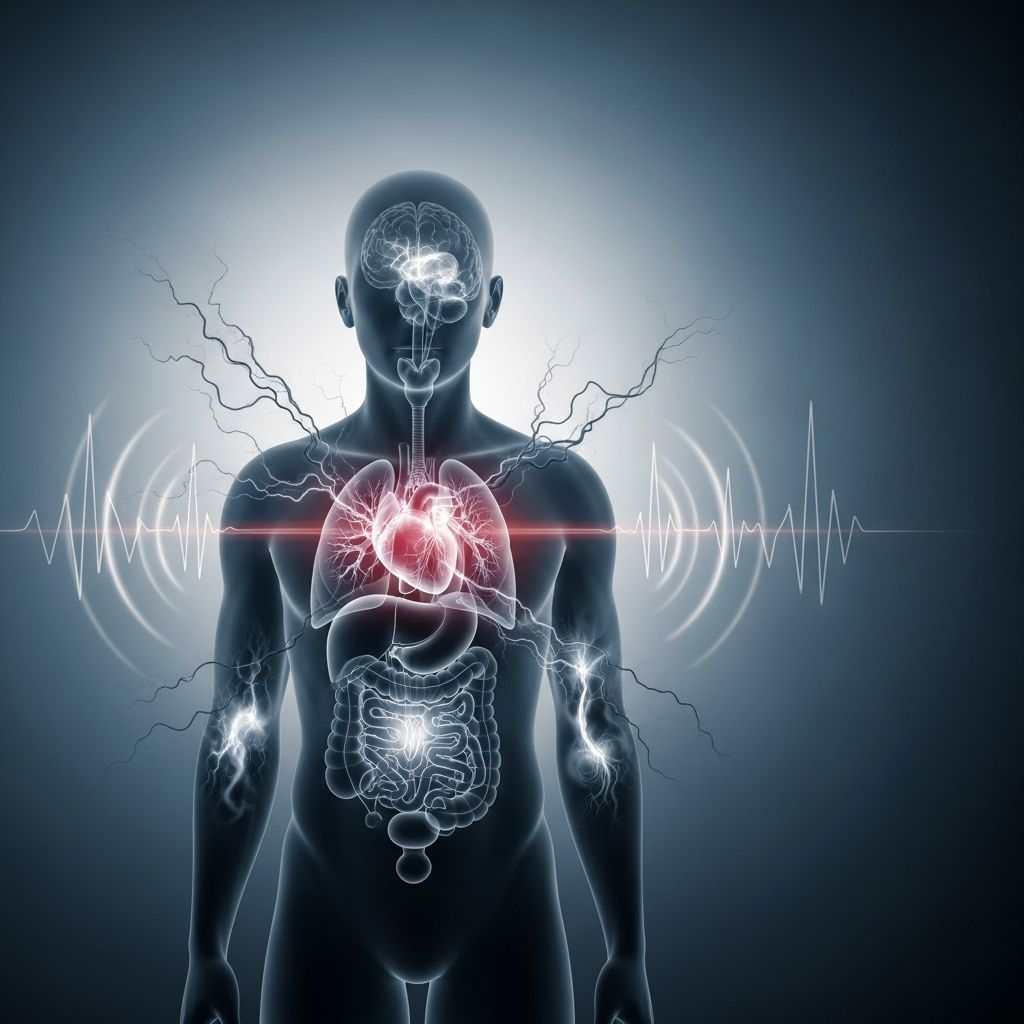
Somatic symptom disorder (SSD) is a mental health condition characterized by one or more physical symptoms that prompt excessive thoughts, feelings, or behaviors, leading to significant distress or impaired daily functioning. These symptoms, such as pain or fatigue, may or may not align with a known medical condition, but the disproportionate response defines the disorder.
What Is Somatic Symptom Disorder?
Somatic symptom disorder involves a heightened focus on physical symptoms like pain, shortness of breath, weakness, or fatigue, resulting in major emotional distress and functional challenges. The core issue lies not in the symptoms themselves but in the excessive thoughts, anxiety, and time devoted to them, often out of proportion to any identified medical problem. Individuals genuinely experience and believe in their illness, distinguishing SSD from malingering.
Unlike purely medical conditions, SSD emphasizes psychological reactions. Symptoms can be single (e.g., predominant pain) or multiple, persistent or varying, but must endure more than six months for diagnosis. Pain is the most common presentation, but general complaints like tiredness also occur. This disorder typically emerges before age 30 and affects primary care settings more than psychiatry, as patients seek medical explanations first.
Symptoms of Somatic Symptom Disorder
Symptoms in SSD are diverse and can mimic medical issues, but the hallmark is the maladaptive response. Key symptoms include:
- One or more distressing somatic symptoms disrupting daily life, such as pain, fatigue, neurological complaints, or gastrointestinal issues.
- Persistent, disproportionate thoughts about symptom seriousness.
- High anxiety levels regarding health or symptoms.
- Excessive time and energy expended on health concerns, including doctor visits and self-testing.
- Symptoms present for over six months, though they may wax and wane.
Symptom severity ranges from mild (one Criterion B feature) to severe (multiple complaints plus two or more psychological features). Patients often report symptoms not fully explained medically, heightened medication sensitivity, and avoidance of activity. Co-occurring anxiety or depression is common.
| Severity Level | Criteria |
|---|---|
| Mild | One of: disproportionate thoughts, high anxiety, or excessive time/energy on symptoms. |
| Moderate | Two or more of the above. |
| Severe | Two or more plus multiple somatic symptoms (or one very severe). |
This table outlines DSM-5 severity specifiers for SSD.
Causes and Risk Factors
The exact causes of SSD remain unclear, but it stems from amplified normal bodily sensations interpreted as dire illness. Risk factors include:
- Childhood neglect, sexual abuse, or chaotic family environments.
- History of alcohol/substance abuse or psychosocial stressors like unemployment.
- Personality disorders (e.g., avoidant, obsessive-compulsive).
- Genetic factors (7-21% heritability from twin studies) and autonomic nervous system hypersensitivity, leading to symptoms like tachycardia or muscle tension.
Environmental influences dominate, with no single pathophysiology identified. Stress exacerbates somatization, where emotional distress manifests physically.
Diagnosis
Diagnosis follows DSM-5 criteria from the American Psychiatric Association:
Related Stories



- One or more somatic symptoms causing distress/disruption.
- Excessive thoughts/feelings/behaviors (at least one: disproportionate worry, high anxiety, excessive devotion).
- Chronicity (>6 months).
- Not better explained by another condition.
Primary care physicians often first encounter patients, who may resist psychological framing. History reveals inconsistent symptoms unrelieved by treatments. Avoid over-testing; meta-analyses show no superior outcomes from extensive diagnostics. Rule out medical mimics with targeted tests (e.g., thyroid, drug screen). Specifiers include ‘predominant pain’ or ‘persistent’ (>6 months severe).
Treatment Options
Treatment aims to improve functioning and symptom management via collaborative care. Key approaches:
- Regular physician contact: Builds trust, provides reassurance, monitors without unnecessary interventions.
- Psychotherapy: Cognitive behavioral therapy (CBT) and mindfulness-based therapies are first-line, helping reframe thoughts, cope with stress, and reduce health anxiety. Effective per evidence.
- Medications: Amitriptyline, SSRIs (e.g., fluoxetine), or St. John’s wort for moderate-severe cases; avoid others like bupropion or antipsychotics.
Prognosis varies: 50-75% improve naturally, though chronic waxing/waning is common; 10-30% worsen. Early intervention enhances outcomes.
How Somatic Symptom Disorder Differs From Other Conditions
SSD overlaps with but differs from related disorders:
- Illness Anxiety Disorder: Preoccupation with having illness despite minimal/no symptoms.
- Conversion Disorder: Sudden neurological symptoms (e.g., paralysis, blindness) without medical cause; often resolves quickly, linked to stress.
- Factitious Disorder: Intentional symptom production for attention (vs. SSD’s genuine belief).
- Somatoform Disorders (DSM-IV): SSD consolidates prior categories like somatization disorder.
| Disorder | Key Feature | Symptom Reality |
|---|---|---|
| SSD | Excessive response to real symptoms | Genuine, distressing |
| Conversion | Neurological deficits, sudden onset | No medical cause |
| Illness Anxiety | Fear of illness, few symptoms | Minimal physical |
Living With Somatic Symptom Disorder
Managing SSD requires multidisciplinary support. Patients benefit from stress reduction techniques like exercise, mindfulness, and support groups. Educating families reduces enabling behaviors. Long-term, focus shifts from symptom elimination to functional improvement. Challenges include doctor-shopping and resistance to mental health care, but consistent therapy yields better quality of life.
Primary care integration is vital; unnecessary tests fuel anxiety. Lifestyle modifications—regular sleep, balanced diet, activity—complement therapy. Outcomes improve with adherence, though full remission is rare.
Frequently Asked Questions (FAQs)
What are the main symptoms of somatic symptom disorder?
Main symptoms include physical complaints like pain or fatigue paired with excessive worry, anxiety, and time spent on health concerns, lasting over six months.
How is somatic symptom disorder diagnosed?
Diagnosis uses DSM-5 criteria: distressing symptoms, maladaptive thoughts/behaviors, and >6 months duration, after ruling out other causes.
What treatments work best for SSD?
CBT, mindfulness therapy, regular doctor visits, and select antidepressants like SSRIs are most effective.
Is somatic symptom disorder the same as hypochondria?
No; hypochondria is now illness anxiety disorder (fear without symptoms), while SSD involves actual distressing physical symptoms.
Can somatic symptom disorder be cured?
Not always cured, but 50-75% improve with treatment; it’s often chronic but manageable.
Prevention and Outlook
Prevention targets early stressors and promotes mental health literacy. Outlook is guarded but optimistic with intervention. Recent studies (post-2024) reinforce CBT efficacy, with digital therapies emerging.
References
- What is Somatic Symptom Disorder? — American Psychiatric Association. 2023. https://www.psychiatry.org/patients-families/somatic-symptom-disorder/what-is-somatic-symptom-disorder
- Somatic symptom disorder – Symptoms and causes — Mayo Clinic. 2024-10-01. https://www.mayoclinic.org/diseases-conditions/somatic-symptom-disorder/symptoms-causes/syc-20377776
- Somatic Symptom Disorder — American Academy of Family Physicians. 2016-01-01. https://www.aafp.org/pubs/afp/issues/2016/0101/p49.html
- Somatic Symptom Disorder — StatPearls, NCBI Bookshelf, NIH. 2023-08-08. https://www.ncbi.nlm.nih.gov/books/NBK532253/
Similar Articles








Read full bio of medha deb