Somatization And Somatoform Disorders: 5 Common Symptoms
Understanding somatisation: when stress and mental factors trigger real physical symptoms and how to manage them effectively.
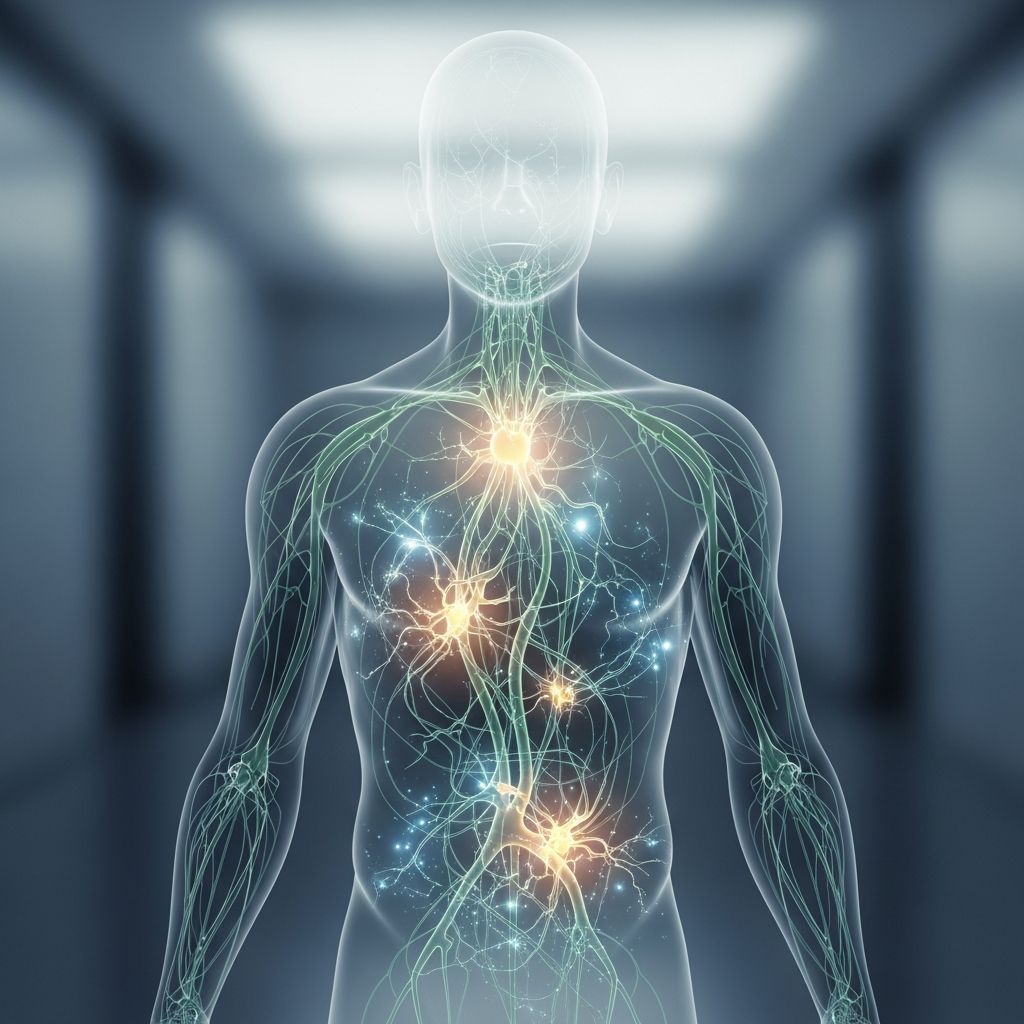
Somatisation occurs when mental factors, such as stress or emotional distress, manifest as real physical symptoms without an underlying organic disease. Somatoform disorders represent a more severe, chronic form where these symptoms persist and significantly impair daily functioning.
What are somatisation and somatoform (functional) disorders?
Somatisation is a common experience where psychological stress translates into physical sensations like headaches or fatigue. Everyone encounters this occasionally—for instance, feeling nauseous during high anxiety. Somatoform or functional disorders, however, involve persistent symptoms that disrupt life, stemming from complex interactions of biological, psychological, and social factors rather than disease.
A functional symptom indicates a bodily function gone awry—such as pain, dizziness, or paralysis—but without structural damage. The brain amplifies normal sensations, perceiving them as threatening. For example, minor light-headedness from skipping meals becomes debilitating faintness.
In DSM-5, this aligns with somatic symptom disorder (SSD), characterized by excessive focus on physical symptoms leading to distress or dysfunction. ICD-11 renames it bodily distress disorder, emphasizing symptoms with frequent medical consultations despite negative tests.
Symptoms
Symptoms of somatisation and somatoform disorders are diverse and mimic common medical conditions. They include:
- Pain: Headaches, back pain, joint pain, limb pain.
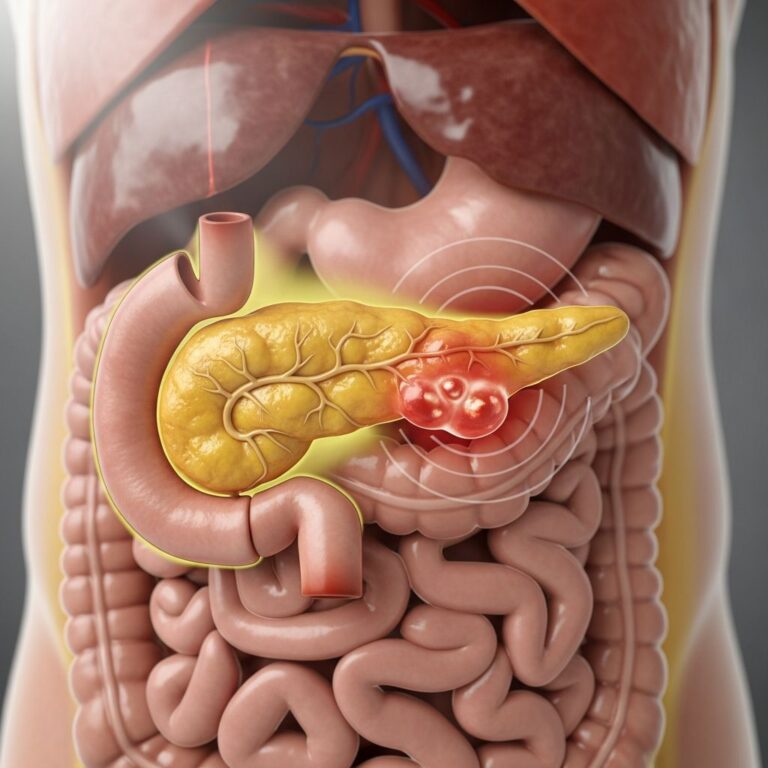
- Gastrointestinal: Nausea, vomiting, abdominal pain, bloating, difficulty swallowing.
- Cardiac: Chest pain, shortness of breath.
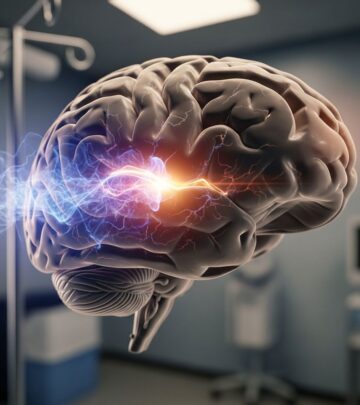
- Neurological: Dizziness, amnesia, vision changes, paralysis, muscle weakness, seizures.
- Other: Fatigue, fainting, urinary pain.
These can appear in emergency departments (EDs) as non-cardiac chest pain or non-specific abdominal pain, leading to frequent visits and iatrogenic harm risks.
How common are they?
Somatisation is ubiquitous; most people experience stress-induced symptoms periodically. Somatoform disorders affect about 0.5-2% of the general population but up to 10-20% in primary care settings. High prevalence in chronic pain (e.g., irritable bowel syndrome) and post-traumatic stress disorder patients. One study found 80% of those with medically unexplained pain had mood disorders.
In EDs, somatization disorder (SD) presentations strain resources due to mimicking high-acuity conditions.
Who gets them?
- More common in women (ratio up to 10:1 in some studies).
- Associated with low socioeconomic status, childhood adversity, or trauma.
- Comorbid with depression, anxiety, antisocial personality, or PTSD.
- Individuals seeking ‘sick role’ for relief from stressors (primary gain).
Why do functional symptoms occur?
The exact cause remains unclear, but theories include:
- Brain perception issues: Normal bodily signals (e.g., gut motility) are misinterpreted as abnormal.
- Psychological factors: Catastrophizing, health anxiety, rumination amplify symptoms.
- Biological vulnerability: Possible neuroendocrine gene links or autonomic nervous system dysregulation.
- Social influences: Unmet needs for closeness or escape from responsibilities.
Functional symptoms often emerge after triggers like infection, injury, or stress, where the brain ‘rewires’ responses.
Are investigations needed?
Yes, to exclude organic disease. However, over-investigation risks harm. A positive diagnosis of somatisation relies on typical patterns: multiple changing symptoms over years, normal tests, and psychosocial stressors.
Related Stories



Staged approach recommended: basic tests first, then reassurance; escalate to full workup if needed.
| Red Flags (Investigate Urgently) | Reassurance Features |
|---|---|
| Involuntary weight loss, night sweats | Long history, multiple systems |
| Focal neurology, severe headache | Normal basic exams/tests |
| Progressive weakness | Stressors evident |
Treatment and management
Management emphasizes psychological therapies over medications. A stepped-care model is ideal: start simple, progress as needed.
Psychotherapy
Cognitive behavioural therapy (CBT) is first-line, reducing symptom intensity and improving function. It challenges maladaptive beliefs collaboratively.
- Short-course (8-16 sessions): Stress management, problem-solving, social skills.
- Mindfulness-based therapy: Feasible adjunct.
Cochrane review confirms psychotherapies superior to usual care.
Pharmacological
Low-quality evidence for SSRIs in SSD, but useful for comorbid anxiety/depression. Start low-dose to minimize side-effects; duloxetine shows promise.
Painkillers ineffective for functional pain.
ED and Primary Care Strategies
Develop guidelines: multidisciplinary pathways, avoid unnecessary tests, refer to primary care for holistic management.
Prognosis
With treatment, many improve. Untreated, chronic course with high healthcare use. Early CBT prevents escalation.
Frequently Asked Questions (FAQs)
Q: Are somatisation symptoms ‘all in the head’?
A: No—the symptoms are real, caused by brain-body miscommunication, not feigned.
Q: Can somatoform disorders be cured?
A: Not always ‘cured,’ but CBT often leads to significant symptom reduction and better functioning.
Q: Should I see a doctor for functional symptoms?
A: Yes, to rule out disease and access therapy. Avoid repeated ED visits.
Q: Do antidepressants work for somatisation?
A: They help if anxiety/depression coexists; evidence is limited otherwise.
Q: How to prevent somatisation?
A: Manage stress, seek early psychological help for persistent symptoms.
References
- Review article: Somatization Disorders in emergency department — NIH/PMC. 2023. https://pmc.ncbi.nlm.nih.gov/articles/PMC11815603/
- Somatic Symptom Disorder — Patient.info. 2024-10-28. https://patient.info/doctor/mental-health/somatic-symptom-disorder
- Somatisation (Somatoform Disorders): Symptoms and Treatment — Patient.info. 2024. https://patient.info/mental-health/somatisation-and-somatoform-disorders
- Medically Unexplained Symptoms: Assessment and Management — Patient.info. 2024. https://patient.info/doctor/mental-health/medically-unexplained-symptoms-assessment-and-management
- Somatic Symptom Disorder — AAFP. 2016-01-01. https://www.aafp.org/pubs/afp/issues/2016/0101/p49.html
- What is Somatic Symptom Disorder? — American Psychiatric Association. 2024. https://www.psychiatry.org/patients-families/somatic-symptom-disorder/what-is-somatic-symptom-disorder
Similar Articles








Read full bio of Sneha Tete