Supplements For Depression: Evidence-Based Guide For 2025
Discover evidence-based supplements like omega-3s, vitamin D, and probiotics that could support depression treatment alongside therapy.
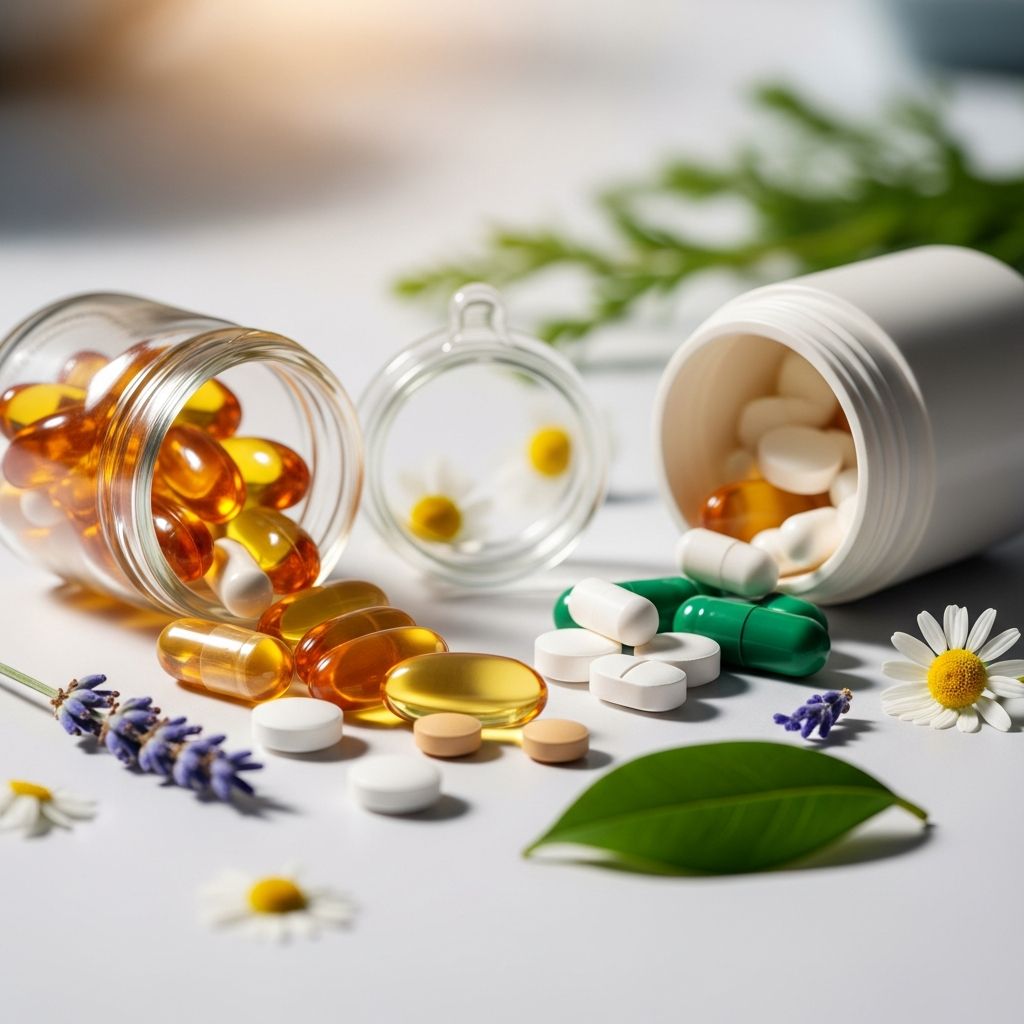
Depression affects millions worldwide, often requiring a multifaceted treatment approach including medication, therapy, and lifestyle changes. Emerging research highlights certain dietary supplements that may alleviate symptoms when used as adjunctive therapies. This article reviews evidence from clinical studies on supplements like polyunsaturated fatty acids (PUFA), vitamin D, probiotics, and others, emphasizing their potential benefits, dosages, and limitations.
What the Research Says About Supplements for Depression
Clinical trials indicate that supplements can support brain health by addressing nutrient deficiencies linked to mood disorders. A comprehensive review of 63 studies found PUFA (especially EPA and DHA combinations), vitamin D, and probiotics as the most studied for reducing depressive symptoms. These work by modulating inflammation, neurotransmitter function, and gut-brain axis. However, supplements are not replacements for antidepressants or psychotherapy; they serve a supportive role.
Nutrient deficiencies, such as low vitamin D or omega-3 levels, are common in depression patients and may impair neural connections. Supplementation shows promise in meta-analyses, but results vary by dosage, duration, and population. Always test nutrient levels via bloodwork before starting.
Omega-3 Fatty Acids (Fish Oil)
Omega-3 polyunsaturated fatty acids (PUFA), particularly eicosapentaenoic acid (EPA) and docosahexaenoic acid (DHA), are among the most researched for depression. They reduce inflammation and support brain cell membranes.
In 17 clinical studies (26.98% of reviewed trials), PUFA supplementation decreased Beck Depression Inventory (BDI) scores. Combined EPA/DHA at 1000 mg daily for 12 weeks showed benefits, especially with vitamin E. A table summarizes key trials:
| Author | Year | Country | Combination | Dosage | Duration | Scale | Result |
|---|---|---|---|---|---|---|---|
| Jamilian et al. | 2018 | Iran | PUFA + Vitamin E | 1000 mg PUFA + 400 IU Vit E/day | 12 weeks | BDI | Decreased BDI by 13.33% |
| Hoffman et al. | Recent review | Multiple | PUFA + Vitamin D | Various | 8-12 weeks | HAMD/BDI | Improved symptoms, anxiety |
HealthCentral notes omega-3s as a top supportive supplement for mood regulation. Aim for EPA-dominant formulas (at least 60% EPA) at 1-2g daily, but consult a doctor if on blood thinners.
Vitamin D
Vitamin D deficiency correlates with depression, likely due to its role in serotonin synthesis and neuroprotection. Featured in 15 studies (23.81%), supplementation improved scales like BDI and HAM-D.
Doses of 2000-5000 IU daily for 8-12 weeks showed efficacy, especially in deficient individuals. Combined with PUFA, it enhanced effects on depressive symptoms and pain. Frontiers research confirms vitamin D more often reduces symptoms than placebo across 14 trials.
- Benefits: Boosts mood, reduces inflammation.
- Dosage: 2000 IU/day minimum; test 25(OH)D levels first.
- Cautions: Hypercalcemia risk at high doses.
Probiotics
The gut-brain axis links microbiome health to mood. Probiotics (8 studies, 12.7%) reduced depression via anti-inflammatory effects and neurotransmitter modulation.
Strains like Lactobacillus and Bifidobacterium, at 10-20 billion CFUs daily for 8 weeks, lowered BDI scores significantly vs. placebo. Prebiotics also showed promise. Frontiers notes probiotics outperform placebo in 18 trials.
Incorporate fermented foods alongside supplements for best results.
S-adenosyl methionine (SAMe)
SAMe supports methylation for neurotransmitter production. NCCIH reviews show mixed but promising results; a 2024 meta-analysis found it effective for mild-moderate depression.
Doses: 800-1600 mg/day. More research needed for protocols.
Related Stories



N-acetyl cysteine (NAC)
NAC modulates glutamate and reduces inflammation. Emerging data shows mood, motivation improvements. Safe at 1200-2400 mg/day; good safety profile.
St. John’s Wort
This herbal extract inhibits serotonin reuptake. 38 trials show effects similar to antidepressants, outperforming placebo. Standardize to 0.3% hypericin, 300 mg 3x/day.
- Warning: Interacts with many drugs (SSRIs, birth control).
Saffron
Saffron (18 trials) rivals antidepressants, especially in Asia/Middle East. 30 mg/day extract reduced symptoms comparably to fluoxetine.
Folate and B Vitamins
Folate, B12, and B6 lower homocysteine, enhancing antidepressant efficacy. Vitamin B12 with folic acid improved outcomes. Doses: 400-1000 mcg folate, 1000 mcg B12.
Magnesium
Magnesium calms NMDA receptors. Seven trials link it to lower depression scores. 300-400 mg/day (glycinate form best). Low risk, possible placebo benefit. Mixed results in broader reviews.
Zinc, Curcumin, and Others
Zinc (30 mg/day) boosts BDNF in 12 weeks. Curcumin mixed; lavender, rhodiola promising. Vitamin C as adjunct provides neuroprotection.
How to Take Supplements for Depression
Consult Professionals: Discuss with a doctor; test deficiencies.
- Start low, monitor effects.
- Combine with diet: Mediterranean-style rich in omega-3s, produce.
- Quality: Third-party tested (USP/NSF).
Table of common dosages:
| Supplement | Typical Dose | Duration |
|---|---|---|
| Omega-3 (EPA/DHA) | 1-2g/day | 8-12 weeks |
| Vitamin D | 2000-5000 IU/day | 12 weeks |
| Probiotics | 10-20B CFUs | 8 weeks |
| Magnesium | 300-400 mg | Ongoing |
Who Might Benefit Most?
Those with deficiencies, mild-moderate symptoms, or poor diet. Not for severe MDD alone. Pregnant individuals, elderly benefit from targeted supps.
Potential Risks and Interactions
Side effects mild (GI upset), but interactions exist (e.g., St. John’s Wort with meds). Upper limits per NIH guidelines. Avoid abrupt antidepressant cessation.
Frequently Asked Questions (FAQs)
What is the best supplement for depression?
No single best; omega-3s, vitamin D show strongest evidence. Personalize via testing.
Can supplements replace antidepressants?
No, they support but do not replace meds/therapy.
How long do supplements take to work for depression?
4-12 weeks typically.
Are there side effects?
Generally safe; monitor for interactions.
Should I take supplements with antidepressants?
Yes, as adjuncts, under medical supervision.
Bottom Line
Supplements like PUFA, vitamin D, probiotics offer evidence-based support for depression management. Prioritize professional guidance for safe, effective use alongside standard treatments.
References
- Dietary Supplementations and Depression — PMC – NIH. 2022-05-06. https://pmc.ncbi.nlm.nih.gov/articles/PMC9123934/
- Supplements for Depression: Are They Effective? — HealthCentral. 2024 (approx., recent). https://www.healthcentral.com/condition/depression/do-supplements-work-for-depression
- Mental health from supermarket shelves? This is the evidence… — Frontiers. 2025-07-15. https://www.frontiersin.org/news/2025/07/15/mental-health-evidence-herbal-products-dietary-supplements-depression-rachael-frost
Similar Articles








Read full bio of medha deb