Sonohysterography: Diagnostic Ultrasound for Uterine Health
Comprehensive guide to sonohysterography: procedure, benefits, risks, and what to expect.
What is Sonohysterography?
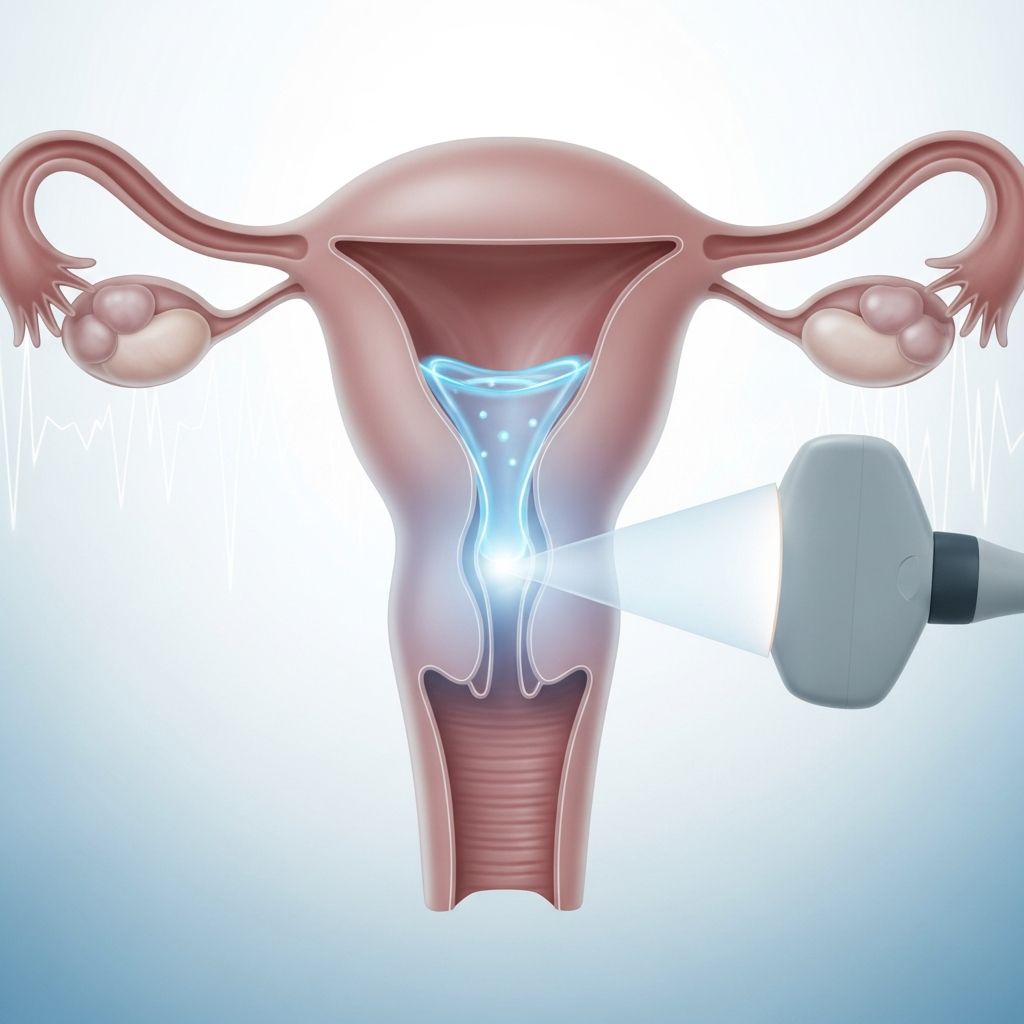
Sonohysterography, also known as saline infusion sonography (SIS) or saline hysterosonography, is a specialized diagnostic ultrasound procedure that provides detailed imaging of the inside of the uterus. Unlike standard transvaginal ultrasound, sonohysterography allows healthcare providers to visualize the endometrial cavity—the inner lining of the uterus—with exceptional clarity by introducing a small amount of sterile saline solution into the uterine cavity. This technique expands the uterine cavity, creating optimal conditions for ultrasound visualization and enabling physicians to identify structural abnormalities, lesions, and other conditions that may not be visible on conventional imaging studies.
The procedure combines real-time ultrasound imaging with controlled fluid instillation, making it an invaluable tool in reproductive medicine and gynecological diagnostics. Because sonohysterography provides superior visualization of the endometrial cavity compared to standard transvaginal ultrasound alone, it has become an essential diagnostic resource for evaluating women with various gynecological and fertility concerns.
Why is Sonohysterography Performed?
Sonohysterography serves multiple diagnostic purposes and is indicated for evaluating numerous gynecological conditions. Healthcare providers recommend this procedure when patients present with symptoms or clinical findings that require detailed assessment of the uterine cavity.
Common indications for sonohysterography include:
- Abnormal uterine bleeding, including heavy or prolonged menstrual periods
- Vaginal bleeding between menstrual cycles
- Chronic or recurring pelvic pain
- Infertility or difficulty conceiving
- Recurrent pregnancy loss or miscarriage
- Evaluation of uterine leiomyomata (fibroids) and their relationship to the endometrial cavity
- Detection and characterization of endometrial polyps
- Assessment of uterine synechiae (adhesions)
- Evaluation of congenital uterine abnormalities
- Investigation of abnormalities detected on previous transvaginal ultrasonography
- Assessment of fallopian tube patency
- Suboptimal visualization of the endometrium on routine transvaginal ultrasound
The procedure can help identify various pathologies including endometrial polyps, uterine fibroids, unusual uterine shapes, signs of endometriosis, and indications of endometrial cancer, providing clinicians with the diagnostic information needed to guide treatment decisions and patient counseling.
How is Sonohysterography Performed?
Sonohysterography is performed as an outpatient procedure in a radiology or ultrasound facility. The procedure typically takes 15 to 30 minutes, though the actual ultrasound examination time is often shorter. Understanding the procedural steps can help patients feel more comfortable and prepared.
Pre-Procedure Preparation
Before undergoing sonohysterography, patients should schedule the procedure strategically within their menstrual cycle. It is best to perform sonohysterography immediately after the patient’s period ends and within 10 days after the first day of the menstrual period. This timing is optimal for several reasons: it minimizes the risk of infection, ensures that the endometrium is thin enough for good visualization, and reduces the possibility of performing the procedure if the patient is unknowingly pregnant.
Patients will be asked to change into a hospital gown and empty their bladder before the procedure begins. A pregnancy test may be recommended before the procedure if clinically indicated to rule out pregnancy. Patients should inform their healthcare provider about any allergies, particularly latex allergies or reactions to povidone iodine or other antiseptic solutions, as these materials may be used during the procedure.
The Procedure
During the sonohysterography procedure, the patient lies on an examination table in a position similar to a gynecological exam. A transvaginal ultrasound probe is gently inserted into the vagina to visualize the uterus and ovaries. The ultrasound transducer may be covered with a latex sheath, and an antiseptic solution is used to cleanse the cervix and vaginal area.
Related Stories



Once optimal visualization is achieved, a thin catheter is carefully passed through the cervix into the uterine cavity. Sterile saline solution is then slowly infused through the catheter to gently expand the uterine cavity. As the saline fills the space, it creates a clear acoustic window that allows the ultrasound probe to visualize the endometrial cavity, uterine walls, and any internal structures in precise detail. The healthcare provider carefully evaluates the uterine cavity while observing real-time ultrasound images on a monitor, documenting any abnormalities or areas of concern.
What to Expect During the Procedure
Patients may experience mild discomfort during sonohysterography, similar to menstrual cramping, particularly when the catheter is inserted through the cervix and when saline is infused into the uterus. Some patients describe feeling pressure as the uterine cavity expands with fluid. It is important to remember that pain experiences vary significantly among individuals; some may describe the procedure as causing only mild discomfort, while others may experience moderate pain. Patients should communicate openly with their healthcare provider during the procedure and should not hesitate to report intense pain, as they do not need to push through significant discomfort.
After the procedure is complete, the catheter is removed and the saline fluid naturally drains from the uterus. The entire process is typically completed within 15 to 30 minutes.
Benefits of Sonohysterography
Sonohysterography offers several important advantages over other diagnostic imaging modalities. The procedure provides significantly more detailed visualization of the uterine cavity than standard transvaginal ultrasound alone, allowing healthcare providers to detect subtle abnormalities that might otherwise be missed. This enhanced diagnostic capability can lead to earlier detection of pathology, more accurate diagnosis, and better-informed treatment planning.
The procedure is non-invasive, uses ultrasound technology that relies on sound waves rather than ionizing radiation, so there is no radiation exposure to the patient. Additionally, sonohysterography is a relatively quick outpatient procedure with minimal recovery time, allowing patients to return to normal activities almost immediately. The diagnostic information obtained from sonohysterography often eliminates the need for more invasive diagnostic procedures, potentially reducing costs and patient morbidity while providing definitive answers to clinical questions about uterine anatomy and pathology.
Risks and Complications
Sonohysterography is a safe procedure with very few risks. Most patients experience minimal side effects, and the procedure is generally well-tolerated. However, patients should be aware of potential complications and know when to seek medical attention.
Common Side Effects
Mild pain or discomfort is common after sonohysterography. Patients may experience light cramping or vaginal bleeding following the procedure, which typically resolves quickly. The cramping should improve rapidly after the procedure and after the fluid drains from the uterus. Light bleeding or spotting may occur due to tissue irritation from the transvaginal ultrasound transducer or from the catheter insertion, but this typically stops within a couple of days.
Most doctors advise taking over-the-counter nonsteroidal anti-inflammatory drugs (NSAIDs) such as ibuprofen or acetaminophen to relieve discomfort, and using a heating pad may also help manage cramping symptoms.
Serious Complications
Serious complications from sonohysterography are rare. In very rare cases, the procedure can lead to pelvic infection, with an incidence of approximately 0.95%. Healthcare providers take multiple precautions to minimize infection risk, including using sterile technique, performing the procedure at the appropriate time in the menstrual cycle, and ensuring proper patient screening before the procedure.
Patients should contact their healthcare provider immediately if they develop signs of infection after sonohysterography, which may include fever, severe pain, or unusual vaginal discharge. These symptoms warrant prompt medical evaluation and possible antibiotic treatment.
Who Should Not Have This Procedure?
Sonohysterography is contraindicated in certain clinical situations. Pregnant women and women who could be pregnant should not have sonohysterography, as the procedure should be avoided during pregnancy. A pregnancy test may be recommended before the procedure to ensure the patient is not pregnant.
Women with active pelvic inflammatory disease should not undergo sonohysterography. If the healthcare provider’s examination reveals concerning signs of active pelvic infection or unexplained pelvic tenderness, the sonohysterography should be deferred until after appropriate treatment has been completed.
Additionally, sonohysterography may be challenging or limited in patients with cervical stenosis, where difficulty inserting the catheter into the cervical canal may prevent adequate fluid instillation. Uterine scarring or extensive fibroids may also partially obscure the uterine cavity, potentially preventing the physician from obtaining optimal ultrasound images.
Preparation for Sonohysterography
Proper preparation helps ensure the best possible results from the sonohysterography procedure. Patients should schedule the procedure within the first 10 days after the start of their menstrual period, preferably immediately after menstruation ends. This timing is crucial for optimizing visualization and minimizing infection risk.
Before arriving for the procedure, patients should inform their healthcare provider about:
- Any history of pelvic inflammatory disease or current pelvic infection
- Latex allergies or sensitivities
- Allergies to povidone iodine or other antiseptic solutions
- Current medications, particularly blood thinners
- Any recent abnormal Pap smear results or cervical procedures
- Pregnancy status or possibility of pregnancy
Healthcare providers should explain the procedure, including all benefits and risks, to the patient before the procedure is performed. This discussion allows patients to ask questions, express concerns, and provide informed consent. Taking ibuprofen or other NSAIDs 30 minutes to one hour before the procedure may help reduce discomfort, though patients should check with their healthcare provider before taking any medications.
Recovery and Aftercare
Recovery from sonohysterography is quick and straightforward. Patients should be able to return to their usual activities almost immediately after the procedure. The procedure does not typically cause serious side effects that would interfere with work, school, or other daily activities.
Some patients may wish to abstain from intercourse for a day or so if they experience discomfort or vaginal bleeding. Any light bleeding should stop within a couple of days. Patients may use over-the-counter pain relievers and heating pads to manage any lingering discomfort.
Patients should contact their healthcare provider if they develop fever, severe pain, or abnormal vaginal discharge in the days following the procedure, as these symptoms may indicate infection requiring medical attention.
Clinical Considerations and Provider Requirements
Sonohysterography should be performed by qualified healthcare providers with appropriate training and experience. Credentialing obstetrician-gynecologists to perform or supervise diagnostic sonohysterography should be based on education, training, experience, and demonstrated competence in performing and interpreting transvaginal ultrasonography and sonohysterography. The provider should be skilled in the transcervical placement of catheters to ensure safe and effective procedure performance.
Although routine use of antibiotic prophylaxis is not recommended, consideration should be given to administering antibiotics based on individual patient risk factors. This individualized approach helps balance infection prevention with appropriate antimicrobial stewardship.
Frequently Asked Questions
Q: Is sonohysterography painful?
A: Sonohysterography typically causes mild discomfort similar to menstrual cramping. Pain levels vary among individuals. Some patients experience only mild discomfort while others report moderate pain. You should communicate with your healthcare provider during the procedure and should not feel obligated to push through intense pain. Over-the-counter pain relievers taken before the procedure may help minimize discomfort.
Q: How long does the procedure take?
A: Sonohysterography typically takes 15 to 30 minutes total. The actual ultrasound examination time is often shorter, though the complete appointment may take longer when accounting for preparation and post-procedure time.
Q: When should I schedule my sonohysterography?
A: It is best to schedule sonohysterography immediately after your menstrual period and within 10 days after the first day of your period. This timing optimizes visualization, minimizes infection risk, and reduces the possibility of performing the procedure during an early pregnancy.
Q: Can I return to normal activities after the procedure?
A: Yes, you should be able to return to your usual activities almost immediately after sonohysterography. The procedure typically does not cause serious side effects that interfere with work or daily responsibilities. Some patients may wish to abstain from intercourse for a day or two if they experience discomfort.
Q: What are the main risks of sonohysterography?
A: Sonohysterography is a safe procedure with minimal risks. Common side effects include mild cramping and light vaginal bleeding, which typically resolve quickly. In rare cases (less than 1%), the procedure may lead to pelvic infection. Your healthcare provider takes precautions to minimize infection risk through proper sterile technique and careful patient screening.
Q: Who should not have sonohysterography?
A: Sonohysterography should not be performed in pregnant women or women who could be pregnant. Additionally, women with active pelvic inflammatory disease should not undergo this procedure. Your healthcare provider will screen for these and other contraindications before performing sonohysterography.
Q: Does sonohysterography use radiation?
A: No, sonohysterography does not use radiation. The procedure uses ultrasound technology, which relies on sound waves rather than ionizing radiation, so there is no radiation exposure during the test.
References
- Sonohysterography — University of Rochester Medical Center. Accessed December 1, 2025. https://www.urmc.rochester.edu/encyclopedia/content?contenttypeid=135&contentid=371
- Sonohysterography: Clinical Guidance and Technology Assessment — American College of Obstetricians and Gynecologists (ACOG). Published August 2016. https://www.acog.org/clinical/clinical-guidance/technology-assessment/articles/2016/08/sonohysterography
- Sonohysterography – Ultrasound of the Uterus (Saline Infusion Sonography) — Radiological Society of North America (RSNA). Accessed December 1, 2025. https://www.radiologyinfo.org/en/info/hysterosono
- Sonohysterogram: Procedure, Fertility, Pain & Side Effects — Cleveland Clinic. Accessed December 1, 2025. https://my.clevelandclinic.org/health/diagnostics/22320-sonohysterogram
- Sonohysterography — Healthline. Accessed December 1, 2025. https://www.healthline.com/health/womens-health/sonohysterogram
Similar Articles








Read full bio of Sneha Tete