Sorafenib Tablets (Nexavar): Essential Guide For Cancer Therapy
Comprehensive guide to Sorafenib (Nexavar) tablets: uses, dosage, side effects, and patient advice for treating advanced cancers.
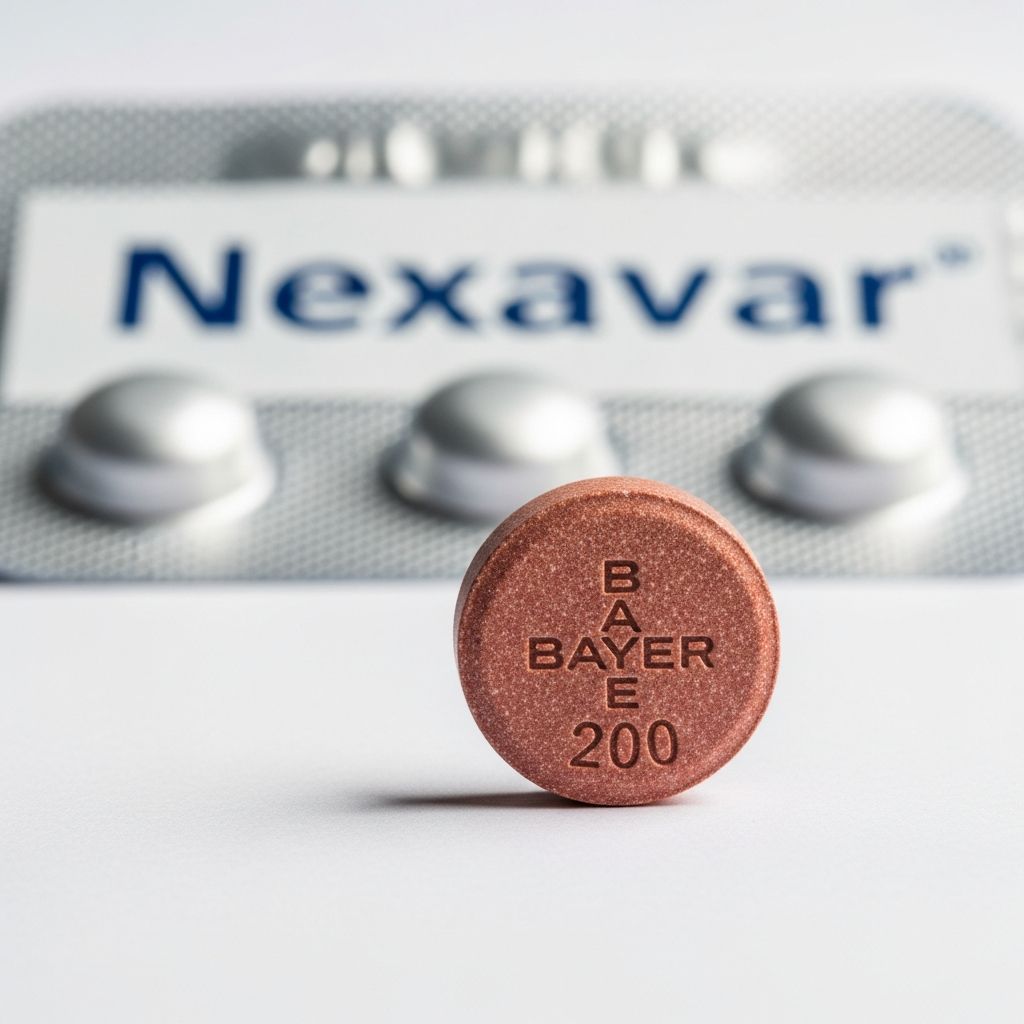
Sorafenib tablets, sold under the brand name Nexavar, represent a significant advancement in targeted cancer therapy. This oral medication belongs to the class of multikinase inhibitors, specifically designed to combat advanced forms of liver cancer (hepatocellular carcinoma), kidney cancer (renal cell carcinoma), and differentiated thyroid carcinoma that is refractory to radioactive iodine. Approved by major regulatory bodies such as the European Medicines Agency (EMA) and the U.S. Food and Drug Administration (FDA), Nexavar works by blocking key enzymes involved in cancer cell proliferation and tumor blood vessel formation, offering patients with unresectable or metastatic disease a valuable treatment option when surgery or other therapies are not feasible.
About Sorafenib Tablets
Sorafenib, the active ingredient in Nexavar, is a small-molecule drug that targets multiple kinases—enzymes critical for cell signaling pathways. As a protein kinase inhibitor, it disrupts the RAF/MEK/ERK pathway, which regulates tumor cell growth, and inhibits vascular endothelial growth factor receptors (VEGFR) and platelet-derived growth factor receptors (PDGFR), thereby preventing angiogenesis—the formation of new blood vessels that tumors rely on for nutrients and oxygen. This dual mechanism not only slows cancer cell division but also starves the tumor, potentially shrinking it or delaying progression.
Available as 200 mg film-coated tablets, Nexavar is taken orally, making it convenient for outpatient use. It was first approved for advanced renal cell carcinoma in 2005, followed by hepatocellular carcinoma in 2007 and differentiated thyroid carcinoma in 2013. Clinical evidence from pivotal trials demonstrates its efficacy in extending progression-free survival and overall survival in these hard-to-treat cancers.
Key Uses of Sorafenib
Nexavar is indicated for specific advanced cancers where standard treatments have failed or are inapplicable:
- Hepatocellular Carcinoma (HCC): For unresectable liver cancer, the SHARP trial showed patients on sorafenib had a median overall survival of 10.7 months versus 7.9 months on placebo, with time to progression of 5.5 months versus 2.8 months.
- Advanced Renal Cell Carcinoma (RCC): Targets patients with metastatic kidney cancer; a phase 3 study reported progression-free survival of 5.5 months compared to 2.8 months with placebo.
- Differentiated Thyroid Carcinoma (DTC): For locally recurrent or metastatic progressive DTC refractory to radioactive iodine, the DECISION trial indicated median progression-free survival of 10.8 months versus 5.8 months on placebo.
While primarily approved for these indications, ongoing research explores its role in other malignancies like desmoid tumors by inhibiting tyrosine kinases that promote abnormal cell growth.
How Sorafenib Works
The mechanism of action of sorafenib is multifaceted, targeting several intracellular and cell surface kinases. It inhibits RAF kinases (including CRAF and BRAF), which are central to the MAPK/ERK signaling cascade that drives uncontrolled cell proliferation in cancer cells. Additionally, by blocking VEGFR-2/3, PDGFR-β, FLT3, and c-KIT, sorafenib hampers tumor vascularization, reducing the tumor’s ability to grow and metastasize. This targeted approach minimizes damage to healthy cells compared to traditional chemotherapy, though off-target effects can still occur.
In practical terms, patients may notice slowed disease progression, reduced tumor burden on imaging scans, and improved quality of life metrics during treatment. However, responses vary based on tumor biology, patient comorbidities, and adherence to therapy.
Before Taking Sorafenib
Prior to initiating Nexavar, a thorough medical evaluation is essential. Inform your doctor if you have:
- Heart conditions, hypertension, or bleeding disorders, as sorafenib can elevate blood pressure and increase cardiac risks.
- Liver impairment, given the risk of drug-induced hepatitis with elevated transaminases.
- History of stroke, heart attack, or electrolyte imbalances.
- Pregnancy or breastfeeding status—sorafenib is contraindicated in pregnancy due to potential fetal harm; effective contraception is required.
Related Stories



Blood tests for liver function, electrolytes (especially phosphate), and coagulation parameters should be baseline assessments. Genetic testing for certain mutations may influence treatment decisions in thyroid cancer cases.
How to Take Sorafenib
The standard dosage is 400 mg twice daily (two 200 mg tablets in the morning and evening), totaling 800 mg per day. Tablets should be swallowed whole, without crushing or chewing, and taken on an empty stomach—at least 1 hour before or 2 hours after meals—to optimize absorption.
| Dose Schedule | Timing | Notes |
|---|---|---|
| 400 mg (2 tablets) | Morning, empty stomach | Consistent daily timing |
| 400 mg (2 tablets) | Evening, empty stomach | Avoid food interference |
Miss a dose? Take it as soon as remembered unless close to the next dose—do not double up. Dose reductions to 400 mg daily or interruptions may be needed for toxicities. Regular monitoring includes weekly blood pressure checks initially, then monthly.
Cautions and Interactions
Sorafenib carries black box warnings for cardiovascular events (e.g., cardiac ischemia/infarction risk up to 2.9%) and hepatotoxicity. Monitor for hypertension (managed with antihypertensives), hand-foot skin reaction, and electrolyte disturbances.
Drug Interactions:
- CYP3A4 inducers/inhibitors (e.g., rifampin, ketoconazole) alter sorafenib levels—adjust doses accordingly.
- Warfarin or other anticoagulants increase bleeding risk; use alternatives like low-molecular-weight heparin.
- Neomycin reduces absorption; separate administration.
Alcohol and grapefruit should be avoided, as they may exacerbate liver strain or alter metabolism. Driving is generally safe unless dizziness occurs.
Side Effects of Sorafenib
Common side effects (affecting >20% of patients) include:
- Diarrhea (managed with loperamide).
- Hand-foot skin reaction (erythema, pain; use urea creams, dose reduce).
- Fatigue, weight loss, rash, alopecia.
- Hypertension, hypophosphatemia.
Serious effects: Liver failure, bleeding, heart issues—seek immediate care for chest pain, severe abdominal pain, or jaundice. In trials, most were manageable with supportive care.
Common Questions About Sorafenib
Will sorafenib cure my cancer? No, it aims to control advanced disease, not cure it. Survival benefits are measured in months of extended life.
How long until it works? Effects on scans may appear after 1-3 months; symptom relief varies.
Can I take it with food? No, empty stomach for best absorption.
What if I experience severe side effects? Contact your oncologist; dose adjustments or pauses are common.
Patient Tips for Managing Treatment
- Hydrate well to combat diarrhea and skin issues.
- Use moisturizers for skin reactions; avoid hot water.
- Maintain a balanced diet; monitor weight weekly.
- Track blood pressure at home.
- Join support groups for emotional coping.
Treatment duration is continuous until disease progression or intolerable toxicity. Regular imaging and tumor markers guide continuation.
Clinical Trial Insights
Landmark trials like SHARP (HCC: OS 10.7 vs 7.9 months), TARGET (RCC: PFS 5.5 vs 2.8 months), and DECISION (DTC: PFS 10.8 vs 5.8 months) underpin its approvals, with benefits outweighing risks in advanced settings.
References
- Nexavar | European Medicines Agency (EMA) — EMA. 2023. https://www.ema.europa.eu/en/medicines/human/EPAR/nexavar
- Sorafenib (Nexavar): What patients need to know? — OncoDaily. 2024. https://oncodaily.com/drugs/sorafenib-nexavar-patient-version
- Sorafenib (Nexavar®) — OncoLink. 2024. https://www.oncolink.org/cancer-treatment/oncolink-rx/sorafenib-nexavar-R
- Sorafenib (Nexavar®) – Patient Education Sheet — University of Pennsylvania. 2022. https://www.med.upenn.edu/kidney2022/assets/user-content/documents/sorafenib-nexavar-eng-us.pdf
- NEXAVAR (sorafenib) tablets Prescribing Information — FDA. 2018-12-01. https://www.accessdata.fda.gov/drugsatfda_docs/label/2018/021923s020lbl.pdf
- Nexavar (Sorafenib) for Desmoid Tumor — MyDesmoidTumorTeam. 2024. https://www.mydesmoidtumorteam.com/treatments/nexavar
- Sorafenib (oral route) – Mayo Clinic — Mayo Clinic. 2024. https://www.mayoclinic.org/drugs-supplements/sorafenib-oral-route/description/drg-20068145
Similar Articles








Read full bio of medha deb