Sore Back? Try a Massage for Pain Relief
Discover how massage therapy can effectively relieve back pain and improve mobility naturally.
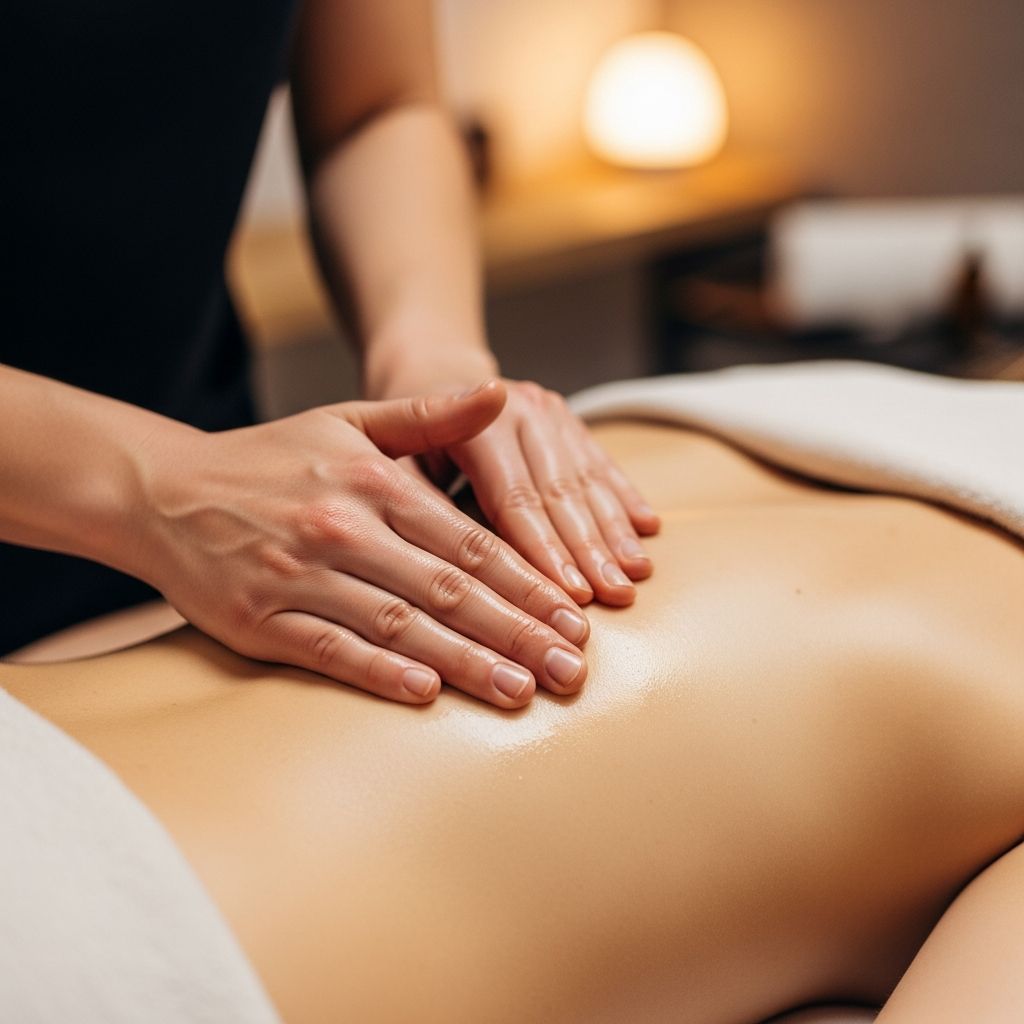
Back pain is one of the most prevalent health complaints affecting millions of adults worldwide. Whether caused by poor posture, prolonged sitting, muscle strain, or injury, persistent back pain can significantly impact your quality of life and daily activities. While many people turn to medications or invasive procedures for relief, massage therapy offers a natural, effective, and non-intrusive alternative that has been recognized by leading health institutions as a legitimate treatment option.
According to Harvard Health Publishing at Harvard Medical School, massage is not just a luxury but now considered a legitimate therapy for several painful conditions. With documented chronic pain or an injury, some insurance plans will even cover the cost of medical massage, so it’s worth checking with your benefits provider. The National Center for Complementary and Integrative Health confirms that research reviews and clinical trials have shown massage therapy may help with chronic neck and low back pain.
Understanding Back Pain and Its Causes
Back pain can stem from various sources, including muscle strain, poor ergonomics, sedentary lifestyle, and underlying medical conditions. When muscles become tight or go into spasm, they restrict blood flow to the affected area. This reduction in oxygen causes the production of lactic acid, which is often responsible for the pain and discomfort you experience. Understanding the root cause of your back pain is essential for finding the right treatment approach.
Two sets of muscles are common culprits in back pain: the QL (quadratus lumborum) and the gluteus medius. The gluteus medius, or buttocks muscle, often compensates for a tense QL and can become inflamed from overuse. When your pain doctor or massage therapist identifies these specific muscle groups as the source of your discomfort, targeted treatment becomes much more effective.
How Massage Therapy Works for Back Pain
Massage therapy addresses back pain through multiple physiological mechanisms that work together to provide both immediate relief and long-term benefits. Here’s how this therapeutic approach helps restore your back to health:
Restoring Blood Flow and Oxygen Supply
One of the primary ways massage alleviates back pain is by restoring blood circulation to affected muscles. When muscles are in spasm or tension, blood flow becomes restricted, limiting oxygen delivery to cells. This oxygen deprivation triggers the production of lactic acid, the substance that causes pain and muscle fatigue. By massaging the muscle tissue, therapists return normal blood flow to the area, reducing lactic acid buildup and promoting cellular healing. Improved circulation also brings essential nutrients and oxygen to damaged tissues, accelerating recovery.
Releasing Muscle Tension and Knots
Tight muscles in your back can cause significant pain and limit your range of motion, sometimes making even basic movements difficult. Licensed massage therapists use various techniques to locate and release knots in your back muscles. When these tension points are loosened, your mobility can greatly improve. For people who experience sensitivity to deep pressure or suffer from conditions like fibromyalgia, lighter massage techniques can be equally beneficial as deep tissue massage.
Related Stories



Stimulating Natural Pain Relief
Massage therapy triggers the release of endorphins, the body’s natural “feel-good” chemicals that act as pain relievers. Additionally, massage reduces stress hormones like cortisol, which often intensify pain perception and inflammation. This dual mechanism—releasing natural painkillers while reducing stress hormones—creates a calmer nervous system and diminishes your overall pain experience.
Reducing Inflammation
When massage increases blood flow to inflamed areas, it helps reduce swelling and inflammation in the muscles and surrounding tissues. This is particularly beneficial for conditions where inflammation contributes significantly to pain. By addressing inflammation at its source, massage provides more comprehensive relief than temporary pain management alone.
Types of Massage for Back Pain
Different massage techniques offer varying benefits for back pain relief. Your massage therapist can recommend the most appropriate type based on your specific condition and pain severity:
Swedish Massage
Swedish massage is one of the most common types of massage therapy, employing long, gentle strokes alternated with kneading motions. This technique improves circulation, eases tension, and promotes overall relaxation. It’s an excellent choice for those seeking general back pain relief and stress reduction without intense pressure.
Deep Tissue Massage
Deep tissue massage targets the deeper layers of muscle and connective tissue, making it ideal for chronic back pain and severe muscle tension. However, those with fibromyalgia or heightened sensitivity to pressure should discuss this option with their therapist, as lighter techniques may be more appropriate.
Trigger Point Therapy
Trigger point therapy focuses on specific trigger points that cause pain. The American Academy of Pain Management (AAPM) acknowledges that neuromuscular therapy is effective for relieving pain. This pressure massage may feel somewhat uncomfortable initially until adequate blood flow is restored to the affected area, but it often provides significant relief for localized pain.
Shiatsu Massage
Originating in ancient Japan, Shiatsu massage uses components of neuromuscular therapy. The therapist applies pressure using fingers, thumbs, and palms to specific points on the body to promote energy flow and correct disharmonies. This technique regulates the nervous system and stimulates circulation, offering a holistic approach to pain relief.
What to Expect During and After Treatment
During Your Massage Session
A typical massage session lasts 60 minutes, though some sessions may be longer depending on your needs and the extent of your back pain. Your massage therapist will discuss your symptoms, medical history, and specific areas of concern before beginning treatment. If you’ve seen a pain doctor, your therapist will work from their diagnosis and recommendations to better target the cause of your pain. Communication is essential—let your therapist know if the pressure is too intense or if you need adjustments to your comfort level.
Post-Massage Recovery
After your massage session, expect some temporary soreness. Your muscles will likely remain somewhat painful for 24 to 36 hours following the treatment, particularly if deep tissue techniques were used. This is a normal response as tissues begin to heal and inflammation reduces. However, after this initial period, your pain should be significantly reduced, and your muscles should remain relaxed for four to fourteen days, depending on your stress level and daily activities.
Treatment Duration and Frequency
The timeline for back pain relief through massage depends on your specific condition. If your diagnosis involves soft tissues such as muscles and tendons, you should feel some relief even after your first session. Most muscle spasms require approximately four massages over six weeks to effectively eliminate the problem. Chronic conditions may require ongoing maintenance massage sessions to manage pain and prevent recurrence. Your massage therapist will develop a personalized treatment plan tailored to your unique needs and condition severity.
Complementary Approaches to Enhance Results
While massage therapy is highly effective on its own, combining it with other wellness practices amplifies its benefits and promotes faster recovery:
Strengthen Your Core
Gentle core exercises support your spine and improve posture, reducing strain on your back muscles. A stronger core provides better stability and protection for your spine during daily activities.
Stretch Your Hips
Stretching your hip flexors daily helps reduce strain on your lower back. Tight hip flexors contribute to poor posture and increased back tension, so regular stretching is essential for long-term relief.
Be Mindful of Posture
Keep your shoulders back, chest open, and avoid slumping forward at your desk. Poor posture is a leading cause of back pain and muscle tension. Being mindful of your alignment throughout the day prevents pain from returning.
Combine with Chiropractic Care
Massage therapy is especially helpful when combined with chiropractic care. If your muscles are tense because your spine is not aligned correctly, a chiropractor can use hand manipulations to adjust your spine, while massage relaxes the problem area before and after treatment.
Holistic Benefits Beyond Pain Relief
Stress Reduction and Mental Health
Back pain isn’t just physical—it’s stressful and emotionally taxing. Massage helps calm your mind and reduce stress, making it easier for your body to heal. Studies have shown that massage can reduce anxiety and depression, offering mental health benefits alongside physical relief. Consistent massage therapy reduces the severity of chronic moderate anxiety, particularly when anxiety is related to work stress or medical concerns.
Improved Mobility and Flexibility
Tight muscles limit how well you can move and perform daily activities. Massage gently stretches and loosens muscles, helping you regain flexibility and preventing future pain. This restored range of motion allows you to return to activities you enjoy without limitation.
Better Sleep Quality
When pain decreases and your nervous system becomes calmer, sleep quality naturally improves. Many people find that regular massage sessions help them sleep more soundly, which further supports healing and recovery.
Personalized Treatment Plans
Every person’s back pain is unique, requiring individualized assessment and treatment. When seeking massage therapy, look for licensed therapists who will create personalized massage sessions designed to address the root cause of your pain, not just the symptoms. Whether you need a 60-minute relaxation massage or a focused deep tissue treatment, your therapist should tailor their approach to your specific condition, pain level, and personal preferences.
When to Seek Professional Help
While massage is effective for many types of back pain, certain conditions require coordination with your healthcare provider. If your back pain is severe, persistent, or accompanied by other symptoms like numbness or tingling, consult with a pain doctor before beginning massage therapy. In some cases, your pain doctor may inject soft tissue with painkilling medicine to help you exercise and strengthen your muscles, or provide anti-inflammatory injections to reduce swelling and pain. A comprehensive treatment approach combining medical expertise with massage therapy often yields the best results.
Insurance Coverage and Accessibility
Many insurance plans recognize massage therapy as a legitimate medical treatment and provide coverage for therapeutic massage sessions when recommended for documented chronic pain or injury. Check with your benefits provider to understand your coverage options and any requirements you need to meet, such as a referral from your primary care physician or pain specialist.
Frequently Asked Questions (FAQs)
Q: How often should I get a massage for back pain?
A: Most muscle spasms require approximately four massages over six weeks. After initial treatment, the frequency depends on your condition and stress levels. Your therapist will recommend a schedule tailored to your needs.
Q: Will massage be painful?
A: Some discomfort during trigger point therapy or deep tissue massage is normal as blood flow is restored. However, communicate with your therapist about pressure levels. Post-massage soreness typically lasts 24-36 hours before significant pain reduction occurs.
Q: Can massage help chronic back pain?
A: Yes. Research shows massage therapy is effective for chronic neck and low back pain. It addresses root causes like muscle tension and poor circulation rather than just masking symptoms.
Q: What type of massage is best for my back pain?
A: The best type depends on your specific condition. Swedish massage suits general relief, deep tissue targets severe tension, trigger point therapy focuses on specific pain points, and Shiatsu offers holistic nervous system regulation. Discuss options with your therapist.
Q: Does insurance cover massage therapy?
A: Many insurance plans cover therapeutic massage for documented chronic pain or injury. Contact your provider to verify coverage and any requirements like medical referrals.
Q: How long until I feel relief?
A: You may feel some relief after your first session. For soft tissue-related pain, significant improvement typically occurs within a few weeks of consistent treatment.
References
- Lower Back Pain from Sitting: How Massage Helps — Massage Works Therapy & Spa. 2025. https://www.massageworksfw.com/blog/lower-back-pain-from-sitting-how-massage-helps/
- Massage Therapy For Back Pain — Pain Treatment Specialists. 2025. https://www.paintreatmentspecialists.com/massage-therapy-for-back-pain/
- Massage Therapy in Harvard — Harvard Chiropractic. 2025. https://www.harvardchiropractic.com/massage-therapy/
- The Benefits of Back Massages Extend Beyond Relaxation — Flexispot Spine Care Center. 2025. https://www.flexispot.ca/spine-care-center/the-benefits-of-back-massages-extend-beyond-relaxation
- Massage Therapy for Back Pain — Paul Massage. 2025-04-14. https://paulmassage.uk/2025/04/14/massage-therapy-for-back-pain/
- Complementary and Integrative Health Approaches — National Center for Complementary and Integrative Health. 2025. https://nccih.nih.gov/
- Health Information and Resources — Harvard Health Publishing, Harvard Medical School. 2025. https://www.health.harvard.edu/
Similar Articles








Read full bio of medha deb