Sore Nipples: Causes, Treatment & When to Seek Help
Comprehensive guide to understanding sore nipples, their causes, and effective treatment options.
Understanding Sore Nipples: A Comprehensive Guide
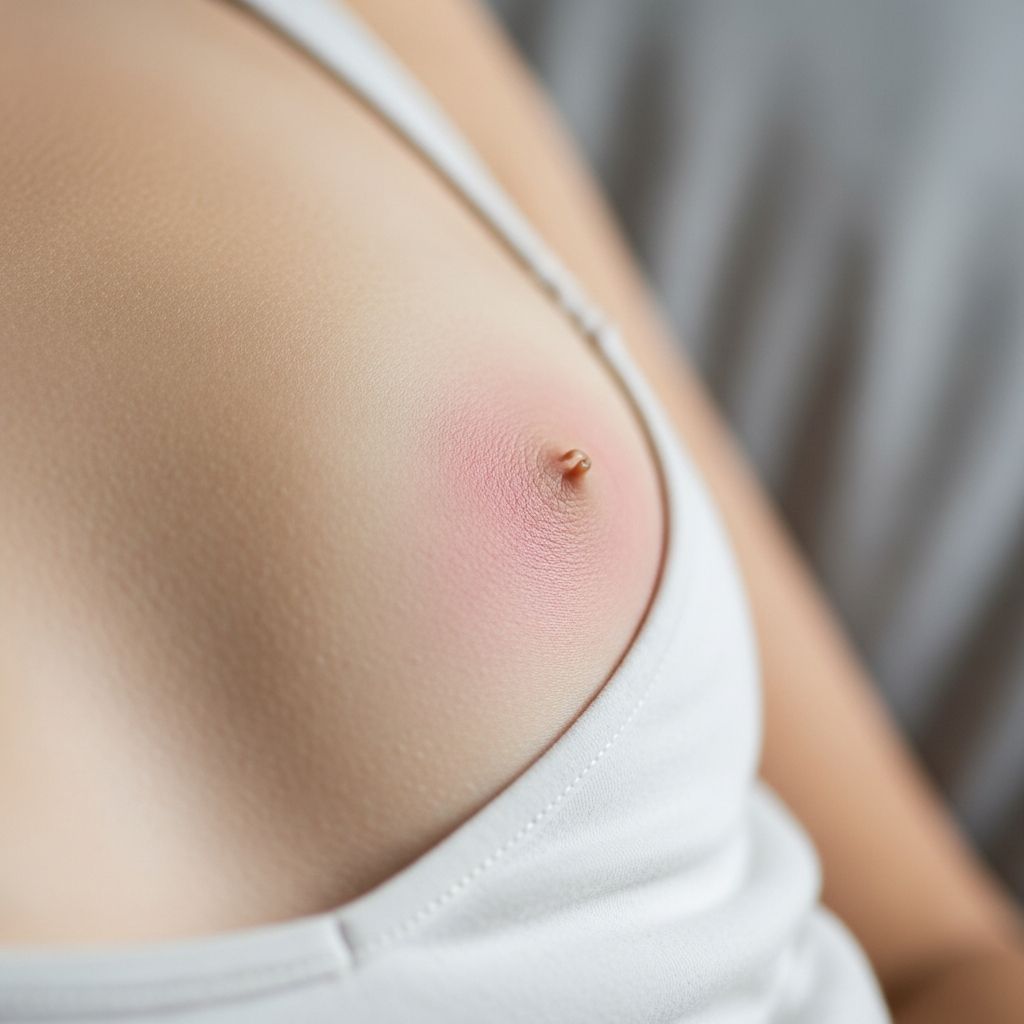
Nipples are among the most sensitive areas of the human body, and when they become sore, the discomfort can be both physically painful and emotionally distressing. Sore nipples, also known as nipple pain or nipple soreness, can occur for various reasons ranging from completely harmless causes to more serious conditions requiring medical attention. The key to effective treatment lies in understanding what’s causing your nipple soreness and taking appropriate action based on that underlying cause.
Whether you’re experiencing mild discomfort or severe pain that’s affecting your daily activities, it’s important to recognize that sore nipples are a common condition that affects many people. The good news is that most cases of sore nipples are treatable with home remedies, lifestyle adjustments, or medical interventions depending on the underlying cause. Understanding the potential causes, recognizing warning signs, and knowing when to seek professional help are essential steps in managing this condition effectively.
Common Causes of Sore Nipples
Sore nipples can develop for numerous reasons, and identifying the specific cause is crucial for determining the most effective treatment approach. Here are the most common culprits behind nipple soreness:
Hormonal Changes
One of the most prevalent causes of sore nipples is hormonal fluctuation. Hormonal changes that accompany menstruation can cause significant nipple tenderness and breast soreness, typically occurring in the days or weeks before your period begins. This happens because estrogen and progesterone levels rise, causing breast tissue to swell and become sensitive. Additionally, hormonal changes during menopause can trigger nipple soreness as your body adjusts to fluctuating hormone levels. Women using hormonal birth control may also experience sore nipples as a side effect of the synthetic hormones in their contraceptive methods.
Pregnancy and Breastfeeding
Pregnancy represents one of the most common periods when women experience sore nipples. As your body prepares for lactation, your nipples undergo significant changes to prepare for breastfeeding. After delivery, breastfeeding itself can cause nipple soreness, particularly in the early weeks. Improper latch, incorrect positioning, or excessive friction from nursing can lead to raw, chafed, and sore nipples. Many new mothers experience cracked or fissured nipples during the second or third week after giving birth, which is considered a normal part of the breastfeeding learning curve.
Irritants and Contact Dermatitis
Your nipples can become sore when exposed to irritating substances through contact dermatitis. Common irritants include harsh laundry detergents, strong soaps, perfumed lotions, fabric softeners, and other personal care products. These irritants can cause the delicate skin around your nipples to become red, dry, and chafed. Even materials in certain bras or clothing can trigger irritation if they’re not breathable or if they cause excessive friction. Identifying and avoiding these irritants is often the first step in relieving soreness caused by contact dermatitis.
Eczema
Eczema, a chronic inflammatory skin condition, can develop on the nipples and surrounding areola. Nipple eczema causes intense itching, redness, and dry, flaky skin that can become extremely uncomfortable. The condition can be triggered or worsened by exposure to irritants like harsh soaps, detergents, or lotions. While there’s no cure for eczema, the condition can be effectively managed through proper skincare, moisturization, and medical treatments.
Yeast Infections
Nipple yeast infections, often caused by Candida albicans, can occur particularly in breastfeeding mothers. These infections can cause intense itching, burning sensations, and a characteristic rash on or around the nipple. Yeast infections may develop after antibiotic use or in warm, moist environments, making them relatively common in nursing mothers.
Infections and Mastitis
Mastitis, an infection of the breast tissue, can cause significant nipple pain along with breast swelling, redness, and warmth. This condition typically affects breastfeeding mothers and requires prompt medical attention. Other infections, including bacterial infections of the nipple area, can also cause soreness and require antibiotic treatment.
Other Conditions
Cracked nipples or nipple fissures, milk blebs (fluid-filled blisters on the nipple surface), and mammary duct ectasia can all cause nipple pain and soreness. Additionally, certain rare types of breast cancer, such as Paget’s disease of the nipple and inflammatory breast cancer, can present with nipple soreness accompanied by other symptoms like itching, redness, oozing, or unusual discharge.
Recognizing Symptoms and Warning Signs
While nipple soreness itself is a symptom, it’s important to recognize accompanying signs that might indicate a more serious condition requiring medical evaluation. Isolated nipple soreness that resolves within a few days or weeks is typically not cause for concern. However, you should seek medical attention if you experience:
- Nipple soreness that persists for more than two to three weeks
- Worsening pain despite home treatment efforts
- Visible changes such as flattened, inverted, or unusually swollen nipples
- Nipple discharge, particularly if it’s bloody or unusual in color
- Extreme redness, warmth, or swelling of the breast
- Signs of infection such as fever or chills
- Itching, redness, or oozing that resembles eczema
- Presence of crusting, scabbing, or open wounds
Home Remedies and Self-Care Strategies
For many cases of sore nipples, home remedies and self-care measures can provide significant relief. These approaches are particularly effective for soreness caused by irritation, friction, or minor infections.
Adjust Your Clothing
One of the first steps in managing sore nipples is eliminating sources of friction and irritation. Avoid tight-fitting bras or clothing made from non-breathable materials. Choose soft, breathable fabrics that won’t cause additional irritation. After exercising, remove sweaty sports bras promptly to prevent moisture buildup and friction. Going braless occasionally can also provide relief by reducing friction against sensitive skin.
Gentle Cleansing
Use only mild, fragrance-free cleansers when washing your breasts and nipples. Avoid harsh soaps, body washes with strong fragrances, or products containing irritating chemicals. Pat your skin gently dry after bathing rather than rubbing, which can cause additional irritation.
Moisturizing and Balms
Applying moisturizing products can help soothe sore nipples and promote healing. Over-the-counter options include lanolin cream, petroleum jelly (Vaseline), organic nipple balms, and zinc oxide products. These products help create a protective barrier and keep the skin hydrated. However, be aware that some individuals may have allergic reactions to lanolin, making petroleum jelly or zinc oxide better alternatives for those with sensitivities.
Warm Compresses
Applying warm (not hot) compresses to sore nipples can provide pain relief and promote healing. Warm compresses can be particularly helpful for soreness related to mastitis or other infections, as they help improve circulation and reduce inflammation. Use a clean cloth or specialized breast compress for 10-15 minutes at a time.
Baking Soda and Salt Baths
If you have eczema or other inflammatory skin conditions affecting your nipples, taking warm baths with added baking soda, salt, or apple cider vinegar may help alleviate symptoms. Pat your skin gently dry after bathing to avoid further irritation.
Over-the-Counter Treatment Options
Several over-the-counter products are specifically formulated to relieve sore nipples and promote healing:
Topical Creams and Ointments
Various OTC creams are available for nipple soreness relief. Lanolin nipple cream is widely used, though some women experience allergic reactions. Petroleum jelly serves as an effective and affordable alternative. Zinc oxide products, commonly used as diaper cream, can also provide relief and protection. These products work by moisturizing the skin and creating a protective barrier against irritants.
Pain Relief Options
Over-the-counter pain relievers such as ibuprofen or acetaminophen can help manage discomfort while you’re waiting for home remedies to take effect. These can be particularly helpful if soreness is interfering with sleep or daily activities.
When to Seek Professional Medical Care
While many cases of sore nipples resolve with home care, certain situations warrant professional medical evaluation. You should contact your healthcare provider if:
- Nipple soreness persists beyond a few weeks despite home treatment
- Pain is severe or worsening over time
- You notice signs of infection such as fever, warmth, or pus
- Your nipple appearance changes significantly
- You experience nipple discharge that’s unusual in color or consistency
- Home remedies haven’t provided relief after consistent use
Medical Treatments for Sore Nipples
When home remedies aren’t sufficient, healthcare providers have several treatment options available depending on the underlying cause.
Prescription Topical Treatments
For eczema or dermatitis, doctors may prescribe prescription-strength topical steroid creams to reduce inflammation and itching. Topical calcineurin inhibitors represent another option that works by suppressing the immune response causing eczema symptoms. These medications are applied directly to the affected area and can provide significant relief from persistent symptoms.
Antibiotic Therapy
If bacterial infection such as mastitis is diagnosed, oral antibiotics are typically prescribed to eliminate the infection and reduce inflammation. It’s important to complete the full course of antibiotics as directed by your healthcare provider, even if symptoms improve before the medication is finished.
Antifungal Treatments
For yeast infections of the nipple, antifungal medications may be prescribed. These can include topical antifungal creams applied directly to the nipple or oral antifungal medications such as fluconazole (Diflucan). Your healthcare provider will determine the most appropriate treatment based on the severity of the infection.
Lactation Support
For breastfeeding-related soreness, working with a lactation consultant can be invaluable. These specialists can teach proper positioning and latch techniques that reduce strain on your nipples and prevent future soreness. They can also advise on pumping techniques if you need to take a break from direct breastfeeding while your nipples heal.
Special Considerations for Breastfeeding
Breastfeeding mothers face unique challenges with nipple soreness, as continuing to nurse is often desired while managing pain. Lactation consultants recommend alternating breasts during feeding sessions to distribute pressure more evenly. Some mothers choose to pump and bottle-feed temporarily while their nipples heal. Using proper latching techniques, ensuring correct positioning, and gradually returning to direct breastfeeding under professional guidance can help minimize discomfort while maintaining your breastfeeding goals.
Preventing Future Nipple Soreness
Prevention is often easier than treatment. Several strategies can help reduce your risk of developing sore nipples:
- Choose appropriate, well-fitting bras made from breathable materials
- Use only gentle, fragrance-free cleansers and lotions on your breasts
- Avoid irritating fabrics and tight clothing
- Practice proper breastfeeding techniques with professional guidance if needed
- Change out of wet clothing promptly
- Apply protective balms before engaging in activities that might cause friction
Frequently Asked Questions
Q: How long does it take for sore nipples to heal?
A: The healing timeline depends on the underlying cause. Minor soreness from irritation may resolve within days to a week with proper care. Cracked nipples typically heal within 1-2 weeks, while some conditions like blebs may take several weeks to months to completely resolve.
Q: Can I continue breastfeeding if my nipples are sore?
A: In most cases, yes. Working with a lactation consultant to improve positioning and latch can allow you to continue nursing while managing pain. However, if soreness is severe or accompanied by infection, temporarily pumping and bottle-feeding may be recommended.
Q: When should sore nipples concern me?
A: Seek medical attention if soreness persists beyond a few weeks, worsens despite treatment, or is accompanied by fever, discharge, significant swelling, or changes in nipple appearance.
Q: Are sore nipples a sign of breast cancer?
A: While rare, certain types of breast cancer such as Paget’s disease or inflammatory breast cancer can cause nipple soreness along with other symptoms. If you have nipple soreness accompanied by unusual changes, seek medical evaluation for proper diagnosis.
Q: What’s the best cream for sore nipples?
A: Petroleum jelly (Vaseline), organic nipple balms, and zinc oxide products are generally safe and effective. Lanolin is also popular but may cause allergic reactions in some individuals. Choose based on your skin sensitivity and any known allergies.
References
- Sore Nipple Treatment: Effective Remedies for Quick Relief — HealthCentral. December 2025. https://www.healthcentral.com/article/nipple-pain-and-soreness-causes-and-treatment
- Cracked Nipple (Nipple Fissure) Causes & Treatment — Cleveland Clinic. https://my.clevelandclinic.org/health/diseases/22605-nipple-fissure
- Eczema on Nipples: Symptoms, Causes & Treatment — Cleveland Clinic. https://my.clevelandclinic.org/health/diseases/22105-eczema-on-nipples
- Nipple Yeast Infection: Nipple Pain, Itching & Rash — Cleveland Clinic. https://my.clevelandclinic.org/health/symptoms/22968-nipple-yeast-infection
- Mastitis: Causes, Symptoms, Treatment & Prevention — Cleveland Clinic. https://my.clevelandclinic.org/health/diseases/15613-mastitis
- Milk Bleb: Blister, Causes, Symptoms & Treatment — Cleveland Clinic. https://my.clevelandclinic.org/health/symptoms/milk-bleb
Similar Articles





Read full bio of Sneha Tete