Sore Throat (Pharyngitis): Causes & Treatment
Understanding pharyngitis: Learn causes, symptoms, treatments, and when to seek medical care.
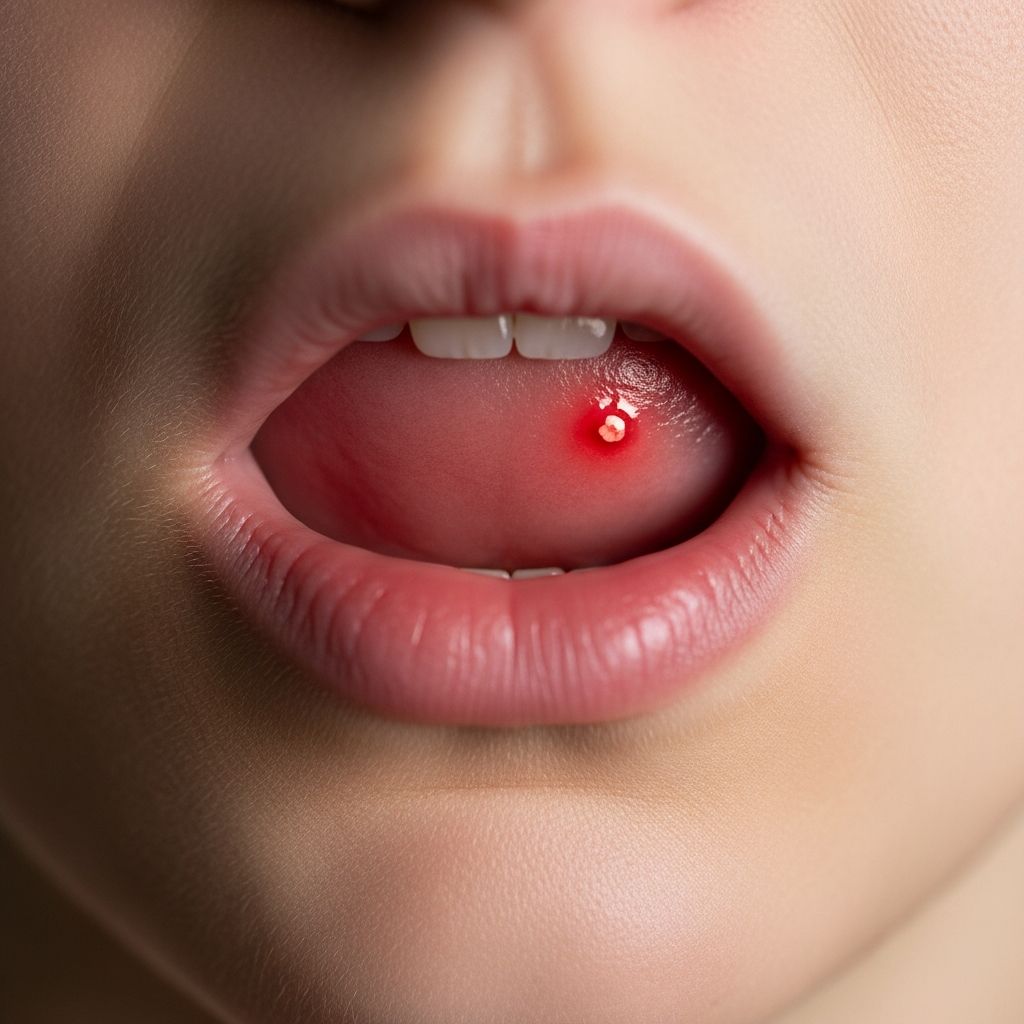
What Is a Sore Throat (Pharyngitis)?
A sore throat, medically known as pharyngitis, is a scratchy, painful, or burning feeling in the back of your throat (pharynx). This condition occurs when the tissue lining your throat, called the mucosa, becomes inflamed. If you have pharyngitis, you may experience discomfort when swallowing or talking, which can range from mild irritation to severe pain that affects your daily activities.
The sensation might begin as a simple tickle or dryness in your throat, but it can progressively worsen into sharp pain, especially when you swallow or speak. You may even feel pain radiating to your ears or down the side of your neck. Most cases of sore throat are temporary and resolve within a few days to a week, but understanding the underlying causes and available treatments can help you recover more effectively.
Types of Pharyngitis
Healthcare providers categorize pharyngitis into two main types based on how long your symptoms last:
- Acute pharyngitis: This type involves symptoms that develop suddenly and typically resolve within three to ten days. Acute pharyngitis is the most common form and is usually caused by viral infections like the common cold or influenza.
- Chronic pharyngitis: This type occurs when a sore throat persists for longer than ten days or keeps returning repeatedly. Chronic pharyngitis may indicate an underlying condition that requires professional medical evaluation and targeted treatment.
Causes of Sore Throat
Sore throats can develop from various causes, ranging from common infections to environmental factors. Understanding what triggers your symptoms is essential for determining the appropriate treatment approach.
Viral Infections
Most sore throats result from viral infections, with the common cold and flu being the primary culprits. These viral infections are highly contagious and spread easily through respiratory droplets. When you have a viral sore throat, you may experience accompanying symptoms such as cough, runny nose, sneezing, and general malaise. Viral infections typically clear on their own within seven to ten days as your immune system fights off the infection.
Bacterial Infections
While less common than viral infections, bacterial infections can also cause pharyngitis. Streptococcus pyogenes, commonly known as Group A Streptococcus, causes strep throat, which is a bacterial infection requiring specific treatment. Bacterial sore throats often present with more severe symptoms and may require antibiotics to prevent complications.
Other Causes
Beyond infections, several other factors can irritate your throat and cause discomfort:
- Allergies: Environmental allergens can trigger throat inflammation and irritation
- Dry air: Low humidity levels, especially during winter months or in air-conditioned environments, can dry out your throat tissues
- Sleeping with your mouth open: Mouth breathing during sleep bypasses natural humidification, leading to throat dryness
- Acid reflux: Stomach acid backing up into your esophagus and throat can cause pain and irritation
- Sleep apnea: This condition can contribute to throat irritation and discomfort
- Environmental toxins: Smoke, harsh chemicals, and air pollutants can inflame throat tissues
- Dehydration: Insufficient fluid intake reduces saliva production, leaving your throat vulnerable to irritation
Related Stories



Symptoms of Pharyngitis
Recognizing the symptoms of pharyngitis helps you determine when to seek medical attention. The severity and combination of symptoms can vary depending on whether your sore throat is caused by a viral or bacterial infection.
Primary Symptoms
The hallmark symptom of pharyngitis is throat discomfort, which may manifest as:
- A raspy or scratchy feeling in your throat, as if your throat is dry
- Sharp or burning pain when swallowing or talking
- A tender or raw sensation in the back of your throat
- Difficulty swallowing liquids or solid foods
Associated Symptoms
If an infection is causing your sore throat, you may develop additional symptoms including fever, fatigue, body aches, cough, runny or stuffy nose, sneezing, headache, and swollen lymph nodes in your neck. Some people may also experience nausea or vomiting, particularly if the infection is bacterial or severe.
Diagnosis of Sore Throat
Proper diagnosis is crucial for determining whether your sore throat requires antibiotics or will resolve with supportive care alone. When you visit a healthcare provider, they will conduct a thorough evaluation.
Medical Examination Process
Your healthcare provider will begin by asking detailed questions about your symptoms, including when they started, how severe they are, and what makes them better or worse. They will then perform a physical examination that involves:
- Looking at your throat, tongue, and potentially your ears
- Feeling your neck for swollen lymph nodes
- Checking for signs of inflammation or exudates (white or yellow coating)
- Taking your temperature to check for fever
Strep Testing
If your healthcare provider suspects a bacterial infection, they may perform a strep test to identify Group A Streptococcus bacteria. This simple test involves swabbing your throat and sending the sample to a laboratory for analysis. Testing is important because it determines whether you need antibiotics or if your infection will resolve on its own with home care. The results help guide your treatment plan and prevent unnecessary antibiotic use.
Treatment Options for Sore Throat
Treatment depends entirely on what’s causing your pharyngitis. The approach differs significantly between viral and bacterial infections.
Viral Infections
Since viral infections are self-limiting, meaning they resolve on their own as your immune system fights the infection, treatment focuses on symptom relief. Viral sore throats typically clear up within one week without requiring specific medication. However, your healthcare provider may recommend over-the-counter medicines to ease discomfort, such as pain relievers and anti-inflammatory medications.
Bacterial Infections
If your sore throat results from a bacterial infection like strep throat, your healthcare provider will prescribe antibiotics. Antibiotics are essential for treating bacterial infections because they eliminate the bacteria and prevent serious complications. It’s important to take the full course of antibiotics as prescribed, even if you feel better before finishing the medication.
Additional Treatment Strategies
Regardless of the cause, several treatments can help manage your symptoms while your body heals:
- Over-the-counter pain relievers: Acetaminophen or ibuprofen can reduce pain and fever
- Throat lozenges: Medicated lozenges provide temporary pain relief
- Warm liquids: Tea, broth, and warm water soothe irritated tissues
- Honey: A spoonful of honey can coat your throat and provide relief
- Humidifier: Adding moisture to the air reduces throat irritation
- Salt water gargles: Mixing salt with warm water and gargling can reduce inflammation
- Baking soda gargles: An alternative gargle option that may provide comfort
- Rest: Allowing your body to recover is essential for healing
When to Contact a Healthcare Provider
While most sore throats resolve without medical intervention, certain situations warrant professional evaluation. You should contact a healthcare provider if:
- Your sore throat lasts longer than one week
- Your symptoms get worse instead of improving
- You develop a high fever (above 103°F or 39.4°C)
- You notice swollen lymph nodes that don’t improve
- You experience difficulty swallowing or breathing
- You develop a rash
- You experience severe or persistent ear pain
- You notice any change in your voice or vocal quality
- You have a weakened immune system due to another condition
- You develop symptoms suggesting a serious condition
Prevention of Sore Throat
Since most sore throats result from viral infections like colds and flu, reducing your exposure to these viruses is the most effective prevention strategy. You can protect yourself by:
- Washing your hands regularly: Frequent hand washing removes viruses and bacteria before they reach your mouth and throat
- Avoiding close contact with sick individuals: Maintaining distance from people with active infections reduces transmission
- Covering your mouth when coughing or sneezing: Use a tissue or your elbow to prevent spreading respiratory droplets
- Staying hydrated: Drinking plenty of fluids keeps your throat moist and supports immune function
- Getting adequate sleep: Quality sleep strengthens your immune system’s ability to fight infections
- Managing allergies: Controlling environmental allergies reduces throat irritation
- Avoiding smoking and secondhand smoke: Smoke irritates throat tissues and increases infection susceptibility
- Maintaining proper humidity: Using a humidifier prevents your throat from drying out
- Practicing good hygiene: Keeping your environment clean reduces pathogen exposure
Prognosis and Recovery
Most sore throats are not serious medical conditions and typically resolve without complications. Viral sore throats usually improve within three to ten days with supportive care. If your sore throat lasts longer than this timeframe, it may indicate a condition requiring prescription medications or other treatments your healthcare provider can recommend.
The outlook for chronic pharyngitis depends on identifying and addressing the underlying cause. With appropriate treatment, the prognosis is usually good. However, if left untreated, chronic pharyngitis can persist for several weeks or continue returning periodically. Early identification and treatment of the root cause significantly improves outcomes and prevents prolonged discomfort.
Home Remedies for Sore Throat Relief
While waiting for medical care or during recovery from a viral infection, several home remedies can provide comfort and support healing:
- Gargling with warm salt water: Mix half a teaspoon of salt in warm water and gargle several times daily
- Using honey: A spoonful of honey coats your throat and provides soothing relief
- Consuming warm liquids: Tea, warm lemon water, or broth soothes irritated tissues
- Taking a hot shower: Steam from a hot shower humidifies your throat
- Using a humidifier: Adding moisture to your bedroom air reduces dryness
- Staying hydrated: Drink plenty of water to keep your throat moist
- Resting your voice: Limit talking and whispering to reduce throat strain
- Avoiding irritants: Stay away from smoke, harsh chemicals, and very hot foods
Frequently Asked Questions About Sore Throat
Q: How long does a sore throat typically last?
A: Most viral sore throats resolve within three to ten days with supportive care. If your sore throat persists beyond one week, contact your healthcare provider.
Q: Can I get a sore throat from cold weather?
A: Cold weather itself doesn’t directly cause sore throats, but cold, dry air can irritate your throat tissues. Increased indoor heating during winter also reduces humidity, contributing to throat dryness.
Q: Is it safe to exercise with a sore throat?
A: If you have mild symptoms without fever, gentle activity may be acceptable. However, rest is generally recommended to allow your body to focus on fighting the infection.
Q: When should I see a doctor for a sore throat?
A: See a healthcare provider if your sore throat lasts longer than one week, worsens, includes severe symptoms like high fever or difficulty swallowing, or if you have signs of a serious condition.
Q: Can antibiotics help with viral sore throats?
A: No, antibiotics are ineffective against viral infections. They only work for bacterial infections. Using antibiotics unnecessarily contributes to antibiotic resistance.
Q: What’s the difference between strep throat and a regular sore throat?
A: Strep throat is caused by Group A Streptococcus bacteria and typically presents with severe throat pain, high fever, and swollen lymph nodes. Regular sore throats from viruses often include cough and runny nose.
References
- Sore Throat (Pharyngitis): Causes & Treatment — Cleveland Clinic. 2024. https://my.clevelandclinic.org/health/diseases/8274-sore-throat-pharyngitis
- Persistent Sore Throat (Chronic Pharyngitis): Causes & Treatment — Cleveland Clinic. 2024-11-26. https://my.clevelandclinic.org/health/diseases/22280-chronic-pharyngitis
- Why You Have a Sore Throat in the Morning — Cleveland Clinic Health. https://health.clevelandclinic.org/sore-throat-in-the-morning
- These 8 Sore Throat Home Remedies Actually Work — Cleveland Clinic Health. https://health.clevelandclinic.org/sore-throat-remedies-that-actually-work
- Minimal Value for Backup Strep Testing and Overuse of Antibiotics — National Center for Biotechnology Information. https://pmc.ncbi.nlm.nih.gov/articles/PMC3663957/
- Strep Throat vs. Sore Throat: How To Tell the Difference — Cleveland Clinic Health. https://health.clevelandclinic.org/strep-throat-sore-throat-best-ways-can-tell
Similar Articles








Read full bio of medha deb