Sotalol: Complete Guide To Uses, Dosage, And Side Effects
Comprehensive guide to sotalol: uses, dosage, side effects, and precautions for treating irregular heart rhythms effectively.
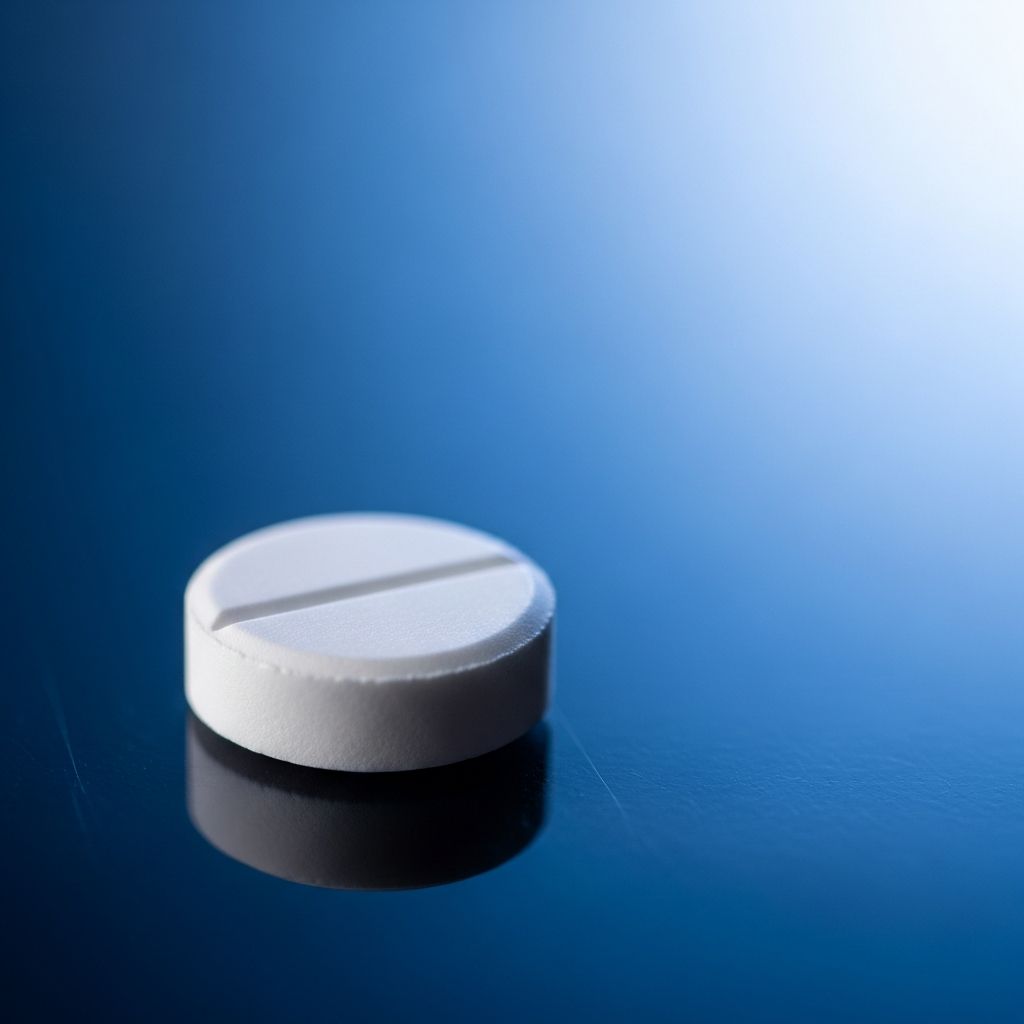
Sotalol is a medication classified as a beta-blocker, primarily prescribed to manage fast or irregular heartbeats known as arrhythmias. It works by slowing the heart rate and stabilizing electrical activity in the heart, making it effective for conditions like atrial fibrillation (AFib), atrial flutter (AFL), and life-threatening ventricular arrhythmias. Treatment with sotalol is typically long-term, requiring regular adherence to maintain heart rhythm control. Patients often start with a low dose, which is gradually increased under medical supervision to minimize risks such as QT prolongation, a potentially serious side effect that can lead to torsades de pointes.
About sotalol
Sotalol hydrochloride is a non-cardioselective beta-blocker with additional class III antiarrhythmic properties due to its potassium channel-blocking action. This dual mechanism helps prolong the action potential duration and effective refractory period in cardiac tissue, reducing the likelihood of re-entrant arrhythmias. Unlike some beta-blockers, sotalol is hydrophilic, which limits its central nervous system penetration and may reduce certain side effects like fatigue from brain-mediated actions. It is available under brand names such as Sotacor, Betapace, and Betapace AF, with formulations tailored for ventricular or supraventricular arrhythmias.
The drug is indicated for documented life-threatening ventricular arrhythmias and to maintain normal sinus rhythm in symptomatic atrial fibrillation or flutter patients without structural heart disease. Clinical trials, such as those for Betapace AF, demonstrated that sotalol at 120 mg twice daily significantly prolonged the time to first recurrence of AFib/AFL compared to placebo, reducing risk at 6 and 12 months. However, initiation requires hospitalization for at least three days with continuous ECG monitoring to assess for proarrhythmic effects, particularly in facilities equipped for cardiac resuscitation.
How to manage sotalol side effects
Common side effects of sotalol include fatigue, dizziness, bradycardia, dyspnea, and proarrhythmia risks like QT prolongation. Less frequent effects encompass nausea, headache, diarrhea, rash, muscle cramps, sleep disturbances, mood changes, sexual dysfunction, taste alterations, and sensory disturbances. Management strategies focus on symptom relief and prompt medical consultation for persistent issues.
| Side Effect | Management Advice |
|---|---|
| Feeling tired, dizzy, sleepy, weak, or light-headed | Do not drive or use tools/machines while affected. Rest until symptoms resolve. If persistent, consult your doctor. |
| Feeling sick (nausea), vomiting, abdominal discomfort, diarrhoea, indigestion, wind | Stick to simple foods like bland meals; avoid spicy or fatty items. Stay hydrated. |
| Headache | Drink plenty of water and use pharmacist-recommended painkillers like paracetamol. Speak to doctor if headaches continue or worsen. |
| Slow heartbeat, heart rhythm problems, shortness of breath, chest pain | Contact your doctor immediately; may require dose adjustment or ECG monitoring. |
| Rash, muscle cramps, sleep issues, mood/sexual changes, taste/hearing/vision disturbances | Speak with your doctor if troublesome. Monitor for allergic reactions. |
Severe side effects like fainting, seizures, or sudden cardiac events warrant emergency care due to QT prolongation risks. Regular electrolyte checks (potassium >4 mEq/L, magnesium >2 mEq/L) are crucial, as hypokalemia exacerbates proarrhythmia.
Who should not take sotalol?
Sotalol is contraindicated in certain conditions due to heightened risks of adverse cardiac events. Inform your doctor if you have:
- Asthma or other breathing difficulties, as beta-blockade can cause bronchospasm.
- Diarrhea, which may lead to electrolyte imbalances worsening QT effects.
- Heart failure, second- or third-degree AV block, sick sinus syndrome without pacemaker, bradycardia-tachycardia syndrome, or Prinzmetal’s angina.
- Recent myocardial infarction (within 2 months), uncompensated CHF, or significant renal impairment (creatinine clearance <50 mL/min).
- QTc >450-460 ms at baseline, electrolyte disturbances, or hypersensitivity to sotalol.
- Diabetes, as it masks hypoglycemia symptoms and may cause hyperglycemia.
- Pregnancy, breastfeeding, or overactive thyroid, requiring careful risk-benefit assessment.
Related Stories



Disclose all medications, including over-the-counter, herbal remedies, insulin, clonidine, or QT-prolonging drugs, as interactions can amplify bradycardia or arrhythmias. Abrupt withdrawal risks exacerbation of angina or myocardial infarction due to hypersensitivity to catecholamines.
How to take sotalol
Follow the manufacturer’s leaflet for detailed instructions. Dosing starts low to assess tolerance:
- Initial: 80 mg once or twice daily, often in hospital with ECG monitoring.
- Maintenance: Gradually titrate to 120-160 mg twice daily based on response and renal function (reduce in CrCl <60 mL/min).
- Take with or without food at consistent times; swallow whole with water.
Renally cleared (unchanged), so dose adjustments are vital in kidney disease. Blood tests, ECGs, and heart rate/blood pressure monitoring are routine.
Getting the most from your treatment
Maximize benefits through adherence and lifestyle integration:
- Attend all doctor appointments for heartbeat checks, blood tests, and ECGs.
- Follow healthy diet, quit smoking, and exercise moderately as advised.
- Diabetes patients: Monitor blood sugar closely, as sotalol masks hypoglycemia.
- Before surgery/dental work: Inform providers about beta-blocker use, especially for anesthesia.
- Avoid self-medication; check with pharmacist for interactions with antihistamines, NSAIDs, or cold remedies.
If symptoms worsen or new ones appear, contact your healthcare team promptly.
Frequently Asked Questions (FAQs)
Q: Why is hospitalization required when starting sotalol?
A: To monitor for QT prolongation and arrhythmias under continuous ECG for at least 3 days on maintenance dose, ensuring cardiac resuscitation availability.
Q: Can sotalol be taken with food?
A: Yes, with or without food, but consistently at the same times daily for better adherence.
Q: What if I miss a dose?
A: Take as soon as remembered unless near next dose; do not double up. Consult doctor for ongoing issues.
Q: Is sotalol safe in pregnancy?
A: Discuss risks with doctor; not recommended unless benefits outweigh potential fetal harm.
Q: How does sotalol affect driving?
A: Avoid if dizzy or tired; effects vary, so monitor personal response.
Q: What lifestyle changes help with sotalol therapy?
A: Healthy diet, no smoking, regular exercise, and electrolyte balance via potassium-rich foods.
This comprehensive guide ensures safe sotalol use. Always consult healthcare professionals for personalized advice.
References
- Sotalol – a beta-blocker – Beta-Cardone, Sotacor — Patient.info. 2023. https://patient.info/medicine/sotalol-a-beta-blocker-sotacor
- Betapace AF (sotalol HCl) Label — U.S. Food and Drug Administration (FDA). 2011-08-01. https://www.accessdata.fda.gov/drugsatfda_docs/label/2011/021151s010lbl.pdf
- Sotalol Tablets (Betapace) — Cleveland Clinic. 2023. https://my.clevelandclinic.org/health/drugs/20719-sotalol-tablets-betapace
- Sotalol – StatPearls — National Center for Biotechnology Information (NCBI), NIH. 2023-07-17. https://www.ncbi.nlm.nih.gov/books/NBK534832/
- Sotalol: MedlinePlus Drug Information — MedlinePlus, National Library of Medicine, NIH. 2023. https://medlineplus.gov/druginfo/meds/a693010.html
- Sotalol: medicine to treat an irregular heartbeat — National Health Service (NHS), UK. 2023. https://www.nhs.uk/medicines/sotalol/
- Sotalol: Uses, Interactions, Mechanism of Action — DrugBank Online. 2023. https://go.drugbank.com/drugs/DB00489
Similar Articles








Read full bio of Sneha Tete