Sound Therapy For Eczema: 3 Key Frequencies To Try
Discover how sound therapy eases eczema symptoms by reducing stress and inflammation for healthier skin.
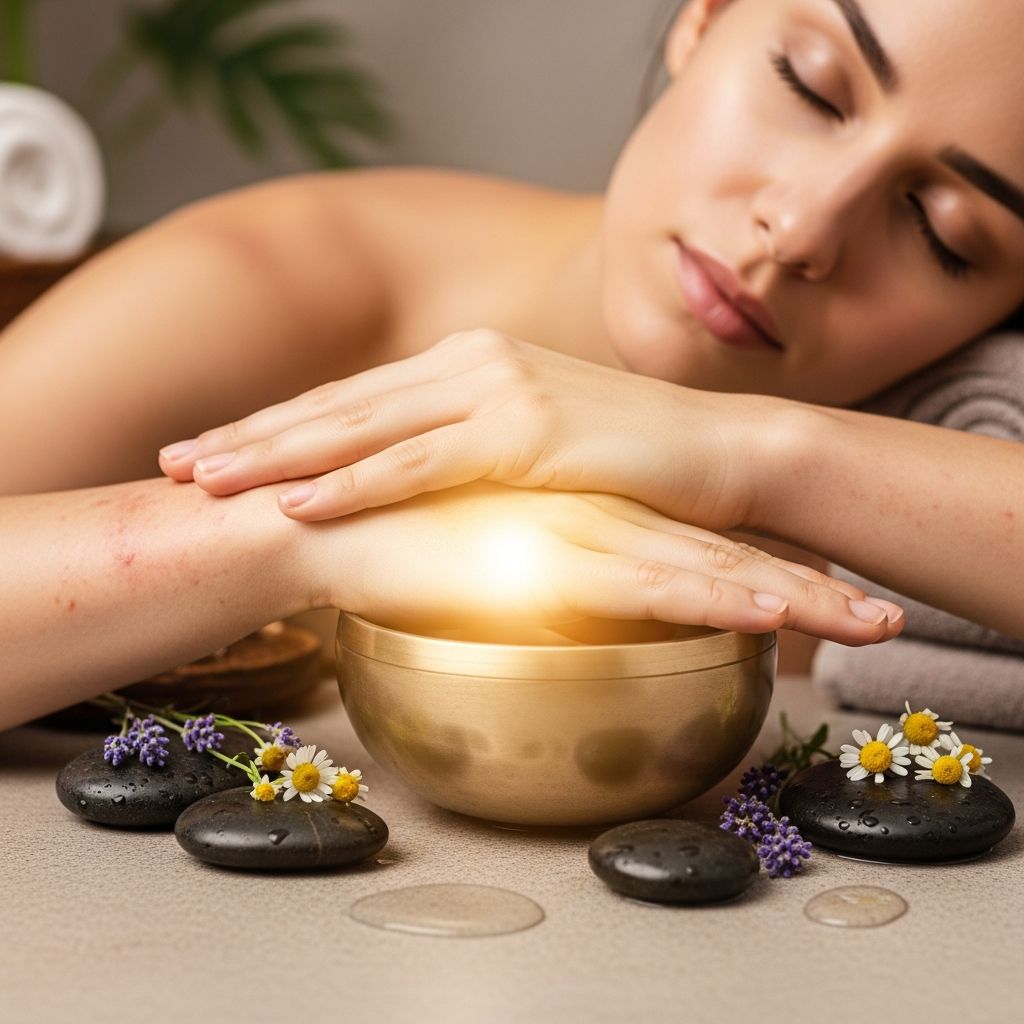
Sound therapy emerges as a promising complementary approach for individuals battling eczema, a chronic skin condition marked by intense itching, redness, and inflammation. By harnessing specific frequencies and musical patterns, this method targets the stress-eczema connection, offering relief without physical irritation from exercise or topical friction.
The Stress-Eczema Connection
Stress plays a pivotal role in eczema flares. When stressed, the body ramps up cortisol production, which heightens inflammation and activates itch signals in the skin. This creates a vicious cycle: itching leads to scratching, worsening the skin barrier and inviting more stress. Sound therapy interrupts this loop by shifting the nervous system into a restful state, activating the parasympathetic response that counters fight-or-flight reactions.
Research highlights how psychological tension exacerbates atopic dermatitis (AD), the most common eczema form. Elevated stress hormones impair immune function, prolonging inflammatory responses in the skin. Unlike conventional treatments like steroids, which address symptoms directly, sound interventions work holistically to address root triggers.
Mechanisms of Sound on Skin Health
At its core, sound therapy uses vibrations to influence the body at cellular and systemic levels. These waves penetrate tissues, promoting circulation, lymphatic drainage, and cellular repair—key for skin regeneration.
- Cellular Regeneration: Frequencies like 528 Hz, known as the ‘love frequency,’ may stimulate DNA repair and tissue healing, aiding damaged eczema-prone skin.
- Nervous System Calm: Gentle tones reduce sympathetic overdrive, lowering cortisol and inflammatory markers linked to flares.
- Immune Modulation: Certain sounds balance immune responses, potentially decreasing allergic reactions common in eczema.
Studies on vibrational effects show improved blood flow and detoxification, essential for clearing toxins that burden inflamed skin.
Scientific Evidence Supporting Sound Therapy
Peer-reviewed trials provide concrete backing for sound’s role in eczema management. A randomized controlled trial by Demirtas et al. involved adults with chronic pruritic skin diseases, mainly eczema. Participants in the music group listened to individualized U-sequence music—characterized by descending tempo and volume—for 20 minutes daily. This led to greater reductions in itch intensity compared to emollient-only controls.
Another double-blind trial by Hajime Kimata tested Mozart versus Beethoven on latex-allergic eczema patients. Only the Mozart group showed significant decreases in skin wheal responses post-listening, indicating music’s anti-allergic effects. These findings suggest specific musical structures influence immune and inflammatory pathways.
Broader research affirms music’s benefits. In a study of 50 adults with moderate AD, music listening reduced allergic skin responses and IgE production. Music therapy also eased pruritus, anxiety, and sleep issues in pediatric cases, with lasting improvements.
| Study | Intervention | Outcomes | Source |
|---|---|---|---|
| Demirtas et al. | U-sequence music (20 min) | Reduced pruritus > emollients | |
| Kimata | Mozart vs. Beethoven (30 min) | Decreased wheal response (Mozart) | |
| AD patients RCT | Music listening | Lower IgE, skin responses |
Key Frequencies for Skin Healing
Not all sounds are equal; targeted frequencies amplify benefits for eczema.
- 528 Hz: Promotes cellular repair and reduces inflammation, ideal for barrier restoration.
- 432 Hz: Induces deep relaxation, cutting stress-induced flares.
- 285 Hz: Supports tissue regeneration, helping heal scratches and cracks.
These align with ancient practices now validated by modern studies on vagus nerve stimulation via humming or tonal vibrations, which dampen systemic inflammation.
Practical Ways to Incorporate Sound Therapy
Accessibility makes sound therapy appealing—no equipment or expertise required initially.
- Daily Listening Sessions: Use apps or playlists with healing frequencies during skincare routines. Start with 15-20 minutes in a quiet space.
- Sound Baths: Immerse in group or solo sessions with gongs, bowls, or chimes for full-body vibration.
- Tuning Forks: Apply directly to affected areas for localized relief, combining with gentle massage.
- Music Therapy: Seek certified therapists for personalized U-sequence tracks targeting itch cycles.
Related Stories



For best results, consistency matters. Pair with standard care like moisturizers, avoiding triggers like sweat-inducing activities that worsen friction.
Complementary Benefits Beyond Eczema
Sound therapy’s reach extends to related issues. It alleviates pain, as shown in a 2022 mouse study where low-level sounds diminished responses long-term. For psoriasis and acne, similar anti-inflammatory effects apply via stress reduction.
In children, ‘magic music’ recordings with relaxation suggestions cut steroid use by 50-60% and improved sleep/mood. Adults report less anxiety and better emotional regulation, breaking the stress-scratch cycle.
Potential Limitations and Safety
While promising, sound therapy isn’t a cure-all. Results vary by individual factors like consistency and condition severity. Those with auditory sensitivities should consult professionals. No major risks noted, unlike singing bowls’ rare contraindications.
Always integrate with dermatologist-approved plans. Trials show additive benefits with topicals, not replacements.
FAQs
What frequencies help eczema most?
528 Hz for repair, 432 Hz for calm, and 285 Hz for tissues stand out.
How long until I see eczema improvements?
Weeks to months with daily practice; stress relief often comes quicker.
Is sound therapy safe for kids with eczema?
Yes, studies show benefits in reducing itch and steroid needs.
Can it replace my eczema creams?
No, it complements by managing stress triggers.
Where to start with sound therapy?
Free apps with binaural beats or YouTube healing tracks.
Getting Started Guide
Build a routine:
- Morning: 432 Hz for stress reset.
- Evening: 528 Hz during moisturizing.
- Weekly: Sound bath for deep reset.
Track flares in a journal to measure progress.
References
- Four Science-Backed Benefits of Sound Therapy — Anomeo. 2022. https://anomeo.com/four-science-backed-benefits-of-sound-therapy/
- Sound Healing for Skin Issues: Vibrational Therapy for Acne, Eczema & More — Miracles Worldwide. N/A. https://miraclesworldwide.com/sound-healing-for-skin-issues-vibrational-therapy-for-acne-eczema-more/
- Alternative Psychotherapeutic Approaches to the Treatment of Eczema — PMC (National Library of Medicine). 2022-12-01. https://pmc.ncbi.nlm.nih.gov/articles/PMC9760032/
- Integrative Treatment Approaches with Mind–Body Therapies in the Management of Atopic Dermatitis — PMC (National Library of Medicine). 2024. https://pmc.ncbi.nlm.nih.gov/articles/PMC11432615/
- Stress and Eczema — National Eczema Association. N/A. https://nationaleczema.org/eczema-management/stress/
Similar Articles








Read full bio of Sneha Tete