8 Soup Mistakes Making It Unhealthy And How To Fix Them
Avoid these common soup pitfalls that turn a healthy meal into a sodium bomb, calorie trap, or nutrient void.
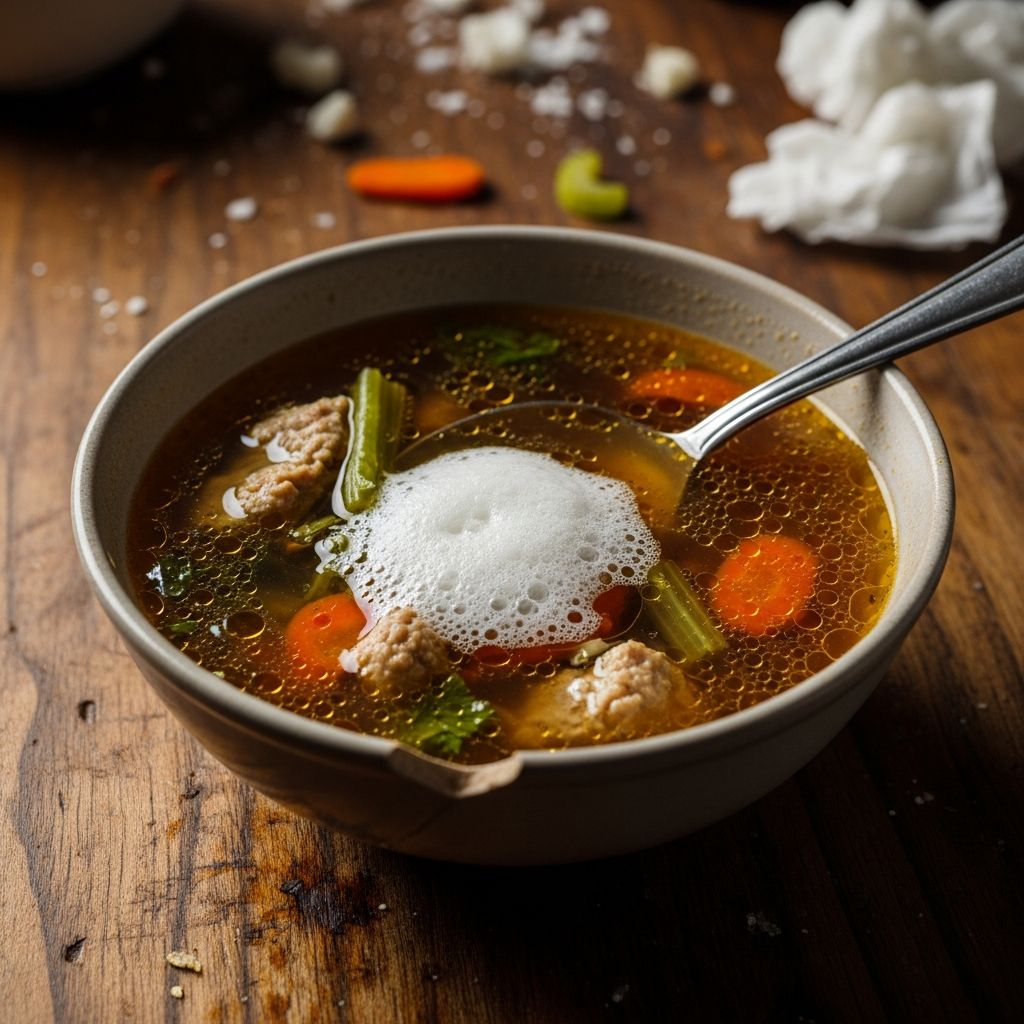
Soup is often hailed as a comforting, nutrient-packed meal, but common preparation and purchasing errors can transform it into a health hazard. From sky-high sodium levels in canned options to toxic contaminants in instant varieties, these pitfalls undermine the benefits of this versatile dish. This article breaks down eight critical mistakes, drawing on scientific insights to help you craft truly nourishing soups.
1. Relying on Canned Soups Without Checking Labels
Canned soups offer convenience but frequently pack excessive sodium, with a single cup exceeding 800 mg—nearly half the American Heart Association’s daily limit of 2,300 mg. A full can often delivers a day’s worth of salt, promoting bloating, hypertension, and heart disease risk.
Saturated fats in cream-based canned soups can hit 7 grams per serving, comprising over half the calories and elevating LDL cholesterol. Additionally, bisphenol A (BPA) from can linings leaches into food, linked to reproductive issues and cancer risks in studies of name-brand products.
- Fix: Opt for low-sodium (<360-600 mg/serving), low-fat, organic cans with beans, veggies, and lean proteins providing ≥10% daily fiber.
- Add fresh or frozen unsalted vegetables to boost fiber, vitamins, and minerals.
2. Ignoring Sodium Overload in Store-Bought Options
Sodium acts as a preservative and flavor booster in processed soups, but overload strains kidneys, retains fluid, and spikes blood pressure. Even ‘healthy’ labels can mislead; always scrutinize nutrition facts.
Homemade soups allow precise control, aligning with dietary needs like reduced salt for heart health.
3. Choosing Instant Soups for Quick Meals
Instant soups, dehydrated for shelf life, concentrate toxic metals like aluminum (Al), cadmium (Cd), and lead (Pb). A PMC study found vegetable instant soups contributing up to 19.56% of Al benchmark dose levels (BMDL) for children aged 3-10, nearing toxic thresholds for nephrotoxic and cardiovascular effects.
| Soup Type | Al (µg/serving, median) | Cd (mg/serving, median) | Lead Contribution (% BMDL, kids 3-10) |
|---|---|---|---|
| Vegetable | 35.83 | 0.024 | 16.28% (nephrotoxic) |
| Poultry | Lower variability | 0.0087-0.069 | 12.96% |
| Meat | High SD | Varies | Up to 9.05% Al |
Cooking water and full diet amplify risks; avoid for young children.
4. Overloading with Cream or Ultra-Processed Bases
Creamy soups from cans or packets rely on ultra-processed ingredients low in fiber, rapidly absorbed, starving gut microbes and eroding protective mucus, per Stanford research. This fosters inflammation and pathogen vulnerability.
Ultra-processed meats in soups link to higher type 2 diabetes risk.
- Healthier swap: Use broth; mimic creaminess with pureed cauliflower, cashew cream, or Greek yogurt.
5. Skipping Fresh Ingredients for Processed Add-Ins
Canning strips water-soluble vitamins; vegetable skins—fiber powerhouses—are often discarded. Processed add-ins like salty bouillon amplify sodium.
BHF notes instant soups as ultra-processed, tied to metabolic issues like obesity and diabetes.
6. Not Controlling Portions or Add-Ons
Labels base on 1-cup servings, but people consume double, doubling sodium and calories unnoticed. Toppings like crackers or bread push it over.
- Tip: Measure servings; pair with salads for balance.
7. Boiling Vigorously, Destroying Nutrients
High heat volatilizes vitamins like C and B. Gentle simmering preserves them.
Related Stories



Overcooking veggies turns them mushy, leaching nutrients into water you discard.
- Best practice: Simmer covered; add delicate greens last.
8. Neglecting Homemade for ‘Healthy’ Claims
Even labeled ‘organic’ processed soups may hide excesses. Homemade ensures quality ingredients, no preservatives, tailored nutrition.
Control sodium with herbs, lemon, vinegar; boost with whole foods.
How to Make Healthier Soups: Pro Tips
Embrace homemade for superiority. Start with low-sodium broth, load veggies, lean proteins, whole grains. Season smartly:
- Herbs/spices: Antioxidants without salt.
- Acid: Vinegar/lemon brightens.
- Fiber boost: Beans, lentils, barley.
Batch-cook and freeze for convenience rivaling cans, minus risks.
Frequently Asked Questions (FAQs)
Q: Is canned soup ever healthy?
A: Yes, if low-sodium (<600 mg/cup), low-fat, BPA-free, and vegetable-rich. But homemade trumps for control.
Q: Why avoid instant soups for kids?
A: High toxic metals like Al and Pb exceed safe levels for ages 3-10, risking kidney and heart issues.
Q: How much sodium is too much in soup?
A: Aim under 360-600 mg per cup; AHA max 2,300 mg daily.
Q: Can ultra-processed soup bases harm gut health?
A: Yes, low fiber starves microbes, promotes inflammation.
Q: Best cream substitute?
A: Pureed veggies, nut milks, or yogurt for lower fat/calories.
By dodging these mistakes, soup becomes a nutrient powerhouse. Prioritize whole ingredients for optimal health.
References
- Canned Vs. Homemade Soup: What Are the Pros and Cons? — InsideTracker. 2024-03-06. https://www.insidetracker.com/a/articles/canned-vs-homemade-soup-pros-and-cons
- Toxic Metals (Al, Cd, and Pb) in Instant Soups — National Institutes of Health (PMC). 2022. https://pmc.ncbi.nlm.nih.gov/articles/PMC9738032/
- Ultra-processed food: Five things to know — Stanford Medicine. 2025-07. https://med.stanford.edu/news/insights/2025/07/ultra-processed-food–five-things-to-know.html
- How Ultra-Processed Meats, Foods Can Affect Type 2 Diabetes Risk — AOL (citing studies). 2024. https://www.aol.com/articles/ultra-processed-meats-foods-affect-130339493.html
- 10 healthy eating mistakes — Healthy Food Guide. N/A. https://www.healthyfood.com/advice/10-healthy-eating-mistakes/
- Ultra-processed foods: how bad are they for your health? — British Heart Foundation. N/A. https://www.bhf.org.uk/informationsupport/heart-matters-magazine/news/behind-the-headlines/ultra-processed-foods
Similar Articles








Read full bio of Sneha Tete