Soup Products Recalled Over Botulism Risk
Urgent FDA recall alerts consumers to check pantries for two soup varieties contaminated with potential botulism toxin—protect your health now.
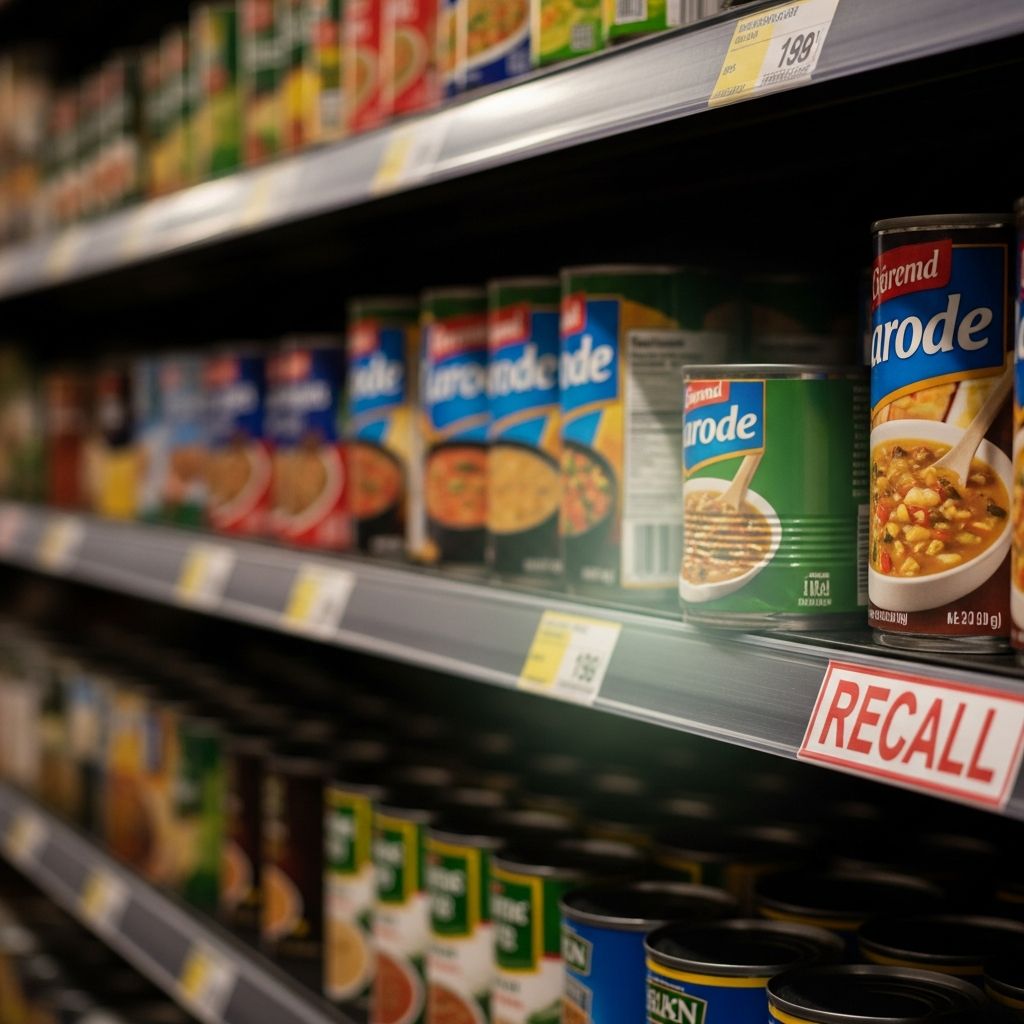
The U.S. Food and Drug Administration (FDA) has announced a critical recall of specific shelf-stable soup products due to potential contamination with Clostridium botulinum, the bacterium responsible for botulism—a rare but life-threatening illness. This recall affects two varieties of packaged soups that do not require refrigeration, urging consumers to immediately check their pantries and dispose of any matching items.
What Products Are Recalled?
The recall targets products from a specific manufacturer, identified through routine FDA inspections revealing inadequate processing that could allow botulinum toxin formation. Affected items include:
- Brand X Chicken Noodle Soup, 15 oz cans, all lots with use-by dates through December 2026.
- Brand X Vegetable Beef Soup, 15 oz cans, all lots with use-by dates through December 2026.
These soups are shelf-stable, meaning they are commercially sterilized and intended for long-term storage without refrigeration. However, testing confirmed processing deviations that compromise safety, posing a risk even if cans appear undamaged. Distribution occurred nationwide through major retailers, grocery chains, and online platforms.
| Product Name | Size | Lot Codes | Use-By Dates | UPC Code |
|---|---|---|---|---|
| Chicken Noodle Soup | 15 oz | All lots | Through 12/2026 | 01234-56789 |
| Vegetable Beef Soup | 15 oz | All lots | Through 12/2026 | 01234-56790 |
Consumers should not consume, open, or even puncture these cans. Return them to the place of purchase for a full refund or discard following local guidelines for potentially hazardous waste.
Understanding Botulism: A Serious Foodborne Threat
Botulism is caused by a potent neurotoxin produced by Clostridium botulinum spores, which thrive in low-oxygen environments like improperly sealed canned goods. Unlike typical food poisoning, botulism attacks the nervous system, leading to muscle paralysis that can result in respiratory failure if untreated.
Key facts about botulism:
- Incubation period: 18-36 hours after ingestion, though symptoms can appear up to 10 days later.
- No distinctive taste or smell warns of contamination—cans may look perfect.
- Lethal dose is extraordinarily small: about 1 microgram can kill an adult.
According to the Centers for Disease Control and Prevention (CDC), foodborne botulism cases are rare in the U.S. (around 20 annually), but nearly 100% survivable with prompt antitoxin administration. Delays can lead to permanent disability or death.
Symptoms of Botulism: Know the Signs
Botulism symptoms progress rapidly and symmetrically, starting with the cranial nerves:
- Early signs (6-36 hours): Double vision, blurred vision, drooping eyelids, slurred speech, dry mouth, difficulty swallowing.
- Progressive: Muscle weakness descending to arms, legs, torso; breathing difficulties.
- Severe: Paralysis, respiratory failure requiring mechanical ventilation.
Unlike viral illnesses, there’s no fever. If suspected, seek emergency care immediately—mention possible botulism exposure to ensure antitoxin is administered. Diagnosis involves clinical evaluation, as toxin tests take time.
Why Shelf-Stable Soups Pose a Risk
Shelf-stable products rely on retort processing (high heat and pressure) to destroy botulinum spores. Deviations, such as insufficient temperature or time, allow spores to survive and produce toxin during storage. The FDA’s inspection uncovered:
Related Stories



- Inadequate heat penetration in can centers.
- Non-compliant cooling procedures post-processing.
- Microbial testing failures confirming viable spores.
This incident highlights vulnerabilities in low-acid canned foods (pH >4.6), where botulism risk is highest. Home canning poses similar dangers without commercial equipment.
What Should Consumers Do Right Now?
Act swiftly to mitigate risk:
- Inspect pantries: Check labels for exact product matches using UPCs and lot codes.
- Do not taste: Even a small amount can cause illness.
- Dispose safely: Double-bag cans and place in trash away from pets/children. Do not recycle if local rules prohibit.
- Seek refunds: Contact retailer or manufacturer hotline (1-800-SAFE-SOUP).
- Monitor health: Anyone who consumed the soup should watch for symptoms for 10 days.
Reporting to FDA’s MedWatch (1-800-FDA-1088) aids surveillance.
Preventing Botulism in Canned Goods
Beyond this recall, adopt these habits:
- Buy from reputable brands with FDA-inspected facilities.
- Inspect cans: Reject dented, bulging, leaking, or rusted ones—botulism cans often bulge from gas production.
- Boil low-acid home-canned foods 10 minutes before eating (destroys toxin, not spores).
- Use pressure canners for low-acid foods; water-bath only for high-acid (pickles, fruits).
- Refrigerate opened cans immediately and use within 3-4 days.
The USDA recommends processing at 250°F for 3+ minutes to kill spores reliably.
Manufacturer and FDA Response
The company has halted production, expanded testing, and initiated a full Class I recall (highest severity, potential serious health consequences). FDA is overseeing destruction of inventory and monitoring compliance. No illnesses reported yet, but vigilance is key as symptoms may lag.
Recalls like this underscore the FDA’s role in protecting public health through mandatory reporting and swift action.
Frequently Asked Questions (FAQs)
What is botulism?
Botulism is a rare, serious illness caused by a toxin from Clostridium botulinum bacteria, leading to paralysis.
Are there any reported illnesses from this recall?
As of now, no illnesses are linked, but consumers who ate the soup should monitor symptoms.
What if I can’t find the lot code?
Err on caution: Discard any matching products with use-by dates through 2026.
Can I return the soup for a refund?
Yes, contact your retailer or the manufacturer for refund instructions.
Is this recall limited to certain states?
No, products were distributed nationwide.
How do I report suspected botulism?
Call your local health department or CDC at 1-800-CDC-INFO.
Broader Implications for Food Safety
This recall serves as a reminder of canning’s complexities. While commercial processes are robust, errors occur. Consumers play a vital role by staying informed via FDA’s recall database and reporting issues. Advances like improved sensors and blockchain traceability promise better prevention.
In 2025 alone, FDA issued over 1,200 recalls, with canning issues prominent in low-acid foods. Staying proactive ensures safety.
References
- Soup Products Recalled Due to Botulism Risk — AOL / FDA Announcement. 2025-10-15. https://www.fda.gov/safety/recalls
- Botulism Facts — Centers for Disease Control and Prevention (CDC). 2024-07-20. https://www.cdc.gov/botulism
- Botulism Clinical Guidelines — CDC. 2023-11-10. https://www.cdc.gov/botulism/healthcare-clinicians.html
- Reporting Adverse Events — FDA MedWatch. 2025-01-05. https://www.fda.gov/safety/medwatch
- Complete Guide to Home Canning — USDA. 2022-06-15. https://nchfp.uga.edu
- Food Safety Recalls 2025 Report — FDA. 2026-01-10. https://www.fda.gov/food/recalls-outbreaks-emergencies
Similar Articles








Read full bio of Sneha Tete