Best Soup Recipes for Healthy Blood Pressure Management
Discover delicious low-sodium soup recipes designed to support healthy blood pressure naturally.
Understanding Blood Pressure and Nutrition
High blood pressure, or hypertension, affects millions of people worldwide and is a significant risk factor for heart disease and stroke. One of the most effective ways to manage blood pressure naturally is through dietary modifications. Soups represent an excellent nutritional option because they combine protein, vegetables, and whole grains in a single, easily digestible form. Research from the National Heart, Lung, and Blood Institute emphasizes that reducing sodium intake while increasing potassium, magnesium, and fiber consumption can meaningfully lower blood pressure readings.
The key to creating blood pressure-friendly soups lies in controlling sodium content, incorporating potassium-rich vegetables, and using lean proteins. Most commercial soups contain excessive sodium, often exceeding the daily recommended limit in a single serving. By preparing soups at home, you maintain complete control over ingredients and sodium levels, allowing you to create nourishing meals that support cardiovascular health.
Essential Ingredients for Blood Pressure-Friendly Soups
Low-Sodium Broths and Stocks
The foundation of any healthy soup begins with the broth. Traditional broths often contain 800-1000mg of sodium per cup, which can quickly accumulate when making soup. Instead, opt for low-sodium or sodium-free vegetable, chicken, or beef broths. Homemade broths are ideal, allowing you to simmer vegetables, herbs, and bones without any added salt. If using store-bought options, look for broths with less than 200mg of sodium per cup.
Potassium-Rich Vegetables
Potassium helps counteract sodium and supports healthy blood pressure regulation. Vegetables exceptionally high in potassium include:
- Sweet potatoes and regular potatoes (with skin)
- Spinach and other dark leafy greens
- Tomatoes and tomato products
- Carrots and winter squash
- Bell peppers in various colors
- Mushrooms, especially varieties like shiitake
- Beans and legumes
Heart-Healthy Proteins
Lean proteins should form the protein component of your blood pressure-friendly soups. Excellent choices include skinless chicken breast, lean ground turkey, fish (especially salmon rich in omega-3 fatty acids), and legumes like lentils and chickpeas. These proteins provide satiety without adding excessive saturated fat, which can negatively impact cardiovascular health.
Herbs and Spices for Flavor Without Sodium
Eliminating excess salt doesn’t mean sacrificing flavor. Fresh and dried herbs create depth and complexity in your soups. Beneficial options include:
- Fresh basil, cilantro, and parsley
- Garlic and onions for aromatic base flavors
- Dried oregano, thyme, and rosemary
- Cumin, paprika, and black pepper
- Ginger and turmeric for anti-inflammatory benefits
- Lemon juice and vinegar for acidic brightness
Top Soup Recipes for Blood Pressure Management
Vegetable and Lentil Soup
This nutrient-dense soup combines fiber-rich lentils with an array of colorful vegetables. Lentils provide plant-based protein, fiber, and polyphenols that support cardiovascular health. Combine low-sodium vegetable broth with dry lentils, diced tomatoes, carrots, celery, spinach, and aromatic vegetables like onion and garlic. Season with cumin, paprika, and fresh herbs. This soup delivers approximately 8 grams of fiber and 12 grams of protein per serving while remaining low in sodium.
Related Stories



Garlic and Herb Chicken Soup
A lighter take on traditional chicken soup, this recipe uses skinless chicken breast combined with potassium-rich vegetables and aromatic herbs. Simmer chicken breasts in low-sodium broth with carrots, celery, mushrooms, and potatoes. Fresh thyme, rosemary, and bay leaves infuse the broth with flavor while garlic provides natural antimicrobial compounds. This soup supports muscle maintenance through its protein content while delivering nutrients that promote healthy blood pressure.
Tomato and White Bean Soup
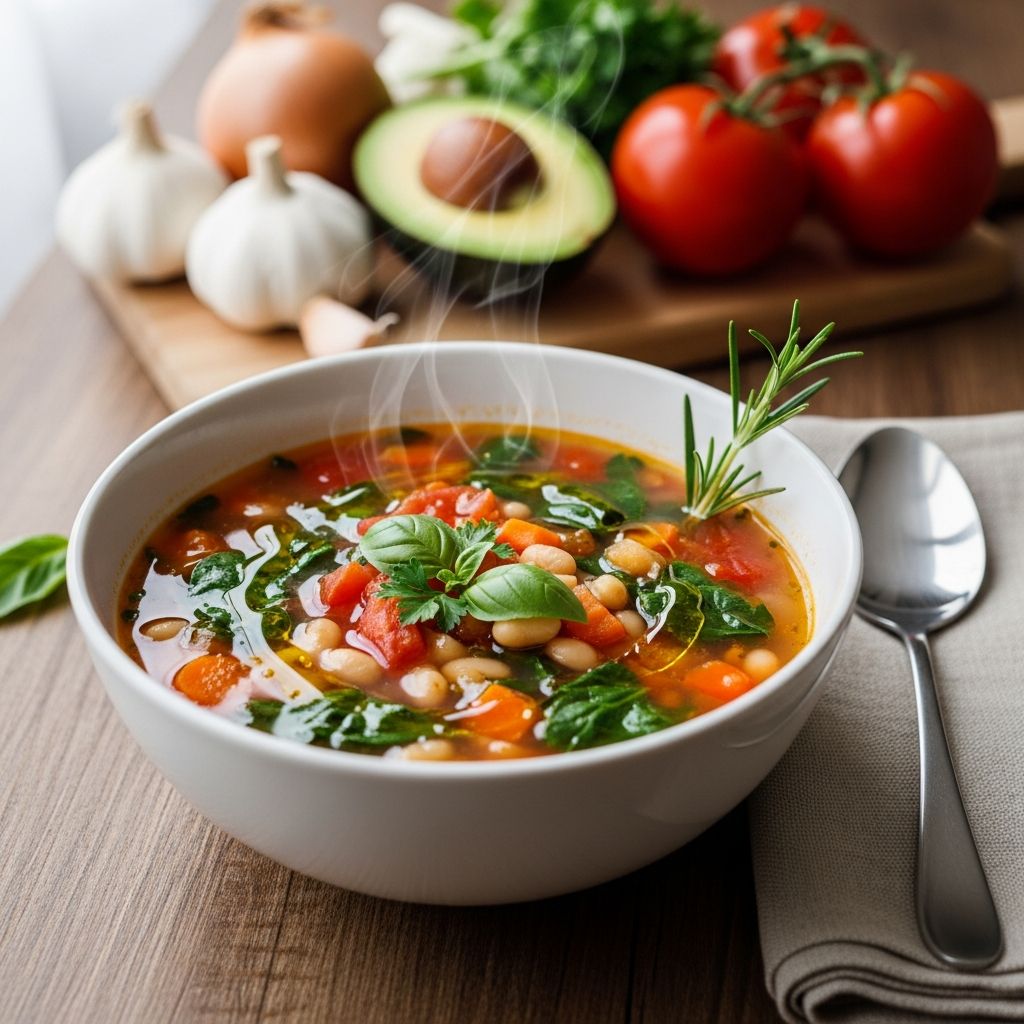
Tomatoes contain lycopene, a powerful antioxidant with potential blood pressure-lowering properties. White beans contribute fiber and plant-based protein. Combine canned diced tomatoes (no added salt), white beans, low-sodium vegetable broth, and sautéed onions and garlic. Italian herbs like basil and oregano enhance the Mediterranean flavor profile. This soup is naturally heart-healthy and can be prepared in under 30 minutes.
Butternut Squash and Spinach Soup
Butternut squash provides natural sweetness and potassium while spinach delivers magnesium and additional potassium. Roast cubed butternut squash until tender, then puree with low-sodium vegetable broth, wilted spinach, and warming spices like nutmeg and cinnamon. A touch of ginger adds anti-inflammatory benefits. This creamy soup requires no heavy cream, making it light yet satisfying.
Salmon and Vegetable Soup
Fatty fish like salmon provides omega-3 fatty acids, which research indicates can help reduce blood pressure. Combine chunks of salmon with low-sodium fish or vegetable broth, diced potatoes, carrots, and green peas. Fresh dill complements the salmon beautifully. This protein-rich soup delivers approximately 25 grams of protein and heart-protective compounds per serving.
Minestrone with Whole Grains
Traditional minestrone can be adapted to be blood pressure-friendly by using low-sodium broth and adding whole grains like barley or brown rice. Combine various vegetables including zucchini, bell peppers, carrots, and tomatoes with legumes and whole grains. This vegetable-forward soup delivers fiber, vitamins, and minerals essential for cardiovascular health while providing lasting satiety.
Nutritional Benefits of Soup for Blood Pressure Control
Why Soups Are Ideal for Heart Health
Soups offer several advantages for blood pressure management. First, the high water content promotes satiety with fewer calories, helping maintain healthy weight—a crucial factor in blood pressure control. Second, the cooking process breaks down cell walls in vegetables, increasing the bioavailability of nutrients like potassium and magnesium. Third, soups allow easy incorporation of multiple food groups in one meal, simplifying nutritional planning. Finally, the warm, comforting nature of soup encourages consistent consumption, making dietary improvements sustainable.
Key Nutrients for Blood Pressure Regulation
Several nutrients play crucial roles in maintaining healthy blood pressure:
- Potassium: Counteracts sodium’s blood pressure-raising effects
- Magnesium: Promotes vascular relaxation and healthy blood pressure
- Calcium: Supports cardiovascular function
- Fiber: Helps maintain healthy cholesterol levels and weight
- Omega-3 Fatty Acids: Reduce inflammation and support heart health
- Antioxidants: Protect blood vessel function and reduce oxidative stress
Sodium Reduction Strategies
Reading Labels Carefully
When purchasing ingredients, sodium content varies significantly between brands. A low-sodium broth from one manufacturer might differ substantially from another. Always read nutrition labels and aim for products containing less than 200mg of sodium per cup for broths and less than 300mg per serving for other ingredients.
Making Stock From Scratch
The most reliable way to control sodium is preparing stock at home. Simmer vegetable scraps, bones, herbs, and water for several hours without adding salt. This requires minimal effort—most of the time is passive cooking—and yields superior flavor and complete sodium control. Freeze homemade stock in ice cube trays for convenient portioning.
Gradual Taste Adjustment
Taste preferences adapt over time. When reducing sodium, foods initially taste bland, but palates readjust within two to four weeks. During this transition, emphasize other flavor elements: umami from mushrooms and tomatoes, acidity from lemon and vinegar, and aromatic herbs and spices. This natural taste adaptation makes long-term adherence more sustainable.
Practical Tips for Soup Preparation and Storage
Meal Preparation Strategies
Soups are excellent for meal preparation. Batch-cook soups on weekends and portion into individual containers for grab-and-go lunches or quick dinners. Most soups keep refrigerated for three to four days. For longer storage, freeze portions in freezer-safe containers for up to three months. Glass containers with secure lids work best, allowing you to track ingredients and maintain quality.
Customization for Individual Preferences
Basic soup recipes serve as templates for customization. If you dislike certain vegetables, substitute with preferred options maintaining similar nutritional profiles. Adjust spice levels to personal tolerance. Vary proteins based on dietary preferences and availability. This flexibility encourages consistent consumption and prevents flavor fatigue.
Temperature and Serving Considerations
Serve soups hot to enhance aromatic compounds and flavor perception, which can reduce the perceived need for additional salt. Pair soups with whole grain bread or a side salad to create balanced meals with varied textures and additional nutrients.
Frequently Asked Questions
Q: Can I use canned vegetables in blood pressure-friendly soups?
A: Canned vegetables can work if you rinse them thoroughly to remove excess sodium. However, fresh or frozen vegetables contain more nutrients and allow better sodium control. If using canned vegetables, choose options labeled “no salt added” whenever possible.
Q: How often should I consume soups for blood pressure benefits?
A: Incorporating heart-healthy soups into your diet several times weekly can support blood pressure management. Combined with other dietary modifications and lifestyle factors, regular soup consumption contributes to overall cardiovascular health. Individual needs vary, so consult healthcare providers for personalized recommendations.
Q: What’s the best way to thicken soups without adding cream?
A: Puree a portion of the soup using an immersion blender to create creaminess through natural vegetable starches. Alternatively, blend cooked beans or add finely minced vegetables that break down during cooking. These methods add body and richness without saturated fat.
Q: Are there soups I should avoid if managing blood pressure?
A: Avoid cream-based soups, those with processed meats, and store-bought varieties high in sodium. Limiting soups with excessive added sugars also supports blood pressure management. Focus on vegetable-based, broth-based soups with lean proteins instead.
Q: Can soup alone lower blood pressure?
A: While nutritious soups support blood pressure management, they work best as part of comprehensive approaches including regular physical activity, stress management, adequate sleep, and medication if prescribed. Discuss blood pressure management strategies with healthcare providers for optimal results.
Q: How can I make soups more satisfying for lunch?
A: Pair soups with whole grain bread, a side salad, or lean protein sources. Adding beans, legumes, or whole grains to soups increases fiber and protein content, promoting greater satiety and sustained energy throughout the afternoon.
References
- Dietary Approaches to Stop Hypertension (DASH) — National Heart, Lung, and Blood Institute (NHLBI), U.S. Department of Health & Human Services. 2023. https://www.nhlbi.nih.gov/health-topics/all-publications-and-resources/dietary-approaches-stop-hypertension-dash-eating-plan
- Potassium and Blood Pressure Reduction — American Heart Association. 2024. https://www.heart.org/en/healthy-living/healthy-eating/eat-smart/sodium/potassium
- Omega-3 Fatty Acids and Cardiovascular Health — National Institutes of Health, Office of Dietary Supplements. 2024. https://ods.od.nih.gov/factsheets/Omega3FattyAcids-HealthProfessional/
- Effects of Dietary Sodium Restriction on Blood Pressure: A Meta-Analysis — Journal of the American College of Cardiology. 2023. Published research on sodium reduction and hypertension management. https://www.jacc.org/
- Lycopene and Cardiovascular Health — American Journal of Clinical Nutrition. 2023. Research on tomato-based products and blood pressure reduction. https://academic.oup.com/ajcn/
- Whole Grain Consumption and Hypertension Risk — Nutrition Reviews. 2023. Evidence supporting whole grain intake in cardiovascular health. https://academic.oup.com/nutritionreviews/
Similar Articles








Read full bio of Sneha Tete