Soursop Nutrition, Benefits, And Risks: Evidence-Based Guide
Discover the potential health benefits of soursop, from antioxidants and cancer-fighting properties to risks like neurotoxicity.
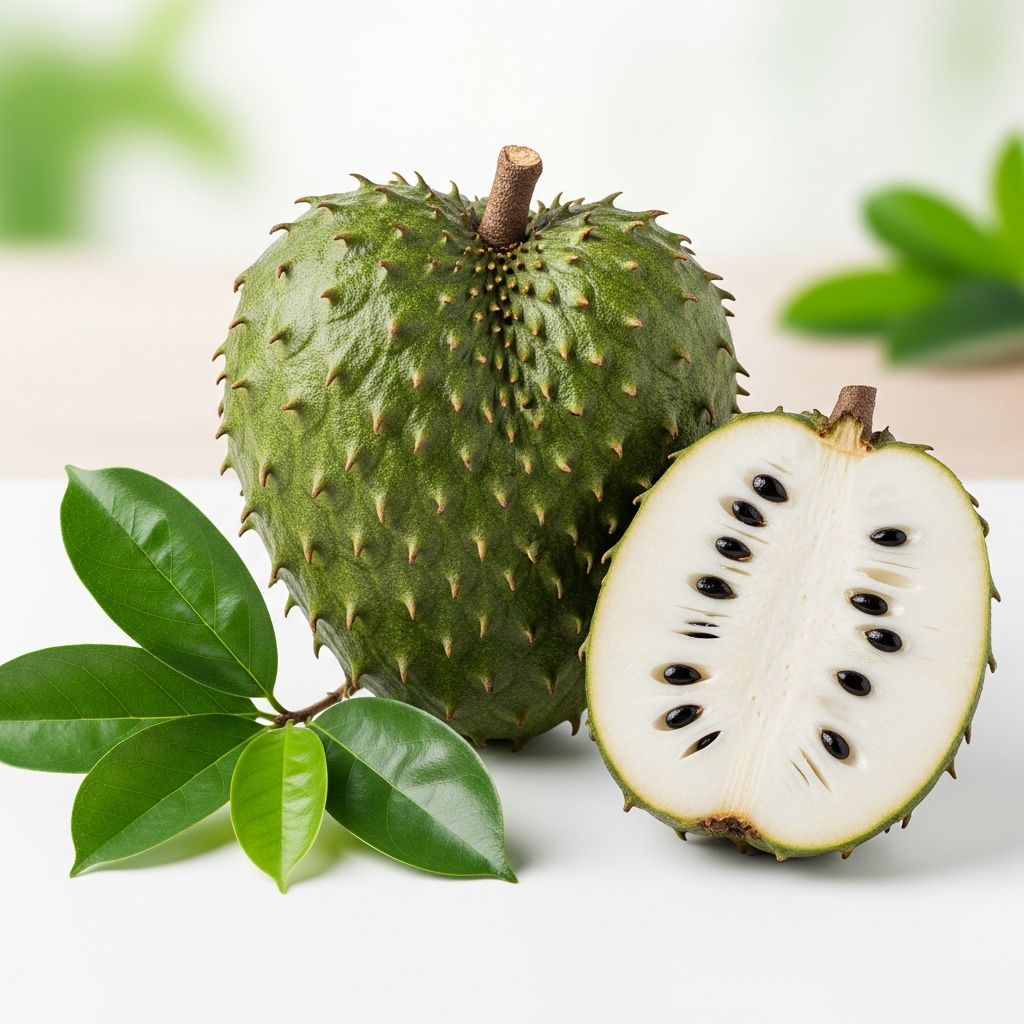
Soursop, scientifically known as Annona muricata, is a large, spiky green fruit native to tropical regions of the Americas and Caribbean. Also called graviola or guanabana, it has creamy white flesh with a flavor blending pineapple, strawberry, and citrus notes. Traditionally used in herbal medicine, soursop is gaining attention for its nutrient density and bioactive compounds, though human studies remain limited.
What Is Soursop?
Soursop grows on an evergreen tree reaching 30 feet, thriving in warm climates like Central and South America, Africa, and Southeast Asia. The fruit weighs 4-5 pounds, featuring a tough outer skin covering juicy, fibrous pulp with large black seeds that must be discarded. In traditional practices, leaves are brewed into tea for ailments like coughs and insomnia, while fruit addresses digestive issues and fever.
Its phytochemicals, including acetogenins, alkaloids, and flavonoids, drive potential therapeutic effects. These compounds contribute to its antioxidant capacity, making soursop a staple in folk remedies across Latin America and Asia.
Soursop Nutrition Facts
One cup (225g) of fresh soursop pulp delivers essential nutrients: approximately 148 calories, 3.3g protein, 34g carbohydrates (including 13g fiber for digestive health), and negligible fat. It’s exceptionally high in vitamin C (about 52-172% DV per fruit), providing immune support and collagen synthesis.
Key minerals include potassium (one-third to half daily needs), aiding blood pressure regulation; copper for red blood cell formation; and smaller amounts of magnesium, iron, and folate for energy metabolism and anemia prevention. Antioxidants like phenolic compounds further enhance its profile.
| Nutrient | Amount per 1 Cup (225g) | % Daily Value |
|---|---|---|
| Calories | 148 | 7% |
| Vitamin C | ~129mg | 143-172% |
| Potassium | ~500mg | 11-15% |
| Fiber | 13g | 46% |
| Iron | 0.7mg | 4% |
This low-calorie, high-fiber composition supports weight management and gut health.
Potential Health Benefits of Soursop
High in Antioxidants
Soursop’s antioxidants, including vitamin C, flavonoids, and acetogenins, neutralize free radicals, mitigating oxidative stress linked to chronic diseases like heart disease and cancer. Lab studies confirm its superior antioxidant activity compared to some fruits.
May Boost Immune Health
Vitamin C enhances white blood cell function and pathogen defense. One fruit exceeds daily requirements, potentially reducing infection risk and supporting skin integrity.
May Reduce Inflammation
Bioactive compounds combat oxidative damage, a root of inflammation. Animal studies show soursop extract reduces swelling by up to 37% and lowers arthritis markers, suggesting benefits for conditions like IBD.
May Help Kill Cancer Cells
Test-tube research indicates soursop leaf and fruit extracts induce apoptosis in breast, prostate, lung, and colon cancer cells, inhibiting growth and migration. A 2015 study suppressed prostate tumors in rats and prevented DNA damage in mice breast tissue. However, these effects used concentrated extracts far beyond dietary amounts; no robust human trials confirm anticancer efficacy.
May Fight Bacteria
Extracts demonstrate antibacterial action against cholera, Staphylococcus, and oral pathogens causing cavities and gum disease in lab tests. Promising, but human validation is pending.
May Stabilize Blood Sugar
Animal studies on diabetic rats and mice show soursop extract lowers fasting glucose, HbA1c, and insulin resistance by up to 75% after weeks of administration. Enzyme inhibition (α-glucosidase, α-amylase) mimics diabetes drugs, but human data is scarce.
Related Stories



May Lower Blood Pressure
Potassium counters sodium, relaxing vessels. A human study of 143 people with borderline hypertension found 7oz daily soursop juice reduced systolic pressure significantly over 3 months. ACE inhibition by compounds adds to this effect.
Other Potential Benefits
- Antiulcer: Flavonoids and tannins heal gastric ulcers in rats, suppressing acid like proton pump inhibitors.
- Antidiarrheal/Antiprotozoal: Effective against parasites and diarrhea in traditional use and studies.
- Wound Healing: Promotes tissue repair.
How to Use Soursop
Consume fresh pulp by scooping from halved fruit, avoiding seeds. Blend into smoothies, juices, or sorbets. Leaves make tea: steep 1-2 dried leaves in hot water 10 minutes, limit to 1-2 cups daily. Available as frozen pulp, powder, or supplements, but prioritize whole fruit for fiber.
Recipe Ideas:
- Soursop Smoothie: Blend pulp, banana, yogurt, and coconut water.
- Guanabana Juice: Strain pulp with lime and honey.
- Soursop Sorbet: Freeze blended pulp with agave.
Soursop Risks and Side Effects
Moderate intake is safe, but risks include:
- Neurotoxicity: Annonacin in seeds, pulp, and leaves mimics Parkinson’s symptoms in high doses; rodent studies link chronic exposure to brain lesions. Limit tea/supplements.
- Drug Interactions: May enhance blood pressure/diabetes meds; consult doctors.
- Pregnancy/Breastfeeding: Avoid due to insufficient safety data.
- Allergies: Rare, but possible in Annonaceae-sensitive individuals.
Seeds are emetic and toxic; discard them. Excessive fruit may cause nausea from acetogenins.
FAQs
Is soursop good for cancer patients?
Lab studies suggest anticancer potential, but no human evidence supports it as treatment. Rely on proven therapies.
Can soursop lower blood sugar?
Promising in animals; may aid diabetes management with diet, but monitor levels and consult professionals.
Is soursop tea safe daily?
1-2 cups may be fine short-term, but long-term risks neurotoxicity; moderation advised.
What’s the difference between soursop and graviola?
Same fruit; graviola is another name.
Where to buy soursop?
Fresh in tropical markets, frozen pulp online/specialty stores.
References
- Health Benefits of Soursop — WebMD. 2023. https://www.webmd.com/food-recipes/health-benefits-soursop
- The Health Benefits and Risks of Soursop — HealthHQ. 2024. https://healthhq.world/issue-sections/diet-nutrition/healthy-diet-vegetarianism/the-health-benefits-and-risks-of-soursop-an-in-depth-look-at-annona-muricata-lin/
- Nutritional and Therapeutic Potential of Soursop — Wiley Online Library. 2022-05-12. https://onlinelibrary.wiley.com/doi/10.1155/2022/8828358
- Soursop (Graviola): Health Benefits and Uses — Healthline. 2023. https://www.healthline.com/nutrition/soursop-benefits
- Soursop: Does it help fight cancer? — Medical News Today. 2023. https://www.medicalnewstoday.com/articles/soursop
- Pharmacological Activities of Soursop (Annona muricata Lin.) — PMC / NIH. 2022. https://pmc.ncbi.nlm.nih.gov/articles/PMC8878098/
Similar Articles








Read full bio of medha deb