Soy Allergy Diet: Managing Your Food Choices
Complete guide to managing soy allergies through dietary changes and food substitutions.
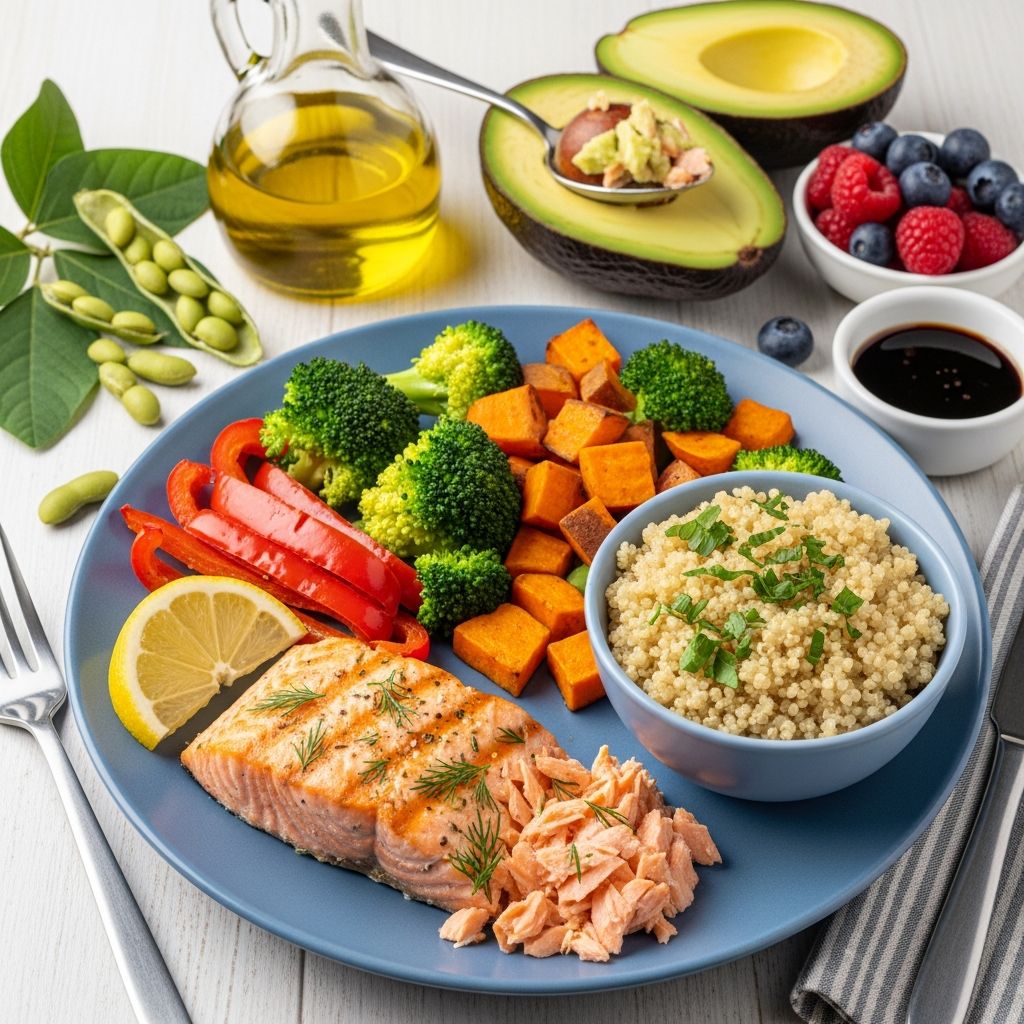
Soy allergy affects approximately 0.4% of children and can significantly impact dietary choices and food preparation strategies. For those diagnosed with a soy allergy, understanding which foods contain soy and how to maintain a balanced, nutritious diet while avoiding soy products is essential for managing symptoms and preventing allergic reactions. This comprehensive guide provides practical information about living with soy allergies and making informed dietary decisions.
Understanding Soy Allergy
Soy allergy is one of the most common food allergies in children, though many children naturally outgrow this allergy as they age. The immune system’s reaction to soy proteins triggers allergic symptoms that can range from mild to severe. Understanding the basics of soy allergy helps individuals and families make better food choices and prevent accidental exposure.
Soy comes from soybeans, legumes that are processed into various food products. The allergic reaction occurs when the body’s immune system mistakenly identifies soy proteins as harmful and produces antibodies against them. Symptoms can appear within minutes to a few hours after consuming soy-containing foods.
Identifying Soy in Foods
One of the most critical aspects of managing a soy allergy is learning to identify soy ingredients in packaged foods. Soy appears in many unexpected products, making label reading a vital skill for anyone following a soy-free diet.
Common Foods Containing Soy
Soy appears in numerous food categories:
- Soy sauce and soy-based seasonings
- Tofu and soy-based meat substitutes
- Soy milk and soy-based dairy alternatives
- Many processed foods, including baked goods, cereals, and snacks
- Some canned tuna and other seafood products
- Vegetable oils labeled as soybean oil
- Many Asian cuisine dishes and prepared meals
- Some protein bars and nutritional supplements
- Deli meats and processed meat products
- Salad dressings and condiments
Reading Food Labels
Food manufacturers are required to clearly identify major allergens, including soy, on product labels. When checking labels, look for:
- “Contains soy” statements
- Soy listed in the ingredient list
- Warnings about potential cross-contamination (“may contain soy” or “processed in a facility with soy”)
- Hidden soy ingredients such as hydrolyzed vegetable protein, textured vegetable protein, or lecithin (often derived from soy)
Always read labels carefully, as manufacturers may change ingredients or processing methods. Even products purchased regularly should be checked periodically for formula changes.
Safe Foods for a Soy-Free Diet
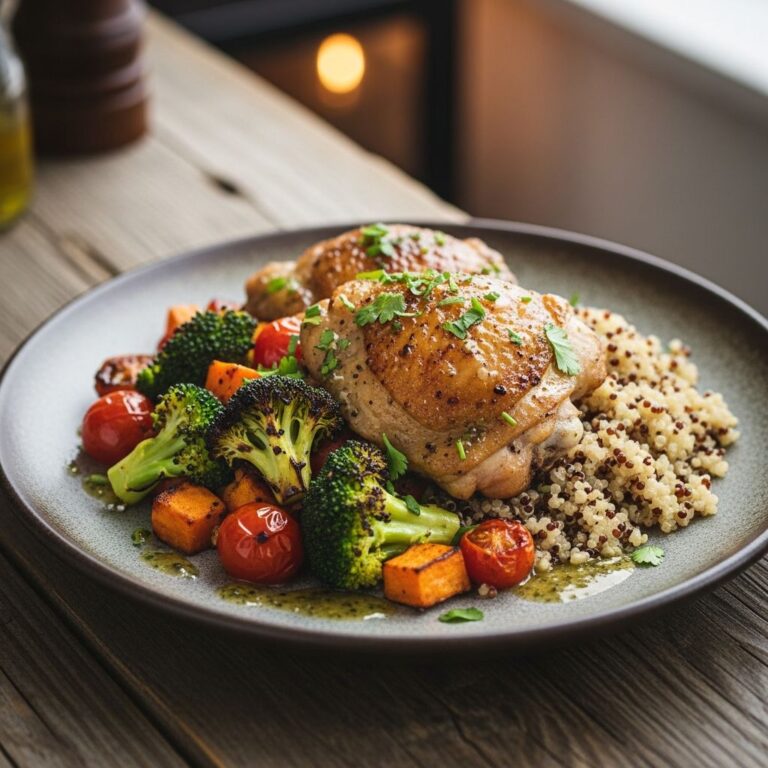
A well-planned soy-free diet can still be nutritionally complete and satisfying. Many naturally soy-free foods form the foundation of healthy eating for those with soy allergies.
Naturally Soy-Free Foods
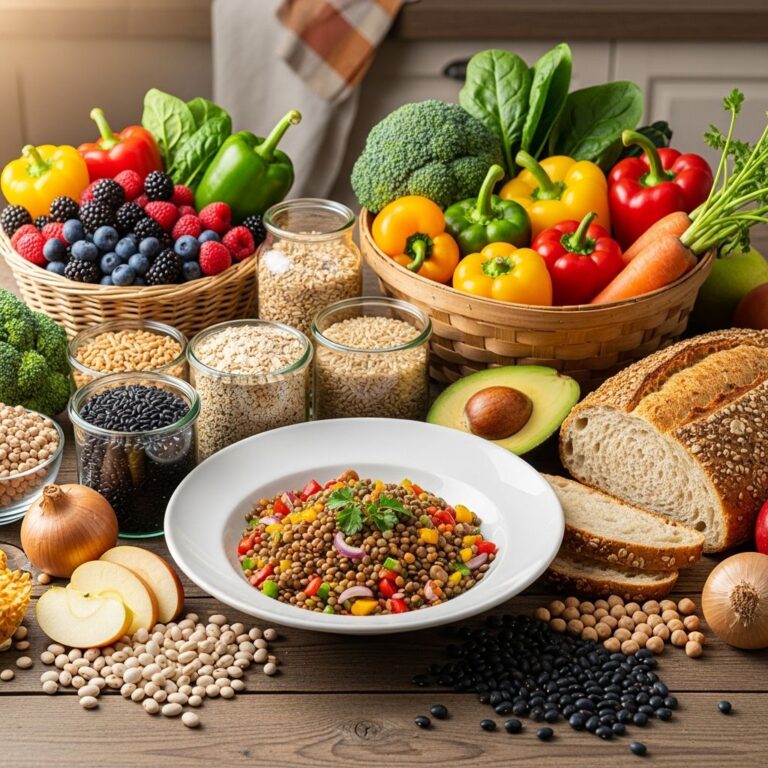
The following foods are naturally free of soy and can form the basis of a healthy soy-free diet:
- Fresh fruits and vegetables
- Unprocessed meats, poultry, and fish
- Eggs
- Dairy products like milk, cheese, and yogurt
- Beans and legumes (other than soy)
- Nuts and seeds (excluding those processed with soy)
- Rice, pasta, and other grains
- Potatoes and other root vegetables
- Honey and maple syrup
- Olive oil and other oils (not soybean oil)
Related Stories



Protein Sources Without Soy
Maintaining adequate protein intake is important when avoiding soy. Excellent non-soy protein sources include:
- Meat, poultry, and fish
- Eggs and egg products
- Dairy products
- Nuts and seeds
- Legumes like lentils, chickpeas, and peas
- Quinoa and other complete grains
Soy-Free Alternatives
For foods typically made with soy, numerous alternatives exist. These substitutes allow individuals to enjoy a varied diet while maintaining their soy-free status.
Milk Alternatives
Instead of soy milk, consider:
- Dairy milk (cow’s milk, goat’s milk, sheep’s milk)
- Oat milk
- Almond milk
- Rice milk
- Coconut milk
- Cashew milk
Meat and Protein Substitutes
When seeking meat alternatives that don’t contain soy, options include:
- Tempeh made from non-soy legumes
- Seitan (wheat-based)
- Legume-based products
- Mushroom-based meat alternatives
Seasoning Alternatives
For recipes traditionally made with soy sauce:
- Tamari (confirm it’s soy-free)
- Coconut aminos
- Worcestershire sauce (verify ingredients)
- Fish sauce
- Liquid smoke and other seasonings
Meal Planning Strategies
Successfully managing a soy-free diet requires thoughtful meal planning. This ensures nutritional balance and reduces the risk of accidental soy consumption.
Building Balanced Meals
Each meal should include components from multiple food groups:
- A protein source (meat, poultry, fish, eggs, legumes, or dairy)
- A vegetable or fruit
- A whole grain or starch
- Healthy fat (oil, nuts, or seeds)
Grocery Shopping Tips
When shopping for a soy-free diet:
- Read every label, even for familiar products
- Shop the perimeter of the store where whole foods are located
- Buy fresh, unprocessed foods when possible
- Purchase certified soy-free products if available
- Bring a list of ingredients to avoid
- Ask store employees about ingredient information
Restaurant and Social Eating Considerations
Dining out with a soy allergy requires extra caution, as cross-contamination and hidden ingredients are common risks. Communication with restaurant staff is essential for safe dining experiences.
Communicating Your Allergy
When eating at restaurants:
- Inform your server about your soy allergy clearly and directly
- Ask about ingredients in specific dishes
- Inquire about food preparation methods and potential cross-contamination
- Request that your food be prepared separately if possible
- Avoid cuisines where soy is a primary ingredient (many Asian cuisines)
Safe Restaurant Choices
Some restaurant types are generally safer for soy-free dining:
- Steakhouses and grilling restaurants
- Mediterranean or Italian restaurants
- Mexican restaurants (avoiding soy sauce-based dishes)
- Brazilian churrascarias
- Seafood restaurants
Natural History and Prognosis of Soy Allergy
Understanding the natural progression of soy allergy can help families and individuals make long-term dietary plans. Research shows that many children with soy allergy eventually develop tolerance to soy. Approximately 25% of children resolve their soy allergy by age 4 years, 45% by age 6 years, and 69% by age 10 years. Soy-specific immunoglobulin E (IgE) levels help predict the likelihood of outgrowing the allergy, with lower IgE levels indicating better chances of resolution.
Periodic reevaluation with an allergist is recommended to determine if the allergy has been outgrown. This allows for the safe reintroduction of soy products under medical supervision when appropriate.
Nutritional Considerations
Maintaining proper nutrition while avoiding soy is important for overall health and development, particularly in children. Key nutrients to monitor include:
Protein
Ensure adequate protein intake through diverse non-soy sources. The recommended dietary allowance varies by age and sex but typically ranges from 10-56 grams per day for most individuals.
Calcium and Vitamin D
If avoiding soy milk fortified with these nutrients, obtain calcium and vitamin D from other sources such as dairy products, leafy greens, fortified non-dairy milk alternatives, and sunlight exposure.
Iron
Include iron-rich foods such as lean meats, poultry, fish, legumes, and fortified grains. Pair iron-rich plant sources with vitamin C for better absorption.
B Vitamins
Ensure adequate B vitamins through whole grains, meat, poultry, fish, eggs, and dairy products.
Frequently Asked Questions
Q: Can people with soy allergy consume soybean oil?
A: Highly refined soybean oil is often tolerated by people with soy allergies because the refining process removes proteins that trigger allergic reactions. However, cold-pressed or unrefined soybean oil may still contain allergenic proteins. Individuals should consult with their allergist before consuming soybean oil products.
Q: Is lecithin derived from soy a concern?
A: Lecithin derived from soy may contain allergenic proteins, though highly processed lecithin is often tolerated. The safety depends on processing methods and individual sensitivity. Always check labels and discuss with your allergist.
Q: Can people with soy allergy eat peanuts?
A: Peanuts are legumes, not soy products, and are typically safe for those with soy allergies. However, many individuals with soy allergies also have peanut allergies, so this should be individually assessed by an allergist.
Q: How can I identify hidden soy in foods?
A: Read ingredient labels carefully for soy, hydrolyzed vegetable protein, textured vegetable protein, and other soy derivatives. Contact food manufacturers if ingredient lists are unclear, and look for “may contain soy” warnings on packaging.
Q: Should I avoid all Asian cuisine due to soy allergy?
A: While soy sauce is common in many Asian cuisines, not all Asian dishes contain it. Learn which specific dishes typically contain soy and communicate clearly with restaurants about your allergy to identify safe options.
Q: How do I travel with a soy allergy?
A: Pack soy-free snacks, learn key phrases in the language of your destination to communicate your allergy, research restaurants in advance, and carry a translation card describing your allergy and safe foods.
When to Seek Medical Advice
Contact your healthcare provider or allergist if you experience:
- Severe or new allergic symptoms
- Symptoms that don’t improve with dietary modifications
- Questions about whether your child has outgrown their soy allergy
- Difficulty maintaining nutritional balance on a soy-free diet
- Concerns about cross-contamination or food safety
Regular follow-up with an allergist ensures that your soy allergy management plan remains appropriate and that you receive updates on medical advances in allergy treatment.
References
- The natural history of soy allergy — Savage JH, Kaeding AJ, Matsui EC, Wood RA. Journal of Allergy and Clinical Immunology. 2010-03-01. https://doi.org/10.1016/j.jaci.2009.12.994
Similar Articles








Read full bio of medha deb