Spaghetti Squash Benefits: Nutrition & Health Guide
Discover the remarkable health benefits of spaghetti squash, a nutrient-dense vegetable packed with vitamins, minerals, and antioxidants.
Spaghetti Squash Benefits: A Comprehensive Nutrition and Health Guide
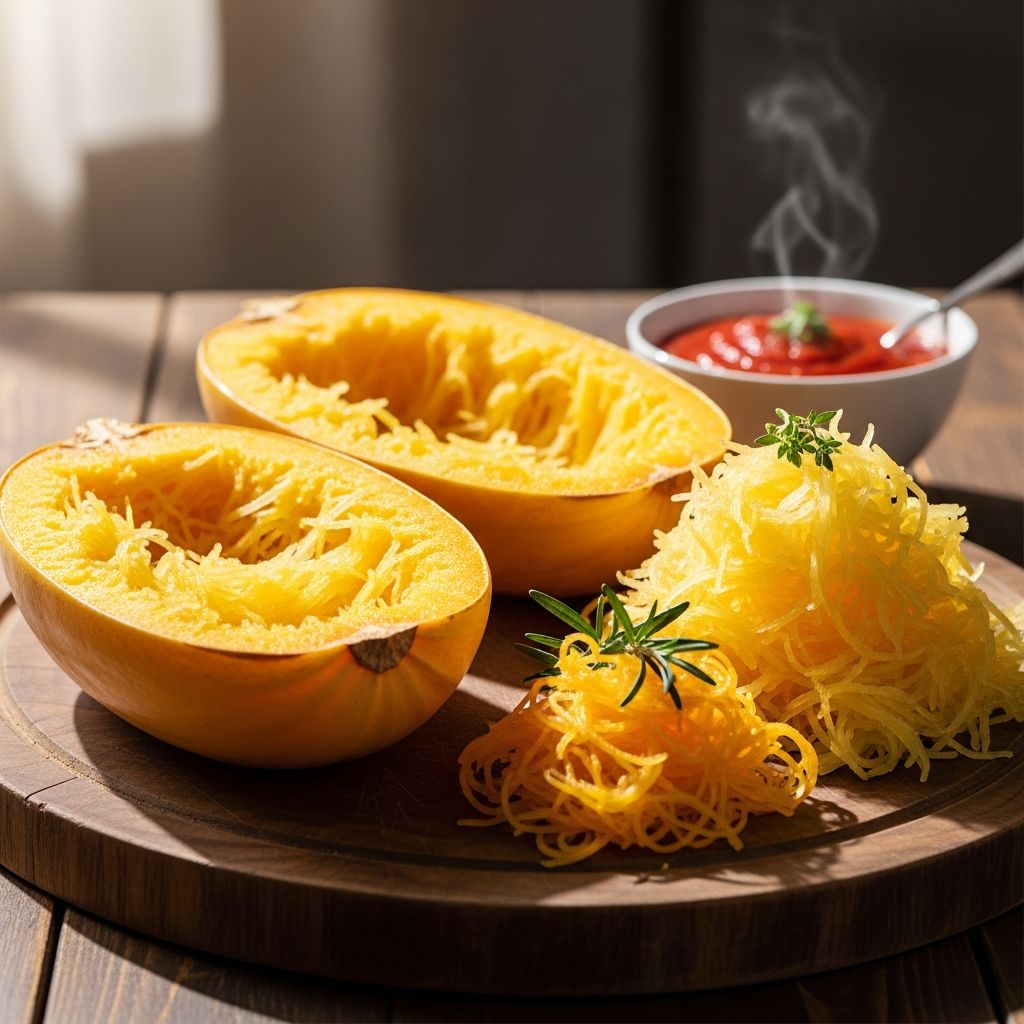
Spaghetti squash is a vibrant winter vegetable that has gained significant popularity as a nutritious alternative to traditional pasta. This large, hard-shelled squash belongs to the botanical family Cucurbita pepo and is native to the Americas. When cooked, the flesh transforms into long, delicate strands that resemble spaghetti noodles, making it an ideal substitute for those seeking healthier meal options. The vegetable has an interesting history, having been taken to countries around the world by European explorers and becoming particularly popular in Asia before gaining traction in the United States around 1980. Today, it’s recognized by various names including vegetable spaghetti, vegetable marrow, and squaghetti. Beyond its unique texture and mild, nutty flavor, spaghetti squash offers an impressive array of health benefits that make it worthy of a regular place in your diet.
What Makes Spaghetti Squash So Nutritious?
Spaghetti squash is classified as a nutrient-dense food, meaning it delivers substantial nutritional value while remaining exceptionally low in calories. A one-cup serving of cooked spaghetti squash contains just 42 calories, making it an excellent choice for individuals watching their caloric intake. Despite its minimal calorie content, this vegetable provides a diverse array of essential vitamins and minerals that support overall health and wellness.
Complete Nutritional Profile
Understanding the exact nutritional composition of spaghetti squash helps explain its health benefits:
- Calories: 42 per one-cup serving
- Protein: 1 gram
- Fat: 0 grams
- Carbohydrates: 10 grams
- Fiber: 2.2 grams (approximately 8% of daily value)
- Sugar: 4 grams
Key Vitamins and Minerals
Spaghetti squash contains a wide spectrum of essential nutrients. The yellow flesh is particularly rich in beta-carotene, a potent plant pigment that gives the squash its distinctive color. Beyond beta-carotene, spaghetti squash provides fair amounts of vitamin C, manganese, vitamin B6, and potassium. The vegetable also contains smaller quantities of pantothenic acid, niacin, thiamine, magnesium, folate, calcium, and iron. This diverse nutrient profile means that a single serving of spaghetti squash contributes to multiple aspects of bodily function and overall health maintenance.
Major Health Benefits of Spaghetti Squash
Weight Management and Weight Loss
One of the most significant advantages of spaghetti squash is its exceptional suitability for weight control. The vegetable combines a very low calorie content with substantial fiber, creating an ideal formula for weight loss. The high fiber content promotes satiety by slowing the emptying of your stomach and stabilizing blood sugar levels, which reduces hunger and appetite throughout the day. Because spaghetti squash contains only 42 calories per cup compared to 239 calories in a comparable serving of regular spaghetti pasta, using it as a low-calorie alternative in recipes such as gratin, casseroles, lasagna, and other pasta dishes can significantly support weight loss goals. This substitution allows individuals to enjoy satisfying, familiar meals while substantially reducing their caloric intake. Maintaining a healthy weight through better nutrition can improve numerous health conditions, including type 2 diabetes and various cardiovascular diseases.
Support for Digestive Health
The fiber content in spaghetti squash plays a crucial role in maintaining a healthy digestive system. Fiber moves slowly through the digestive tract, adding bulk to stool and promoting regularity of bowel movements. With more than 2 grams of fiber per serving, spaghetti squash exceeds the fiber content of regular pasta, though it contains less than many other vegetables. A high-fiber diet contributes significantly to colon health and has been shown to reduce the risk of several gastrointestinal conditions. Research suggests that increased fiber intake can be beneficial for treating diverticulitis and hemorrhoids while also reducing colorectal cancer risk. Daily fiber requirements range from 21 to 38 grams depending on age and sex, and adding just one to two servings of spaghetti squash to your diet, combined with other fiber-rich foods, can substantially boost digestive regularity and keep your digestive system functioning optimally.
Related Stories



Powerful Antioxidant Properties
Spaghetti squash is rich in antioxidants, powerful compounds that protect your body from free radicals—unstable molecules that can cause cellular damage. The vegetable’s yellow color reveals its high beta-carotene content, one of the most potent antioxidants available in plant foods. Beta-carotene can help protect your cells and DNA from damage that may lead to chronic disease development. In addition to beta-carotene, spaghetti squash contains significant amounts of vitamin C, which functions both as an antioxidant and has been shown to play a significant role in disease prevention. By defending your body against free radical damage, these antioxidants may help prevent the development of chronic conditions such as heart disease and cancer. The protective effects of these compounds accumulate over time, making regular consumption of antioxidant-rich vegetables like spaghetti squash an important component of disease prevention strategies.
Cancer Risk Reduction
The antioxidant compounds found in spaghetti squash, particularly beta-carotene and vitamin C, make it a valuable food for cancer prevention. These substances work at the cellular level to protect against oxidative damage that can lead to cancerous cell development. The antioxidant properties help neutralize free radicals before they can cause the kind of cellular mutations that lead to cancer. Including spaghetti squash regularly as part of a diet rich in various antioxidant sources may contribute to reduced cancer risk over time.
Improved Cardiovascular Health
The nutrients found in spaghetti squash support heart health through multiple mechanisms. The potassium content helps regulate blood pressure by promoting healthy blood vessel function and reducing sodium’s negative effects. The fiber contributes to cardiovascular health by helping to manage cholesterol levels. Additionally, the antioxidants in spaghetti squash protect blood vessels from oxidative damage, supporting overall cardiovascular function. These combined benefits make spaghetti squash a valuable addition to heart-healthy dietary patterns.
Dental Health Support
Vitamins A and C are vital for maintaining healthy teeth and gums. Vitamin C is essential for healthy gum tissue, and a deficiency can contribute to tooth loss and gum disease. Vitamin A supports the health of salivary glands and the tissues lining the mouth; a deficiency can result in brittle teeth and weakened enamel. Winter squash varieties like spaghetti squash contain good quantities of both vitamins. Additionally, as a low-calorie food, spaghetti squash is far less likely to promote tooth decay compared to starchy or sweet foods, making it a dentist-friendly vegetable choice.
Immune System Enhancement
The vitamin C content in spaghetti squash helps boost immune system function by supporting the production and activity of white blood cells. The antioxidant properties of beta-carotene and vitamin C work together to protect immune cells from oxidative damage and allow them to function more effectively. Regular consumption of spaghetti squash as part of a varied diet contributes to maintaining a robust immune response.
Spaghetti Squash vs. Regular Pasta: A Nutritional Comparison
When comparing spaghetti squash to traditional spaghetti pasta, the nutritional differences are dramatic and significant.
| Nutrient | Spaghetti Squash (1 cup) | Regular Spaghetti (1 cup) |
|---|---|---|
| Calories | 42 | 239 |
| Carbohydrates | 10g | 47g |
| Fiber | 2.2g | 0-1g |
| Protein | 1g | 8g |
| Vitamin C | 6% DV | 0% DV |
| Vitamin B6 | 8% DV | 4% DV |
| Potassium | 4% DV | 1% DV |
This comparison reveals that spaghetti squash contains only 18% of the calories found in regular pasta while providing just 21% of the carbohydrate content. Although pasta does contain more protein and certain nutrients like iron and niacin (especially when enriched), spaghetti squash excels in many other areas. For individuals attempting to reduce calories or manage carbohydrate intake, spaghetti squash is the superior choice and is also richer in several important nutrients including B vitamins and vitamin C.
How to Select and Prepare Spaghetti Squash
Spaghetti squash is a winter vegetable that is ready for harvest in early autumn and remains available throughout the winter months. When selecting spaghetti squash at the grocery store, look for squash with a hard shell and a uniform yellow color. Avoid squash with soft spots or blemishes. To cook spaghetti squash, you can cut it in half lengthwise, remove the seeds, and roast it cut-side down at 375°F for approximately 30-40 minutes until the flesh is tender. The cooked flesh can then be separated into noodle-like strands using a fork. To maximize the health benefits of spaghetti squash, prepare it without added oils or use minimal amounts of healthy oils such as extra virgin olive oil. This approach allows you to fully capture the nutritional value without significantly increasing caloric content.
Incorporating Spaghetti Squash Into Your Diet
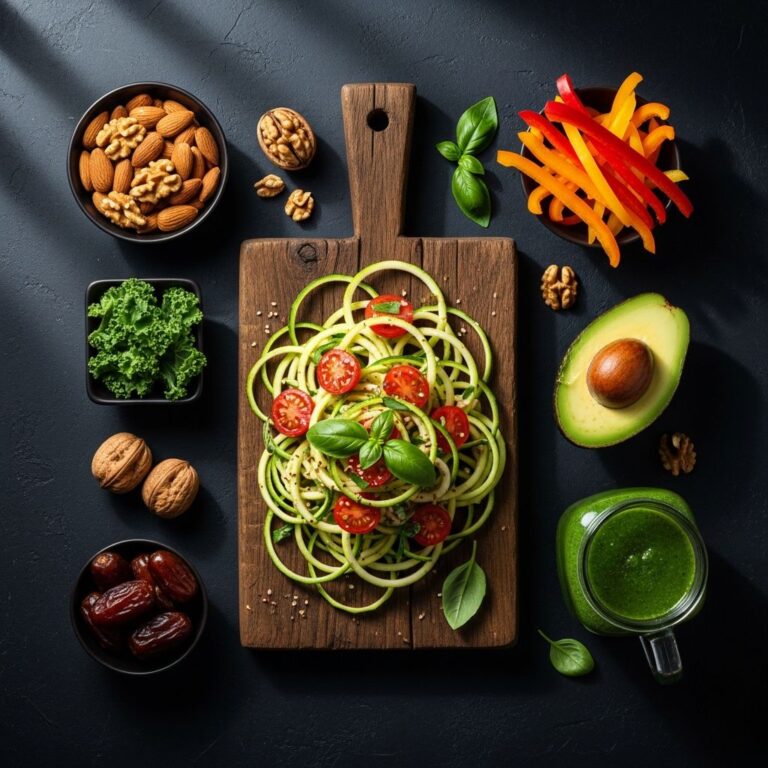
The versatility of spaghetti squash makes it easy to incorporate into various dishes. Use it as a pasta substitute in traditional Italian dishes, combine it with vegetables and lean proteins for a complete meal, add it to stir-fries for additional volume and nutrition, or mix it into vegetable casseroles. The mild, nutty flavor complements many different sauce options and cuisines. For maximum nutritional benefit, combine spaghetti squash with whole grains, healthy fats, and protein sources to create balanced, satisfying meals. Because spaghetti squash is gluten-free and contains no added sugar, it’s particularly suitable for individuals with celiac disease or those managing blood sugar levels.
Frequently Asked Questions About Spaghetti Squash
Q: Is spaghetti squash truly low-carb?
A: Yes, spaghetti squash contains only 10 grams of carbohydrates per cup, making it significantly lower in carbs than regular pasta which contains 47 grams per cup. This makes it an excellent choice for low-carb and ketogenic diets.
Q: Can spaghetti squash help with weight loss?
A: Absolutely. With just 42 calories per cup and high fiber content that promotes satiety, spaghetti squash is an excellent choice for weight loss when used as a substitute for high-calorie pasta and grain-based dishes.
Q: Is spaghetti squash suitable for people with celiac disease?
A: Yes, spaghetti squash is naturally gluten-free, making it an ideal pasta alternative for individuals with celiac disease or gluten sensitivity who need to avoid wheat-based products.
Q: How much fiber does spaghetti squash contain?
A: One cup of cooked spaghetti squash provides 2.2 grams of fiber, which represents approximately 8% of the daily recommended fiber intake and exceeds the fiber content of regular pasta.
Q: What vitamins are most abundant in spaghetti squash?
A: Spaghetti squash is particularly rich in beta-carotene (converted to vitamin A), vitamin C, vitamin B6, and pantothenic acid, along with minerals like potassium, manganese, and magnesium.
Q: Can spaghetti squash improve digestive health?
A: Yes, the fiber content in spaghetti squash promotes regular bowel movements and supports colon health. Research suggests it may help prevent conditions like diverticulitis, hemorrhoids, and colorectal cancer.
Q: How should I prepare spaghetti squash to maximize its health benefits?
A: Prepare spaghetti squash by roasting it with minimal or no added oils to preserve its nutritional value. Avoid cooking methods that involve excessive added fats, which would increase the calorie content.
References
- Health Benefits of Spaghetti Squash — WebMD. Accessed January 2026. https://www.webmd.com/diet/health-benefits-spaghetti-squash
- Spaghetti Squash Nutrition Facts: Calories, Carbs, and Uses — Healthline. Accessed January 2026. https://www.healthline.com/nutrition/spaghetti-squash
- Health benefits of winter squash and ways you can cook them — UC Davis Health. November 2023. https://health.ucdavis.edu/blog/good-food/health-benefits-of-winter-squash-and-ways-you-can-cook-them/2023/11
- Recipe: Oh My Gosh, It’s Squash! — LCMC Health. September 2020. https://www.lcmchealth.org/west-jefferson-medical-center/blog/2020/september/recipe-oh-my-gosh-its-squash-/
- Explore the Store: Spaghetti Squash — University Health Center. Accessed January 2026. https://healthcenter.uga.edu/explore-the-store-spaghetti-squash/
Similar Articles








Read full bio of medha deb