Sparganosis: Causes, Symptoms, Diagnosis, And Prevention Guide
Rare parasitic zoonosis caused by Spirometra larvae, often from consuming raw frog or snake meat, leading to migrating subcutaneous nodules and severe complications.
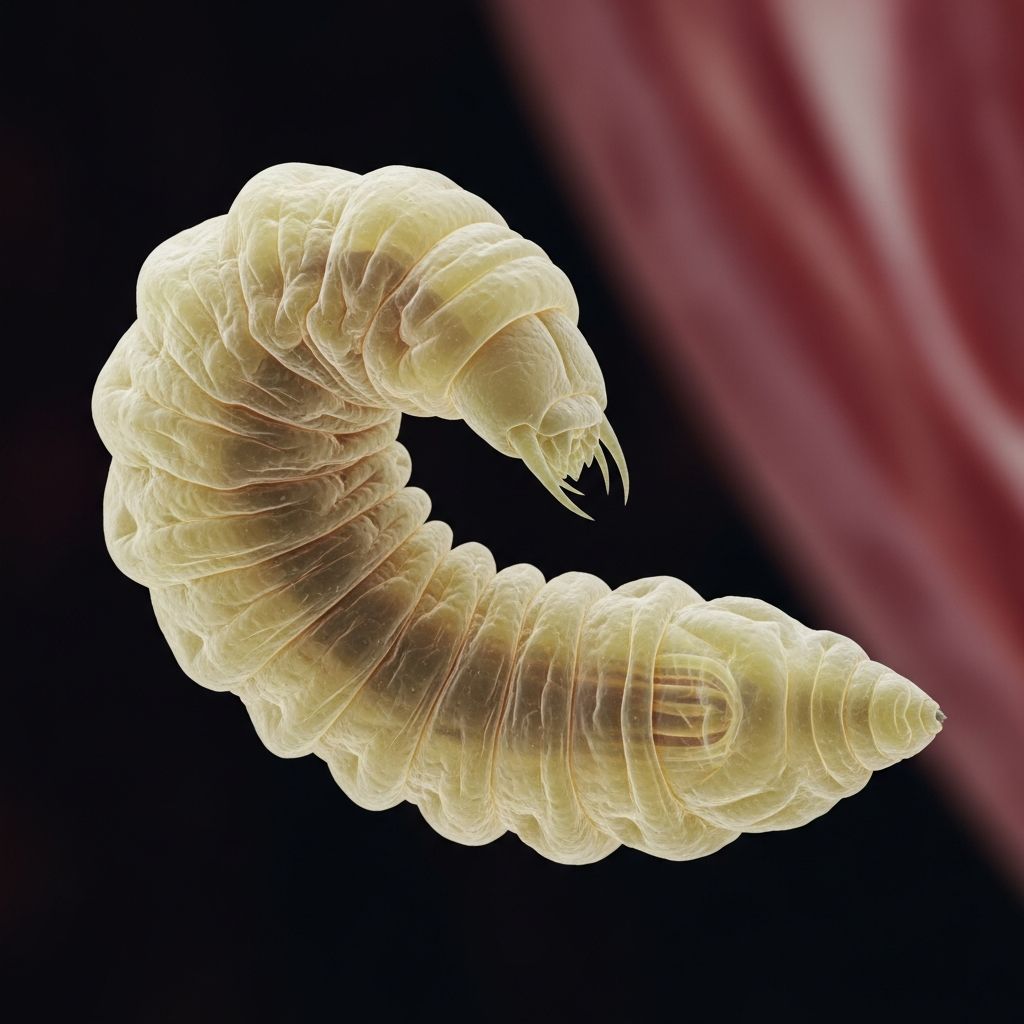
Sparganosis is a rare zoonotic parasitic infection caused by the plerocercoid larvae (spargana) of the tapeworm genus Spirometra, primarily acquired through ingestion of contaminated raw or undercooked meat from intermediate hosts like frogs, snakes, or pigs, or via traditional poultices using infected flesh. This neglected foodborne zoonosis leads to migrating larvae in human tissues, most commonly subcutaneous sites but potentially affecting vital organs like the brain, eyes, and genitourinary tract, resulting in painful nodules, inflammation, and severe neurological symptoms if cerebral involvement occurs. Over 1,600 cases documented worldwide, predominantly in East and Southeast Asia, highlight its underreported prevalence due to diagnostic challenges mimicking tumors or other parasites.
What is sparganosis?
Sparganosis represents infection by the third-stage plerocercoid larva, known as sparganum, of pseudophyllidean cestodes in the genus Spirometra (family Diphyllobothriidae), which cannot mature into adult tapeworms in humans as we are accidental dead-end hosts. Unlike typical tapeworm life cycles involving definitive fish-eating hosts like cats or dogs, human exposure bypasses this, leading to larval migration and persistence in tissues for years, sometimes decades. The larvae, white ribbon-like worms up to 16 cm long and 0.2-1.5 cm wide, provoke granulomatous inflammation, necrosis, and eosinophilia upon invasion or death. Global cases exceed thousands annually, with East Asia reporting the majority due to cultural practices involving raw amphibian/reptile consumption.
Who gets sparganosis?
Individuals at risk include those consuming raw or undercooked frog/snake meat (prevalent in Korean “nokdu” or Chinese dishes), drinking untreated water containing copepod crustacean hosts, or applying poultices from infected frog/snake skin to open wounds. Occupational exposure affects butchers or those handling wild game, while travelers to endemic areas like China, Japan, Korea, Thailand, and Vietnam face imported cases. No strong demographic bias, but males predominate in reported subcutaneous/genital cases due to dietary habits. Children rarely affected unless exposed via traditional medicine.
What causes sparganosis?
The complex life cycle begins with eggs released by adult Spirometra tapeworms in definitive hosts (e.g., felids) contaminating water, hatching into coracidium that infect copepod first intermediate hosts, forming procercoid larvae. Second intermediate hosts (frogs, snakes, birds, mammals) ingest copepods, developing procercoids into infective plerocercoid (sparganum) larvae. Humans acquire infection via:
- Ingestion of raw/undercooked second intermediate host flesh (e.g., frog legs, snake meat).
- Drinking unfiltered water with infected copepods (internal sparganosis).
- External application of crushed infected flesh poultices to wounds/eyes (most common in Asia).
Spargana excyst, penetrate intestinal mucosa or skin, migrate hematogenously/lymphatically to ectopic sites, growing slowly while evading immunity.
What are the clinical features of sparganosis?
Symptoms arise from larval migration and host inflammatory response, varying by site.
Subcutaneous sparganosis (most common, ~50% cases)
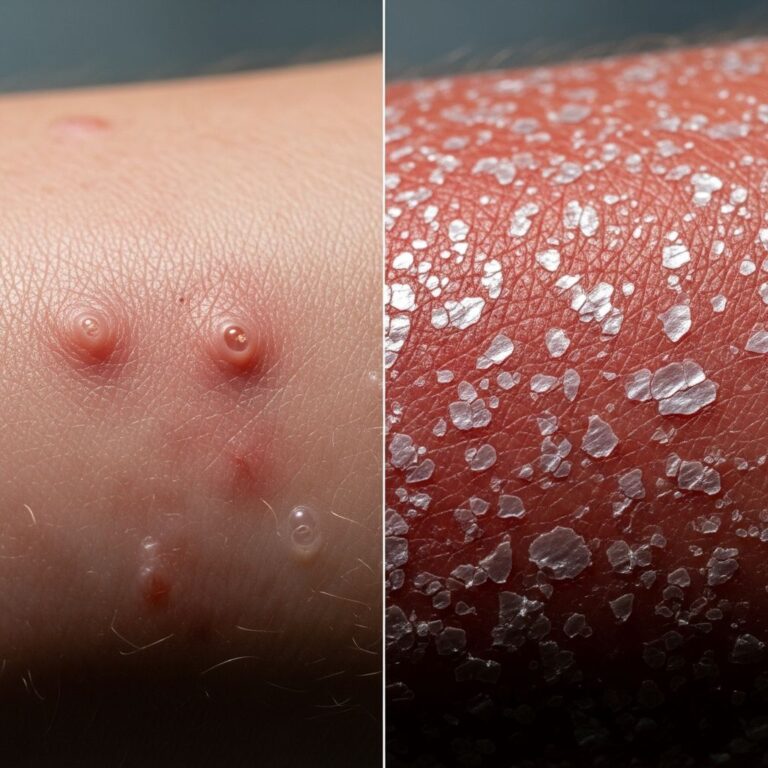
Painless or tender, intermittently migrating nodules (1-5 cm) in limbs, trunk, chest, or abdominal wall; may swell, redden, itch, or cause edema; nodules appear/disappear over weeks/months as larvae track through tissues.
Genital/inguinal sparganosis
Tumor-like masses in scrotum, labia, groin, or penis, mimicking hernia/carcinoma; painful swelling, elephantiasis-like changes from lymphatic obstruction.
Ocular sparganosis
Subconjunctival/eyelid migration causing pain, swelling, vision impairment, ptosis, or proptosis; frothy exudate common.
Cerebral sparganosis (5-15% cases, severe)
Headache, seizures, hemiparesis, hemiplegia, sensory disturbances (numbness/tingling), vertigo, cognitive decline; symptoms insidious over months-years; eosinophilia in CSF/blood. Proliferating spargana in brain tissue cause mass effect, tunnel-like migration tracks.
Related Stories



Visceral sparganosis (rare)
Abdominal pain/peritonitis (intestinal perforation), pleural effusion, lung masses, urinary tract obstruction, liver abscesses.
Systemic: Peripheral eosinophilia (common), fever, fatigue. Larvae survive 5-20+ years, causing chronic/recurrent symptoms.
How is sparganosis diagnosed?
Diagnosis challenging, often postoperative; combines history, imaging, serology, biopsy.
- History: Endemic exposure, raw meat/poultice use, migratory nodules.
- Serology: ELISA for anti-sparganum IgG in serum/CSF (sensitivity 94%, specificity high).
- Imaging:
- Ultrasound: Hypoechoic serpiginous tracts, nodules.
- MRI (gold standard for cerebral): Tunnel sign (linear/cord-like enhancing track 0.5-6 cm), bead-like ring enhancements, migrating lesions, perilesional edema, ventricular dilation.
- CT: Hypodense lesions, calcifications, mass effect.
- Biopsy/Excision: Definitive; white flat/ribbon-like worm with calcareous corpuscles, thick tegument. Eosinophilic granuloma/necrosis.
Differentiate from cysticercosis (multiple cysts), tumors, abscesses. Preoperative diagnosis rare (~20%).
What is the treatment for sparganosis?
Surgical excision of intact sparganum is curative, essential for symptomatic lesions; stereotactic aspiration/craniotomy for cerebral cases resolves symptoms without relapse in most.
- Anthelmintics (praziquantel 50-75 mg/kg/day x 14-28 days) adjunctive/ineffective alone; high-dose regimens show 80% improvement in cerebral cases, with transient worsening.
- Supportive: Corticosteroids, anti-epileptics, anti-inflammatories.
Prognosis excellent post-excision; untreated cerebral cases fatal from mass effect/seizures.
What is the outcome of sparganosis?
Complete resolution post-surgical removal; recurrence if larvae fragments remain. Cerebral cases: 90% symptom-free after surgery; praziquantel yields gradual recovery in 80%, with imaging normalization. Chronic untreated: Persistent migration, fibrosis, secondary infections, neurological deficits. Mortality <1% with intervention.
How can sparganosis be prevented?
- Avoid raw/undercooked frog/snake/pig meat; cook thoroughly.
- Filter/boil drinking water in endemic areas.
- Prohibit flesh poultices; use modern medicine.
- Pet deworming, meat inspection.
- Public education in high-risk regions.
Related topics
- Cysticercosis
- Echinococcosis
- Toxocariasis
- Foodborne parasites
Frequently asked questions (FAQs) about sparganosis
Q: Is sparganosis contagious?
A: No, not person-to-person; acquired only via contaminated food/water/poultices.
Q: Can sparganosis be fatal?
A: Rarely, mainly untreated cerebral cases causing brain herniation/seizures.
Q: How long do symptoms take to appear?
A: Weeks to years post-exposure; larvae migrate slowly.
Q: Is there a vaccine for sparganosis?
A: No; prevention relies on avoiding risk factors.
Q: Does praziquantel cure sparganosis alone?
A: Partial efficacy (80% improvement); surgery preferred for complete removal.
References
- DPDx – Sparganosis — Centers for Disease Control and Prevention (CDC). 2023. https://www.cdc.gov/dpdx/sparganosis/index.html
- Diagnosis and management of cerebral sparganosis: An uncommon parasitic mimic of neuropsychiatric disease — PMC/NCBI. 2022-04-01. https://pmc.ncbi.nlm.nih.gov/articles/PMC8990059/
- Sparganosis — MSD Manual Professional Edition. 2024. https://www.msdmanuals.com/professional/infectious-diseases/cestodes-tapeworms/sparganosis
- A Case of Subcutaneous Sparganosis Caused by Spirometra ranarum — Korean Journal of Parasitology. 2019-04-30. https://www.parahostdis.org/m/journal/view.php?doi=10.3347/kjp.2019.57.2.179
- Sparganosis – Infectious Diseases — MSD Manuals. 2024. https://www.msdmanuals.com/professional/infectious-diseases/cestodes-tapeworms/sparganosis
- Human sparganosis, a neglected food borne zoonosis — PubMed. 2015-10-01. https://pubmed.ncbi.nlm.nih.gov/26364132/
- Sparganosis — DermNet NZ. 2023. https://dermnetnz.org/topics/sparganosis
Similar Articles








Read full bio of medha deb