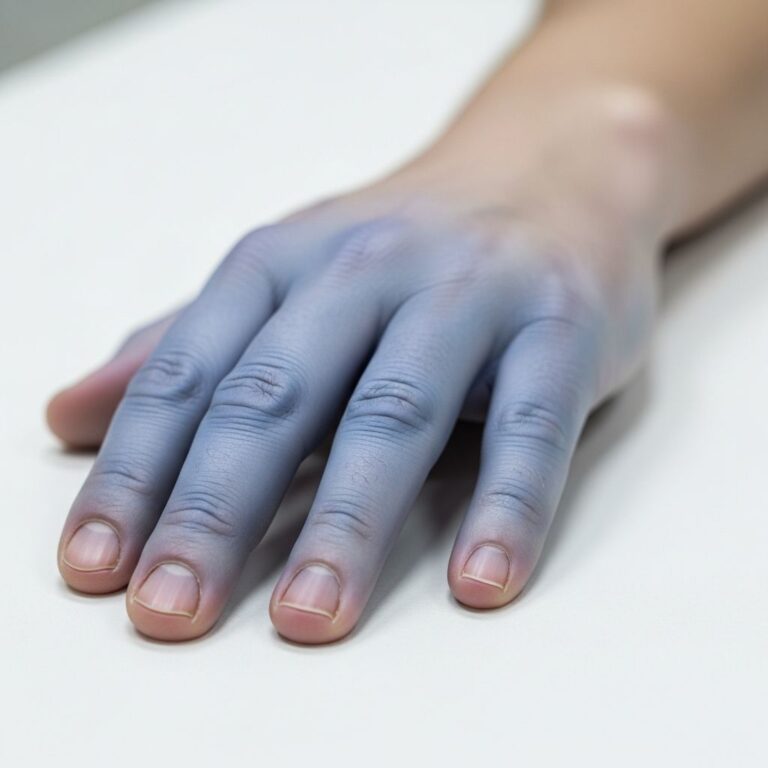
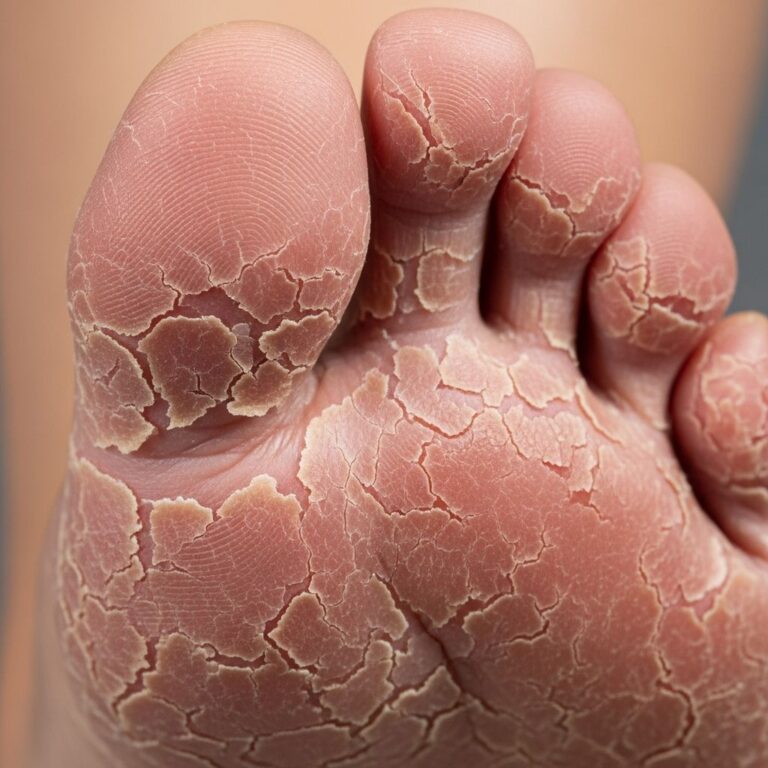
Spasticity: Causes, Symptoms, and Treatment
Understanding spasticity: its causes, symptoms, and effective management strategies.
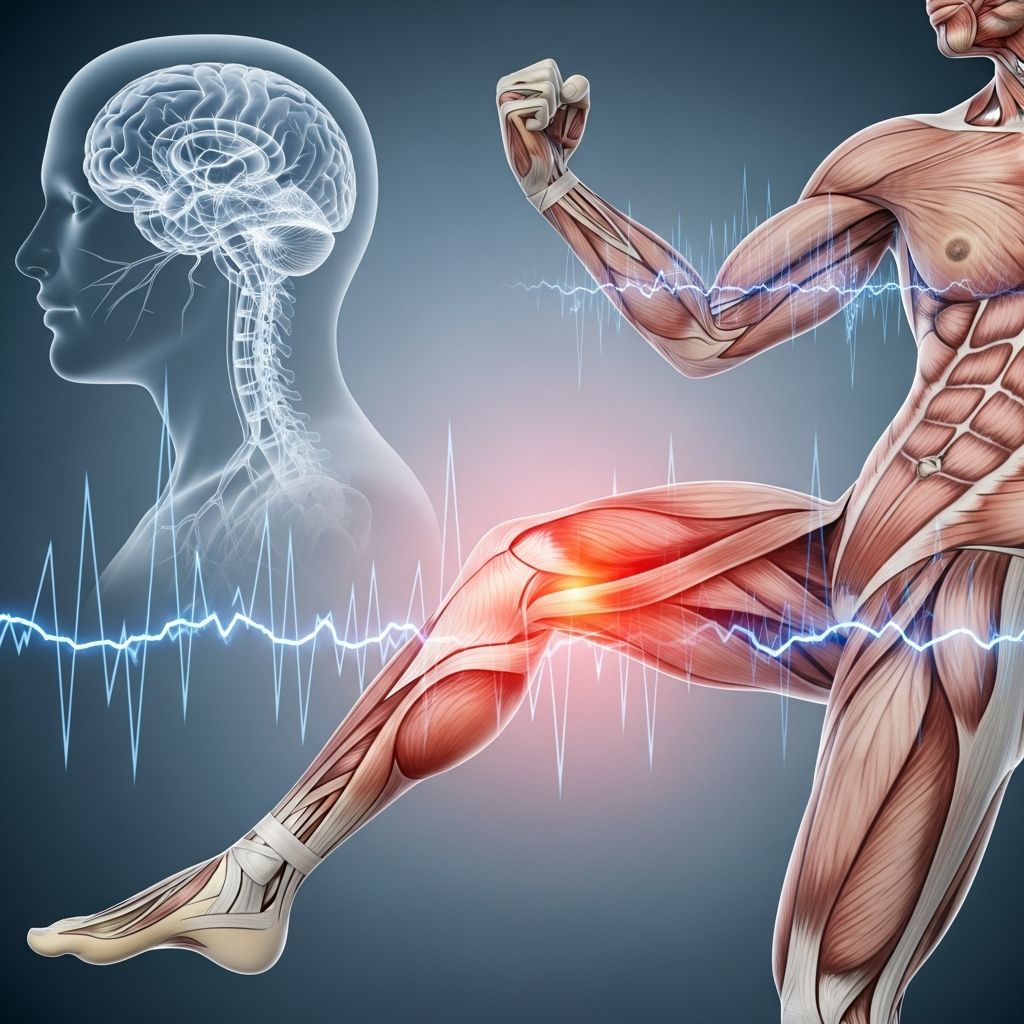
What Is Spasticity?
Spasticity is a neurological condition characterized by an abnormal increase in muscle tone, leading to stiffness, tightness, and sometimes painful muscle spasms. This condition arises due to damage or disruption in the central nervous system, particularly in the brain or spinal cord, which controls muscle movement and reflexes. Spasticity can range from mild muscle tightness to severe, uncontrollable spasms that significantly impair movement and daily activities.
Causes of Spasticity
Spasticity is typically caused by damage to the nerve pathways in the brain or spinal cord that control muscle movement and stretch reflexes. The following are common causes of spasticity:
- Spinal Cord Injuries: Damage to the spinal cord can disrupt signals between the brain and muscles, leading to spasticity.
- Multiple Sclerosis (MS): MS is a chronic autoimmune disease that affects the central nervous system, often resulting in spasticity.
- Cerebral Palsy: This group of disorders affects movement and coordination due to brain damage, often occurring before birth.
- Stroke: A stroke interrupts blood supply to part of the brain, causing brain cells to die and potentially leading to spasticity.
- Brain or Head Trauma: Severe injuries to the brain can disrupt its ability to send proper signals to muscles, resulting in spasticity.
- Hereditary Spastic Paraplegia (HSP): This inherited condition involves progressive stiffness and weakness, particularly in the legs, due to nerve degeneration.
- Adrenoleukodystrophy: An inherited genetic disorder that damages the membrane surrounding nerve cells in the brain and results in the buildup of certain fats in the brain and nervous system.
- Brain Damage Caused by Lack of Oxygen: Hypoxic brain injury can lead to spasticity due to damage to the brain’s motor control centers.
Symptoms of Spasticity
The symptoms of spasticity can vary widely in severity and presentation. Common symptoms include:
- Muscle stiffness or tightness
- Pain or discomfort in affected muscles
- Exaggerated deep tendon reflexes (e.g., knee-jerk reflex)
- Muscle spasms or abnormal movements
- Involuntary crossing of the legs (scissoring)
- Abnormal posture
- Limited or loss of range of motion
- Muscle fatigue
- Inhibition of longitudinal muscle growth (especially in children)
- Inhibition of protein synthesis in muscle cells
- Pain or deformity of the affected area
- Difficulty moving joints or relaxing muscles
- Repetitive jerky motions (clonus), especially when touched or moved
Diagnosis of Spasticity
Diagnosing spasticity involves a thorough medical history, physical examination, and sometimes additional tests. Healthcare providers may use the following methods:
- Physical Examination: Assessment of muscle tone, reflexes, and range of motion.
- Neurological Examination: Evaluation of nerve function and muscle control.
- Imaging Studies: MRI or CT scans to identify brain or spinal cord damage.
- Electromyography (EMG): Measurement of muscle electrical activity to assess muscle function.
- Reflex Testing: Evaluation of deep tendon reflexes to detect abnormalities.
Treatment Options for Spasticity
While there is no cure for spasticity, various treatments can help alleviate symptoms and improve quality of life. Treatment options include:
- Physical Therapy: Exercises to improve muscle strength, flexibility, and range of motion.
- Occupational Therapy: Techniques to enhance daily living skills and independence.
- Medications: Oral medications such as baclofen, tizanidine, and diazepam to reduce muscle stiffness and spasms.
- Botulinum Toxin Injections: Injections to relax specific muscles and reduce spasticity.
- Orthotic Devices: Braces or splints to support and position limbs.
- Surgical Interventions: Procedures such as selective dorsal rhizotomy or intrathecal baclofen pump implantation for severe cases.
- Assistive Devices: Wheelchairs, walkers, or other aids to improve mobility.
Complications of Spasticity
If left untreated, spasticity can lead to several complications, including:
- Muscle and joint deformities
- Contractures (permanent shortening of muscles or tendons)
- Reduced range of motion
- Chronic pain
- Difficulty with daily activities and independence
- Impaired growth in children
Related Stories



Living with Spasticity
Living with spasticity can be challenging, but with proper management, individuals can maintain a good quality of life. Key strategies include:
- Regular physical and occupational therapy
- Adherence to prescribed medications
- Use of assistive devices as needed
- Regular follow-up with healthcare providers
- Support from family, friends, and support groups
Frequently Asked Questions (FAQs)
What is the difference between spasticity and muscle rigidity?
Spasticity is characterized by an abnormal increase in muscle tone that is velocity-dependent, meaning it worsens with faster movements. Muscle rigidity, often seen in Parkinson’s disease, is a constant resistance to movement regardless of speed.
Can spasticity be cured?
There is no cure for spasticity, but treatments can help manage symptoms and improve quality of life.
How common is spasticity?
Spasticity affects more than half a million people in the United States and over 12 million worldwide.
What are the long-term effects of spasticity?
Long-term effects can include muscle and joint deformities, contractures, chronic pain, and reduced range of motion.
Can children outgrow spasticity?
Spasticity in children, especially those with cerebral palsy, often persists into adulthood, but early intervention and treatment can help manage symptoms and improve outcomes.
References
- Spasticity: MedlinePlus Medical Encyclopedia — U.S. National Library of Medicine. 2023-09-01. https://medlineplus.gov/ency/article/003297.htm
- Spasticity – Symptoms and Causes — Penn Medicine. 2023-08-15. https://www.pennmedicine.org/conditions/spasticity
- Spasticity: What It Is, Causes, Symptoms & Treatment — Cleveland Clinic. 2023-07-20. https://my.clevelandclinic.org/health/symptoms/14346-spasticity
- Spasticity – StatPearls — NCBI Bookshelf. 2023-06-10. https://www.ncbi.nlm.nih.gov/books/NBK507869/
Similar Articles








Read full bio of Sneha Tete