Specific Antibody Deficiency: 4 Diagnostic Criteria
Understanding specific antibody deficiency: causes, symptoms, diagnosis, and management of this primary immunodeficiency disorder.
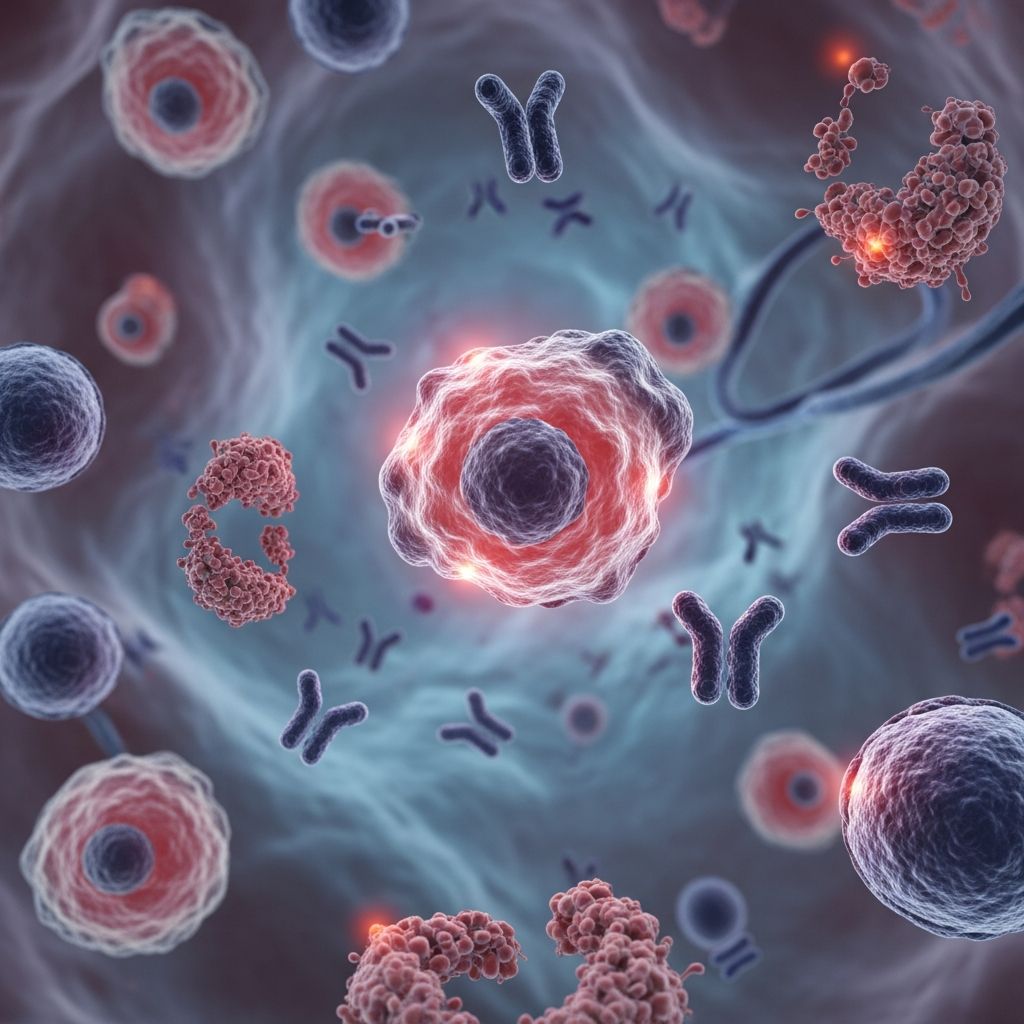
Specific antibody deficiency (SPAD), also known as selective antibody deficiency (SAD), is a primary immunodeficiency disorder where individuals fail to produce adequate immunoglobulin G2 (IgG2) antibodies against polysaccharide antigens on encapsulated bacteria, despite normal total immunoglobulin levels. This condition predisposes patients to recurrent infections, particularly of the respiratory tract.
Introduction
Specific antibody deficiency represents a mild form of humoral immunodeficiency characterized by an impaired ability to mount protective antibody responses to polysaccharide-encapsulated bacteria such as Streptococcus pneumoniae, Haemophilus influenzae, and Staphylococcus aureus. Antibodies, particularly IgG subclasses, play a crucial role in opsonizing these pathogens for phagocytosis. In SPAD, while quantitative immunoglobulin levels (IgG, IgA, IgM) remain normal, the functional response to specific polysaccharide vaccines is deficient, leading to increased susceptibility to infections.
This condition is often underdiagnosed because patients may not exhibit severe symptoms, and routine immunoglobulin screening appears normal. SPAD can occur as an isolated entity or as part of a spectrum evolving into broader immunodeficiencies like common variable immunodeficiency (CVID).
Demographics
SPAD affects individuals of all ages and both sexes equally, with no strong gender or ethnic predisposition reported. It is estimated to be the eighth most common primary immunodeficiency disorder (PID), though prevalence is likely underestimated due to diagnostic challenges.
- Pediatric population: Often presents in children over 2 years old with recurrent otitis media or sinusitis. Young children may naturally have immature responses, so testing is deferred until after age 2.
- Adults: May be diagnosed later in life with chronic bronchiectasis from undiagnosed recurrent infections.
- Familial cases: Rare, but some families show clustering, suggesting genetic factors.
Incidence is not precisely known but referral patterns in infectious disease clinics suggest it accounts for a significant portion of recurrent infection cases after excluding more severe PIDs.
Causes
The precise etiology of SPAD remains unclear, but it involves a selective impairment in B-cell function specific to T-cell independent type 2 (TI-2) antigens, which are polysaccharides. Key pathophysiological mechanisms include:
- Defective IgG2 production: Most antibodies against bacterial polysaccharides are IgG2 subclass; SPAD patients show poor switching to this subclass.
- Impaired marginal zone B cells: These cells are critical for polysaccharide responses; dysfunction leads to inadequate antibody production.
- Genetic associations: Possible links to polymorphisms in genes regulating B-cell activation, though no single mutation defines SPAD.
- Secondary factors: Can mimic SPAD in asplenia, HIV, malignancies, or post-rituximab therapy, but true SPAD has normal labs excluding these.
Unlike agammaglobulinemia or CVID, SPAD spares protein antigen responses (e.g., tetanus, diphtheria), confirming its specificity.
Signs and Symptoms
Clinical manifestations primarily involve recurrent bacterial infections due to poor clearance of encapsulated organisms. Severity varies; some patients are asymptomatic if compensated by cellular immunity.
Related Stories



| Infection Type | Common Pathogens | Frequency/Severity |
|---|---|---|
| Otitis media | S. pneumoniae, H. influenzae | Recurrent, may require tympanostomy |
| Sinusitis | S. pneumoniae, anaerobes | Chronic, nasal polyps possible |
| Bronchitis/Pneumonia | S. pneumoniae, S. aureus | Recurrent LRTIs, risk of bronchiectasis |
| Other | Encapsulated bacteria | Skin infections, rarely sepsis |
Additional features:
- Increased upper/lower respiratory infections (sinusitis, pneumonia, otitis).
- Less severe than CVID or agammaglobulinemia; no opportunistic infections.
- Autoimmunity rare, unlike broader deficiencies.
- Chronic lung damage (bronchiectasis) from repeated insults.
Diagnosis
Diagnosis requires clinical history plus specific immunologic testing. Key criteria:
- Recurrent sinopulmonary infections (essential).
- Normal quantitative immunoglobulins (IgG, IgA, IgM) and IgG subclasses.
- Poor response to polysaccharide vaccine challenge (e.g., Pneumovax 23 – PPV23).
- Normal response to protein vaccines (tetanus, diphtheria) to exclude broader defects.
Diagnostic Algorithm
- History and exam: Document infection frequency/severity.
- Labs: CBC, Ig levels, IgG subclasses, HIV screen – all normal in pure SPAD.
- Vaccine challenge: Pre/post titers to ≥10/23 PPV23 serotypes (<1.3-fold increase or post titer <1.3 mcg/mL).
- Imaging: CT chest/sinuses for bronchiectasis.
Children tested post-2 years; PPV23 preferred over conjugate vaccines (Prevnar) as it tests pure polysaccharide response. Differential includes IgG2 deficiency, CVID, asplenia.
Treatment
Management focuses on infection prevention and lung preservation.
- Antibiotics: Prophylactic (e.g., azithromycin) for frequent infections; acute treatment as needed.
- Vaccinations: Pneumococcal conjugate (PCV13/20) may elicit better responses; annual influenza.
- Immunoglobulin replacement (IVIG/SCIG): Provides passive polysaccharide antibodies; indicated for severe/refractory cases.
- Supportive: Airway clearance, sinus surgery if chronic.
IVIG normalizes immunity via passive transfer; response rates high in preventing bronchiectasis.
Prognosis
With early diagnosis and treatment, prognosis is excellent. Untreated, recurrent infections lead to bronchiectasis, reduced quality of life. Most patients maintain normal lifespan; some ‘outgrow’ mild cases, others progress to CVID. Regular monitoring prevents complications.
Frequently Asked Questions (FAQs)
What is specific antibody deficiency?
SPAD is a primary immunodeficiency with normal immunoglobulin levels but poor specific antibody response to polysaccharide bacteria, causing recurrent infections.
Who gets SPAD?
It affects all ages/sexes; common in children with recurrent ear/sinus infections and adults with chronic lung issues.
How is SPAD diagnosed?
Via history of infections, normal Igs, and failed polysaccharide vaccine response (PPV23).
Is SPAD curable?
No cure, but manageable with antibiotics, vaccines, and IVIG to prevent infections.
Can SPAD lead to other conditions?
Yes, some evolve to CVID; monitor Ig levels over time.
References
- Specific Antibody Deficiency – SPAD — Immunodeficiency UK. 2023. https://www.immunodeficiencyuk.org/immunodeficiency/primary-immunodeficiency/specific-antibody-deficiency-spad/
- Selective Antibody Deficiency (SAD) — Nufactor. 2024. https://www.nufactor.com/conditions/immune-deficiency/selective-antibody-deficiency-sad.html
- Decoding antibody deficiency diagnoses — Immune Deficiency Foundation. 2023. https://primaryimmune.org/resources/news-articles/decoding-antibody-deficiency-diagnoses
- Specific Antibody Deficiency — Private Practice Infectious Disease Journal. 2023. https://ppidjournal.com/doi10-55636-3010003/
- Specific Antibody Deficiency Treatments — Impact Medical. 2024. https://impactmedicalaai.com/conditions/immunodeficiencies/specific-antibody-deficiency/
- Selective Antibody Deficiency With Normal Immunoglobulins — Merck Manuals. 2025. https://www.merckmanuals.com/home/immune-disorders/immunodeficiency-disorders/selective-antibody-deficiency-with-normal-immunoglobulins
- Specific antibody deficiency — DermNet NZ. 2024. https://dermnetnz.org/topics/specific-antibody-deficiency
Similar Articles








Read full bio of medha deb