Sperm Banking: Preservation, Process & Fertility Options
Comprehensive guide to sperm banking: Learn how to preserve fertility for future family planning.
Understanding Sperm Banking
Sperm banking is a medical procedure that involves collecting, freezing, and storing sperm cells for future reproductive use. This process allows individuals to preserve their fertility for various reasons, including medical treatments that may affect reproductive capacity, occupational hazards, or personal family planning decisions. The procedure is performed at specialized fertility clinics and sperm banks equipped with advanced cryopreservation technology.
The practice of sperm preservation has a rich history in modern medicine. Healthcare providers first preserved semen in dry ice in 1953, and this breakthrough led to the first successful conception using preserved sperm. The technology evolved significantly when liquid nitrogen was introduced for semen preservation starting in 1963, enabling longer-term storage and improved survival rates of sperm cells.
Who Should Consider Sperm Banking?
Sperm banking is appropriate for individuals facing various life circumstances that may affect their future fertility. Common reasons to consider this option include:
- Individuals undergoing chemotherapy or radiation therapy for cancer treatment
- Men in high-risk occupations exposed to hazardous materials or radiation
- Those with genetic conditions that may affect fertility over time
- Individuals undergoing surgical procedures that may impact reproductive function
- Men facing prolonged military deployment or travel
- Those seeking to extend their reproductive years for personal reasons
- Couples planning fertility treatments such as IVF or IUI as a backup measure
The Sperm Banking Process
Initial Consultation and Testing
Before banking sperm, individuals should schedule an initial consultation with a fertility specialist. During this appointment, the healthcare provider will discuss the reasons for sperm banking, explain the procedure, address any questions or concerns, and review the associated costs. The consultation is an opportunity to understand the commitment involved and ensure sperm banking aligns with personal reproductive goals.
A critical component of the initial process involves comprehensive health screening. Before your sperm is banked, your healthcare provider will test you for sexually transmitted infections (STIs), including syphilis, hepatitis B, hepatitis C, and HIV/AIDS. These tests are typically performed using blood samples. Your healthcare provider will use a thin needle (21 gauge, slightly smaller than a standard earring) to withdraw a small amount of blood from a vein in your arm. While not usually painful, you may feel a slight pinch as the needle penetrates the skin. The blood sample is then sent to a laboratory where technicians examine it for the presence of any STIs. This screening is essential for safety and ensures that stored sperm can be used safely for future fertility treatments.
Preparing for Sample Collection
Proper preparation is crucial for obtaining a high-quality sperm sample. To achieve optimal sperm count and motility, samples should be collected after 2 to 5 days of sexual abstinence, meaning no ejaculation through masturbation or intercourse. Ejaculating more or less frequently than this timeframe can lead to lower sperm counts and reduced sample quality.
Before collecting the sample, individuals should urinate and wash their hands thoroughly, ensuring all soap is rinsed away completely. This helps maintain the sterility of the sample and prevents contamination that could affect sperm quality or viability.
Collection Procedure
During the sperm banking appointment, which typically takes about one hour, individuals will be led to a private collection room at the fertility clinic. The clinic provides a sterile specimen container specifically designed for semen collection. Samples must be produced through masturbation only and collected entirely into the provided container. It is important not to touch the inside of the container or cover with hands or genital area, as this can introduce contaminants.
Related Stories



Collection instructions emphasize several important guidelines: do not use a regular condom for collection, as condoms contain substances that can harm sperm motility. Additionally, avoid using any gels, creams, lotions, lubricants, or saliva, as these agents may impair the sperm’s ability to move properly. The entire ejaculate should be collected, and if collection is incomplete, individuals should inform staff immediately when submitting the specimen. Only semen should be placed in the container; no other substances or body fluids should be included.
The collected sample must be delivered directly to the andrology laboratory within two hours of collection. Most fertility clinics accept samples Monday through Friday from 8 a.m. to 1 p.m. Multiple samples may be required, with healthcare providers typically requesting collections at least 48 hours apart to allow sufficient time for sperm replenishment. However, if the treatment schedule is time-sensitive, waiting 24 hours between collections is often sufficient.
Laboratory Processing and Freezing
Sample Analysis and Preparation
Once the sample reaches the laboratory, specialized andrologists assess the sperm quality and quantity. Your healthcare provider will analyze several key parameters of the semen sample before freezing, including sperm count, motility (movement), and morphology (shape and structure). A small amount of the sample is retained for testing purposes, while the remaining sample undergoes processing.
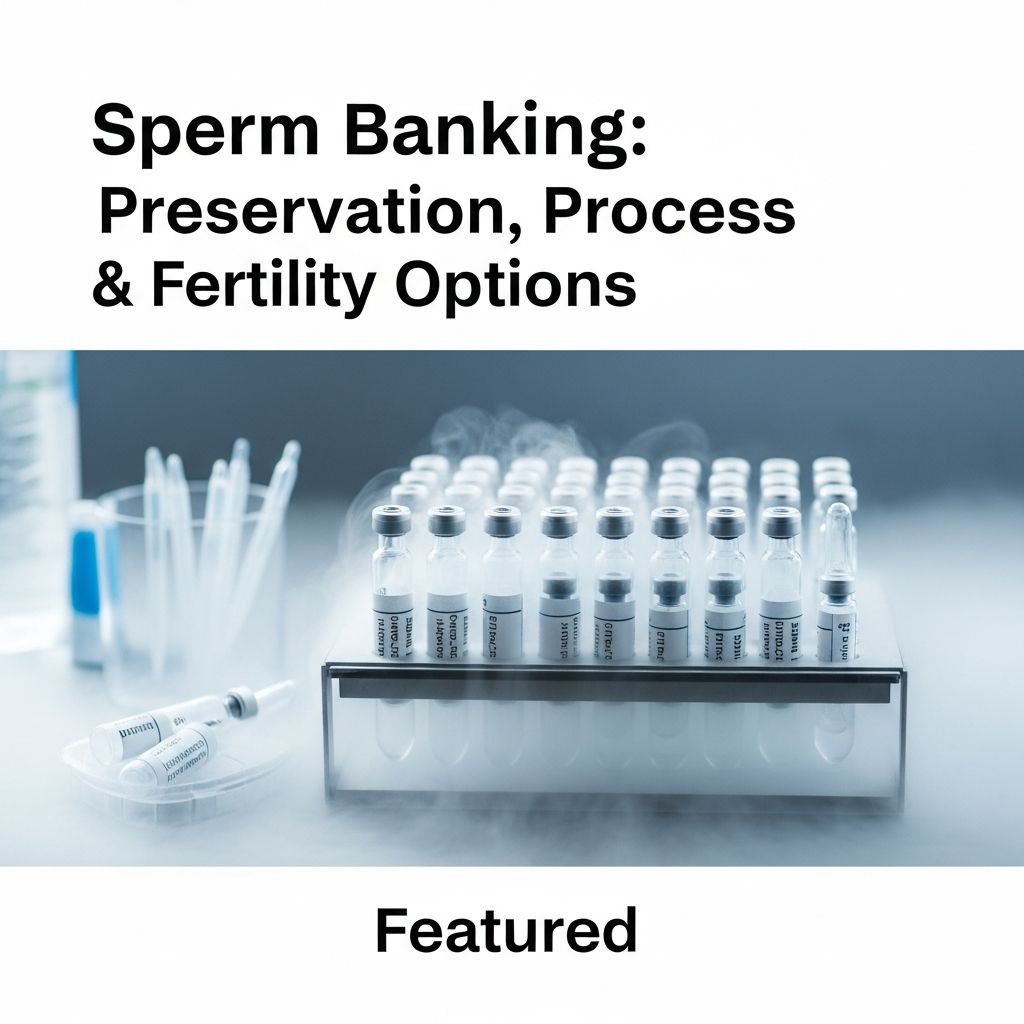
The sperm sample is divided into smaller portions and treated with a special chemical called a cryopreservative that protects sperm cells during the freezing process. These protected samples are then stored in special containers called cryovials or straws, with each vial containing a measured amount of processed sperm.
Multi-Stage Freezing Process
The freezing process follows a carefully controlled, multi-stage protocol to maximize sperm survival. The process begins immediately after sample preparation. First, your healthcare provider places the samples in a freezer set to -20 degrees Fahrenheit (-29 degrees Celsius). This initial step prevents sperm from dying due to an extreme drop in temperature by allowing gradual temperature reduction.
Next, the samples are placed in a liquid nitrogen vapor chamber maintained at -86 degrees Fahrenheit (-66 degrees Celsius) for approximately two hours. This intermediate step continues the gradual cooling process, further protecting the sperm cells from thermal shock.
Finally, your healthcare provider permanently stores the samples in a deep-freeze storage tank containing liquid nitrogen maintained at -321 degrees Fahrenheit (-196 degrees Celsius). At this temperature, biological processes essentially stop, allowing sperm to remain viable for many years, potentially decades or longer.
Post-Freezing Assessment
Between 24 and 48 hours after freezing, the laboratory analyzes a small amount of the thawed sample to measure the percentage of sperm that survive the freezing and thawing process. Generally, sperm from high-quality semen samples demonstrate better recovery rates after thawing. On average, approximately 30 percent of the original sperm sample does not survive the freezing and thawing process. This information helps determine how many vials will be needed for each pregnancy attempt and provides valuable data about expected success rates for future use.
Storage and Long-Term Maintenance
Once frozen and stored in the deep-freeze tanks, sperm samples remain viable for extended periods. The ultra-low temperatures effectively halt all biological activity, preserving the genetic material indefinitely. Storage facilities maintain meticulous records and safety protocols to ensure sample integrity and prevent mix-ups. Fertility clinics copy photo identification for permanent files as an additional safety measure, ensuring accurate identification and maintaining confidentiality during storage and at the time of release.
Regular monitoring of storage tanks ensures that liquid nitrogen levels remain adequate and that temperature stability is maintained. Most facilities employ backup systems and emergency protocols to protect samples in case of equipment failure or other unforeseen circumstances.
Benefits and Considerations
Key Benefits
Sperm banking offers significant advantages for individuals concerned about future fertility. The primary benefit is reproductive autonomy—it allows individuals to maintain their reproductive options regardless of future health changes or life circumstances. Those undergoing cancer treatment can proceed with confidence, knowing they have preserved their genetic material before potentially fertility-affecting therapies. Additionally, sperm banking does not delay the start of medical treatment; banking occurs before treatment begins.
The procedure also provides flexibility in family planning, allowing individuals to pursue parenthood at their preferred time. For couples using assisted reproductive technologies, banking backup samples can provide additional security and reduce anxiety about future fertility attempts.
Important Considerations
While sperm banking offers many advantages, potential users should understand certain limitations and considerations. The freezing and thawing process results in some loss of sperm viability, with approximately 30 percent of the original sample not surviving the process. This means that lower-quality initial samples may result in insufficient usable sperm after thawing.
Cost is another significant consideration. Sperm banking involves fees for the initial collection, processing, and freezing, plus ongoing annual storage fees. Insurance coverage varies widely, and many plans do not cover fertility preservation procedures. Individuals should clarify all costs before proceeding with banking.
There are also important medical and ethical considerations. Some individuals may not produce sufficient quality or quantity of sperm for successful banking. Additionally, individuals should consider personal circumstances, relationship status, and long-term reproductive goals before committing to sperm banking.
Using Banked Sperm
When individuals decide to use their banked sperm, the samples are carefully thawed and prepared for fertility treatment. The thawed sperm can be used for intrauterine insemination (IUI), in vitro fertilization (IVF), or other assisted reproductive techniques. The success of conception using banked sperm depends on the post-thaw survival rate, the viability of the female partner’s eggs (if applicable), and other fertility factors.
Healthcare providers will work with individuals to develop an appropriate treatment plan based on their specific reproductive goals and circumstances. The stored sperm remains available for multiple fertility attempts, providing flexibility in the timing and frequency of treatment cycles.
Frequently Asked Questions
Q: Is sperm banking a painful procedure?
A: No, sperm banking is not painful. The initial blood test for STI screening may cause a slight pinch as the needle enters your arm, but this is minimal. The sample collection is performed in private and involves no medical pain.
Q: How long can sperm be stored?
A: Sperm stored in liquid nitrogen at -321 degrees Fahrenheit can remain viable for many years, potentially decades or longer. Some studies suggest sperm stored properly can maintain viability for 40 years or more, though most individuals use their samples within 10-20 years.
Q: Will sperm banking delay cancer treatment or other medical procedures?
A: No, sperm banking will not delay the start of your medical treatment. The banking process is completed before treatment begins, so it does not interfere with urgent medical care schedules.
Q: How many samples should I bank?
A: Most fertility clinics recommend banking multiple samples collected at least 48 hours apart. The number of samples depends on sperm quality, personal circumstances, and reproductive goals. Your healthcare provider will make specific recommendations during your consultation.
Q: What happens to my banked sperm if I don’t use it?
A: Storage facilities typically require individuals to make decisions about their stored sperm. You can continue storage indefinitely by paying annual fees, donate samples to research or other individuals, or request that samples be destroyed. It is important to clarify these options with your fertility clinic.
Q: Can frozen sperm be used after many years?
A: Yes, properly stored frozen sperm can maintain viability for many years. When you decide to use your banked sperm, it is carefully thawed and prepared for fertility treatment, with success rates depending on post-thaw survival and other fertility factors.
Q: Is there a success rate associated with using frozen sperm?
A: Success rates with frozen sperm are comparable to fresh sperm when the samples are of good quality and properly preserved. However, success also depends on female fertility factors, the specific reproductive technique used, and individual health circumstances. Your healthcare provider can discuss expected success rates based on your situation.
References
- Sperm Banking: Collection, Freezing, Storage, Benefits & Risks — Cleveland Clinic. 2024. https://my.clevelandclinic.org/health/treatments/17493-sperm-banking
- Sperm Banking — Mount Sinai Fertility. 2024. https://mountsinaifertility.com/fertility-treatments/sperm-banking-2/
- What To Know About Freezing Sperm — WebMD. 2024. https://www.webmd.com/infertility-and-reproduction/what-to-know-freezing-sperm
Similar Articles








Read full bio of Sneha Tete