Sperm Retrieval Procedures: Options and Insights
Explore the latest sperm retrieval techniques and their role in overcoming male infertility.
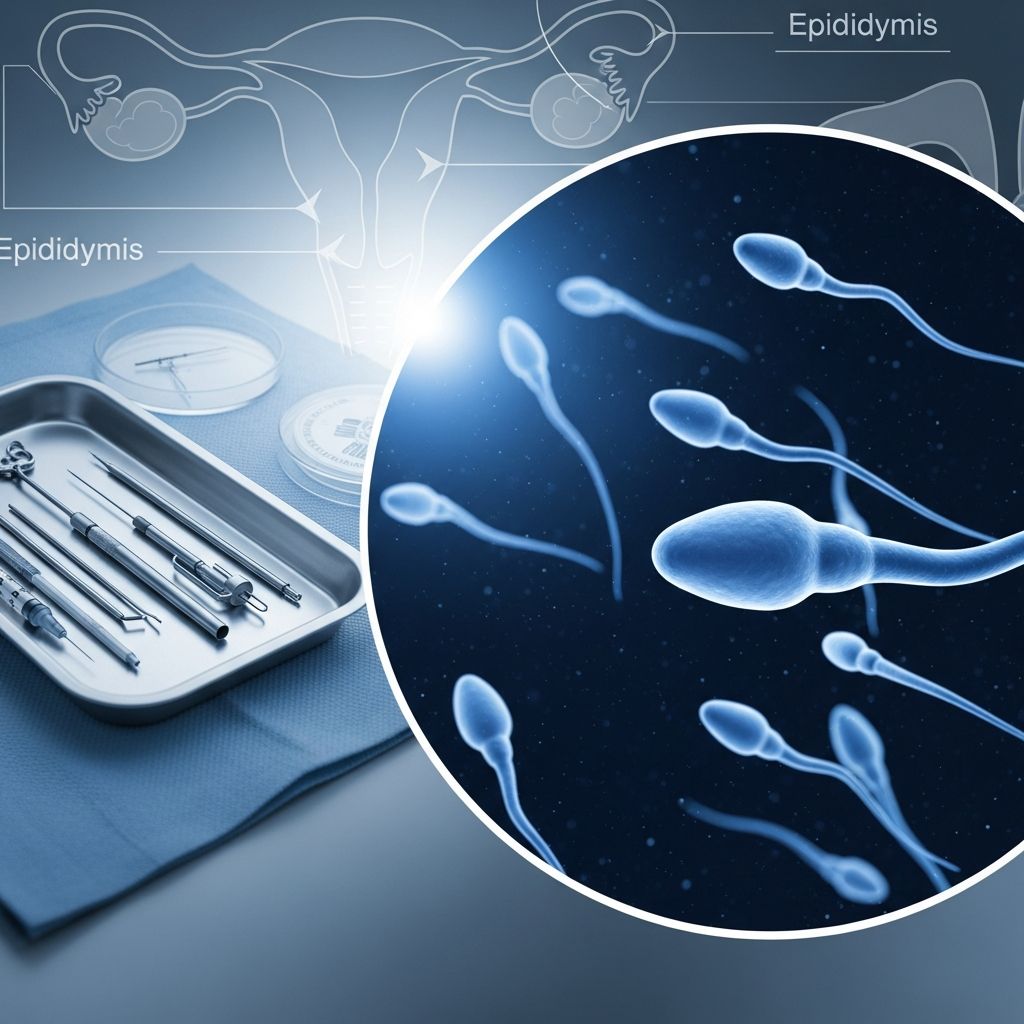
What Are Sperm Retrieval Procedures?
Sperm retrieval procedures are specialized medical interventions designed to extract sperm directly from the male reproductive tract when natural ejaculation is not possible or when there is an absence of sperm in the ejaculate. These procedures are essential for men facing infertility due to various medical conditions, including obstructive or non-obstructive azoospermia, spinal cord injuries, or previous surgeries such as vasectomy. Sperm retrieval is often combined with assisted reproductive technologies (ART), such as in vitro fertilization (IVF) and intracytoplasmic sperm injection (ICSI), to help couples achieve pregnancy.
When Are Sperm Retrieval Procedures Needed?
Sperm retrieval is typically recommended in the following situations:
- Obstructive azoospermia (blockage in the reproductive tract)
- Non-obstructive azoospermia (low or no sperm production)
- Previous vasectomy or failed vasectomy reversal
- Spinal cord injury or neurological conditions affecting ejaculation
- Genetic conditions affecting sperm production
- Unexplained infertility with very low sperm count
Types of Sperm Retrieval Procedures
There are several sperm retrieval techniques, each suited to different clinical scenarios. The choice of procedure depends on the underlying cause of infertility, the patient’s medical history, and the expertise of the fertility team.
Testicular Sperm Extraction (TESE)
TESE involves the surgical removal of small pieces of testicular tissue to extract sperm. This procedure is commonly used for men with non-obstructive azoospermia, where sperm production is low but not absent. TESE can be performed under local or general anesthesia and is typically an outpatient procedure.
Microdissection TESE (MicroTESE)
MicroTESE is a more advanced form of TESE that uses high-powered microscopes to identify areas of the testis with the highest likelihood of sperm production. This technique is particularly useful for men with very low sperm production, as it increases the chances of finding viable sperm while minimizing tissue damage.
Percutaneous Epididymal Sperm Aspiration (PESA)
PESA is a minimally invasive procedure where a needle is inserted through the scrotal skin to aspirate sperm from the epididymis. This method is often used for men with obstructive azoospermia, such as those who have had a vasectomy. PESA is less invasive than surgical techniques and can be performed under local anesthesia.
Microscopic Epididymal Sperm Aspiration (MESA)
MESA is a surgical procedure that involves making a small incision in the scrotum to access the epididymis and extract sperm under microscopic guidance. MESA is typically used for men with obstructive azoospermia and is preferred when a larger number of sperm are needed for IVF or ICSI.
Testicular Sperm Aspiration (TESA)
TESA is similar to PESA but involves aspirating sperm directly from the testis rather than the epididymis. This procedure is less invasive than TESE and is often used for men with obstructive azoospermia or when only a small number of sperm are needed.
Related Stories



Testicular Fine Needle Aspiration (TFNA)
TFNA is a minimally invasive technique that uses a fine needle to aspirate sperm from the testis. This method is less traumatic than surgical extraction and is suitable for men with obstructive azoospermia or when only a small number of sperm are required.
How Are Sperm Retrieval Procedures Performed?
Sperm retrieval procedures are typically performed in an outpatient surgery center and last about one hour. The choice of anesthesia—local, IV sedation, or general—depends on the procedure and the patient’s comfort level. Most patients can return to desk-type work within a day or two after the procedure.
Step-by-Step Overview
- Preoperative evaluation and counseling
- Administration of anesthesia
- Procedure-specific technique (TESE, PESA, MESA, etc.)
- Collection and processing of sperm
- Postoperative care and recovery
Success Rates and Outcomes
The success of sperm retrieval procedures varies depending on the underlying cause of infertility and the technique used. For obstructive azoospermia, sperm retrieval is successful in more than 90% of cases. For non-obstructive azoospermia, the success rate is lower, with about 50% of men having clinically usable sperm after retrieval.
Factors Affecting Success
- Underlying cause of infertility
- Expertise of the surgeon and andrology laboratory
- Quality and quantity of retrieved sperm
- Differences in sperm DNA integrity
- Viability of sperm after freezing and thawing
Combining Sperm Retrieval with Assisted Reproductive Technology
Sperm retrieved through these procedures is often used in conjunction with ART, such as IVF and ICSI. ICSI, in particular, has revolutionized the treatment of male infertility by allowing a single sperm to be injected directly into an egg, increasing the chances of fertilization.
IVF and ICSI
IVF involves fertilizing eggs in a laboratory setting, while ICSI is a specialized form of IVF where a single sperm is injected into an egg. These techniques are particularly beneficial for men with very low sperm counts or poor sperm quality.
Risks and Complications
While sperm retrieval procedures are generally safe, they do carry some risks, including:
- Bleeding
- Infection
- Pain or discomfort
- Damage to the testicular tissue
- Failure to retrieve viable sperm
Recovery and Aftercare
Most patients recover quickly from sperm retrieval procedures and can resume normal activities within a few days. Postoperative care may include pain management, wound care, and follow-up appointments to monitor recovery and discuss next steps in the fertility treatment process.
Frequently Asked Questions (FAQs)
What is the difference between TESE and MESA?
TESE involves removing small pieces of testicular tissue to extract sperm, while MESA involves extracting sperm from the epididymis under microscopic guidance. TESE is typically used for non-obstructive azoospermia, while MESA is used for obstructive azoospermia.
How long does a sperm retrieval procedure take?
Most sperm retrieval procedures take about one hour and are performed on an outpatient basis.
Can sperm retrieved through these procedures be frozen?
Yes, sperm retrieved through these procedures can be cryopreserved (frozen) for future use in ART.
What are the chances of pregnancy after sperm retrieval?
The chances of pregnancy depend on the underlying cause of infertility, the quality of the retrieved sperm, and the success of the ART used. For obstructive azoospermia, the success rate is high, while for non-obstructive azoospermia, the success rate is lower.
Are there any long-term risks associated with sperm retrieval procedures?
Long-term risks are rare but can include damage to the testicular tissue or chronic pain. Most patients recover fully without complications.
Conclusion
Sperm retrieval procedures are a vital tool in the treatment of male infertility, offering hope to men who might otherwise be unable to father children. With advances in surgical techniques and ART, the chances of successful pregnancy have improved significantly. If you are considering a sperm retrieval procedure, it is important to discuss your options with a qualified fertility specialist to determine the best approach for your individual situation.
References
- Sperm retrieval techniques — Nat Rev Urol. 2013 Dec;10(12):723-30. https://pubmed.ncbi.nlm.nih.gov/24296703/
- Male Infertility Treatment Options — Male Fertility Solutions. https://www.malefertility.com/male-infertility/treatment-options
- Infertility Treatment and Fertility Preservation — Johns Hopkins Medicine. https://hpo-docs.jh.edu/WkaQpTXx
Similar Articles








Read full bio of Sneha Tete