Spermicide: How To Use, Benefits, Risks & Effectiveness
Complete guide to spermicide contraception: forms, usage, effectiveness rates, and safety considerations.
Understanding Spermicide: A Comprehensive Guide to Non-Hormonal Contraception
Spermicide is a type of birth control that works by preventing sperm from reaching an egg, thereby preventing pregnancy. When placed in your vagina before sexual intercourse, spermicide creates a protective barrier that stops sperm from traveling to the egg and fertilizing it. This non-hormonal contraceptive method comes in several convenient forms, making it accessible to those seeking an alternative to hormonal birth control options.
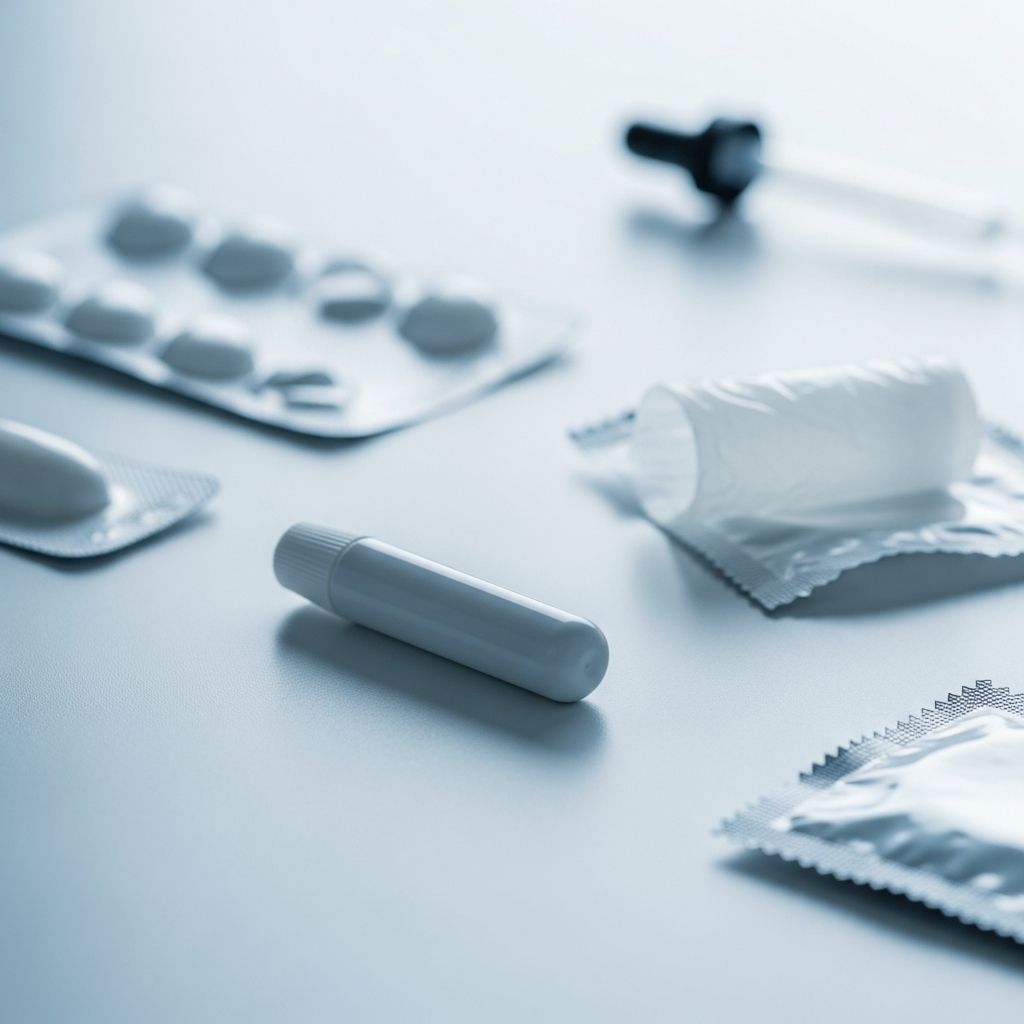
Spermicides are available in multiple formulations designed to meet different preferences and needs. These include gels, creams, foams, films, and suppositories, each offering varying levels of convenience and ease of application. Additionally, prescription-only vaginal gels that function similarly to traditional spermicides are available, providing an alternative for those who prefer medical supervision.
How Spermicide Works
Spermicide contains specialized chemicals that damage and impair sperm, preventing them from reaching an egg. The primary active ingredient in most spermicides is nonoxynol-9 (N-9), a chemical that doesn’t actually kill sperm but rather stops it from reaching the egg and fertilizing it. The mechanism of action involves blocking the entrance to your cervix, the lowest part of your uterus, while simultaneously preventing sperm from swimming upward to reach the egg.
Unlike some birth control methods that use hormones to prevent ovulation, spermicide works locally where it’s applied. This makes it an excellent option for individuals who prefer to avoid systemic hormonal effects. The chemical acts as a detergent, dissolving the membrane on the outside of sperm, which effectively immobilizes the sperm and prevents conception.
Forms of Spermicide Available
Understanding the different forms of spermicide can help you choose the option that best fits your lifestyle and preferences:
- Gels: Thick, viscous formulations that are easy to apply and provide consistent coverage
- Creams: Similar to gels but with a lighter consistency, offering ease of application
- Foams: Lightweight formulations that disperse easily within the vagina
- Films: Thin, dissolvable sheets that dissolve when moistened
- Suppositories: Solid forms that melt at body temperature, releasing spermicide gradually
- Prescription Vaginal Gels: Specialized formulations like Phexxi that work by lowering vaginal pH, making it difficult for sperm to swim
Each form has its own advantages, and your choice may depend on personal comfort, ease of use, and preference for timing. Spermicides are widely available at most drug stores and grocery stores without a prescription, except for prescription-only vaginal gels.
How to Use Spermicide Correctly
Proper application of spermicide is essential for its effectiveness. Following the manufacturer’s instructions precisely is crucial, as incorrect application can render the spermicide ineffective. Here are the general guidelines for using spermicides:
- Place spermicide in your vagina at least 15 to 30 minutes before sexual intercourse
- Read and follow all packaging instructions carefully, as application methods vary by product type
- Wash your hands with mild, unscented soap and water before applying spermicide
- Insert the spermicide into your vagina, ensuring proper coverage of the cervical area
- Most spermicides remain effective for approximately one hour
- Reapply spermicide every time you have sex
- Do not wash out the spermicide after sexual intercourse
Related Stories



It’s important to note that timing is critical. If you wait longer than 30 minutes after application before having sex, the spermicide may not be as effective. Additionally, if you engage in multiple rounds of intercourse, you must reapply the spermicide each time to maintain protection.
Effectiveness Rates
Understanding the effectiveness of spermicide is crucial for making informed contraceptive decisions. When evaluating birth control methods, two effectiveness rates are typically cited: typical use and perfect use.
When used alone: Spermicide is approximately 70% effective in preventing pregnancy. This relatively modest effectiveness rate makes it one of the least reliable birth control methods when used by itself. However, combining spermicide with another barrier method significantly improves its protective capability.
When used with another barrier method: When spermicide is combined with other contraceptive methods such as condoms, diaphragms, or cervical caps, its effectiveness increases to approximately 94%. This substantial improvement demonstrates why healthcare providers often recommend using spermicide as an additional layer of protection rather than as a standalone method.
Prescription vaginal gels: Phexxi and similar prescription vaginal gels that work by altering vaginal pH show effectiveness rates between 85% to 93%, making them more effective than traditional spermicides alone but less effective than some hormonal methods.
Advantages of Using Spermicide
Spermicide offers several benefits that make it an attractive option for certain individuals:
- Non-hormonal option: Ideal for those who cannot or prefer not to use hormonal contraceptives
- No prescription required: Over-the-counter availability makes it accessible and convenient
- Easy to use: Simple application process that doesn’t require professional fitting
- Portable: Can be carried discreetly in a purse or bag
- Additional layer of protection: Can be combined with other barrier methods for increased effectiveness
- No systemic side effects: Works locally without affecting hormones or other body systems
- Reversible: Effects are immediate and completely reversible upon discontinuation
Disadvantages and Limitations
While spermicide has its benefits, there are several important limitations to consider:
- Low effectiveness when used alone: The 70% effectiveness rate is significantly lower than other contraceptive options
- Requires consistent use: Must be applied before every sexual encounter, making it less reliable for those prone to forgetting
- No STI protection: Does not protect against sexually transmitted infections
- May increase infection risk: Can irritate vaginal cells and potentially increase susceptibility to infections
- Allergic reactions: Some individuals may experience allergic reactions to spermicide chemicals
- Vaginal irritation: May cause discomfort, burning, or itching in some users
- Messiness: Some formulations can be messy or uncomfortable
- Cost: Requires repeated purchases for ongoing contraception
Combining Spermicide with Other Contraceptives
Spermicide is most effective when used in combination with other barrier methods. Understanding how to properly combine these methods can significantly enhance your contraceptive protection.
Spermicide with condoms: Condoms pre-coated with nonoxynol-9 provide an extra layer of protection without damaging the condom. You can also use spermicide and condoms separately by inserting spermicide into your vagina while your partner wears a condom. This combination not only increases pregnancy prevention effectiveness but also provides protection against sexually transmitted infections. However, be cautious about expiration dates on spermicide-coated condoms, as expired spermicide will not be effective.
Spermicide with diaphragms: A diaphragm is a barrier method that requires spermicide for maximum effectiveness. To use properly, wash your hands with mild soap and water, apply spermicide to the inside dome of the diaphragm and along the rim, and then insert the diaphragm into your vagina. This combination achieves an 87% effectiveness rate when used correctly.
Spermicide with cervical caps: Cervical caps work best when coated with spermicide. First coat the cap in spermicide, then insert it into your vagina so it rests against your cervix. The spermicide paralyzes the sperm while the cap blocks cervical entry. You can insert a cervical cap up to six hours before intercourse and must leave it in place for at least eight hours after sex, with a maximum duration of 48 hours.
Safety Considerations and Potential Risks
While spermicide is generally considered safe when used as directed, there are important safety considerations to understand:
STI protection: Spermicide provides no protection against sexually transmitted infections. In fact, it may increase your risk of infection because the chemicals can irritate vaginal cells that normally protect your body from infection. This irritation weakens your natural defenses and makes it easier for bacteria and viruses to enter your system. Using a condom is the best way to protect against STIs during sexual intercourse.
Birth defects: There is no evidence that spermicides cause harm when used as directed. Spermicides have not been linked to birth defects, even in cases where an accidental pregnancy occurs despite contraceptive use.
Ingestion: It is important to avoid swallowing spermicide, as the chemicals can be dangerous if ingested. Spermicide is designed for vaginal use only. Once applied to your vagina, exercise caution if engaging in oral sex to prevent ingestion.
When to contact your healthcare provider: Seek medical attention if you experience unusual side effects such as:
- Severe vaginal irritation or burning
- Sores or lesions in the vaginal area
- Signs of allergic reaction
- Persistent discomfort or pain
- Unexplained vaginal discharge or symptoms of infection
Frequently Asked Questions About Spermicide
Q: How long does spermicide remain effective after application?
A: Most spermicides remain effective for approximately one hour after application. If you don’t have intercourse within this window, the spermicide may lose its effectiveness, and you should reapply it.
Q: Can I use spermicide more than once during a single sexual encounter?
A: Yes, you must reapply spermicide every time you have sex during a sexual encounter. The chemical gradually loses its effectiveness, so reapplication is necessary to maintain protection.
Q: Where can I purchase spermicide?
A: Over-the-counter spermicides are available at most drug stores and grocery stores without a prescription. Prescription vaginal gels like Phexxi require a doctor’s prescription and must be obtained through a pharmacy.
Q: Is spermicide safe for people with latex allergies?
A: Spermicide itself doesn’t contain latex, but check product packaging if you have sensitivities. Some individuals may be sensitive to spermicide chemicals, so discuss concerns with your healthcare provider.
Q: Can men use spermicide-coated condoms if they have sensitivities?
A: If you experience discomfort with spermicide-coated condoms, you can use regular condoms with separately applied spermicide, or discuss alternative contraceptive options with your healthcare provider.
Q: How should I store spermicide?
A: Store spermicide at room temperature away from extreme heat or cold. Check the packaging for specific storage instructions and expiration dates to ensure effectiveness.
Comparison with Other Contraceptive Methods
When considering spermicide as your contraceptive method, it’s helpful to understand how it compares to other options. While spermicide offers advantages as a non-hormonal, over-the-counter option, other methods may provide superior effectiveness. Hormonal contraceptives like birth control pills, patches, and vaginal rings typically offer 91-99% effectiveness. Long-acting reversible contraceptives such as IUDs and implants provide exceptional effectiveness rates of 99%. Permanent methods like tubal ligation and vasectomy are nearly 100% effective but are generally not reversible.
Your choice of contraceptive method should depend on your individual health history, lifestyle, preferences, and effectiveness requirements. Discussing your options with a healthcare provider can help you select the most appropriate method for your needs.
Conclusion
Spermicide represents a non-hormonal contraceptive option that can be effective when used correctly and combined with other barrier methods. While its 70% effectiveness rate as a standalone method is relatively modest, increasing to 94% when combined with other contraceptives makes it a reasonable choice for those seeking additional protection. The ease of access, lack of systemic hormonal effects, and various formulation options make spermicide an attractive consideration for certain individuals. However, it’s important to understand its limitations, particularly regarding STI protection and the need for consistent, correct application. Your birth control needs should align with your personal goals and lifestyle, and consulting with a healthcare provider can help you determine whether spermicide is the right choice for you or if another contraceptive method might better suit your needs.
References
- Birth Control: Forms, Options, Risks & Effectiveness — Cleveland Clinic. 2024. https://my.clevelandclinic.org/health/articles/11427-birth-control-options
- Spermicide: How To Use, Benefits, Risks & Effectiveness — Cleveland Clinic. 2024. https://my.clevelandclinic.org/health/treatments/22493-spermicide
- Nonoxynol-9: How to Use & Side Effects — Cleveland Clinic. 2024. https://my.clevelandclinic.org/health/drugs/18402-nonoxynol-9-vaginal-dosage-forms
- Birth Control Gel: Effectiveness and How It Works — Cleveland Clinic. 2024. https://health.clevelandclinic.org/birth-control-gel
- Vaginal Diaphragm Contraceptive: Function & Effectiveness — Cleveland Clinic. 2024. https://my.clevelandclinic.org/health/articles/23427-vaginal-diaphragm
- Cervical Cap: Contraceptive, How To Use & Effectiveness — Cleveland Clinic. 2024. https://my.clevelandclinic.org/health/articles/17979-cervical-cap
- Birth Control Sponge: Effectiveness, & How It Works — Cleveland Clinic. 2024. https://my.clevelandclinic.org/health/articles/24324-birth-control-sponge
Similar Articles








Read full bio of medha deb