Sphincter of Oddi Dysfunction: Symptoms, Causes & Treatment
Understanding sphincter of Oddi dysfunction: causes, symptoms, diagnosis, and effective treatment options.
Understanding the Sphincter of Oddi
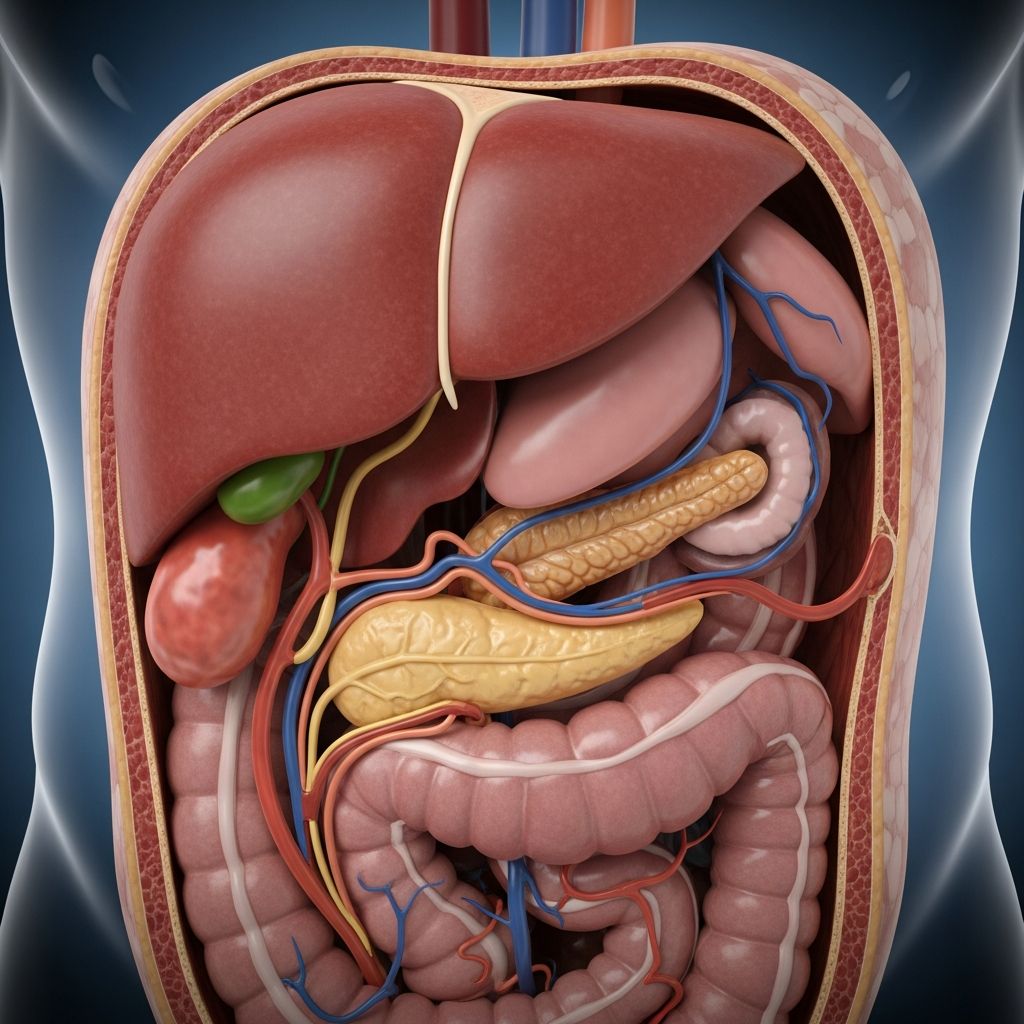
The sphincter of Oddi is a specialized muscular valve located in your digestive system that plays a crucial role in the digestive process. This small but important muscle controls the flow of bile from the liver and gallbladder, as well as pancreatic juice from the pancreas, into your small intestine. When functioning properly, the sphincter of Oddi opens to allow these digestive fluids to pass through, then closes to prevent backup. These fluids are essential for breaking down fats and other nutrients in your food, making proper function of this valve vital for healthy digestion.
The sphincter of Oddi is located at the junction where the common bile duct and pancreatic duct meet the duodenum, which is the first part of the small intestine. This strategic location allows it to regulate the precise timing and amount of digestive juices that enter your intestines. Without proper functioning of this muscle, your digestive system cannot work efficiently, which can lead to a variety of uncomfortable symptoms and complications.
What is Sphincter of Oddi Dysfunction?
Sphincter of Oddi dysfunction (SOD) occurs when the sphincter muscle fails to open and close properly. Instead of allowing bile and pancreatic juice to flow freely into the small intestine, the sphincter either remains too tight or doesn’t open when it should. This malfunction causes these important digestive fluids to back up behind the sphincter, creating pressure and inflammation in the pancreas and bile ducts.
When digestive juices accumulate in the wrong places, they can cause significant inflammation and pain. The backup of bile into the liver can lead to a condition called biliary dysfunction, while backup of pancreatic juice can cause pancreatitis, which is inflammation of the pancreas. Both conditions result in severe abdominal pain and can lead to serious health complications if left untreated.
Causes of Sphincter of Oddi Dysfunction
Researchers have not yet identified a single definitive cause of sphincter of Oddi dysfunction, as the condition manifests in different ways and appears to have multiple contributing factors. However, several theories have emerged about what might trigger this condition:
- Fibrosis: Scarring of the sphincter muscle can prevent it from functioning properly
- Inflammation: Chronic inflammation of the sphincter tissue can interfere with normal muscle contraction and relaxation
- Anatomical abnormalities: Some people may be born with structural variations in the sphincter that predispose them to dysfunction
- Spasms: Uncontrolled muscle contractions can prevent the sphincter from opening at the appropriate times
- Biliary microlithiasis: The formation of small gallstones in the bile ducts may contribute to sphincter problems
- Duodenitis: Inflammation of the duodenum may affect sphincter function
Research suggests that sphincter of Oddi dysfunction most commonly develops in women between 30 and 50 years of age, particularly those who have had their gallbladders removed. This pattern suggests that gallbladder removal surgery may alter the normal flow of bile in ways that contribute to sphincter dysfunction.
Recognizing the Symptoms
The primary symptom of sphincter of Oddi dysfunction is severe abdominal pain, which distinguishes this condition from many other digestive disorders. However, patients may experience a range of additional symptoms that can vary in severity and frequency:
- Severe abdominal pain, typically in the upper right quadrant or epigastric region
- Nausea and vomiting
- Fever
- Chills
- Diarrhea
- Pain that radiates to the back or shoulders
Related Stories



One of the distinctive characteristics of sphincter of Oddi dysfunction is that symptoms can come and go unpredictably. An episode of mild pain one day might be followed by severe, debilitating pain the next time symptoms appear. This unpredictability can make the condition particularly challenging to diagnose and manage, as patients may experience long pain-free periods followed by sudden acute episodes.
For many people with this condition, the pain may be triggered by eating, particularly foods that are high in fat. However, symptom triggers vary significantly from person to person, and what triggers symptoms in one patient may have no effect on another.
Categories of Sphincter of Oddi Dysfunction
Healthcare providers classify sphincter of Oddi dysfunction into three distinct categories based on the severity of the condition and the diagnostic findings present. Understanding which category a patient falls into helps guide treatment decisions and predict treatment outcomes.
Category I: Severe Dysfunction
Category I represents the most severe form of sphincter of Oddi dysfunction. Patients with this category experience:
– Abdominal pain
– Abnormal blood test results
– Diagnosable drainage issues
– Abnormal imaging findings (dilated common bile duct for biliary type or dilated pancreatic duct for pancreatic type)
Category I dysfunction has the clearest diagnostic markers and the best prognosis for treatment success.
Category II: Moderate Dysfunction
Category II patients have abdominal pain and only one or two of the additional criteria required to diagnose Category I. These patients show some but not all of the diagnostic findings associated with the more severe form. Treatment outcomes for Category II are generally favorable but slightly lower than for Category I.
Category III: Mild Dysfunction
Category III represents the mildest form of sphincter of Oddi dysfunction. In this category, there are no clear laboratory findings or imaging abnormalities—the only sign of a problem is abdominal pain. This makes Category III the most difficult to diagnose and treat, as providers must rule out all other possible causes of abdominal pain before concluding that sphincter of Oddi dysfunction is responsible. Treatment outcomes for Category III are lower than for the other two categories, and the pain often responds better to medication management than to surgical intervention.
Diagnostic Methods
Diagnosing sphincter of Oddi dysfunction can be challenging because the symptoms overlap with many other digestive conditions. Healthcare providers must often perform a series of tests to rule out other causes before confirming a diagnosis of SOD.
Traditional Diagnostic Approach
Historically, sphincter of Oddi manometry (SOM) was the gold standard for diagnosing this condition. This test involves inserting a thin catheter through the esophagus, stomach, and into the small intestine to measure the pressure generated by the sphincter. However, this test carries significant risks—up to 30% of people who undergo this procedure develop pancreatitis as a complication.
Advanced Diagnostic Technologies
Because of the risks associated with traditional manometry, healthcare providers are increasingly using less invasive diagnostic techniques to confirm sphincter of Oddi dysfunction:
- Hepatobiliary scintigraphy: This imaging test can show how digestive fluids flow into your small intestine and at what rates, providing valuable information about sphincter function
- HIDA scan: This nuclear imaging study tracks the movement of bile through your biliary system and can identify problems with sphincter function
- Ultrasound and CT imaging: These imaging studies can help rule out other conditions and assess the size of bile ducts and pancreatic ducts
These newer technologies reduce the risk of complications while still providing the diagnostic information needed to make treatment decisions.
Treatment Options
Treatment for sphincter of Oddi dysfunction depends on the category of disease and the severity of symptoms. Healthcare providers typically start with the least invasive approaches and only progress to more invasive treatments if symptoms do not improve.
Medication Management
For patients with mild to moderate symptoms, medications are often the first-line treatment approach:
- Nitrates: These medications relax the smooth muscle of the sphincter, reducing spasms and allowing bile and pancreatic juice to flow more freely
- Calcium channel blockers: These medications work similarly to nitrates by reducing muscle tension and promoting relaxation
- Pain management medications: Analgesics can help manage the severe pain associated with sphincter dysfunction, though they treat symptoms rather than the underlying problem
Most people with Category III sphincter of Oddi dysfunction achieve adequate pain relief through medication management alone and do not require surgical intervention.
Endoscopic Sphincterotomy
For patients with severe pain and Category I or II disease that does not respond to medications, healthcare providers may recommend a surgical procedure called endoscopic retrograde cholangiopancreatography (ERCP) with sphincterotomy.
During this procedure, the patient receives sedation or general anesthesia. A surgeon then passes a thin instrument through the esophagus and stomach into the small intestine, where the sphincter of Oddi is located. The surgeon carefully cuts and widens the sphincter muscle to allow bile and pancreatic juice to flow more freely. The surgeon also checks the bile ducts to ensure there are no gallstones present.
This procedure can provide significant relief for appropriate patients. Studies show that sphincterotomy improves symptoms in up to 90% of people with Category I disease and up to 70% with Category II disease. However, research indicates that sphincterotomy is not effective for treating Category III dysfunction.
Risks and Complications
Sphincterotomy is a complex procedure with a fairly high risk of complications. Approximately 10% to 15% of patients experience complications such as inflammation of the pancreas. While this inflammation is usually mild, it can be severe and even life-threatening in some cases. In rare instances, complications can be serious enough to require a long hospital stay.
Dietary Management and Lifestyle Changes
While medications and surgery address the mechanical problem of sphincter of Oddi dysfunction, dietary modifications can help reduce symptom triggers and improve overall digestive comfort.
Some people find that certain foods trigger their symptoms. However, because trigger foods vary from person to person, trial and error is often the best approach to identifying problematic foods. Keeping a food diary can help track which dietary changes most effectively reduce symptoms.
Recommended Dietary Strategies
- Eat smaller, more frequent meals: Large meals can overwhelm a dysfunctional sphincter, so eating smaller portions 5-6 times daily is often better tolerated
- Avoid high-fat foods: Fat is a strong trigger for sphincter contraction and increased bile flow, so a low-fat diet often helps reduce symptoms
- Eliminate spicy foods: Spicy foods can irritate the digestive tract and trigger symptoms
- Avoid alcohol: Alcohol can stimulate pancreatic juice production and trigger symptoms
- Increase fiber intake: Soluble fiber can help normalize bowel movements and reduce digestive discomfort
- Maintain a healthy weight: Excess body weight can increase pressure on the abdomen and worsen symptoms
- Maintain normal cholesterol levels: High cholesterol can increase bile thickness, making it more likely to trigger symptoms
Long-Term Outlook and Quality of Life
Sphincter of Oddi dysfunction is typically a chronic condition that requires ongoing management. However, with proper treatment, many patients experience significant improvement in their symptoms. Studies indicate that up to 70% of people with sphincter of Oddi dysfunction experience long-term relief, depending on the type and category of dysfunction.
While sphincter of Oddi dysfunction may not directly reduce life expectancy, the condition can significantly reduce quality of life, particularly in severe cases. Those with severe disease may have a lower life expectancy than the general population, primarily due to complications and the impact of chronic pain on overall health and well-being. However, effective treatment can greatly improve quality of life by reducing pain and allowing patients to resume normal daily activities.
Frequently Asked Questions
Q: Is sphincter of Oddi dysfunction a serious condition?
A: While sphincter of Oddi dysfunction causes significant discomfort and can impact quality of life, it can be effectively managed with medication and, when necessary, surgical intervention. Without treatment, the buildup of digestive juices can lead to serious complications like pancreatitis, so proper diagnosis and management are important.
Q: Can sphincter of Oddi dysfunction go away on its own?
A: Sphincter of Oddi dysfunction is typically a chronic condition that requires ongoing treatment. However, symptoms may fluctuate, and some people experience long symptom-free periods. Medical management or surgery can help control symptoms, but the condition usually requires continuous monitoring.
Q: What is the success rate of sphincterotomy?
A: Sphincterotomy is successful in improving symptoms in approximately 90% of Category I patients and 70% of Category II patients. However, it is not recommended for Category III dysfunction, which typically responds better to medication management.
Q: Are there any natural remedies for sphincter of Oddi dysfunction?
A: While no proven natural remedies specifically treat the underlying sphincter dysfunction, dietary modifications and stress reduction techniques may help reduce symptom triggers. Always consult with your healthcare provider before starting any new treatments or supplements.
Q: Who is most at risk for developing sphincter of Oddi dysfunction?
A: The condition most commonly develops in women between 30 and 50 years of age, particularly those who have had their gallbladders removed. However, anyone can develop sphincter of Oddi dysfunction regardless of age or gender.
References
- Sphincter of Oddi Dysfunction: Symptoms, Diet, and Relief — Medical News Today. 2024. https://www.medicalnewstoday.com/articles/322058
- Sphincter of Oddi Dysfunction: Symptoms, Causes & Treatment — Cleveland Clinic. 2024. https://my.clevelandclinic.org/health/diseases/14516-sphincter-of-oddi-dysfunction
- Sphincter of Oddi Dysfunction: Treatment and Types — Healthline. 2024. https://www.healthline.com/health/sphincter-of-oddi-dysfunction
- Intestinal Dysmotility and Its Relationship to Sphincter of Oddi Dysfunction — PubMed Central (National Institutes of Health). https://pubmed.ncbi.nlm.nih.gov/15191693/
- What Is Sphincter of Oddi Dysfunction? — WebMD. 2024. https://www.webmd.com/digestive-disorders/what-is-sphincter-of-oddi-dysfunction
Similar Articles








Read full bio of medha deb