Sphincters: What They Are, Locations & Function
Understanding sphincter muscles: their roles in digestion, urination, and overall body function.
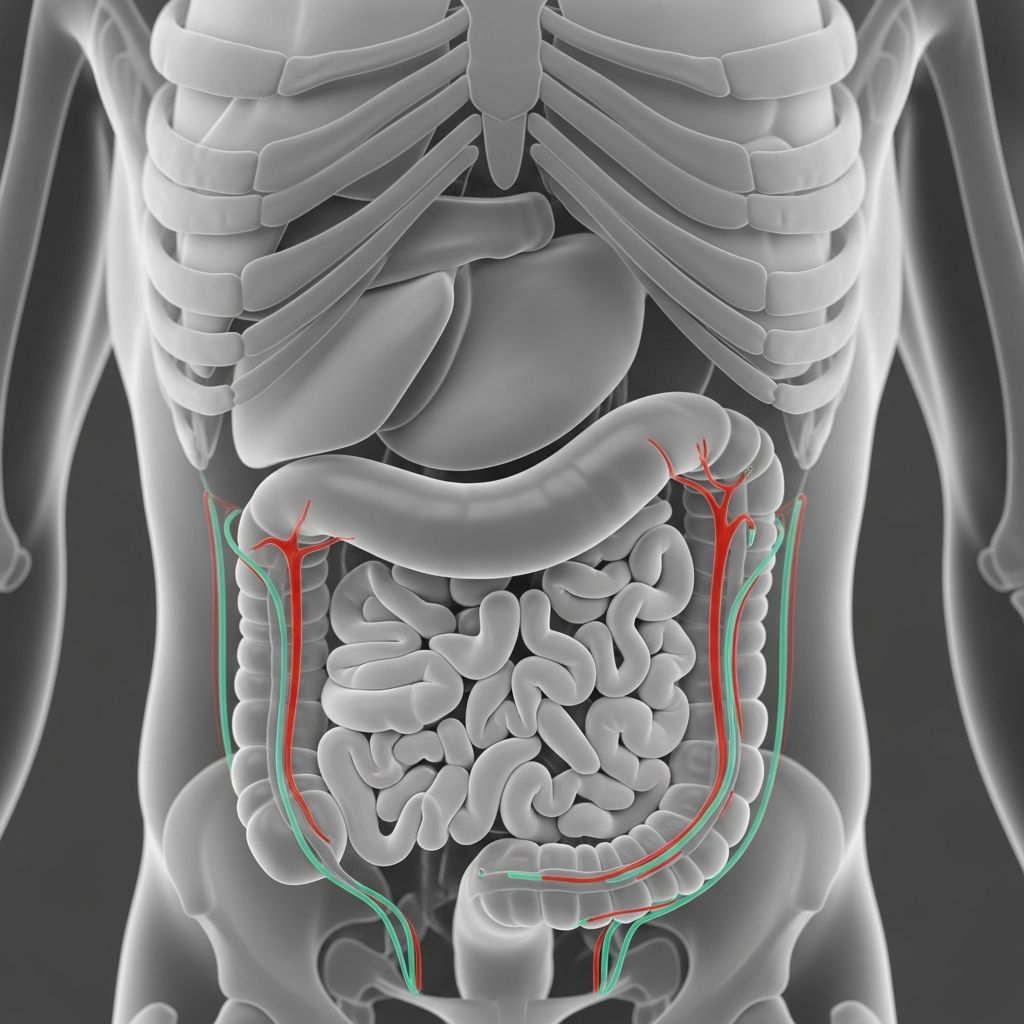
Understanding Sphincters: What They Are and How They Work
Sphincters are specialized circular-shaped muscles distributed throughout your body that play a crucial role in controlling the flow of various substances through your digestive, urinary, and other body systems. These ring-like structures function as gatekeepers, opening and closing to regulate the movement of food, air, bile, urine, and feces. When functioning properly, sphincters maintain precise control over bodily processes that we often take for granted, yet when they malfunction, they can lead to significant health complications.
Most people are familiar with at least one sphincter in their body, though they may not realize it. The sphincters in your capillaries are microscopic in size, while the sphincters in your anus may be as large as a dime, demonstrating the remarkable variation in sphincter dimensions across your body. All sphincters share a common structural feature: they are composed of muscle tissue, either smooth muscle or striated muscle, and maintain a circular shape similar to a donut or ring.
Where Are Sphincters Located?
Sphincters exist in various locations throughout your body, with most being part of your digestive and urinary systems. However, sphincters extend beyond these primary systems, appearing in unexpected places such as your eyes and blood vessels.
Digestive System Sphincters
Your digestive tract contains several important sphincters that work together to move food through your system efficiently. The pyloric sphincter controls the flow of partially digested food from your stomach to your small intestine, ensuring that your small intestine isn’t overwhelmed with too much food at once. This sphincter responds to contractions and pressure from your stomach, opening to allow small amounts of digestive material to pass through, then closing when it senses your small intestine is becoming full. This prevents backflow of contents from your small intestine into your stomach.
The sphincter of Oddi is another critical digestive sphincter located in your small intestine, where it controls the flow of bile and pancreatic juices into the duodenum. When this sphincter malfunctions, it can cause severe abdominal pain and digestive complications.
Urinary System Sphincters
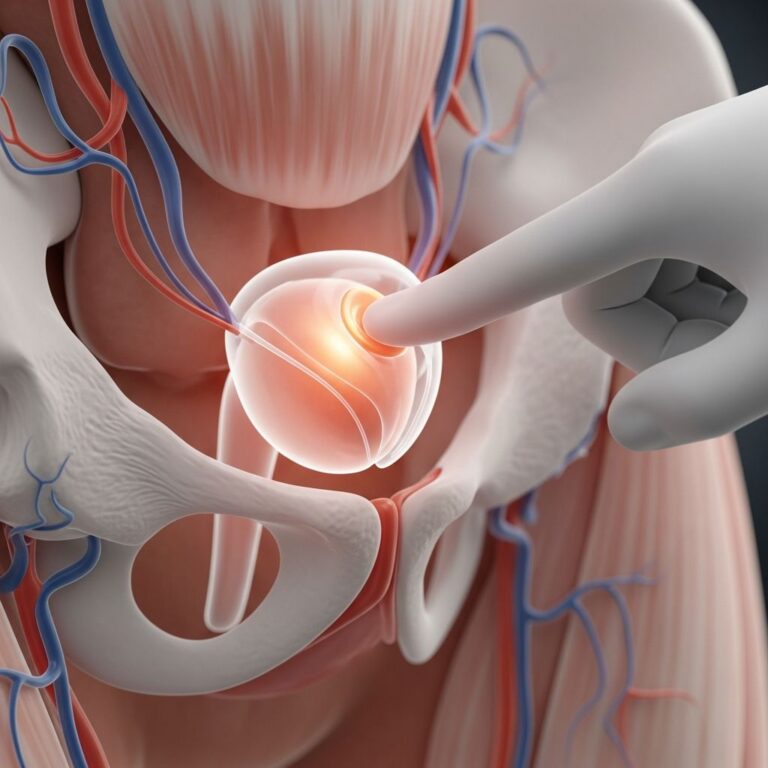
Your urinary system contains sphincters that control bladder function and urine flow. These sphincters work in coordination to store urine until you’re ready to urinate, then facilitate controlled release.
Other Body Locations
Beyond the digestive and urinary systems, sphincters are found in surprising places. The iris sphincter in your eyes controls pupil dilation and constriction in response to light. Precapillary sphincters in your blood vessels regulate blood flow at the microscopic level, controlling whether blood flows into individual capillaries.
Voluntary vs. Involuntary Sphincters
Sphincters operate under two different control mechanisms, classified as either voluntary or involuntary based on whether you can consciously control them.
Involuntary Sphincters
Involuntary or automatic sphincters operate without your conscious control. Your autonomic nervous system stimulates these sphincters to function automatically, meaning you don’t have to think about or command them to work. Examples include most of the sphincters in your digestive tract and the precapillary sphincters in your blood vessels. These sphincters respond automatically to physiological signals and don’t require conscious effort.
Voluntary Sphincters
Voluntary sphincters operate under your conscious control as part of your somatic nervous system. This means you have deliberate control over the nerves that make these sphincters contract and relax. The external anal sphincter is a prime example of a voluntary sphincter that you can consciously control when you choose to hold or release bowel movements.
Related Stories



Functions of Sphincters
Sphincters play essential roles in numerous bodily processes, serving as critical control points for various physiological functions:
- Controlling the passage of food through your digestive tract
- Regulating urine flow and bladder function
- Managing bile and pancreatic enzyme release into the small intestine
- Preventing backflow of stomach contents into the esophagus
- Controlling pupil size in your eyes
- Regulating blood flow at the capillary level
When Sphincters Weaken or Fail
When sphincters become damaged or stop functioning properly, they can significantly impact your quality of life and health. Several factors contribute to sphincter weakness and dysfunction:
Common Causes of Sphincter Damage
- Childbirth injuries, particularly obstetrical trauma or fourth-degree tears
- Surgical complications or iatrogenic injury from medical procedures
- Traumatic injuries to the perineal or anal area
- Age-related muscle degeneration
- Neurological conditions affecting muscle control
- Chronic straining or pressure on sphincter muscles
- Radiation therapy to the pelvic region
Signs of Sphincter Problems
When sphincters weaken or lose their ability to contract and relax appropriately, you might notice:
- Involuntary leakage of urine or feces
- Inability to control bowel or bladder function
- Acid reflux or heartburn symptoms
- Difficulty swallowing
- Abdominal pain or discomfort
- Frequent urination or urgency
Treatment Options for Damaged Sphincters
Modern medicine offers several approaches to treating sphincter problems, ranging from conservative to surgical interventions.
Non-Surgical Approaches
Many sphincter issues can be managed without surgery through lifestyle modifications, physical therapy, and medical management. Pelvic floor physical therapy can help strengthen weakened sphincters through targeted exercises. Dietary modifications may reduce symptoms associated with sphincter dysfunction.
Surgical Interventions
When non-surgical treatments prove inadequate, surgical options become necessary. Sphincteroplasty, also known as sphincter repair, involves sewing damaged anal sphincter muscles back together by overlapping the muscle ends and securing them on both sides to tighten the sphincter. This procedure is particularly used for fecal incontinence caused by sphincter defects from obstetrical injury.
However, research demonstrates that sphincter repair when used alone shows deterioration in function over time. Initially, published results for overlapping sphincteroplasty showed success rates between 50-86% in the short term, but long-term outcomes demonstrated poor results with significant functional decline. The success rate for redo sphincter repair surgery is substantially lower, at only 28%.
For patients with fecal incontinence who are not candidates for or prefer to avoid sphincter repair, sacral neuromodulation (SNM) offers an alternative surgical solution. Approved by the Food and Drug Administration in March 2011, sacral nerve stimulators have become increasingly popular for managing fecal incontinence.
For urinary sphincter dysfunction, an artificial urinary sphincter may be implanted as a medical device to treat stress incontinence, offering a high success rate for appropriate candidates.
Sphincter-Related Conditions
Anal Fissures
Anal fissures are small tears in the tissue around your anus that cause pain and bleeding. A lateral internal sphincterotomy, a surgical incision into one of your anal sphincter muscles, is used to treat anal fissures that have failed to heal with conservative treatment.
Sphincter of Oddi Dysfunction
In sphincter of Oddi dysfunction, your sphincter muscle doesn’t open when it should, causing a backup of digestive juices and severe abdominal pain. Treatment options include lifestyle modifications, medications, and in severe cases, ERCP with sphincterotomy, a procedure where a surgeon cuts the sphincter muscle to improve bile and pancreatic juice flow. However, studies show that sphincterotomy isn’t effective for treating category III sphincter of Oddi dysfunction.
Fecal Incontinence
Fecal incontinence is a multifactorial condition often associated with sphincter defects resulting from obstetrical injury, trauma, surgical complications, or other iatrogenic injuries. Management approaches include nonsurgical treatment, sphincter repair, or sacral nerve stimulation depending on individual circumstances and patient preferences.
When to Seek Medical Attention
It’s important to contact a healthcare provider if you experience certain symptoms that may indicate sphincter problems. Let a healthcare provider know if you’re leaking poop or pee, experiencing acid reflux, or having trouble swallowing, as they can determine if your sphincters are to blame and recommend appropriate treatment options.
Frequently Asked Questions About Sphincters
Q: What is the difference between voluntary and involuntary sphincters?
A: Voluntary sphincters are under your conscious control through your somatic nervous system, allowing you to deliberately contract or relax them. Involuntary sphincters operate automatically through your autonomic nervous system without requiring conscious effort or thought.
Q: Can damaged sphincters heal on their own?
A: Some minor sphincter issues may improve with conservative treatment and time, but significantly damaged sphincters typically require medical intervention. Sphincter repair surgery or other treatments are often necessary to restore function.
Q: How successful is sphincter repair surgery?
A: Short-term success rates for sphincter repair range from 50-86%, but long-term studies show deterioration in function over time. Success rates for repeat repairs are much lower at approximately 28%, which is why alternative treatments like sacral neuromodulation are increasingly preferred.
Q: What causes sphincter weakness?
A: Sphincter weakness can result from childbirth injuries, surgical complications, trauma, neurological conditions, age-related degeneration, chronic straining, or radiation therapy. Each cause may require different treatment approaches.
Q: Are there non-surgical treatments for sphincter problems?
A: Yes, many sphincter issues can be managed with pelvic floor physical therapy, lifestyle modifications, dietary changes, and medications. However, severe cases may ultimately require surgical intervention.
Q: How are sphincters different from other muscles in my body?
A: Sphincters are specialized circular muscles designed specifically to open and close to control flow. They’re composed of either smooth or striated muscle and maintain their distinctive ring shape, which distinguishes them from other muscle types in your body.
References
- The role of sphincter repair for fecal incontinence — AME Publishing Company. 2023. https://ales.amegroups.org/article/view/8265
- Sphincters: What They Are, Locations & Function — Cleveland Clinic. 2024. https://my.clevelandclinic.org/health/body/sphincters
- Evaluation and Medical Management of Female Urinary Incontinence — Cleveland Clinic Journal of Medicine. 1997. https://www.ccjm.org/content/ccjom/64/2/83.full.pdf
- Sphincter of Oddi Dysfunction: Symptoms, Causes & Treatment — Cleveland Clinic. 2024. https://my.clevelandclinic.org/health/diseases/14516-sphincter-of-oddi-dysfunction
- Pyloric Sphincter: Function, Location, Disorders — Cleveland Clinic. 2025. https://my.clevelandclinic.org/health/body/pyloric-sphincter
- Artificial Urinary Sphincter: Placement & Success Rate — Cleveland Clinic. 2024. https://my.clevelandclinic.org/health/treatments/artificial-urinary-sphincter
- Lateral Internal Sphincterotomy: Surgery & Recovery — Cleveland Clinic. 2024. https://my.clevelandclinic.org/health/procedures/lateral-internal-sphincterotomy
Similar Articles








Read full bio of Sneha Tete