Spider Angioma: Causes, Symptoms, and Treatment Options
Understanding spider angiomas: Learn about causes, symptoms, diagnosis, and effective treatment options available.
What is a Spider Angioma?
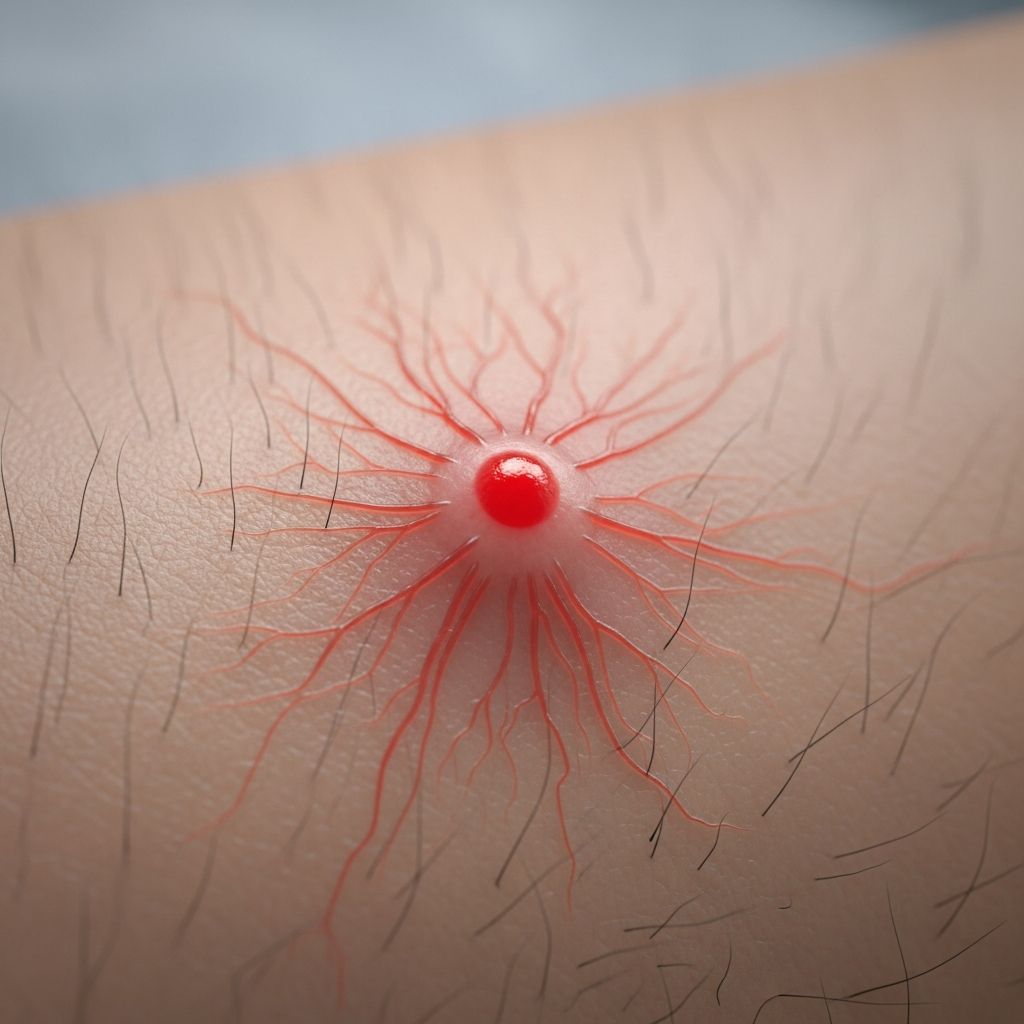
A spider angioma, also known as spider telangiectasia or spider nevus, is a small, red or purple lesion that resembles a spider and appears on the surface of the skin. These benign skin lesions consist of a central dilated blood vessel with smaller radiating vessels extending outward, creating the distinctive spider-like appearance. The condition gets its name from this characteristic pattern of blood vessels that branch out from a central point.
Spider angiomas are collections of abnormally dilated capillaries located just beneath the skin’s surface. They can appear anywhere on the body but most commonly develop on the legs, arms, face, fingers, neck, and torso. While they are generally harmless and affect people of all health statuses, their presence—especially in larger numbers—can sometimes indicate an underlying health concern that warrants medical evaluation.
Who Gets Spider Angiomas?
Spider angiomas are surprisingly common in certain populations. Approximately 38 percent of healthy children have at least one spider angioma, while nearly 60 percent of pregnant individuals also display this condition. The prevalence in these groups is largely attributed to hormonal fluctuations during development and pregnancy.
While spider angiomas can affect anyone regardless of health status, they occur more frequently in certain demographics and conditions:
- Healthy children
- Pregnant individuals
- Adults with liver disease
- People with hormonal imbalances
- Individuals with certain medical conditions affecting circulation
Appearance and Identification
Recognizing a spider angioma is important for proper diagnosis and monitoring. These lesions have several distinctive characteristics that help differentiate them from other skin conditions:
Visual Characteristics
A spider angioma typically features a central red or purple spot that may be slightly raised from the surrounding skin. From this central point, smaller blood vessels radiate outward, creating the characteristic spider web pattern. The lesion usually measures up to about one centimeter in diameter, though sizes can vary. When pressure is applied to a spider angioma, it will disappear, and when released, the blood returns, restoring the red coloration.
The color of spider angiomas ranges from red to purple, depending on factors such as the depth of the blood vessels and the amount of oxygenated blood they contain. Some may appear more prominent when the skin is warm or when the individual is flushed.
Causes of Spider Angiomas
Spider angiomas result from the abnormal dilation of capillaries, with various factors contributing to their formation. Understanding the underlying causes is essential for determining whether treatment is necessary and whether an underlying health condition needs attention.
Hormonal Changes
One of the most common causes of spider angiomas is hormonal fluctuation. This explains the high prevalence in pregnant individuals and adolescents. During pregnancy, increased estrogen levels can trigger the development of spider angiomas. These lesions often resolve naturally after delivery as hormone levels return to normal.
Related Stories



Liver Disease
The presence of multiple spider angiomas can be a significant indicator of liver disease. According to the Cleveland Clinic Journal of Medicine, spider angiomas are present in up to 33 percent of patients with liver cirrhosis. When associated with liver disease, spider angiomas typically appear alongside other symptoms such as jaundice, confusion, and fluid retention. In some cases, treating the underlying liver condition or undergoing a liver transplant can lead to the disappearance of spider angiomas.
Other Associated Conditions
Multiple spider angiomas (three or more) may indicate various underlying health concerns:
- Alcoholic hepatitis
- Liver cirrhosis
- Rheumatoid arthritis
- Thyrotoxicosis
- Other systemic conditions affecting blood vessel integrity
When to Be Concerned
While one or two spider angiomas are generally not a cause for concern, the presence of three or more may warrant medical evaluation. Multiple spider angiomas can provide insight into a previously unrecognized health issue, making it worthwhile to consult with a physician for proper assessment and investigation of potential underlying conditions.
The quantity and distribution of spider angiomas are primary indicators of their specific contributor and severity level in adults. A healthcare provider can determine whether further diagnostic testing is necessary based on the number and pattern of lesions present.
Diagnosis
Only a qualified physician can provide a proper diagnosis of spider angiomas and determine whether additional evaluation is needed. During an examination, your healthcare provider will:
- Examine the lesion’s appearance, size, and location
- Count the number of spider angiomas present
- Assess for signs of underlying circulatory or systemic conditions
- Review your medical history and risk factors
- Order additional tests if multiple angiomas are present or if other concerning symptoms exist
Treatment Options
Treatment for spider angiomas depends on several factors, including the underlying cause, cosmetic concerns, and whether the lesions are causing any symptoms. While spider angiomas often disappear naturally—especially those caused by hormonal changes—other options are available when removal is desired.
Natural Resolution
Many spider angiomas resolve on their own without intervention. Those caused by hormonal changes, such as during pregnancy or childhood, frequently disappear as hormone levels normalize. If spider angiomas are associated with an underlying health condition, treating that condition may lead to the resolution of the lesions.
Laser Therapy
Laser therapy is an effective cosmetic treatment for spider angiomas. During this minimally invasive procedure, a physician targets the affected blood vessels with a laser beam, causing the vessels to shrink and fade. Vascular lasers such as the pulsed dye laser or KTP laser can specifically target the blood in the central artery, causing it to collapse and disappear.
Laser treatment typically does not require local anesthesia, though some discomfort may be experienced during the procedure. One potential side effect is the development of a small permanent scar, though this is less common with laser treatment than with other methods. It is important to note that approximately one-third of spider angiomas may reappear following laser treatment.
Electrodesiccation
Another treatment option involves using electric current to treat the central artery of the spider angioma. This technique causes the vessel to dry up and collapse. While effective, electrodesiccation may be associated with a slightly higher risk of scarring compared to laser treatment.
Cosmetic Camouflage
For those who prefer non-invasive options, cosmetic camouflage using specialized makeup can effectively conceal spider angiomas. While this does not remove the lesion, it provides a temporary solution for those concerned about appearance.
Prevention and Management
While preventing spider angiomas may not always be possible, especially in cases of hormonal changes or underlying medical conditions, maintaining overall skin and circulatory health is important. If no underlying cause is identified and laser therapy has been performed, there is a possibility of recurrence. Prioritizing healthy habits that support vascular health can help minimize the risk of new lesion formation.
Frequently Asked Questions
Q: Are spider angiomas dangerous?
A: Spider angiomas are usually harmless and benign. However, if you have multiple spider angiomas (more than three), it could indicate an underlying condition such as liver disease, requiring medical evaluation.
Q: Can spider angiomas disappear on their own?
A: Yes, many spider angiomas resolve naturally, particularly those caused by hormonal changes during pregnancy or childhood. Additionally, treating an underlying health condition may lead to their disappearance.
Q: Is treatment necessary for spider angiomas?
A: Treatment is not medically necessary for spider angiomas. However, if you are concerned about appearance or have multiple angiomas, your healthcare provider can discuss treatment options that align with your needs.
Q: What is the difference between spider angiomas and spider veins?
A: While both involve abnormal blood vessels, spider angiomas are collections of dilated capillaries with a characteristic central spot and radiating pattern, whereas spider veins are damaged blood vessels that appear as lines or networks without a central arterial point.
Q: Can spider angiomas return after treatment?
A: Yes, approximately one-third of spider angiomas may reappear after laser treatment or other removal procedures. This is why identifying and treating any underlying causes is important to prevent recurrence.
Q: When should I see a doctor about spider angiomas?
A: While one or two spider angiomas are typically not concerning, you should consult a healthcare provider if you have three or more, as this may indicate an underlying health condition requiring evaluation.
Living with Spider Angiomas
For most people, spider angiomas are a minor cosmetic concern that require no treatment or intervention. However, understanding the signs of spider angiomas and other skin conditions that may indicate underlying medical issues is key to staying aware and in control of your vein health and overall well-being. If you notice unusual formations of blood vessels on your skin or are concerned about their appearance, consulting with a qualified healthcare provider can help determine the best course of action tailored to your individual needs and circumstances.
References
- Spider Angioma — Cleveland Clinic. 2024. https://my.clevelandclinic.org/health/diseases/23200-spider-angioma
- Spider nevi secondary to alcoholic chronic liver disease — Cleveland Clinic Journal of Medicine. 2022. https://www.ccjm.org/content/89/6/301
- What is Spider Angioma? — Center for Vein Restoration. 2024. https://www.centerforvein.com/blog/what-is-spider-angioma
- Sclerotherapy: Treatment for Varicose and Spider Veins — Cleveland Clinic. 2024. https://my.clevelandclinic.org/health/treatments/6763-sclerotherapy
- Varicose & Spider Veins: Symptoms, Causes, Diagnosis & Treatment — Cleveland Clinic Abu Dhabi. 2024. https://www.clevelandclinicabudhabi.ae/en/health-hub/health-resource/diseases-and-conditions/varicose-and-spider-veins
Similar Articles








Read full bio of Sneha Tete