Spider Bites: Symptoms, Treatment, and Prevention Guide
Learn to identify, treat, and prevent spider bites with expert medical guidance and first aid tips.
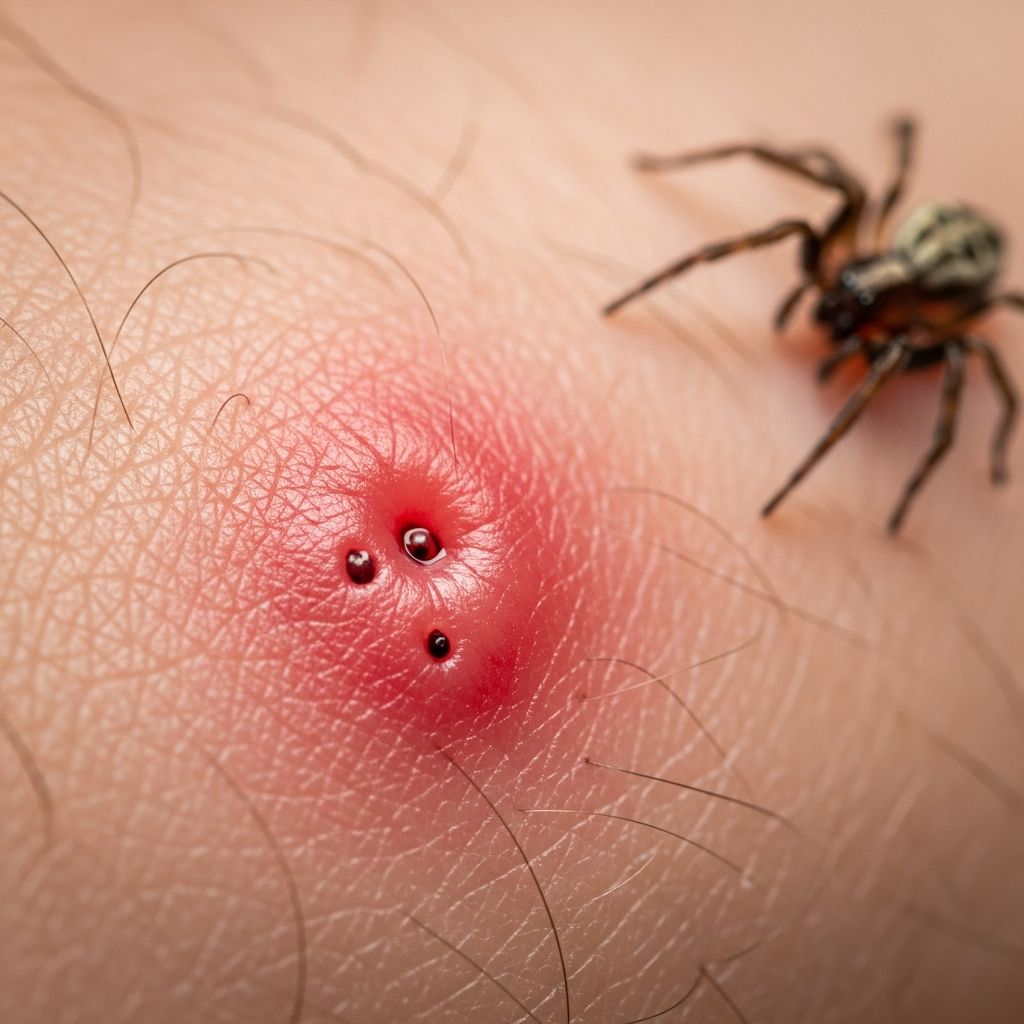
Understanding Spider Bites
Spider bites are a common concern for many people, yet the vast majority of spider bites are harmless and rarely require medical attention. Most spiders are non-venomous and cause minimal harm to humans. However, understanding the differences between common spider bites and those from venomous species is crucial for proper treatment and peace of mind. While spiders are generally shy creatures that avoid human contact, accidental bites can occur when a spider feels threatened or is accidentally pressed against the skin.
Types of Dangerous Spider Bites
While most spider bites are harmless, certain species in North America pose potential health risks. The two most medically significant spiders are the brown recluse and the black widow. Understanding the characteristics of these dangerous spiders can help you identify bites and seek appropriate treatment.
Brown Recluse Spider Bites
The brown recluse spider is known for its necrotic venom, which can cause tissue damage. Brown recluse spiders are typically found in the central and southern United States and are identifiable by their violin-shaped marking on their back. These spiders are generally shy and only bite when threatened or pressed against skin.
Brown recluse bites often begin painlessly, though some people report a stinging sensation at the moment of the bite. Within one to two hours, the bite area typically becomes red with visible fang marks. As the venom spreads, the red area enlarges while the center becomes pale, creating a characteristic “bull’s-eye” appearance. Over the following hours and days, the bite develops into a blister that eventually forms a hard, scabby lesion with a sunken center that may turn dark blue, purple, or black.
Black Widow Spider Bites
The black widow spider is identified by its shiny black body and distinctive red hourglass marking on its abdomen. Only female black widows bite, and they carry a potent neurotoxic venom. A black widow bite produces a sharp, pinprick-like pain immediately, followed by dull numbness in the bite area. The venom attacks neurotransmitters, which are chemicals used by nerve cells to direct bodily functions.
Unlike brown recluse bites, black widow venom typically causes systemic symptoms affecting the entire body rather than local tissue damage. The bite site itself may show only mild redness, but the symptoms can be severe and life-threatening, particularly in children, elderly individuals, or those with compromised immune systems.
Recognizing Spider Bite Symptoms
Local Symptoms
Most spider bites produce localized symptoms at the bite site. These may include:
- Redness and mild swelling
- Itching or burning sensation
- Minor pain or tenderness
- Small puncture marks or fang marks
For harmless spider bites, these local symptoms typically resolve within a few days to a week without intervention.
Brown Recluse Bite Progression
Brown recluse bites follow a distinctive progression over hours and days:
- First hour: The bite area becomes red with visible fang marks
- 2-8 hours: A red ring forms with a pale center, creating a “bull’s-eye” pattern; bruising and pain develop
- Following days: A white blister forms, followed by a hard, scabby ulcer with a sunken, darkened center
- Following weeks: Dead skin peels away as the wound heals, typically requiring 8 weeks for complete healing
Related Stories



Some individuals experience systemic symptoms with brown recluse bites, including fever, chills, nausea, joint pain, weakness, and in rare cases, seizures or coma. These systemic effects are more common and severe in children.
Black Widow Bite Symptoms
Black widow venom causes significant systemic symptoms that develop within 30 minutes to 10 hours after the bite. These symptoms include:
- Severe muscle pain, cramping, and spasms in the abdomen, shoulders, chest, and back
- Stiffness and rigidity of muscles
- Difficulty breathing
- Severe headache
- Nausea and vomiting
- Profuse sweating and flushed skin
- Increased saliva production
- Droopy or swollen eyes
- Elevated heart rate and blood pressure
- Fever and chills
The sensation described by many victims is similar to receiving a shot of adrenaline, with overwhelming physical symptoms that can be terrifying and require immediate medical attention.
When to Seek Emergency Medical Care
Certain symptoms warrant immediate emergency care. Seek emergency services (call 911) if you experience:
- Difficulty breathing or shortness of breath
- Chest pain
- Severe or uncontrolled muscle spasms
- Swelling of the tongue, lips, or throat
- Signs of anaphylaxis (loss of consciousness, severe dizziness)
- Neurological symptoms such as tremors or weakness
- Fever above 101°F (38.3°C)
- Severe pain uncontrolled by medication
Additionally, seek urgent medical attention for signs of infection, extreme swelling, or if symptoms worsen despite home treatment. If symptoms develop suddenly or rapidly, contact emergency services rather than waiting to see if they improve.
First Aid and Home Treatment for Spider Bites
Immediate Care Steps
For most spider bites, initial home treatment is effective and straightforward. Begin by following these first aid steps:
1. Clean the Wound
Immediately wash the bite area with mild soap and warm water. This removes any venom remaining on the skin surface and reduces infection risk. Use gentle, circular motions and avoid scrubbing vigorously.
2. Apply Ice
Apply ice to the bite to minimize swelling and numb the area. Use an ice pack or baggie filled with ice, applying it for 15 minutes on and 15 minutes off, repeating as needed throughout the day. Ice is most effective when applied soon after the bite occurs.
3. Elevate the Affected Area
If the bite is on an arm or leg, elevate it while resting. This helps reduce swelling by promoting fluid drainage from the affected area.
4. Apply Antibiotic Ointment
After cleaning, apply an antibiotic ointment (such as bacitracin or neomycin) to the bite three times daily. This helps prevent infection and supports healing.
Over-the-Counter Medications
Pain and inflammatory medications can significantly improve comfort and reduce swelling when taken promptly:
Pain Relief: Take over-the-counter pain relievers such as acetaminophen (Tylenol) at 500-1,000 mg or ibuprofen (Advil or Motrin) at 400-600 mg. These medications are most effective when taken early, as they reduce the inflammatory response and prevent swelling from worsening.
Itching Relief: If the bite becomes itchy, antihistamines such as diphenhydramine (Benadryl) or cetirizine (Zyrtec) provide relief. Topical hydrocortisone cream can also soothe itching and mild inflammation.
Ongoing Care
Monitor the bite site daily for signs of infection or worsening symptoms. Avoid scratching the bite, as this can introduce bacteria and cause infection. If the bite develops into an open wound or shows signs of infection (such as oozing, increasing redness, warmth, or pus), contact your healthcare provider for evaluation and possible antibiotic treatment.
Professional Medical Treatment
Brown Recluse Bite Treatment
For severe brown recluse bites, medical professionals may recommend:
- Prescription pain management: Strong analgesics for severe pain
- Muscle relaxants: To address muscle pain and cramping
- Tetanus protection: A tetanus shot or booster if the bite resembles a puncture wound
- Wound care: In approximately 10% of severe cases, surgical debridement (cleaning out the necrotic tissue) and possibly skin grafting may be necessary to prevent permanent scarring
Black Widow Bite Treatment
For black widow bites causing severe pain or life-threatening symptoms, doctors may recommend antivenom therapy. Black widow antivenom, typically administered intravenously, can relieve symptoms within approximately 30 minutes of administration. However, antivenom carries risk of serious allergic reactions and is used cautiously and only when symptoms are severe.
Additional medical treatments may include prescription pain medication and muscle relaxants to manage severe cramping and pain.
Tetanus Considerations
If your spider bite resembles a puncture wound or if you’re not current with your tetanus vaccinations, discuss with your healthcare provider about receiving a tetanus shot or booster. Tetanus protection is important as some spider bites may introduce tetanus spores, which can cause serious infection.
Recovery and Healing Timeline
Recovery time varies depending on bite severity and spider species:
| Bite Type | Healing Timeline | Typical Outcome |
|---|---|---|
| Harmless Spider Bite | A few days to one week | Complete resolution with minimal or no scarring |
| Brown Recluse (Mild) | 2-3 weeks | Resolution without medical intervention |
| Brown Recluse (Severe) | 8 weeks or longer | Possible scarring; may require surgical intervention |
| Black Widow | Several days to weeks | Symptom relief typically occurs within hours of antivenom if given |
Prevention Strategies
While spider bites are relatively uncommon, several preventive measures can minimize your risk:
- Inspect areas before contact: Check shoes, clothing, and bedding before putting them on or getting into bed
- Wear protective clothing: When in areas where spiders are common, wear long sleeves, long pants, and closed-toe shoes
- Remove webs and spiders: Use a broom to remove spider webs and gently relocate spiders away from your home
- Reduce hiding places: Declutter storage areas, seal cracks and crevices, and remove piles of wood or debris
- Use pesticides cautiously: If spider infestations are severe, consider professional pest control services
- Maintain outdoor areas: Keep grass trimmed and remove debris that attracts spiders
Frequently Asked Questions
Q: How can I tell if a spider bite is from a brown recluse or black widow?
A: Brown recluse bites develop a distinctive “bull’s-eye” pattern with tissue damage, while black widow bites show minimal local symptoms but cause severe systemic symptoms like muscle cramps. If possible, capture or photograph the spider for identification by your healthcare provider.
Q: Do I need to go to the emergency room for every spider bite?
A: No. Most spider bites can be treated at home. Seek emergency care only for severe symptoms such as difficulty breathing, severe swelling, neurological symptoms, or systemic effects indicating a dangerous spider bite.
Q: How long does it take for a spider bite to heal?
A: Most harmless spider bites heal within a few days to one week. Brown recluse bites may take 2-8 weeks to heal completely, especially if severe. Black widow bite symptoms typically improve within hours if antivenom is administered.
Q: Can spider bites cause permanent scarring?
A: Severe brown recluse bites may cause permanent scarring, particularly if medical treatment isn’t sought. Approximately 10% of severe brown recluse bites may require surgical intervention to minimize scarring.
Q: Is there an antivenom for brown recluse bites?
A: Unlike black widow antivenom, there is no specific antivenom for brown recluse bites. Treatment focuses on pain management, infection prevention, and wound care. Severe cases may require surgical intervention.
Q: Should I apply heat or cold to a spider bite?
A: Cold (ice) is recommended for the first 24 hours to reduce swelling and pain. After the initial inflammation subsides, warm compresses may help with comfort, though cold remains the primary recommendation.
Q: Are children at higher risk from spider bites?
A: Yes, children are more susceptible to severe reactions from venomous spider bites, particularly black widow bites. The venom can affect them more severely due to their smaller body size and developing immune systems.
References
- Spider bites – Diagnosis & treatment — Mayo Clinic. 2024. https://www.mayoclinic.org/diseases-conditions/spider-bites/diagnosis-treatment/drc-20352377
- Brown Recluse Spider Bite Treatment and First Aid Information — WebMD. 2024. https://www.webmd.com/skin-problems-and-treatments/spider-bite-brown-recluse-spider-bite-treatment
- Spider Bite Pictures: Dangerous Signs and How to Treat a Bite — Prevention. 2024. https://www.prevention.com/health/a29109758/spider-bite-pictures-symptoms/
- How To Treat a Spider Bite at Home — Cleveland Clinic Health. 2024. https://health.clevelandclinic.org/how-to-treat-spider-bites
- Black Widow Spider Bite Treatment — Cleveland Clinic. 2024. https://my.clevelandclinic.org/health/diseases/black-widow-spider-bite
- How To Identify 8 Common Bug Bites and What To Do About Them — Cleveland Clinic Health. 2024. https://health.clevelandclinic.org/how-to-identify-bug-bites
Similar Articles








Read full bio of Sneha Tete