Spider Bites: Symptoms, Treatment, and When to Seek Help
Comprehensive guide to spider bite identification, symptoms, and evidence-based treatment strategies.
Understanding Spider Bites
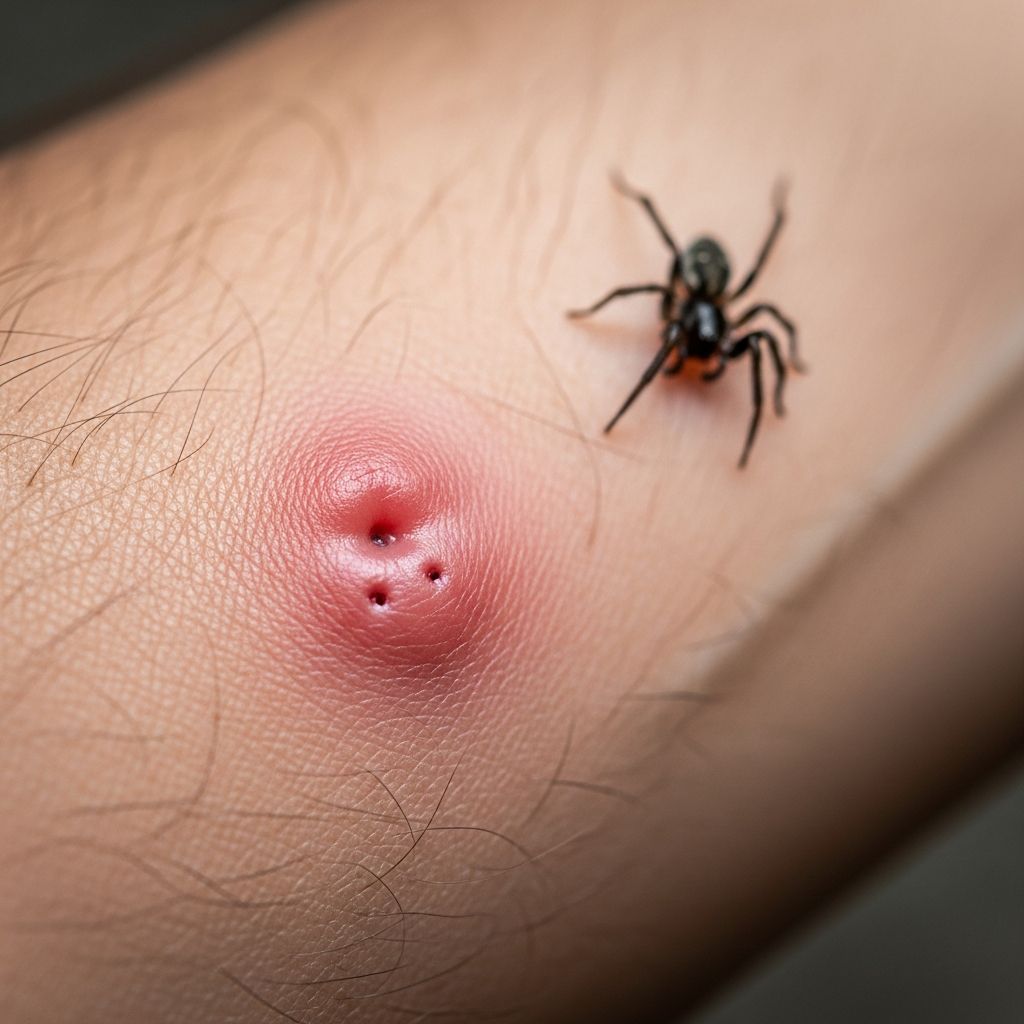
Spider bites represent a common concern, though serious complications are relatively rare. While the majority of household spiders are harmless to humans, certain species possess venom capable of producing significant systemic or local effects. Understanding the characteristics of spider bites, the types of venom involved, and appropriate treatment strategies is essential for effective management and prevention of complications. The reaction to a spider bite depends on multiple factors, including the spider species responsible, the composition of its venom, the amount of venom injected, and individual host factors such as immune response and overall health status.
Spider Species That Bite
Only a small number of spider species are considered medically significant to humans. The most important species responsible for dangerous bites include:
- Latrodectus species (widow spiders): Found worldwide, these spiders produce neurotoxic venom and include the black widow and red-back spider variants.
- Loxosceles species (recluse spiders): Native to the Americas, these spiders produce cytotoxic venom capable of causing tissue necrosis.
- Atrax and Hadronyche species (funnel-web spiders): Found exclusively in Australia, these spiders are among the most dangerous to humans and produce potent neurotoxic venom.
- Phoneutria species (banana spiders): Located in Central and South America, these aggressive spiders produce neurotoxic venom.
- Lampona cylindrata (white-tailed spiders): Found in New Zealand and Australia, these spiders may cause necrotizing bites, though serious systemic effects are uncommon.
The venom produced by spiders is generally classified as either neurotoxic or cytotoxic. Web-dwelling spiders tend to produce neurotoxic venom, while non-web-dwelling spiders more commonly produce cytotoxic venom. This fundamental difference in venom composition significantly influences the clinical presentation and severity of symptoms following a bite.
Types of Spider Venom and Their Effects
Understanding the type of venom involved in a spider bite is crucial for predicting symptom progression and determining appropriate treatment. The two primary categories of spider venom produce distinctly different clinical manifestations:
Neurotoxic Venom
Neurotoxic venom affects the nervous system by interfering with neuromuscular junctions. Spiders of the Latrodectus genus produce this type of venom. The venom causes depletion of acetylcholine at motor nerve endings and release of catecholamines at adrenergic nerve endings. This mechanism results in characteristic systemic symptoms affecting multiple organ systems and can be life-threatening if untreated.
Cytotoxic Venom
Cytotoxic venom directly damages tissue cells, causing localized necrosis and tissue destruction. The violin spider (Loxosceles species) and yellow sac spider produce this type of venom. While typically more localized than neurotoxic envenomation, cytotoxic bites can result in slow-healing ulcerated lesions requiring extended medical management.
Signs and Symptoms of Spider Bites
The clinical presentation of a spider bite varies significantly depending on the venom type and spider species involved. Symptoms may range from mild local reactions to severe systemic manifestations requiring emergency medical intervention.
Initial Local Symptoms
Most spider bites produce initial local symptoms at the bite site:
- Redness and erythema surrounding the bite area
- Swelling and edema
- Two fang marks visible where the skin was penetrated
- Mild to severe pain or burning sensation
- Itching at the bite site
Features of Neurotoxic Venom Bites
Bites from spiders with neurotoxic venom produce characteristic systemic symptoms:
- Severe pain in the chest and abdomen, often described as cramp-like
- Muscle spasms and rigidity
- Headache and dizziness
- Paresthesias (abnormal sensations such as tingling or numbness)
- Nausea and vomiting
- Sweating and piloerection at the wound site
- Hypertension (elevated blood pressure)
- Potential paralysis in severe cases
- Fainting or syncope
Related Stories



Black widow and red-back spider bites are the most common examples of neurotoxic envenomation. Fortunately, death from these bites is uncommon with modern medical treatment.
Features of Cytotoxic Venom Bites
Bites from spiders producing cytotoxic venom typically present with localized tissue damage:
- Painful erythematous plaques developing over time
- Vesiculation and blister formation
- Tissue necrosis appearing 3-4 days after the bite
- Mild systemic toxicity in some cases
- Formation of an eschar (dry crust) between the 5th and 7th day post-bite
- Ulcerated lesions with variable healing times
Interestingly, bites that become systemic do not typically develop necrotic wounds. In necrotic wounds, the venom remains localized in the tissue, whereas in systemic reactions, the venom distributes rapidly throughout the body without significant local effects.
Clinical Features and Wound Progression
The dermatological features of spider bites depend substantially on the severity of the bite and the spider species involved. The progression of symptoms and wound characteristics can help guide clinical management decisions.
Mild to Moderate Bites
In self-healing wounds, the bite site typically becomes no worse than swollen and red. With more serious bites, a characteristic “bull’s eye” wound may develop. This distinctive appearance is characterized by a central red swollen blister separated from a peripheral bluish region by a white zone of firm swelling. This pattern, while concerning in appearance, indicates tissue involvement that may require monitoring and treatment.
Severe and Necrotizing Bites
If the bite turns purplish within the first few hours, this typically indicates that severe localized tissue death (necrosis) may occur. Over subsequent days, the blister forms a scab, which hardens and eventually falls off, leaving behind an ulcerated depression. Healing from necrotizing bites can take weeks to months, depending on the size and depth of the lesion. In untreated cases, a rash may develop after several days, and the wound may require debridement of necrotic tissue to promote healing.
Symptom Severity Factors
The severity of symptoms from a spider bite depends on multiple factors:
- The specific spider species responsible for the bite
- The amount of venom injected during the bite
- The location of the bite on the body
- The victim’s age, weight, and overall health status
- Individual immune system response to the venom
- Whether the bite was on bare skin or through clothing
- Time elapsed since the bite occurred
Bacterial Infections from Spider Bites
A common misconception exists regarding secondary bacterial infections following spider bites. Although many people attribute episodes of bacterial infection, particularly cellulitis and necrotizing fasciitis, to unseen spider bites, spiders are frequently falsely blamed for these conditions. Documented spider bites have not been proven to lead to these serious skin infections. While any break in the skin carries a theoretical risk of infection, properly documented spider bite cases have not resulted in bacterial infections of this severity. This important distinction helps guide appropriate antibiotic use and prevents unnecessary antimicrobial therapy when spider bites are suspected but not confirmed.
Diagnostic Approach and Spider Identification
One of the most critical aspects in treating spider bites is identifying the offending spider species. Since spider venom is quite variable among species, identification can significantly influence management decisions and treatment approaches. When possible, if the spider is captured, it should be preserved and presented to a healthcare provider for identification. Photographic documentation of the spider, if identification from the live specimen is not possible, can also assist in species determination. Identification is particularly crucial for dangerous species such as funnel-web spiders or recluse spiders, where specific antivenom may be necessary.
General Treatment Measures
Several general measures should be implemented immediately following any suspected spider bite:
- Clean the wound: Wash the bite area with soap and water to reduce infection risk
- Apply cold therapy: Use ice packs or cold compresses to reduce swelling and pain; apply for 15-20 minutes at a time with breaks in between
- Elevate the bite: If possible, elevate the affected limb to minimize swelling
- Pain management: Administer paracetamol or ibuprofen in recommended doses to manage mild pain and reduce inflammation
- Avoid manipulation: Do not squeeze, scratch, or unnecessarily manipulate the bite wound
- Monitor symptoms: Keep detailed records of symptom progression and timing of symptom onset
- Immobilize if necessary: For bites on extremities, consider immobilization to reduce venom distribution
Specific Treatment by Spider Type
Treatment approaches vary significantly depending on the spider species identified:
Widow Spider Bites (Latrodectus species)
Treatment for widow spider bites typically includes:
- Intravenous calcium gluconate to manage muscle spasms and pain
- Analgesics for pain management
- Antivenin when available and indicated
- Supportive care for systemic symptoms
- Monitoring for complications in severe cases
Recluse Spider Bites (Loxosceles species)
Management of recluse spider bites depends on severity:
- Symptomatic management for mild to moderate cases
- Possible debridement of necrotic tissue for severe localized lesions
- Wound care and dressing changes during healing
- Monitoring for systemic complications
Funnel-Web and Australian Red-Back Spider Bites
These medically dangerous species require urgent intervention:
- Immediate emergency medical evaluation
- Antivenin administration when available
- Intensive supportive care and monitoring
- Management of neurotoxic symptoms
When to Seek Medical Help
Immediate medical attention should be sought if:
- The spider bite is known or suspected to be from a dangerous species such as funnel-web, red-back, or recluse spider
- Severe systemic symptoms develop including muscle spasms, severe abdominal pain, or difficulty breathing
- The bite shows signs of necrotizing progression with purplish discoloration
- Symptoms worsen despite initial home treatment
- Signs of infection develop including increased redness, warmth, or pus
- The bite victim is a child, elderly person, or has underlying medical conditions
- Symptoms persist or progressively worsen over several hours
Frequently Asked Questions
Q: Are all spider bites dangerous?
A: No. The majority of household spiders are harmless to humans. Only a small number of spider species possess venom capable of causing serious medical effects. Most spider bites, if they occur, produce only mild local reactions.
Q: How can I identify a dangerous spider bite?
A: Dangerous spider bites typically produce either severe systemic symptoms (in neurotoxic bites) or necrotizing tissue damage (in cytotoxic bites). Observing the offending spider, if possible, is the most reliable method of identification. If the spider cannot be identified, the pattern and progression of symptoms can help guide clinical suspicion.
Q: What should I do if bitten by a spider?
A: First, wash the area with soap and water and apply a cold compress. If possible, capture or photograph the spider for identification. Monitor symptoms carefully and seek medical attention if severe symptoms develop or if the spider species is unknown and the bite location is suspicious.
Q: Can spider bites cause permanent scarring?
A: Severe necrotizing spider bites can result in permanent scarring, particularly when healing requires weeks to months. The extent of scarring depends on the depth and size of tissue necrosis and the adequacy of wound care during healing.
Q: Is antivenin available for all dangerous spider bites?
A: Antivenin availability varies by geographic location. In Australia, antivenin for funnel-web and red-back spiders is available. In other regions, antivenin availability may be limited or region-specific. Availability should be confirmed with local poison control or medical facilities.
References
- Spider bites — DermNet New Zealand. 2006. https://dermnetnz.org/topics/spider-bite
- Arachnid bites and stings – Arthropod infestations — DermNet New Zealand. https://dermnetnz.org/cme/arthropods/arachnid-bites-and-stings
- Arthropod bites and stings — DermNet New Zealand. https://dermnetnz.org/topics/arthropod-bites-and-stings
- Insect bites & stings: treatment — Raising Children Network. Australian Government. https://raisingchildren.net.au/guides/a-z-health-reference/insect-bites-stings
- Insect bites and stings – Arthropod infestations — DermNet New Zealand. https://dermnetnz.org/cme/arthropods/insect-bites-and-stings
Similar Articles








Read full bio of medha deb