Spider Bites: Treatment Guide and When to See a Doctor
Learn how to treat spider bites at home and recognize when medical attention is necessary.
Understanding Spider Bites: When Should You Worry?
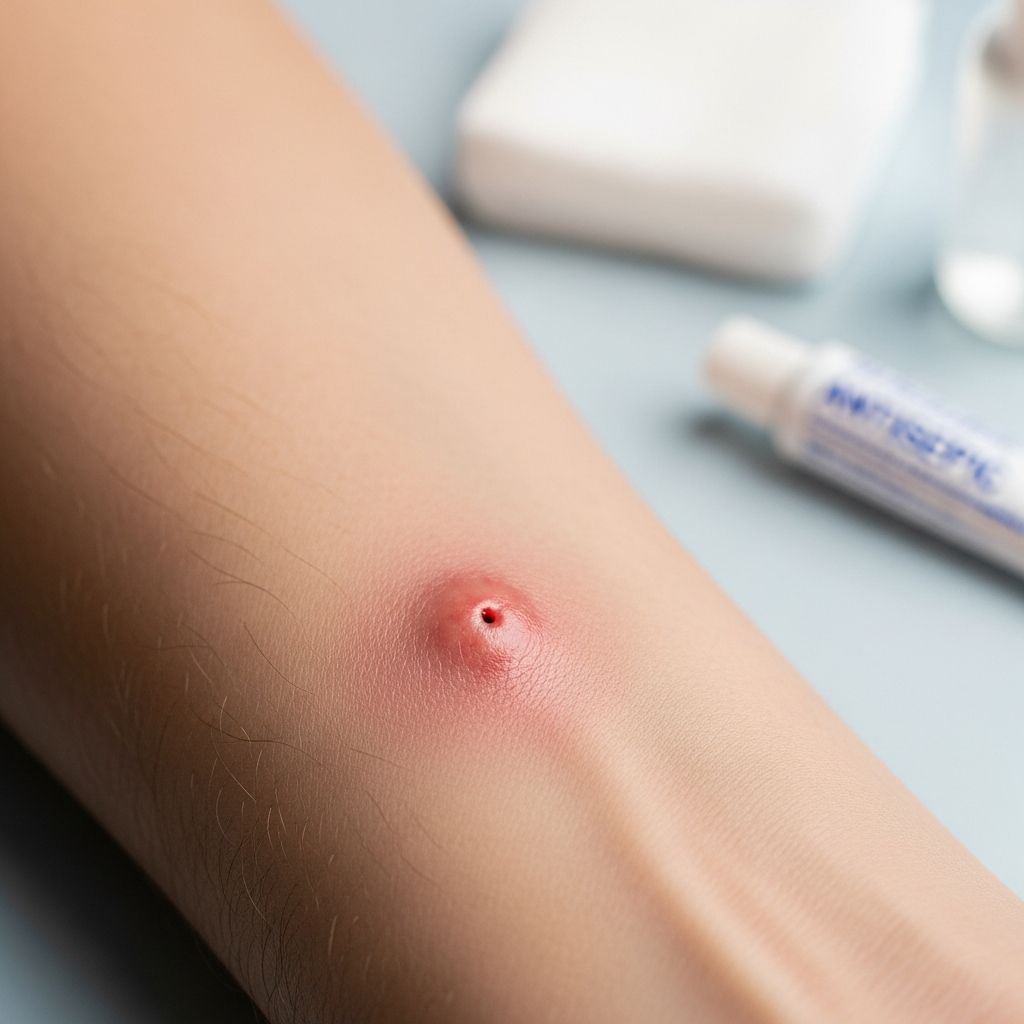
Spider bites are a common concern for many people, yet most spider bites are far less serious than they appear. The vast majority of spider encounters result in no bite at all, and when bites do occur, they typically cause only minor local reactions that resolve within a week without any medical intervention. However, understanding the difference between harmless spider bites and those that warrant professional medical attention can help you respond appropriately and avoid unnecessary anxiety.
Most spider species are either too small or too docile to bite humans, and those that do bite rarely inject enough venom to cause serious harm. The real danger comes from a small number of spider species that possess venom potent enough to cause systemic symptoms and complications. Learning to identify these dangerous species and recognizing warning signs can help you determine whether home care is sufficient or if you need to seek professional medical assistance.
Common Symptoms of Spider Bites
The symptoms of spider bites vary widely depending on the species involved and individual sensitivity. Most people experience mild, localized symptoms that are more annoying than dangerous.
Mild Spider Bite Symptoms
Typical spider bites produce the following symptoms:
- Mild pain or discomfort at the bite site
- Redness and swelling around the bite area
- Itching that may persist for a few hours
- A small, raised bump similar to a mosquito bite
These symptoms generally appear within a few minutes to a few hours after the bite and typically resolve completely within 24 to 48 hours without any treatment beyond basic first aid.
Serious Spider Bite Symptoms
Bites from dangerous spider species can produce more alarming symptoms that develop quickly and may indicate the need for emergency care. Seek immediate medical attention if you experience:
- Severe, escalating pain at the bite site
- Extensive swelling that spreads beyond the immediate bite area
- Development of an open sore or ulcer
- Muscle cramps, spasms, or rigidity throughout the body
- Abdominal pain or cramping
- Difficulty breathing or chest pain
- Severe headache or dizziness
- High blood pressure or rapid heart rate
- Nausea or vomiting
- Fever or chills
- Signs of infection such as increasing warmth, redness, or drainage
These symptoms suggest a bite from a medically significant spider species and require professional evaluation and treatment.
Dangerous Spider Species in North America
While hundreds of spider species exist in North America, only a few pose a genuine threat to human health. Understanding which spiders are dangerous can help you assess the severity of a bite.
Black Widow Spiders
Black widow spiders are among the most medically significant spiders in North America. Identifiable by their shiny black bodies and distinctive red hourglass marking on the abdomen, female black widows possess venom that is more potent than rattlesnake venom by weight. Black widow bites typically cause intense pain and muscle-related symptoms called latrodectism, which includes muscle cramps, spasms, and rigidity. These symptoms can develop within minutes to a few hours after the bite and may last for several days. Children and elderly individuals face higher risks of severe complications from black widow bites.
Related Stories



Brown Recluse Spiders
Brown recluse spiders, identifiable by their brown coloring and distinctive violin-shaped marking on their backs, produce venom containing enzymes that can destroy tissue. Unlike black widow venom, brown recluse venom primarily affects the skin and surrounding tissues, potentially causing a condition called necrosis where tissue dies and forms an open sore. These bites often develop a distinctive pattern with a pale center surrounded by a red ring, sometimes described as resembling a target or bullseye. The necrotic wound can take weeks to months to heal and may require medical intervention.
Hobo Spiders
Hobo spiders, brown in color with patterns on their abdomens, are primarily found in the Pacific Northwest. They can produce bites that cause similar necrotic reactions to brown recluse spider bites, though typically less severe. The venom causes localized tissue damage that may result in slow-healing wounds.
First Aid Treatment for Spider Bites
Proper first aid can significantly reduce discomfort and promote healing for most spider bites. Follow these evidence-based steps immediately after discovering a bite.
Immediate Care Steps
Clean the wound thoroughly. Wash the bite area gently with mild soap and lukewarm water to remove any debris and reduce the risk of infection. Use a clean cloth or your hands, being careful not to scrub harshly, which could irritate the area further.
Apply cold therapy. Use a cool compress, ice pack, or even a clean, damp cloth placed over the bite for 15 minutes at a time. The cold helps reduce pain, swelling, and inflammation. You can repeat this process every hour for the first few hours after the bite. Always place a thin cloth between ice and your skin to prevent ice burn.
Elevate the affected area. If the bite is on a limb, elevate it above heart level when possible. This helps reduce swelling by promoting drainage and can significantly decrease discomfort.
Pain and Symptom Management
Pain relief medication. Over-the-counter pain relievers such as ibuprofen or acetaminophen can help manage discomfort. Follow package directions for appropriate dosing based on your age and weight.
Antihistamines for itching. If itching becomes bothersome, over-the-counter antihistamines such as diphenhydramine (Benadryl) or cetirizine (Zyrtec) can provide relief. These medications are particularly helpful if the itching interferes with sleep or causes you to scratch excessively, which could lead to infection.
Topical treatments. Apply an antibiotic ointment to the bite site three times daily to help prevent bacterial infection. This is particularly important if there is any break in the skin.
What Not to Do
Avoid attempting to suck out or remove venom from a spider bite, as this is ineffective and can cause additional tissue damage. Do not apply a tourniquet or tight bandage unless specifically instructed by a healthcare provider for certain serious bites. Do not attempt to identify the spider by recreating the conditions under which you were bitten, as this increases the risk of additional bites.
When to Seek Medical Attention
While most spider bites resolve with home care, certain situations require professional medical evaluation. Knowing when to contact a healthcare provider is essential for appropriate management.
Contact Your Doctor If:
- The bite is from a spider you believe to be dangerous, such as a black widow or brown recluse
- Severe pain develops or pain continues to worsen after 24 hours
- Swelling spreads significantly beyond the immediate bite area
- An open sore or ulcer develops at the bite site
- Signs of infection appear, including increased warmth, spreading redness, pus, or drainage
- The bite is on the face, hands, or genitals
- You are very young, elderly, pregnant, or have a compromised immune system
- The bite occurred more than a week ago but symptoms are just beginning or worsening
Seek Emergency Care Immediately If:
- Severe muscle cramps or spasms develop throughout your body
- You experience difficulty breathing or chest pain
- Severe abdominal pain develops
- You have a severe headache or severe dizziness
- You develop signs of an allergic reaction such as difficulty swallowing or facial swelling
- You have a high fever accompanied by other symptoms
- You believe you have been bitten by a black widow spider and are experiencing systemic symptoms
Professional Medical Treatments
When you see a healthcare provider for a spider bite, they may recommend or prescribe various treatments depending on the severity and type of bite.
Topical and Systemic Medications
For brown recluse and hobo spider bites, doctors may prescribe dapsone, an antibiotic with anti-inflammatory properties that can help reduce tissue damage and promote healing. Corticosteroids may be prescribed to reduce inflammation, and tetanus vaccination may be administered if your tetanus protection is not current.
For black widow spider bites causing severe pain or muscle-related symptoms, healthcare providers may prescribe muscle relaxants, stronger pain medications, or anti-anxiety medications to manage symptoms while the body processes the venom.
Antivenom Treatment
For severe black widow spider bites causing life-threatening symptoms such as severe muscle spasms, respiratory difficulty, or extremely high blood pressure, black widow antivenom may be administered intravenously. This treatment can provide dramatic symptom relief, often within 30 minutes. However, antivenom carries a risk of serious allergic reactions and is used cautiously and only when symptoms are severe enough to warrant the risks.
For brown recluse and hobo spider bites, antivenom (when available) is most effective when administered within the first 4 to 12 hours after the bite. Early administration significantly reduces the extent of tissue damage and scarring.
Wound Care for Serious Bites
Brown recluse spider bites that develop into necrotic ulcers may require specialist evaluation by a dermatologist or surgeon. These wounds may need debridement, a procedure in which dead tissue is removed to promote healing. Once the necrotic tissue has fully developed and inflammation has decreased, skin grafting may be necessary for larger wounds.
Preparing for Your Doctor’s Appointment
If you decide to see a healthcare provider about a spider bite, bringing relevant information can help them make an accurate diagnosis and provide appropriate treatment.
What to Bring
- The spider itself, if you captured it safely, or a clear photograph of the spider
- A list of your symptoms and when they began
- Information about what you were doing when bitten
- Any photographs of the bite showing its appearance and any changes over time
- A list of any medications you take regularly
- Information about any allergies you have
Questions to Ask Your Doctor
- Is this definitely a spider bite, or could these symptoms be caused by something else?
- What type of spider caused this bite, if identifiable?
- Is this bite from a dangerous spider species?
- What treatment do you recommend for my symptoms?
- How long until I should expect to see improvement?
- What symptoms should cause me to seek emergency care?
- Will this bite leave a scar?
- What can I do to prevent spider bites in the future?
Prevention Strategies
While complete avoidance of spider encounters is impossible, several strategies can reduce your risk of being bitten.
- Shake out clothing, shoes, and bedding before putting them on or getting into bed, as spiders may hide in these locations
- Wear protective clothing such as long sleeves and pants when working in areas where spiders are common
- Inspect dark corners, closets, and basements regularly and remove spider webs
- Seal cracks and crevices in your home’s exterior to reduce spider entry
- Use caution when moving items stored in attics, basements, or garages where spiders commonly hide
- Keep your bedroom tidy and free of clutter that could harbor spiders
- Avoid reaching blindly into spaces where you cannot see
Understanding Diagnosis Challenges
One significant challenge in managing spider bites is that definitive diagnosis is often difficult. Many people never see the spider that bit them, and symptoms from spider bites can mimic symptoms from other skin conditions, bacterial infections, or allergic reactions. Your healthcare provider may suspect a spider bite based on your description of events and symptoms, but confirming the diagnosis requires either seeing the spider or ruling out other possible causes.
In some cases, doctors may send a sample of fluid from a blister or lesion to a laboratory to check for bacterial infections such as MRSA that can produce similar-appearing lesions. This testing helps ensure appropriate treatment even if the exact cause cannot be definitively determined.
Long-Term Outcomes and Recovery
Most spider bites heal completely without any lasting effects. Simple bites typically resolve within a week with only home care. Bites from dangerous spider species that receive prompt professional treatment also generally resolve well, though brown recluse bites may leave scars depending on their size and depth.
Black widow bite symptoms typically improve significantly within 24 to 48 hours of receiving appropriate treatment, though some muscle soreness may persist for a week or more. Brown recluse bites progress through stages, with the initial bite site healing over the course of several weeks to months, and potential scarring depending on the extent of tissue damage.
For any spider bite, keeping the wound clean and following your healthcare provider’s recommendations will optimize healing and minimize complications.
Frequently Asked Questions
Q: How can I tell if a spider bite is infected?
A: Signs of infection include increasing warmth around the bite, spreading redness beyond the original bite area, pus or drainage from the bite, increasing pain after initial improvement, and fever. Contact your doctor if you notice any of these signs.
Q: Can I get a life-threatening infection from a spider bite?
A: While rare, untreated infections from spider bites can potentially become serious. This is why proper wound cleaning and monitoring for infection signs are important. Seek medical attention if you develop signs of infection or if symptoms worsen rather than improve.
Q: Are all brown spiders brown recluse spiders?
A: No. Many common brown spiders are harmless. Brown recluse spiders have a distinctive violin-shaped marking on their backs. When in doubt about a spider, take a photo and consult with a local pest control professional or university extension service for identification.
Q: How long does it take for a brown recluse spider bite to show symptoms?
A: Some brown recluse bites show symptoms within hours, while others may not develop visible signs for a week or more. Any bite suspected to be from a brown recluse should receive medical evaluation even if symptoms have not yet developed.
Q: Should I try to find and kill the spider that bit me?
A: If you can safely capture the spider without risking additional bites, doing so can help your doctor identify it and provide more targeted treatment. However, your health is more important than spider identification, so do not put yourself at risk. A photograph taken from a safe distance is equally helpful.
Q: Can you die from a spider bite?
A: While death from spider bites in North America is extremely rare, it is theoretically possible with untreated black widow bites in very young children, elderly individuals, or those with serious health conditions. Prompt medical treatment makes death from spider bites highly unlikely.
Q: Do spider bites leave permanent scars?
A: Most simple spider bites do not leave scars. Brown recluse bites that cause significant tissue death may leave scars depending on how extensive the necrosis was. Professional medical treatment and appropriate wound care can minimize scarring.
References
- Spider Bites: Diagnosis & Treatment — Mayo Clinic. 2024. https://www.mayoclinic.org/diseases-conditions/spider-bites/diagnosis-treatment/drc-20352377
- Poisonous Spiders: Bites, Symptoms, and Treatment — National Institutes of Health. 2015. https://pmc.ncbi.nlm.nih.gov/articles/PMC4614586/
- Spider Bites: Symptoms & Treatment — Cleveland Clinic. 2024. https://my.clevelandclinic.org/health/diseases/16639-spider-bites
- Brown Recluse Spider Bite: Care Instructions — Alberta Health Services. 2024. https://myhealth.alberta.ca/Health/aftercareinformation/pages/conditions.aspx?hwid=abo1649
- Spider Bites: Symptoms and First Aid — Brigham and Women’s Hospital Health Library. https://healthlibrary.brighamandwomens.org/Library/diseasesconditions/Pediatric/Blood/85,P00860
Similar Articles








Read full bio of Sneha Tete