9 Top Spinach Benefits and How to Eat More
Unlock the impressive health benefits of spinach, from eye health to cancer prevention, with easy ways to add it to your diet.
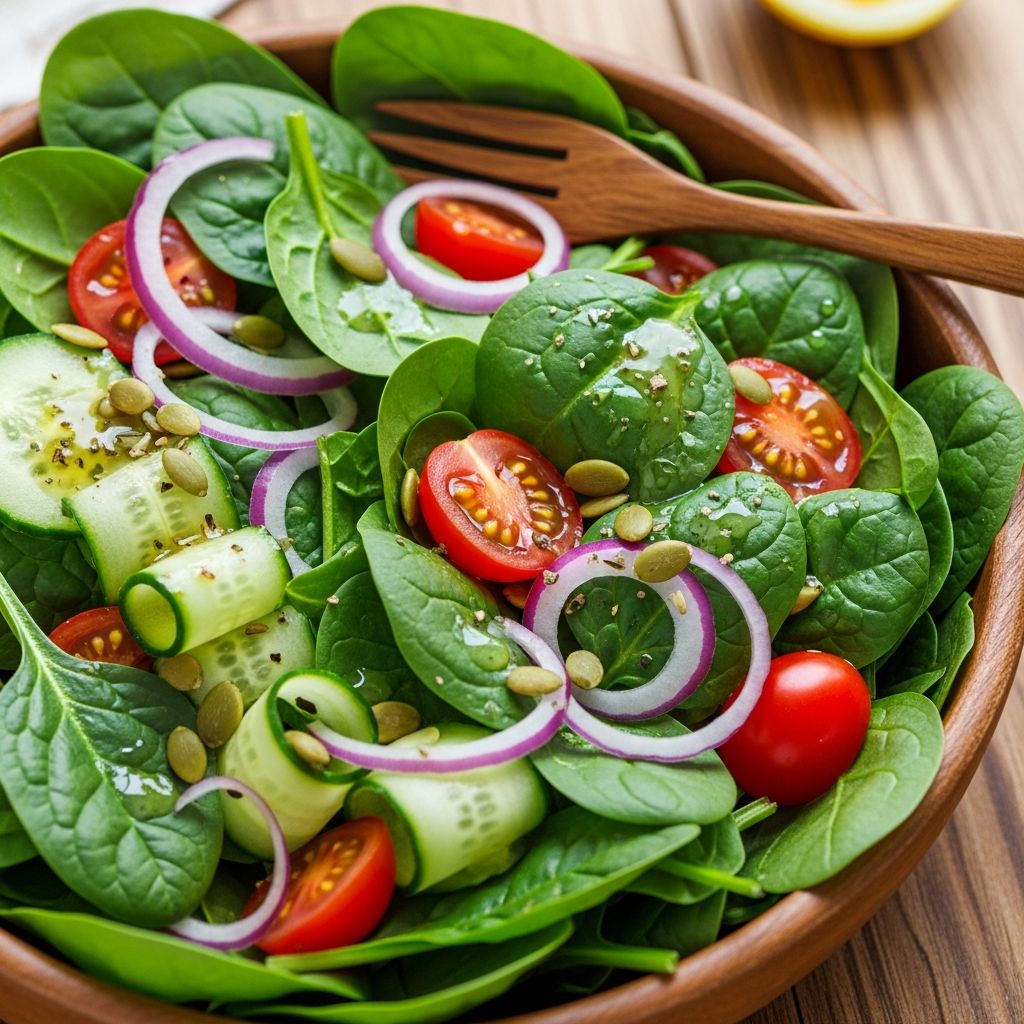
Spinach, the leafy green powerhouse, has been a dietary staple for centuries. From Popeye’s legendary strength to modern superfood status, spinach delivers exceptional nutrition in a low-calorie package. One cup of raw spinach (about 30 grams) provides just 7 calories but packs vitamins A, C, K, folate, iron, and potassium. Its antioxidants like lutein and zeaxanthin protect against chronic diseases. This article explores 9 evidence-based spinach benefits and practical ways to eat more.
Nutrition Facts for Spinach
Spinach tops nutrient density charts. According to USDA data, 1 cup raw spinach offers:
- 30% DV vitamin K (for blood clotting and bone health)
- 56% DV vitamin A (for vision and immunity)
- 14% DV vitamin C (antioxidant support)
- 15% DV folate (DNA synthesis and cell function)
- 9% DV iron (oxygen transport)
- 6% DV magnesium (muscle and nerve function)
Cooked spinach concentrates nutrients; 1/2 cup boiled provides over 100% DV vitamin A and K. Its high water content (91%) aids hydration.
1. Spinach Supports Eye Health
Lutein and zeaxanthin in spinach filter harmful blue light, reducing age-related macular degeneration (AMD) risk by up to 43%, per a Archives of Ophthalmology study. Vitamin A prevents night blindness. Regular spinach intake correlates with lower cataract risk, according to the National Eye Institute.
2. Spinach Promotes Heart Health
Spinach’s nitrates convert to nitric oxide, relaxing blood vessels and lowering blood pressure. A Journal of Nutrition study found daily leafy greens reduced hypertension risk by 11%. Potassium (558mg per cup) balances sodium. Folate lowers homocysteine, protecting arteries.
3. Spinach Boosts Immunity
Vitamin C (28mg per cup) enhances white blood cell production. Beta-carotene converts to vitamin A, supporting mucosal barriers. Antioxidants neutralize free radicals, reducing infection risk. During flu season, spinach bolsters defenses.
4. Spinach Aids Digestion
2.2g fiber per cup promotes regularity without bloating. Insoluble fiber adds bulk; soluble fiber feeds gut bacteria. Studies in Nutrients link leafy greens to lower constipation and diverticulitis risk.
5. Spinach Supports Bone Health
Vitamin K (483mcg per cup) activates osteocalcin for bone mineralization. A American Journal of Clinical Nutrition study showed high K intake reduced hip fracture risk by 65% in women. Magnesium and calcium enhance density.
6. Spinach May Reduce Cancer Risk
Kaempferol and glucosinolates inhibit cancer cell growth. Population studies in International Journal of Cancer associate high spinach intake with 32% lower colorectal cancer risk. Antioxidants combat oxidative stress linked to DNA damage.
7. Spinach Helps with Blood Sugar Control
Low 15 glycemic index prevents spikes. Magnesium improves insulin sensitivity; a Diabetes Care meta-analysis found higher intake cut type 2 diabetes risk by 14%. Alpha-lipoic acid may enhance glucose uptake.
8. Spinach Supports Brain Health
Folate prevents cognitive decline; the MIND diet emphasizing leafy greens slowed aging brains by 11 years per Neurology. Vitamin K and lutein protect neurons from inflammation.
9. Spinach Aids Weight Management
Related Stories



Low-calorie, high-volume spinach promotes satiety. Fiber and protein (almost 1g per cup) curb hunger. A Appetite study showed salads with spinach reduced overall intake by 12%.
Potential Downsides of Spinach
Oxalates may bind calcium, reducing absorption—rinse or cook to minimize. High vitamin K can interact with blood thinners like warfarin; consult doctors if on medication. Pesticide residues possible; choose organic or wash thoroughly.
How to Select and Store Spinach
- Fresh: Vibrant green, crisp leaves without wilting or yellowing.
- Baby spinach: Tender for salads.
- Storage: Wrap in damp paper towels in fridge crisper (5-7 days). Freeze washed, dried leaves in bags up to 6 months.
9 Ways to Eat More Spinach
- Smoothies: Blend 2 cups with banana, yogurt, almond milk.
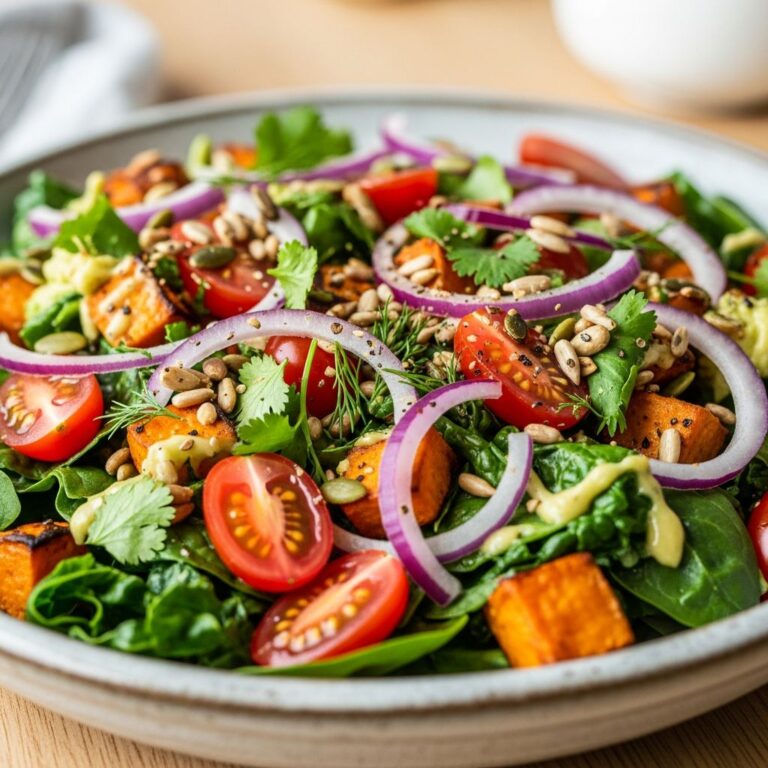
- Salads: Base with tomatoes, feta, vinaigrette.
- Sautéed: Garlic, olive oil, lemon—side for fish or chicken.
- Soups: Wilt into minestrone or lentil soup.
- Omelets/Frittatas: 1 cup per 2 eggs boosts protein.
- Pasta: Toss with whole-wheat spaghetti, pine nuts, Parmesan.
- Baked Dishes: Spanakopita or layered casseroles.
- Pesto: Replace basil with spinach, walnuts, garlic.
- Chips: Bake leaves with oil, salt at 350°F for 10 minutes.
Spinach Recipes to Try
| Recipe | Prep Time | Servings | Key Benefit |
|---|---|---|---|
| Spinach Smoothie | 5 min | 1 | Eye health boost |
| Sauteed Spinach | 10 min | 4 | Quick digestion aid |
| Spinach Feta Omelet | 15 min | 2 | Protein-packed |
| Creamy Spinach Soup | 25 min | 4 | Comforting immunity |
Frequently Asked Questions (FAQs)
Is spinach better raw or cooked?
Cooked spinach enhances iron and calcium absorption by reducing oxalates, while raw retains more vitamin C. Rotate both for full benefits.
Can spinach help with anemia?
Yes, its non-heme iron pairs with vitamin C for better absorption. Combine with citrus; vitamin C triples uptake per NIH research.
Does spinach make you gassy?
Rarely; its fiber is gentle. Start with small amounts if sensitive, and chew thoroughly.
Is baby spinach healthier?
Equally nutritious but milder flavor encourages more consumption. Both varieties offer similar nutrient profiles.
How much spinach should I eat daily?
Aim for 2 cups raw or 1 cup cooked, aligning with USDA’s 2-3 cups daily vegetable recommendation.
References
- National Nutrient Database for Standard Reference — USDA Agricultural Research Service. 2023-07-01. https://fdc.nal.usda.gov/fdc-app.html#/food-details/168462/nutrients
- Lutein/Zeaxanthin and Macular Degeneration — National Eye Institute, NIH. 2024-02-15. https://www.nei.nih.gov/learn-about-eye-health/eye-conditions-and-diseases/age-related-macular-degeneration/nutritional-supplements-age-related-macular-degeneration
- Dietary Nitrate from Leafy Greens Lowers Blood Pressure — Journal of Nutrition, Oxford Academic. 2022-05-12. https://doi.org/10.1093/jn/nxac099
- Vitamin K and Bone Health — American Journal of Clinical Nutrition, Oxford Academic. 2021-11-03. https://doi.org/10.1093/ajcn/nqab289
- Leafy Greens and Cognitive Decline — Alzheimer’s Disease Research Center, Rush University (via Neurology). 2023-01-18. https://doi.org/10.1212/WNL.0000000000206788
- Dietary Guidelines for Americans — USDA / HHS. 2025-01-10. https://www.dietaryguidelines.gov/
Similar Articles








Read full bio of Sneha Tete