Spinal Arthritis: Causes, Symptoms, and Treatment Options
Comprehensive guide to understanding spinal arthritis, its symptoms, causes, and effective treatment strategies.
Understanding Spinal Arthritis
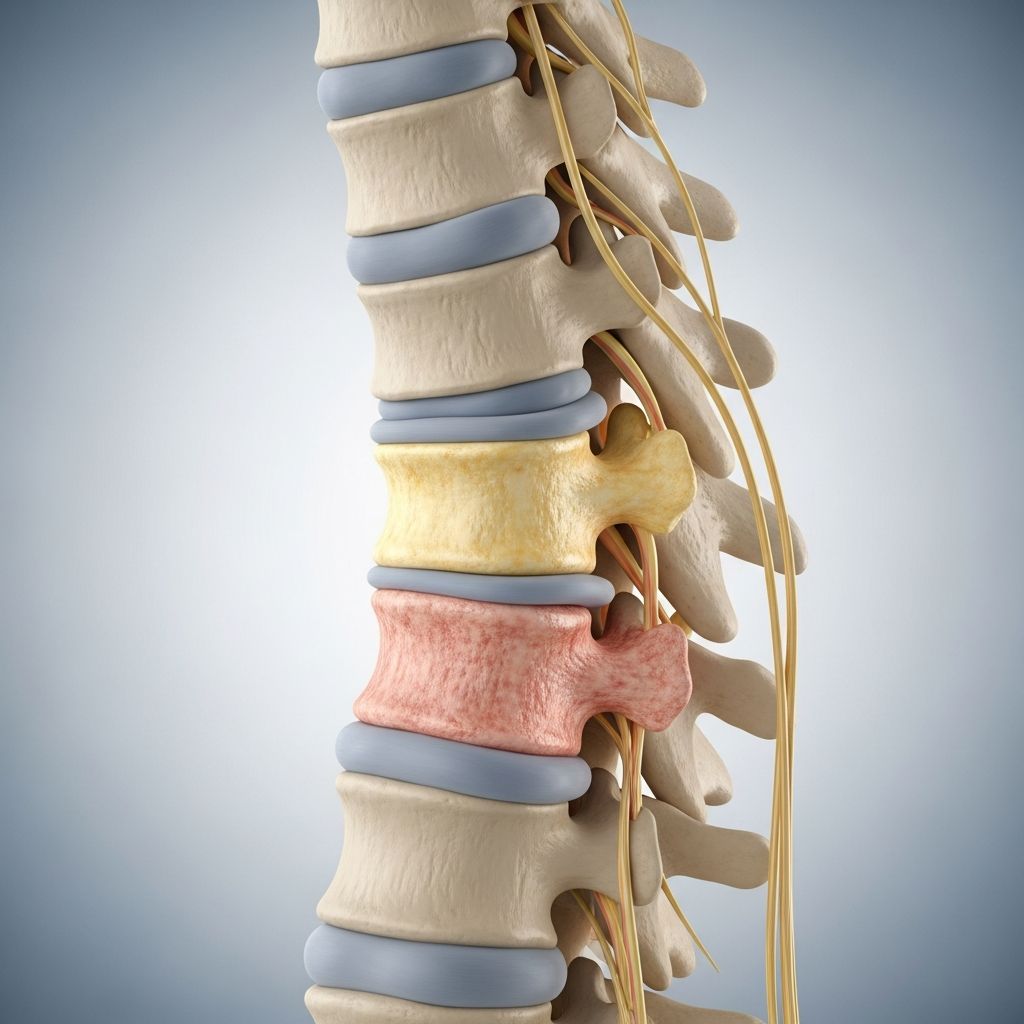
Spinal arthritis is a degenerative condition affecting the joints of the spine, characterized by inflammation and deterioration of the cartilage that cushions the vertebrae. This common condition affects millions of people worldwide and can significantly impact quality of life if left untreated. The spine contains multiple facet joints that allow for movement and flexibility, but over time, these joints can develop arthritis, leading to pain, stiffness, and reduced mobility.
The condition develops gradually, with symptoms often appearing after years of wear and tear on the spine. While spinal arthritis is most common in older adults, it can develop at any age, particularly in individuals with certain risk factors or a history of spinal injuries.
Types of Spinal Arthritis
Several types of arthritis can affect the spine, each with distinct characteristics and causes:
Osteoarthritis of the Spine
Osteoarthritis is the most common form of spinal arthritis, developing when the protective cartilage covering the facet joints gradually wears down. This type is often associated with degenerative disc disease, where the intervertebral discs lose their cushioning ability over time. As the discs deteriorate, they create less space between vertebrae, increasing pressure on the spinal joints and causing the characteristic pain and stiffness of osteoarthritis.
Rheumatoid Arthritis of the Spine
Rheumatoid arthritis is an autoimmune disorder where the body’s immune system attacks the joint linings, causing inflammation throughout the spine. This type can progress more rapidly than osteoarthritis and may require more aggressive treatment approaches, including disease-modifying anti-rheumatic drugs and biologics.
Ankylosing Spondylitis
Ankylosing spondylitis is an inflammatory arthropathy that primarily affects the spine and sacroiliac joints. Over time, inflammation can lead to fusion of the vertebrae, reducing spinal flexibility and mobility.
Causes of Spinal Arthritis
Understanding the underlying causes of spinal arthritis is essential for prevention and early intervention. The primary causes include:
Degenerative Disc Disease
Degenerative disc disease is the leading cause of osteoarthritis in the back. The intervertebral discs, which serve as shock absorbers between vertebrae, gradually lose water content and become less flexible with age. As these discs deteriorate, they provide less cushioning, forcing the spinal joints to bear more load and accelerating the development of arthritis.
Age and Wear and Tear
Natural aging processes cause the cartilage covering the facet joints to gradually wear down. Over decades, the cumulative effect of movement, stress, and minor injuries to the spine can lead to cartilage degradation and arthritis development.
Autoimmune Conditions
Conditions like rheumatoid arthritis and ankylosing spondylitis occur when the immune system mistakenly attacks the body’s own tissues, including the spinal joints. These inflammatory types of arthritis can develop at any age and progress more aggressively than osteoarthritis.
Previous Spine Injuries
Trauma to the spine, whether from accidents, falls, or sports injuries, can accelerate cartilage breakdown and increase the risk of developing arthritis in affected areas.
Related Stories



Risk Factors
Certain factors increase the likelihood of developing spinal arthritis:
- Advanced age, with osteoarthritis most common in people over 60
- Family history of arthritis or genetic predisposition
- Obesity, which increases stress on spinal joints
- Poor posture and improper body mechanics
- Sedentary lifestyle or excessive repetitive strain on the spine
- Previous spine injuries or trauma
- Smoking, which can accelerate disc degeneration
- Certain autoimmune disorders
Symptoms of Spinal Arthritis
The symptoms of spinal arthritis vary depending on the severity of the condition and which part of the spine is affected. Recognizing these symptoms early can help facilitate prompt treatment and prevent disease progression.
Common Symptoms
The most prevalent symptom of spinal arthritis is low back pain, particularly in the lumbar spine region. This pain typically develops gradually and may worsen with activity. Additional common symptoms include:
- Stiffness in the neck or back, often worse in the morning
- Limited range of motion and flexibility
- Pain that radiates to the shoulders, arms, or legs
- Muscle weakness or numbness in the extremities
- Pain that radiates down the pelvis, buttocks, or thighs
- Discomfort that subsides during the day as the spine warms up
Severe Symptoms
In advanced cases, spinal arthritis can cause more serious complications. When bone spurs develop, they may compress the spinal canal, leading to spinal stenosis. This can result in:
- Nerve compression causing radiating pain in the arms or legs
- Loss of bladder or bowel control
- Significant mobility limitations affecting daily activities
- Abnormal spinal curvature (kyphosis)
Diagnosis of Spinal Arthritis
Accurate diagnosis is crucial for developing an effective treatment plan. Healthcare providers use multiple diagnostic approaches to confirm spinal arthritis and determine its severity.
Physical Examination
During a physical exam, a doctor will assess your range of motion, muscle strength, and areas of tenderness along the spine. They may perform specific maneuvers to reproduce symptoms and evaluate nerve function.
Imaging Studies
Imaging tests provide detailed visualization of spinal structures and help confirm arthritis diagnosis:
- X-rays: Often the first imaging study, showing bone spurs and joint changes
- MRI (Magnetic Resonance Imaging): Provides detailed images of soft tissues, discs, and nerves
- CT scans: Offers cross-sectional images for detailed bone and joint evaluation
Doctors match imaging findings with reported symptoms to develop individualized treatment plans, as imaging abnormalities don’t always correlate with pain levels.
Conservative Treatment Options
Most cases of spinal arthritis can be effectively managed through conservative, nonsurgical treatments aimed at reducing pain, maintaining mobility, preventing deformities, and slowing disease progression. A combination of approaches typically yields the best results.
Medications
Medications form a cornerstone of spinal arthritis management:
- NSAIDs: Over-the-counter nonsteroidal anti-inflammatory drugs like ibuprofen and naproxen reduce inflammation and mild to moderate pain
- Acetaminophen: Provides pain relief without anti-inflammatory effects
- Prescription medications: Stronger pain relievers may be necessary for severe arthritis
- Disease-modifying anti-rheumatic drugs (DMARDs): Used specifically for inflammatory arthritis types
- Biologic medications: Injectable or infusion-based treatments for rheumatoid arthritis and ankylosing spondylitis
Physical Therapy and Exercise
Physical therapy is fundamental to managing spinal arthritis effectively. A structured program typically includes:
- Core strengthening exercises to support the spine
- Range-of-motion exercises to maintain flexibility
- Low-impact aerobic activities like swimming or water aerobics
- Yoga and Pilates for gentle strengthening and flexibility
- Walking and other weight-bearing exercises
Regular exercise provides multiple benefits, including improved flexibility, stronger muscles, better circulation, enhanced mood, and improved ability to perform daily tasks.
Heat and Cold Therapy
Applying heat or cold compresses can provide symptomatic relief. Heat generally reduces stiffness and increases flexibility, while cold therapy may decrease inflammation and numb acute pain.
Weight Management
Excess body weight increases stress and pressure on the spinal joints. Weight loss is often recommended as part of treatment, particularly for individuals who are overweight or obese.
Lifestyle Modifications
Simple lifestyle changes can significantly impact symptom management:
- Improving posture to reduce spinal stress
- Quitting smoking to slow disc degeneration
- Limiting alcohol intake
- Taking regular breaks during prolonged activities
- Using supportive mattresses and pillows
Procedural Pain Management
When conservative treatments provide insufficient relief, minimally invasive procedures may be considered:
- Corticosteroid injections: Direct injection of steroids into the affected joint to reduce inflammation and provide temporary pain relief
- Radiofrequency ablation: Uses heat generated by radio waves to disrupt nerve signals, reducing pain transmission
Complementary Therapies
Many patients find relief through complementary approaches including massage therapy, acupuncture, and chiropractic manipulation. These therapies can complement traditional medical treatment.
Surgical Treatment Options
Surgery is typically reserved for cases where conservative treatments have failed or when severe complications develop. Surgical intervention may be necessary when:
- There are broken bones in the spine
- Nerve compression causes severe pain unresponsive to conservative treatment
- Spinal cord compression affects bladder or bowel function
- Significant mobility limitations impact quality of life
- Severe spinal instability exists
Common Surgical Procedures
Laminectomy: This procedure removes a portion of the vertebra (lamina) to relieve pressure on the spinal cord and nerve roots. It’s commonly performed to treat spinal stenosis caused by arthritis.
Spinal Fusion: When vertebrae are fused together, motion between them is eliminated, reducing pain from arthritic joints. This procedure is particularly useful for unstable spinal segments.
Spinal Cord Decompression Surgery: This addresses severe arthritis-induced compression of the spinal cord and nerves, relieving associated pain, numbness, and limited range of motion.
Any surgical procedure carries inherent risks, so the goal is to medically manage arthritis symptoms without surgery in most cases.
Progression and Complications
Without appropriate treatment, spinal arthritis typically worsens over time, potentially causing significant pain and mobility difficulties that interfere with daily activities. Complications may include:
- Spinal stenosis from bone spur development
- Radiculopathy (nerve root compression) causing radiating pain
- Myelopathy (spinal cord compression)
- Abnormal spinal curvature (kyphosis)
- Loss of independence and reduced quality of life
Prevention and Management Strategies
While spinal arthritis cannot always be prevented, certain strategies may reduce your risk or slow progression:
- Maintain good posture throughout daily activities
- Stay physically active with regular, low-impact exercise
- Maintain a healthy body weight
- Avoid smoking and excessive alcohol
- Use proper lifting techniques and body mechanics
- Protect your spine from injury through appropriate safety measures
- Manage other health conditions that may increase arthritis risk
Living with Spinal Arthritis
Successfully managing spinal arthritis requires balancing regular physical activity with adequate rest. Overdoing physical activities can trigger pain and inflammation recurrence, so mindful movement that prevents excessive spine stress is essential.
Working with healthcare providers to develop a personalized management plan, combining medications, physical therapy, and lifestyle modifications, can help maintain function and quality of life. Early diagnosis and treatment often result in faster symptom relief and better long-term outcomes.
Frequently Asked Questions
Q: Is spinal arthritis the same as osteoarthritis?
A: Osteoarthritis is one type of spinal arthritis. While osteoarthritis involves cartilage wear and tear, other types of spinal arthritis include rheumatoid arthritis and ankylosing spondylitis, which have different causes and treatment approaches.
Q: Can spinal arthritis be cured?
A: Spinal arthritis cannot be completely cured, but symptoms can be effectively managed through conservative treatments, medications, and lifestyle modifications. Surgery may be necessary in severe cases.
Q: How long does it take for spinal arthritis to develop?
A: Spinal arthritis typically develops gradually over years or decades. Most people begin experiencing symptoms in their 50s and 60s, though it can develop earlier with risk factors or previous injuries.
Q: What is the best exercise for spinal arthritis?
A: Low-impact exercises like swimming, water aerobics, walking, and gentle yoga are typically best for spinal arthritis. Physical therapy tailored to your specific condition is most effective.
Q: Will spinal arthritis get worse over time?
A: Without treatment, spinal arthritis usually worsens. However, appropriate treatment combining medications, physical therapy, and lifestyle modifications can slow progression and maintain quality of life.
Q: When should I consider surgery for spinal arthritis?
A: Surgery is typically considered when conservative treatments fail, severe complications develop, nerve compression affects function, or symptoms significantly interfere with daily activities.
References
- Spinal Arthritis: Symptoms, Causes, Risk Factors & Treatment — Healthgrades. 2024. https://resources.healthgrades.com/right-care/spine-conditions/spinal-arthritis
- Spinal Arthritis: Arthritis of the Neck and Back — Hospital for Special Surgery (HSS). 2024. https://www.hss.edu/health-library/conditions-and-treatments/list/spinal-arthritis
- Arthritis of the Spine – Diagnosis and Treatment — University of Maryland Medical System. 2024. https://www.umms.org/sjmc/health-services/spine/conditions/arthritis
- Spinal Osteoarthritis Treatment — DFW Spine Center. 2024. https://dfwspinecenter.com/treatments/spinal-osteoarthritis/
- Pain in the Back: Preventing and Treating Spinal Arthritis — Mayo Clinic News Network. 2024. https://newsnetwork.mayoclinic.org/discussion/pain-in-the-back-preventing-and-treating-spinal-arthritis/
- Advanced Diagnostics and Treatment for Arthritis in Spine — University Hospitals. 2024. https://www.uhhospitals.org/services/spine-services/conditions-and-treatments/arthritis-spine
Similar Articles








Read full bio of medha deb