Spinal Cancer and Spinal Tumors: Comprehensive Guide
Understanding spinal cancer: symptoms, diagnosis, and treatment options explained.
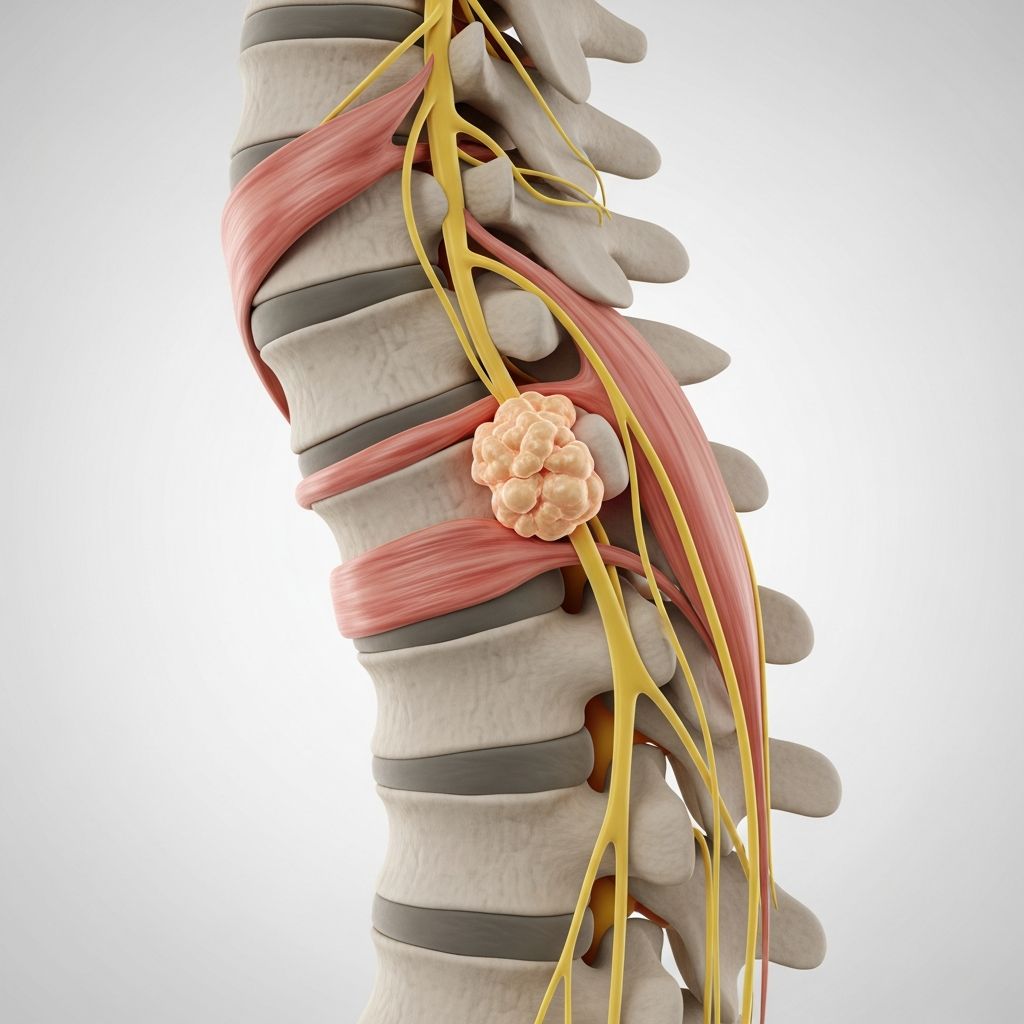
Understanding Spinal Cancer and Spinal Tumors
Spinal cancer and spinal tumors represent a significant health concern affecting thousands of individuals each year. These conditions involve the growth of abnormal cells in and around the spine, potentially causing pain, neurological complications, and mobility issues. Understanding the nature of spinal tumors, their symptoms, diagnostic approaches, and available treatments is essential for patients and their families navigating this challenging medical landscape. Spinal tumors can be either primary tumors that originate in the spine or metastatic tumors that have spread from cancer elsewhere in the body. The spine’s complex anatomy and proximity to vital neural structures make these tumors particularly concerning and require specialized medical expertise for optimal management.
What Are Spinal Tumors?
Spinal tumors are abnormal growths that develop in or around the spinal cord and vertebral column. These tumors can originate in the spine itself (primary tumors) or develop as a result of cancer spreading from other parts of the body (metastatic tumors). The vertebral column, which comprises the bones of the spine, can be affected by both primary bone tumors and metastatic lesions. Understanding the distinction between these tumor types is crucial for determining appropriate treatment strategies and predicting patient outcomes.
Spinal tumors vary significantly in their characteristics, growth rates, and potential for malignancy. Some tumors grow slowly over years, while others progress rapidly. The location of the tumor within the spinal column determines the type of tissue affected and influences both symptoms and treatment options. Tumors can develop in the vertebral bodies, in the spinal canal surrounding the spinal cord, or within the spinal cord itself, with each location presenting unique clinical challenges.
Common Types of Spinal Tumors
Spinal tumors encompass a diverse range of pathologies, each with distinct characteristics and treatment considerations. Understanding the various types helps clinicians and patients appreciate the complexity of these conditions and the importance of personalized treatment approaches.
Intramedullary tumors develop within the spinal cord itself and include conditions such as ependymomas, astrocytomas, hemangioblastomas, and mixed gliomas. These tumors present particular surgical challenges because complete removal may not be possible without damaging surrounding neural tissue. Intramedullary ependymomas and hemangioblastomas are typically well-differentiated from surrounding spinal cord tissue and can often be removed completely, while astrocytomas tend to blend with the spinal cord tissue, making complete removal more difficult.
Extramedullary tumors develop outside the spinal cord but within the spinal canal. These include meningiomas, schwannomas, and neurofibromas. Extramedullary tumors generally have a better prognosis than intramedullary tumors because they often compress the spinal cord rather than infiltrate it, allowing for more complete surgical removal.
Vertebral column tumors affect the bones of the spine and include both primary bone tumors and metastatic lesions. While some vertebral column tumors originate in the spine, most are metastatic tumors that have spread from cancer elsewhere in the body, such as breast, lung, kidney, or prostate cancer.
Recognizing Symptoms of Spinal Tumors
The symptoms of spinal cancer and tumors vary depending on the tumor’s type, size, location, and growth rate. Early recognition of symptoms is critical for timely diagnosis and treatment initiation. Back or neck pain represents the most common initial symptom, occurring in the majority of patients with spinal tumors.
Related Stories



Pain associated with spinal tumors typically arises from the tumor’s physical presence in the spinal column and its effects on surrounding structures. As tumors grow, they may press on sensitive nerve endings, cause spinal instability, or compress nerve roots, leading to progressive symptoms. The pain may be localized to the tumor site or radiate to other areas of the body.
As tumors progress and compress the spinal cord or nerve roots, patients may experience additional neurological symptoms including:
- Numbness or tingling in the arms, legs, or other parts of the body
- Muscle weakness or difficulty with fine motor tasks such as buttoning clothes
- Loss of coordination or clumsiness
- Difficulty walking or maintaining balance
- Changes in bowel or bladder function
- Loss of sensation in the legs or feet
- In severe cases, partial or complete paralysis
Some spinal tumors cause no symptoms because they remain small and do not compress or irritate nearby tissues. However, as tumors grow, symptoms typically develop and progress. Pain from spinal tumors in the middle or lower back is more common, as tumors are more likely to develop in these regions of the spine. Radicular pain, which radiates from the spine to the hips, legs, feet, or arms, often feels sharp and shooting and occurs when tumors press on nerve roots.
Diagnosis of Spinal Tumors
Accurate diagnosis of spinal tumors requires a comprehensive evaluation combining clinical assessment, imaging studies, and sometimes tissue analysis. A thorough medical history and physical examination represent the first steps in the diagnostic process, allowing physicians to assess symptom onset, progression, and associated neurological findings.
Imaging studies form the cornerstone of spinal tumor diagnosis. Magnetic resonance imaging (MRI) provides detailed visualization of the spinal cord, nerve roots, and tumors, making it the most valuable imaging modality for evaluating spinal pathology. MRI can determine tumor location, size, and relationship to surrounding neural structures. Computed tomography (CT) scans may be used to evaluate bone involvement and help plan surgical approaches. X-rays may be obtained to assess spinal alignment and stability.
In cases where tissue diagnosis is necessary, biopsy procedures can be performed to obtain samples for pathological analysis. This determines the tumor type and helps guide treatment decisions. Advanced imaging techniques such as positron emission tomography (PET) scans may be used in specific clinical scenarios to evaluate tumor metabolism and detect metastatic disease.
Treatment Options for Spinal Cancer
Treatment of spinal tumors is highly individualized and depends on multiple factors including tumor type, location, size, grade, and the patient’s overall health status. The goals of treatment vary depending on whether the tumor is primary or metastatic. For primary spinal tumors, the goal is complete tumor removal when possible. For metastatic tumors, goals typically include pain relief, preservation of neurological function, and spinal stabilization.
Surgical Treatment
Surgery represents the primary treatment modality for most spinal tumors. Surgical approaches vary depending on tumor location and characteristics. Surgeons may perform complete en bloc resection, removing the entire tumor as a single unit for potential cure in primary tumors. For intramedullary tumors, surgeons carefully remove tumor tissue while preserving surrounding spinal cord function, though complete removal may not always be possible without causing neural damage.
Advanced surgical techniques and minimally invasive approaches help reduce operative trauma and promote faster recovery. Procedures such as retropleural thoracotomies, short segment fusions, and the use of spinal cages provide structural support. Vertebroplasty and kyphoplasty procedures can reconstruct compressed vertebrae, restore spinal alignment, and relieve neural pressure. Multiple surgeons often work together in complex cases to maximize tumor removal while preserving spinal function.
Radiation Therapy
Radiation therapy uses high-energy X-rays or other particles to treat tumors and can be employed at various stages of disease. Conventional radiation therapy and stereotactic radiosurgery represent two approaches to delivering radiation to spinal tumors. Stereotactic radiotherapy delivers powerful, focused beams of radiation directly to tumors while protecting surrounding healthy tissues, making it particularly valuable for preserving spinal cord function.
Radiation therapy often significantly reduces spinal pain and may be used alone or in combination with other treatments. It is particularly useful for painful tumors that do not compress the spinal cord or destabilize the spine. Tumors showing aggressive characteristics after incomplete surgical removal typically receive postoperative radiation therapy to control residual disease.
Chemotherapy and Targeted Therapy
Chemotherapy uses cancer-destroying drugs to stop cancer cell growth and is commonly employed in treating malignant spinal tumors. Modern targeted therapy medicines represent an advancement in cancer treatment, mimicking antibodies that target specific proteins on cancer cells, making them easier for the immune system to recognize and destroy. These emerging medicines target specific spinal tumor cell characteristics, offering potentially improved outcomes with reduced toxicity compared to traditional chemotherapy.
Corticosteroids
Corticosteroids may be used alone or in combination with radiation therapy to reduce spinal cord swelling and inflammation, potentially improving neurological symptoms and providing pain relief.
Supportive and Rehabilitative Care
Comprehensive spinal tumor treatment extends beyond primary interventions to include supportive therapies addressing the physical and emotional impacts of disease and treatment. Physical therapy and rehabilitation play crucial roles in maintaining and restoring function. Oncology rehabilitation therapists design specific programs including range-of-motion training, light-resistance exercises, and manual manipulation, particularly for patients experiencing mobility limitations.
Pain management represents another essential component of supportive care. Interventional radiology teams may suggest minimally invasive treatments to manage pain and complications while alleviating treatment-related side effects. Patients receive nutritional support to maintain strength and stamina throughout treatment, contributing to better recovery outcomes.
Psychological and emotional support services help patients and families cope with the diagnosis and treatment burden. Mental health professionals provide counseling to address anxiety, depression, and adjustment challenges associated with living with spinal cancer.
Complementary and Alternative Approaches
While no alternative medicines have been proven to cure spinal cord tumors, some complementary treatments may help manage symptoms, particularly pain. Approaches that might provide relief include acupuncture, hypnosis, massage, mindfulness practices such as meditation and guided imagery, relaxation exercises, and spiritual practices including prayer. Patients should discuss the risks and benefits of complementary treatments with their healthcare team, as some treatments such as herbal remedies could interfere with prescribed medications.
Monitoring and Follow-up Care
Patients with benign primary spinal tumors that are asymptomatic or mildly symptomatic and do not appear to be changing or progressing may be monitored with regular imaging studies rather than undergoing immediate intervention. This surveillance approach allows clinicians to detect any changes in tumor characteristics while avoiding unnecessary treatment complications. Regular MRI monitoring helps ensure early detection of tumor progression, allowing timely intervention when necessary.
Prognosis and Outcomes
Prognosis for spinal tumors varies significantly depending on tumor type, grade, location, and extent of disease. Advances in treatments such as radiosurgery, separation surgery, and chemotherapy have dramatically improved prognosis for patients with metastatic tumors. Complete surgical removal of primary benign tumors often results in excellent long-term outcomes. For malignant tumors, multimodal treatment combining surgery, radiation, and chemotherapy offers improved survival and quality of life outcomes compared to single-modality approaches.
It is important for patients with spinal tumors to follow their treatment plan carefully to maximize effectiveness and minimize complications. Regular communication with the healthcare team and adherence to follow-up appointments are essential for optimal outcomes.
When to Seek Medical Attention
Patients experiencing persistent back or neck pain, particularly pain that does not resolve with rest or conservative measures, should seek medical evaluation. Any development of neurological symptoms such as numbness, weakness, difficulty walking, or changes in bowel or bladder function warrants prompt medical assessment. Early diagnosis and treatment of spinal tumors can prevent serious complications and preserve neurological function.
Frequently Asked Questions
Q: What is the difference between primary and metastatic spinal tumors?
A: Primary spinal tumors originate in the spine itself, while metastatic tumors develop from cancer spreading from other parts of the body. Primary tumors may be curable through complete surgical removal, whereas metastatic tumors cannot be cured by surgery alone but may be managed with multimodal therapy to improve quality of life.
Q: Can spinal tumors be completely cured?
A: Some primary benign spinal tumors can be completely cured through surgical removal. For malignant primary tumors and metastatic disease, cure may not be possible, but multimodal treatment can extend survival and improve quality of life significantly.
Q: What are the main risks of spinal tumor surgery?
A: Surgical risks include neurological injury, infection, bleeding, and spinal instability. However, advanced techniques and experienced surgical teams minimize these risks. Some patients experience temporary neurological problems after surgery that often resolve with time and rehabilitation.
Q: How long does recovery take after spinal tumor surgery?
A: Recovery time varies depending on tumor size, location, surgical approach, and patient factors. Minimally invasive techniques generally allow faster recovery than open surgery. Most patients require several weeks to months of rehabilitation and follow-up care.
Q: Can spinal tumors recur after treatment?
A: Yes, some spinal tumors can recur, particularly malignant tumors. Regular follow-up imaging and clinical monitoring help detect recurrence early, allowing prompt intervention to prevent complications.
References
- Spinal Cancer: Causes, Symptoms & Treatments — City of Hope National Comprehensive Cancer Center. https://www.cancercenter.com/cancer-types/spinal-cancer
- Spinal Tumors Diagnosis & Treatment — Columbia University Department of Neurosurgery. https://www.neurosurgery.columbia.edu/patient-care/conditions/spinal-tumors
- Spinal Tumors — Moffitt Cancer Center. https://www.moffitt.org/cancers/spinal-tumor/
- Spinal Tumors — UT Health San Antonio Mays Cancer Center. https://cancer.uthscsa.edu/cancer-care/conditions/spinal-tumors
- Spinal Cancer: Symptoms & Treatment — GenesisCare. https://www.genesiscare.com/au/condition/spinal-cancer
- Spinal Cord Tumor – Diagnosis and Treatment — Mayo Clinic. 2024. https://www.mayoclinic.org/diseases-conditions/spinal-cord-tumor/diagnosis-treatment/drc-20350108
- Spinal Tumors: Types, Causes, Symptoms & Treatment — Cleveland Clinic. 2024. https://my.clevelandclinic.org/health/diseases/17500-spinal-tumors
Similar Articles








Read full bio of Sneha Tete