Spinal Muscular Atrophy: Types, Diagnosis & Treatment
Comprehensive guide to SMA: understanding genetic causes, types, diagnosis, and FDA-approved treatment options.
Understanding Spinal Muscular Atrophy
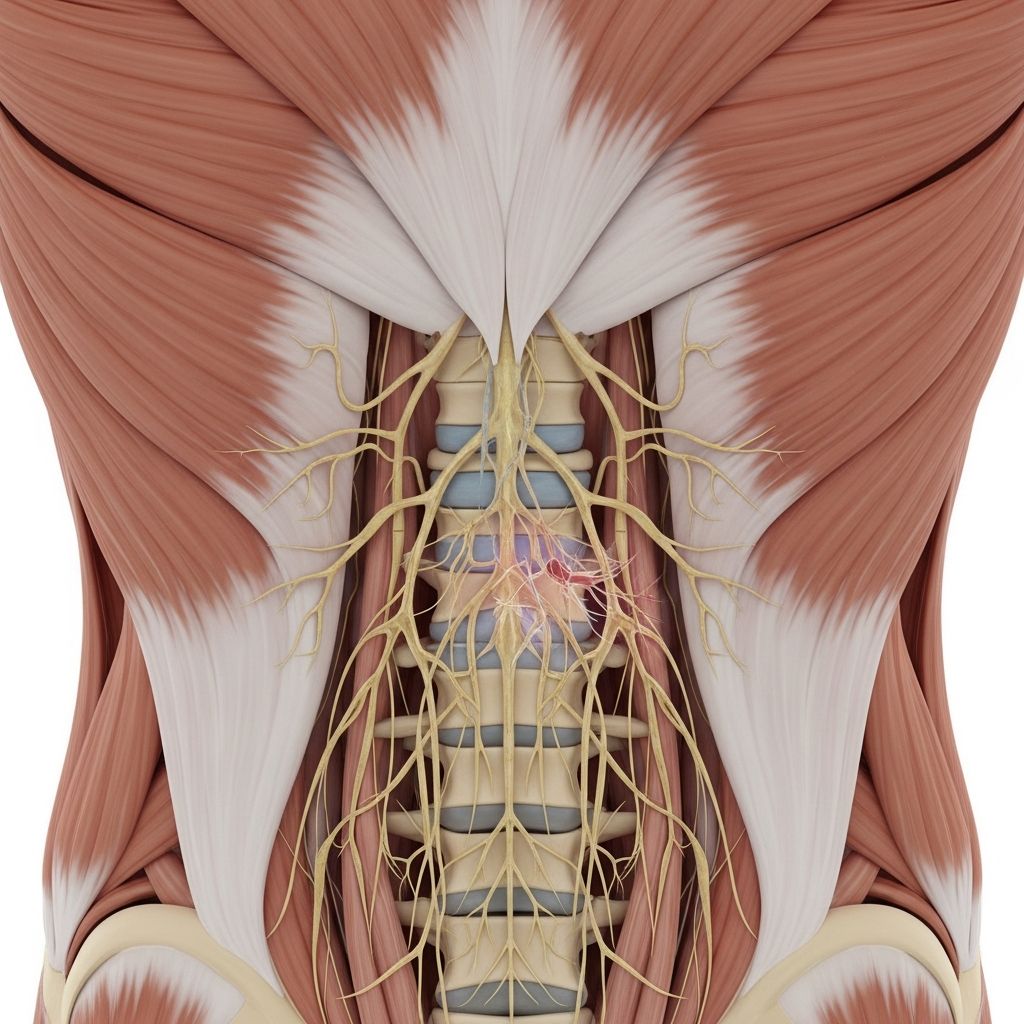
Spinal muscular atrophy (SMA) represents a group of genetic inherited neuromuscular disorders that cause certain muscles to become weak and waste away, a process known as atrophy. This condition affects the lower motor neurons, which are specialized nerve cells located in the spinal cord that control voluntary muscle movement. Without these motor neurons functioning properly, muscles fail to receive the essential nerve signals required for contraction and movement.
SMA involves the progressive loss of lower motor neurons, also called anterior horn cells. These critical nerve cells are responsible for transmitting signals from the brain and spinal cord to the muscles throughout the body. When these neurons degenerate or fail to function, the muscles they control cannot receive movement commands, resulting in progressive weakness and muscle wasting. The weakness in SMA tends to be more severe in the proximal muscles, which are those closest to the center of your body, such as the muscles in the shoulders, hips, and trunk, compared to the distal muscles farther from the body’s center.
Although SMA is considered an uncommon condition, it represents the second most common severe hereditary disease of infancy and childhood after cystic fibrosis. Researchers estimate that SMA affects between 1 in 6,000 to 1 in 11,000 live births, with prevalence varying by ethnicity. The condition is approximately twice as common in white and Asian populations compared to Black and Hispanic populations.
What Causes Spinal Muscular Atrophy?
SMA is fundamentally a genetic condition, meaning the disease results from inherited genes passed down from biological parents to their children. Mutations or changes in the SMN1 gene (survival motor neuron 1) cause all types of spinal muscular atrophy. This gene is responsible for producing the SMN protein, which is essential for the survival and function of motor neurons in the spinal cord.
In individuals with SMA, both copies of the SMN1 gene are defective or missing. This means the body cannot produce sufficient amounts of the SMN protein necessary for proper motor neuron function. Without adequate SMN protein, motor neurons gradually deteriorate and die, leading to the characteristic muscle weakness and wasting associated with the condition.
Interestingly, the severity of SMA is influenced not only by SMN1 mutations but also by the number of copies of the SMN2 gene present. The SMN2 gene is a backup gene that can partially compensate for SMN1 deficiency by producing some functional SMN protein. The more copies of SMN2 you inherit, the more motor neurons are supported and the less severe the condition typically becomes. This genetic variation explains why some individuals with SMA experience milder symptoms and progress more slowly than others.
The Five Types of Spinal Muscular Atrophy
Healthcare providers classify SMA into five distinct subtypes based on the age of symptom onset, severity of muscle weakness, and life expectancy. Understanding these types helps guide treatment decisions and provides families with realistic expectations about disease progression.
Type 0 SMA
Type 0 is the most severe form of SMA, with symptoms appearing before birth or during the neonatal period. Infants with Type 0 SMA experience profound muscle weakness and respiratory difficulties from birth, making this the rarest and most critical form requiring immediate specialized care and intervention.
Type 1 SMA (Infantile-Onset)
Type 1 SMA represents the most severe form of the disease that develops after birth. Signs typically present within the first three to four months of life and may include sucking and swallowing problems, severe progressive muscle weakness, respiratory distress, and difficulty feeding. Infants with Type 1 SMA usually never sit independently. Without treatment, the typical life span is 2-6 years, with death most commonly resulting from respiratory failure due to progressive weakness of the diaphragm and respiratory muscles. Early diagnosis and treatment initiation are crucial for improving outcomes in this severe form.
Related Stories



Type 2 SMA (Intermediate-Onset)
Symptoms of Type 2 SMA appear in children between 6-18 months of age. These children achieve the motor milestone of sitting independently, but they subsequently lose this ability and do not progress to walking. Characterized by progressive generalized muscle weakness and joint contractures, children with Type 2 SMA typically require wheelchair assistance as the disease progresses. Many individuals with Type 2 SMA live into adulthood, though they face increasing mobility challenges and potential respiratory complications.
Type 3 SMA (Late-Onset or Juvenile-Onset)
Type 3 SMA features a later onset of symptoms that progress more slowly than earlier types. The disease typically manifests between 18 months of age and adolescence. Children with Type 3 SMA develop the ability to walk independently, though many gradually lose this skill over time as the disease progresses. Symptoms include progressive clumsiness, increasing difficulty with ambulation, muscle weakness particularly affecting the legs, and fatigue. Patients with Type 3 SMA typically live well into adulthood, making quality-of-life considerations and management of progressive weakness important aspects of long-term care.
Type 4 SMA (Adult-Onset)
Type 4 is the mildest and least common form of SMA, typically affecting adults in their 30s and 40s. This type results in mild to moderate walking disability and much slower disease progression. Many individuals with Type 4 SMA remain ambulatory throughout much of their adult lives, though they may experience gradual increases in weakness and fatigue over time.
Recognizing Symptoms of SMA
The main symptom of SMA across all types is progressive muscle weakness, though the specific muscles affected, age of onset, and progression rate vary significantly depending on the SMA type. The weakness typically affects muscles closest to the center of the body first, including the muscles of the shoulders, hips, back, and trunk.
In Type 1 SMA, symptoms may include poor head control, weak cry, sucking and swallowing difficulties, drooling, respiratory distress, and rapid progression of muscle weakness. Type 2 patients experience progressive muscle weakness affecting movement and posture, while Type 3 patients notice clumsiness, difficulty walking, climbing stairs challenges, and progressive weakness predominantly affecting the legs. Type 4 presents primarily with mild leg weakness that develops insidiously in adulthood.
Over time, children and adults with SMA experience progressive muscle weakness and loss of muscle control. As muscles weaken, particularly the respiratory and trunk muscles, potential complications can develop including scoliosis (abnormal spine curvature), respiratory difficulties and infections, feeding and swallowing problems, joint contractures, and bone loss leading to osteoporosis.
Diagnosing Spinal Muscular Atrophy
Early diagnosis of SMA is critical because as time passes, motor neurons are progressively lost and cannot be restored. Starting treatment early provides the best opportunity for slowing disease progression and preventing irreversible neurological damage.
If a healthcare provider suspects SMA, the primary confirmatory test is genetic testing, specifically a blood test that can identify mutations in the SMN1 gene. This test successfully confirms approximately 95% of SMA cases by detecting problems with the SMN1 gene. Recognizing the importance of early intervention, each of the 50 U.S. states now routinely screens newborns for SMA as part of standard newborn screening programs, allowing for identification of affected infants before symptoms develop.
When symptoms are nonspecific or suggest other neuromuscular disorders, healthcare providers may recommend additional diagnostic tests. These can include electromyography (EMG) to assess electrical activity in muscles, nerve conduction studies, muscle biopsy to examine muscle tissue pathology, or imaging studies to evaluate the spinal cord and brain.
Treatment Options for SMA
Historically, SMA was considered virtually untreatable, with medical management focused primarily on ensuring adequate nutrition, preventing respiratory complications, and maintaining quality of life. This situation changed dramatically between 2016 and 2020 when the U.S. Food and Drug Administration approved several groundbreaking treatments that can significantly improve the course of SMA, including disease-modifying therapies and gene replacement approaches.
FDA-Approved Medications
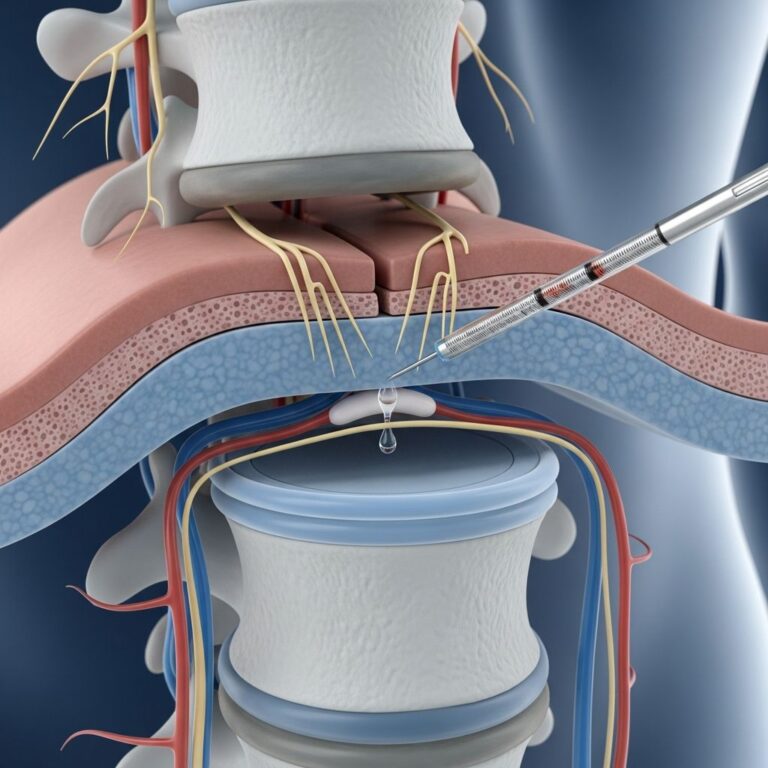
In December 2016, the FDA approved Spinraza (nusinersen), the first prescription drug specifically developed for treating SMA in both adults and children. This medication represents a major milestone in SMA treatment, functioning as an antisense oligonucleotide that is injected directly into the cerebrospinal fluid surrounding the spinal cord. By modifying the splicing of the SMN2 gene transcript, Spinraza allows the body to produce more functional SMN protein from the backup SMN2 gene, thereby supporting motor neuron survival and function.
Spinraza has demonstrated considerable promise, particularly when used to treat infants. Clinical trials have documented improvements in motor milestones including head control, sitting, rolling, crawling, standing, and walking. The medication requires an initial series of injections followed by ongoing maintenance doses to sustain therapeutic benefit.
Subsequently, additional FDA-approved treatments have become available, including onasemnogene abeparvovec (Zolgensma), a gene replacement therapy that delivers a functional copy of the SMN1 gene directly into motor neurons. Gene therapy approaches have shown exceptional promise, particularly when administered early, even before symptoms appear. These newer disease-modifying and gene replacement therapies have been proven to substantially improve survival outcomes in SMA Type 1 and other severe forms of the disease.
Supportive Care and Management
Beyond disease-modifying medications, comprehensive SMA management includes multidisciplinary supportive care addressing respiratory function, nutritional status, musculoskeletal complications, and quality of life. Respiratory support may range from non-invasive ventilation to tracheostomy in severe cases. Physical therapy and occupational therapy help maintain mobility, prevent contractures, and support developmental milestones. Nutritional support ensures adequate caloric intake and prevents feeding-related complications.
Orthopedic interventions may be necessary to address scoliosis and joint contractures that develop secondary to progressive muscle weakness. Regular monitoring by a specialized care team helps identify and prevent potential complications before they become serious problems.
Clinical Trials and Future Directions
Individuals with SMA may be eligible to participate in clinical trials investigating novel therapeutic approaches. Clinical trials continue to evaluate new treatments, combination therapies, and long-term outcomes of existing medications. Families interested in clinical trial participation should discuss this option with their child’s healthcare team to determine eligibility and potential benefits.
Prognosis and Life Expectancy
The prognosis for someone with SMA varies substantially based on the specific subtype. Life expectancy correlates directly with disease severity: Type 0 typically results in death within the first year; Type 1 usually has a lifespan of 2-6 years without treatment; Type 2 patients frequently live into adulthood; Type 3 patients typically experience normal or near-normal life expectancy; and Type 4 patients generally have normal life expectancy.
It is important to note that disease-modifying and gene replacement therapies have been proven to substantially improve survival in SMA Type 1. With access to these modern treatments initiated early, outcomes have improved dramatically, with some Type 1 patients now achieving motor milestones and survival previously considered impossible. Healthcare teams can provide more specific prognostic information based on individual circumstances including SMA type, number of SMN2 gene copies, and treatment initiation timing.
Frequently Asked Questions
Q: Is spinal muscular atrophy inherited?
A: Yes, SMA is an autosomal recessive genetic condition, meaning both parents must carry a mutation in the SMN1 gene for a child to be affected. Each parent typically has one mutated copy but remains unaffected, as one working copy usually provides sufficient SMN protein. When both parents are carriers, there is a 25% chance with each pregnancy that their child will have SMA.
Q: Can SMA be prevented?
A: While SMA cannot be prevented if both parents are carriers, genetic counseling can help families understand inheritance risks. Newborn screening now available in all U.S. states allows early detection and treatment initiation before symptoms develop, significantly improving outcomes when early intervention is possible.
Q: How is SMA diagnosed in newborns?
A: All 50 states now perform newborn screening that includes testing for SMA. The screening uses a blood sample collected from a newborn’s heel prick and looks for genetic markers associated with SMA. Positive screening results are followed by confirmatory genetic testing to identify SMN1 mutations.
Q: Are people with SMA cognitively affected?
A: No, SMA does not affect cognitive function. People with SMA have normal intelligence and cognitive abilities. The disease specifically affects motor neurons and muscle strength, not brain function or intellectual development.
Q: What is the role of SMN2 gene copies in SMA severity?
A: The number of SMN2 gene copies significantly influences SMA severity. More SMN2 copies produce additional functional SMN protein, which supports motor neuron survival and correlates with milder disease and achievement of more motor milestones. Genetic testing can determine SMN2 copy number to help predict disease progression.
Q: How effective are the new SMA treatments?
A: FDA-approved treatments including Spinraza and gene therapies have dramatically improved outcomes, particularly when started early or even before symptoms develop. Many children with Type 1 SMA receiving early treatment now achieve motor milestones and survival previously considered impossible with the disease.
Q: Can adults develop SMA?
A: Yes, Type 4 SMA typically develops in adults during their 30s and 40s, presenting with mild to moderate progressive leg weakness and relatively slow disease progression. Adults may remain ambulatory for many years with Type 4 SMA.
References
- Spinal Muscular Atrophy (SMA) – Cleveland Clinic — Cleveland Clinic. 2024. https://my.clevelandclinic.org/health/diseases/14505-spinal-muscular-atrophy-sma
- Spinal Muscular Atrophy | Pediatric Neurology | Cleveland, OH — University Hospitals Rainbow Babies & Children’s Hospital. 2024. https://www.uhhospitals.org/rainbow/services/pediatric-neurology/conditions-and-treatments/spinal-muscular-atrophy
- Adjustments for Children Living With SMA — Health Cleveland Clinic. 2024. https://health.clevelandclinic.org/living-with-sma
- Spinal Muscular Atrophy: Alexandra Bonner, MD discusses diagnosis and treatment considerations — Cleveland Clinic Neuro Pathways Podcast. 2024. https://my.clevelandclinic.org/podcasts/neuro-pathways/spinal-muscular-atrophy
- Tips for Caregivers of Children With SMA — Health Cleveland Clinic. 2024. https://health.clevelandclinic.org/sma-caregiver-tips
Similar Articles








Read full bio of Sneha Tete