Spinning: Heart, Joints and Total Body Fitness
Discover how spinning benefits your cardiovascular health while protecting your joints.
Spinning: A Complete Guide to Heart, Joints, and Overall Fitness
In today’s fitness landscape, finding an exercise that effectively strengthens your cardiovascular system while protecting your joints can feel like searching for a needle in a haystack. However, spinning—indoor stationary cycling performed to music in a group setting—offers a compelling solution that addresses both concerns simultaneously. This low-impact yet highly effective workout has gained tremendous popularity among fitness enthusiasts, athletes, and health-conscious individuals seeking a sustainable, enjoyable way to achieve their fitness goals.
The beauty of spinning lies in its remarkable versatility. Whether you’re a seasoned athlete looking to cross-train, someone recovering from an injury, or a beginner embarking on your fitness journey, spinning accommodates all fitness levels while delivering measurable results. The combination of cardiovascular benefits, muscular strength development, and joint-friendly mechanics makes spinning an increasingly popular choice among personal trainers, physical therapists, and fitness professionals.
Understanding Spinning: More Than Just Indoor Cycling
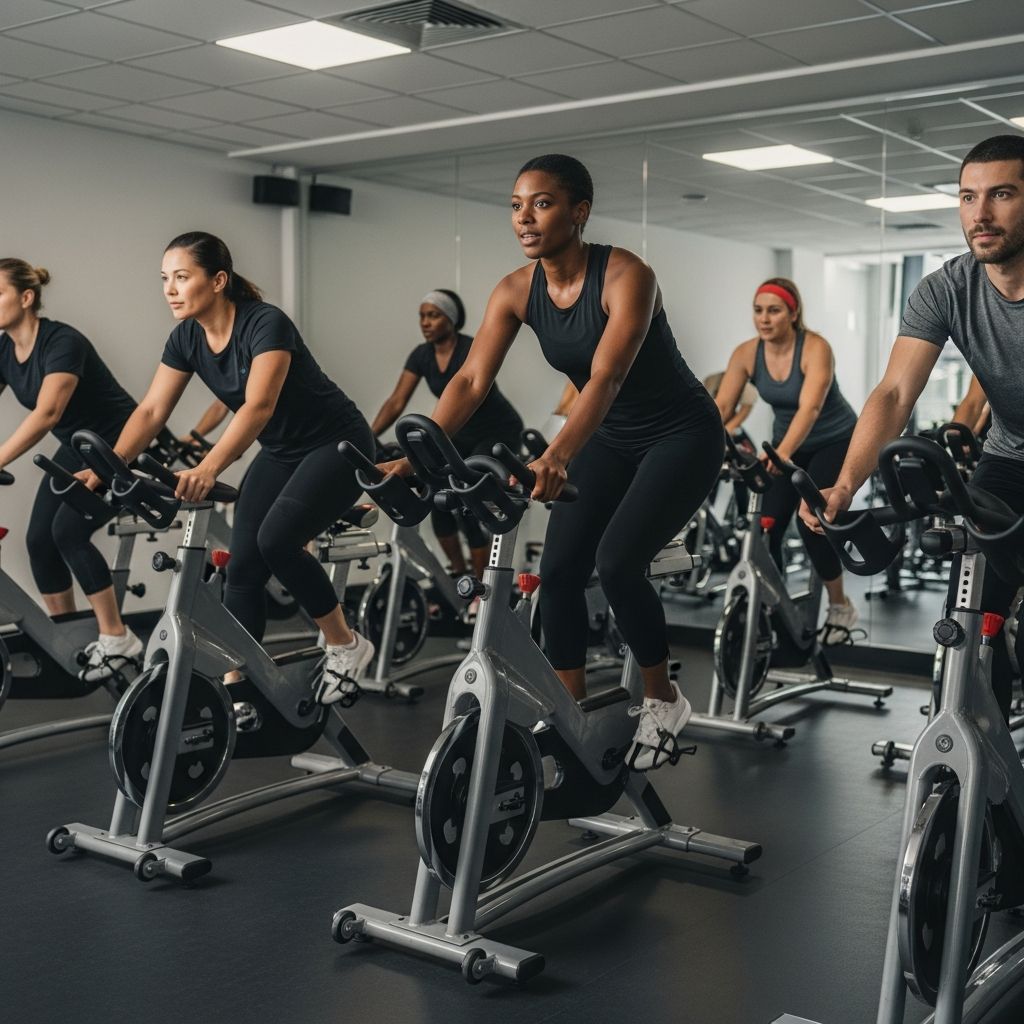
Spinning represents far more than casual cycling on a stationary bike. It’s a structured, rhythmic cardiovascular workout performed in a group environment, typically synchronized to energetic music and guided by an instructor. During a typical spinning class, participants adjust resistance levels on their stationary bikes to create an experience ranging from light recovery rides to intense interval training sessions that challenge even the most experienced athletes.
The stationary bikes used in spinning studios feature weighted flywheels that create smooth, consistent pedaling resistance. This mechanical design differs significantly from traditional stationary bikes, offering a more authentic cycling experience and enabling riders to engage multiple muscle groups effectively. The adjustable seat height, handlebar position, and toe cage accommodations ensure that participants of virtually any body type and fitness level can find a comfortable, biomechanically sound position.
Cardiovascular Benefits: Strengthening Your Heart
Among the most significant advantages of spinning is its remarkable effectiveness for cardiovascular conditioning. Spinning represents a form of aerobic exercise that elevates heart rate into the target zone, typically between 70 and 85 percent of maximum heart rate during moderate-intensity sessions, or higher during high-intensity interval training. This sustained elevation of heart rate over 45 to 60 minutes produces substantial cardiovascular adaptations.
Regular spinning participation strengthens the heart muscle itself, enabling it to pump blood more efficiently throughout the body. This improved cardiac efficiency translates into a lower resting heart rate—a key indicator of cardiovascular fitness. Additionally, spinning helps improve circulation, enhance oxygen delivery to tissues, and support healthy blood pressure levels. The cardiovascular benefits extend beyond the duration of the workout; consistent spinning participation improves aerobic capacity, allowing individuals to perform daily activities with less effort and fatigue.
For individuals concerned about heart disease prevention, spinning offers substantial protective benefits. Regular aerobic exercise like spinning reduces risk factors associated with cardiovascular disease, including high blood pressure, elevated cholesterol levels, and excess body weight. The American Heart Association recommends at least 150 minutes of moderate-intensity aerobic exercise weekly for adults, and spinning classes provide an enjoyable, sustainable way to meet this guideline.
Joint-Friendly Exercise: Protecting Your Body
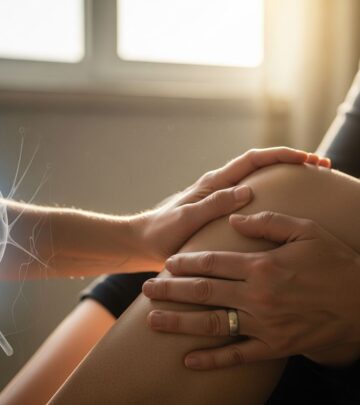
One distinguishing characteristic that sets spinning apart from many other cardiovascular activities is its remarkably low-impact nature. Unlike running, which involves repeated impact forces that can stress knee, ankle, and hip joints, spinning eliminates the jarring contact with the ground. The seated position on the stationary bike, combined with smooth, circular pedaling motions, protects joints while still delivering substantial training benefits.
This low-impact characteristic makes spinning particularly valuable for several populations. Individuals with arthritis, those recovering from joint injuries, people with existing joint pain, and athletes seeking active recovery options all benefit from spinning’s gentle yet effective approach. The adjustable resistance allows participants to control intensity without stressing joints, enabling gradual progression as fitness improves.
Physical therapists frequently recommend spinning for rehabilitation and injury prevention because the controlled environment and adjustable intensity allow for precise management of training loads. Patients recovering from knee surgery, hip problems, or other joint issues can return to cardiovascular training without risking re-injury. The consistent, predictable motion pattern of stationary cycling also promotes proper movement mechanics, helping athletes develop stronger stabilizer muscles that protect joints.
Building Lower Body Strength and Muscle
Beyond cardiovascular conditioning, spinning effectively builds and strengthens lower body muscles. The primary muscles engaged during spinning include the quadriceps (front thigh), hamstrings (back thigh), glutes (buttocks), and calves. The resistance adjustments available on spinning bikes enable participants to emphasize different muscle groups and training goals.
During higher-resistance, lower-cadence segments, spinning generates significant muscular strength development, creating resistance-training-like adaptations in leg muscles. During lower-resistance, higher-cadence segments, participants develop muscular endurance and power. This combination produces well-rounded lower body development that enhances functional fitness for daily activities and athletic performance.
For weight lifters and strength athletes, spinning serves as an excellent cross-training tool. While resistance training develops muscular strength and size, it doesn’t substantially develop aerobic capacity. Integrating spinning into a strength-training program improves cardiovascular fitness, promotes recovery, and reduces injury risk by addressing muscular imbalances. The unilateral nature of spinning—engaging both legs equally—also helps identify and correct strength asymmetries common in weightlifters.
Caloric Expenditure and Weight Management
Spinning delivers impressive caloric expenditure, making it an effective tool for weight management and fat loss. The intensity of spinning workouts—particularly high-intensity interval training formats—creates substantial energy demands. A typical 45-minute spinning session can burn between 400 and 600 calories, depending on individual body weight, fitness level, and workout intensity. For individuals weighing more, caloric expenditure increases proportionally.
Beyond immediate caloric burn during the workout itself, spinning produces lasting metabolic effects. The high-intensity nature of many spinning classes creates an oxygen debt that elevates metabolism for hours after the workout ends—a phenomenon known as excess post-exercise oxygen consumption (EPOC) or the afterburn effect. This means calorie burning continues even after you’ve left the studio.
For comprehensive weight management, spinning combines effectively with strength training and balanced nutrition. The combination of cardiovascular calorie expenditure during spinning and metabolic elevation from strength training creates a powerful environment for sustainable fat loss while preserving muscle tissue.
Reduced Injury Risk Through Proper Form and Technique
The structured environment of guided spinning classes, with certified instructors providing real-time form corrections, helps participants maintain proper technique and minimize injury risk. Unlike outdoor cycling or self-directed workouts, spinning classes include consistent coaching on bike setup, seat positioning, and pedaling mechanics.
Proper bike setup proves absolutely critical for injury prevention. Seat height should position the knee at approximately 25 to 35 degrees of bend when the pedal is at its lowest point. Seat position—forward or backward—affects hip and knee angles and loading patterns. Handlebar height and reach influence spinal posture and weight distribution. Instructors trained in proper bike fitting help participants optimize these settings before class begins, preventing compensatory movement patterns that lead to injury.
Additionally, the controlled resistance environment allows riders to progress gradually without sudden increases in loading that predispose to overuse injuries. Participants control their own resistance levels, enabling appropriate self-pacing that respects individual fitness and recovery status.
Mental Health and Psychological Benefits
Beyond physical benefits, spinning offers substantial psychological advantages. The rhythmic, repetitive nature of pedaling combined with motivating music and encouraging instructors creates an engaging mental experience. Many participants describe spinning classes as meditative or flow states—periods of complete mental engagement where worries and stressors fade into the background.
The community aspect of group spinning classes contributes significantly to psychological well-being. Exercising alongside others creates accountability, motivation, and social connection. For individuals struggling with motivation or social isolation, the group environment makes consistency easier and more enjoyable. Regular exercise participation, including spinning, reduces symptoms of depression and anxiety while improving overall mood and life satisfaction.
The music-synchronized, instructor-guided format of spinning also reduces cognitive load compared to self-directed workouts. Participants don’t need to determine their own workout structure or intensity progression; the instructor provides this guidance, allowing mental energy to focus on effort and enjoyment rather than planning.
Spinning for Different Populations and Goals
Athletes and Cross-Training
For athletes engaged in sports requiring lower body power and strength—such as running, soccer, basketball, and tennis—spinning provides valuable cross-training. It improves aerobic capacity without the joint stress of running, develops muscular endurance in the lower body, and promotes active recovery between intense training sessions.
Injury Recovery and Rehabilitation
Individuals recovering from injuries, particularly those involving the lower extremities or joints, benefit substantially from spinning’s low-impact nature. Physical therapists frequently recommend spinning for gradual return to cardiovascular training after injury or surgery. The adjustable intensity allows precise progression from very light activity to full-intensity workouts.
Beginners and Fitness Novices
Despite its capacity for intense training, spinning welcomes complete beginners. New participants can select lower resistance, maintain comfortable cadence, and progress gradually as fitness improves. Many spinning studios specifically offer beginner-focused classes with extra instruction and encouragement, creating a judgment-free environment for starting a fitness journey.
Weight Management and Fat Loss
For individuals focused on weight loss, spinning’s combination of high caloric expenditure, metabolic elevation, and sustainability makes it an excellent primary or complementary exercise. The enjoyable group environment increases adherence compared to solo cardio workouts, supporting long-term consistency essential for lasting weight management.
Maximizing Results: Combining Spinning with Complementary Exercises
While spinning delivers comprehensive benefits, research supports the value of balanced fitness programming that includes strength training and flexibility work. A complete fitness program addressing cardiovascular endurance, muscular strength, and flexibility produces superior overall health outcomes and prevents compensatory movement patterns.
Strength training performed on non-spinning days develops muscle groups not extensively engaged by spinning, such as the upper body and core stabilizers. This balanced approach prevents muscular imbalances and functional limitations. Additionally, dedicated flexibility training and stretching—whether through dedicated yoga classes, foam rolling, or static stretching—enhances recovery, improves range of motion, and prevents tightness that develops from repetitive pedaling.
Many fitness professionals recommend a weekly schedule incorporating two to four spinning sessions combined with two to three strength-training sessions and regular stretching or yoga. This balanced approach maximizes results while allowing adequate recovery between intense efforts.
Frequently Asked Questions About Spinning
Is spinning appropriate for individuals with knee pain?
Spinning is often recommended for individuals with knee pain because the low-impact nature protects joints while maintaining cardiovascular fitness. However, individuals should consult healthcare providers or physical therapists before beginning any new exercise program, particularly when existing pain is present. Proper bike setup and gradual progression prove critical for pain-free participation.
How often should someone spin to see results?
Research suggests that three to four spinning sessions weekly, combined with proper nutrition and adequate recovery, produces noticeable cardiovascular and muscular improvements within four to six weeks. Beginners may start with two sessions weekly and gradually increase frequency as fitness improves and recovery capacity develops.
Can spinning build significant leg muscle?
While spinning builds and tones leg muscles, it produces less dramatic hypertrophy compared to dedicated strength training with heavy resistance. However, combining regular spinning with resistance exercises targeting the legs produces substantial muscular development. Spinning excels at building muscular endurance and creating toned, defined legs.
What makes spinning more effective than outdoor cycling?
Spinning’s controlled environment, consistent intensity, motivating instruction, and community atmosphere create advantages for many people compared to outdoor cycling. However, both activities provide excellent cardiovascular and muscular benefits. Personal preference, schedule, and individual goals should guide the choice between spinning and outdoor cycling.
Is spinning suitable for people with arthritis?
Spinning’s low-impact nature makes it suitable for many individuals with arthritis. The smooth, controlled motion doesn’t stress joints the way running or jumping does. Individuals with arthritis should work with healthcare providers to determine appropriate intensity levels and ensure proper bike setup, but many find spinning enables pain-free cardiovascular training.
Getting Started with Spinning
Beginning a spinning practice requires minimal equipment—comfortable athletic clothing and appropriate footwear suffice, with clip-in cycling shoes providing optional performance enhancement. Most spinning studios provide shoes, or participants can wear regular athletic shoes with cage-style pedals.
First-time participants should arrive early to allow adequate time for bike setup and instructor orientation. Communicating fitness level and any existing injuries or limitations to the instructor ensures appropriate guidance and modifications. Most studios recommend starting with one or two classes weekly, gradually increasing frequency as fitness and recovery capacity develop.
Beginning with lower-intensity classes or beginner-focused sessions helps participants develop proper technique, build base fitness, and prevent overuse injuries that result from progressing too rapidly. As fitness improves over weeks and months, participants naturally progress to higher-intensity classes and longer workout durations.
Conclusion: Why Spinning Deserves Your Attention
Spinning represents a remarkable intersection of effectiveness and accessibility. It strengthens your cardiovascular system, builds lower body strength and muscle, protects your joints through low-impact mechanics, and delivers impressive caloric expenditure for weight management. The engaging group environment, motivating instruction, and customizable intensity create an exercise experience that promotes adherence and long-term consistency.
Whether your goal involves cardiovascular conditioning, weight management, athletic cross-training, or injury recovery, spinning provides a valuable tool. The evidence supporting spinning’s effectiveness for heart health, joint preservation, and overall fitness continues to accumulate. Combined with proper form, appropriate progression, and complementary strength and flexibility training, spinning can become a cornerstone of a sustainable, enjoyable approach to lifelong health and fitness.
References
- Spinning Class Benefits for Weight Lifters — Harvard Medical School. 2004. https://www.bu.edu/articles/2025/miniature-beating-hearts-christopher-chen/
- Spinning: Good for the Heart and Muscles, Gentle on Joints — Chicago Health Online. 2024. https://chicagohealthonline.com/spinning-good-for-hearts-muscles-joints/
- Exercise 101: Don’t Skip the Warm-up or Cool-down — Harvard Health Publishing. July 20, 2020. https://www.health.harvard.edu/
- Strength Training and Aerobic Exercise: Compare and Contrast — Journal of Strength and Conditioning Research, Vol. 21, No. 3. 2007. https://journals.lww.com/nsca-jscr/
- The Importance of Stretching — Harvard Health Publishing. April 17, 2024. https://www.health.harvard.edu/
- Prevent Injuries with Proper Form During Workouts — Health Promotion Board Singapore. June 28, 2021. https://www.healthhub.sg/
Similar Articles








Read full bio of medha deb