Spironolactone (Aldactone): Uses, Dosage & Side Effects Guide
Comprehensive guide to Spironolactone (Aldactone): uses for heart failure, oedema, side effects, dosage, and precautions for safe treatment.
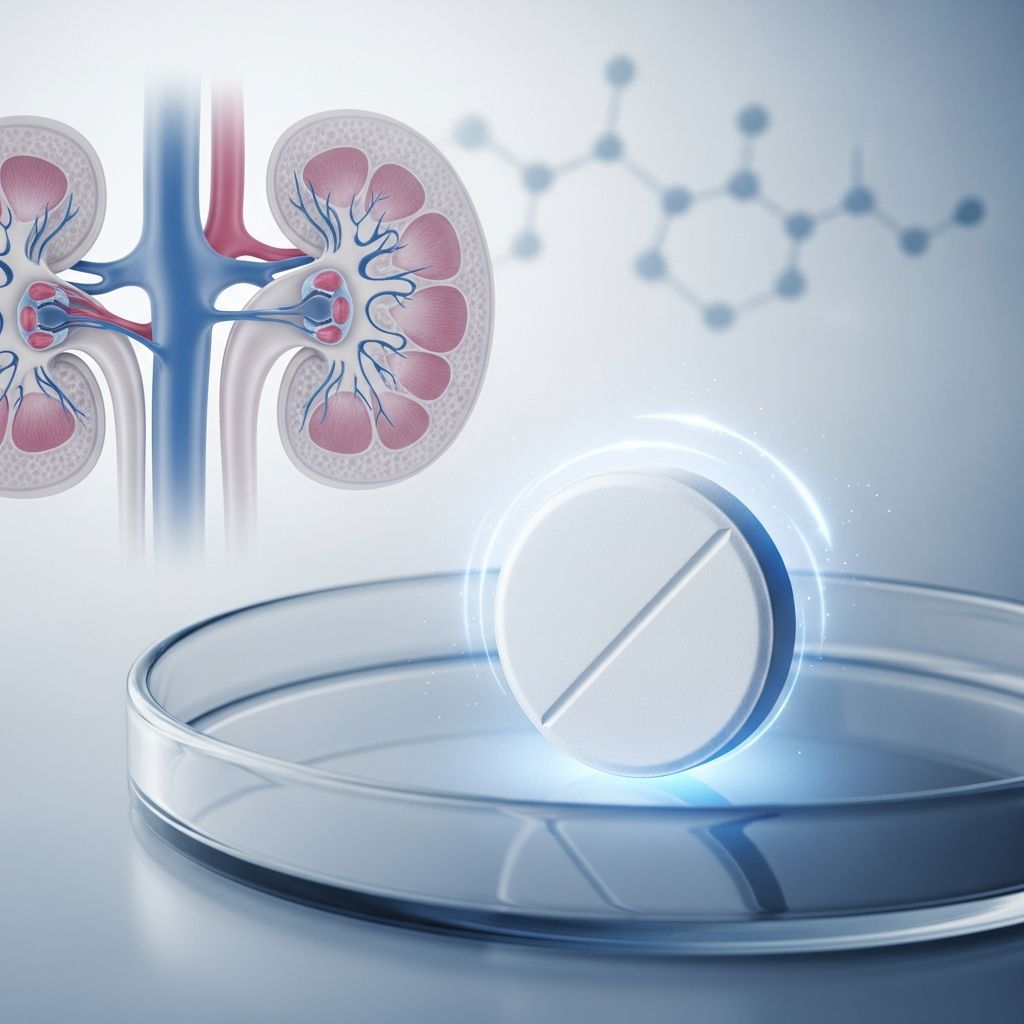
Spironolactone, sold under the brand name Aldactone, is a potassium-sparing diuretic medication primarily used to treat fluid retention (oedema) associated with heart failure, liver disease, kidney problems, and other conditions. It works by blocking the action of aldosterone, a hormone that causes the body to retain salt and water, thereby increasing urine production while conserving potassium.
About spironolactone
Spironolactone belongs to a class of drugs known as aldosterone antagonists or potassium-sparing diuretics. Oedema occurs when fluid leaks from blood vessels into surrounding tissues, leading to swelling in the legs, ankles, feet, or lungs, which can cause breathlessness or puffiness. By competing with aldosterone at receptor sites in the kidneys, spironolactone promotes the excretion of sodium and water while retaining potassium, making it effective for edematous states like congestive heart failure, hepatic cirrhosis with ascites, nephrotic syndrome, and malignant ascites.
It is also indicated for the diagnosis and treatment of primary hyperaldosteronism, where the adrenal glands produce excessive aldosterone. In heart failure management, studies such as the RALES trial demonstrated that spironolactone reduced the risk of death from progressive heart failure by 31% and hospitalization for cardiac causes when added to standard therapy including ACE inhibitors and loop diuretics.
Spironolactone is often combined with other diuretics like furosemide (in Lasilactone®) or hydroflumethiazide (in Aldactide®) to enhance efficacy and reduce tablet burden. Unlike loop or thiazide diuretics, it minimizes potassium loss, but requires monitoring to avoid hyperkalemia.
Before taking spironolactone
Before starting spironolactone, inform your doctor if you have any of the following conditions, as it may not be suitable:
- Problems with your kidneys, including acute renal insufficiency, significant renal compromise, or anuria.
- High levels of potassium in your blood (hyperkalemia).
- Adrenal gland issues, such as Addison’s disease.
- Severe liver problems, as it can precipitate hepatic coma.
- Electrolyte imbalances, like low sodium, chloride, or magnesium.
- Prostate cancer, due to potential increase in prostate-specific antigen (PSA) levels.
- A rare blood disorder called porphyria.
Spironolactone is contraindicated in hypersensitivity to the drug or concomitant use with eplerenone. Caution is advised with other potassium-sparing diuretics, ACE inhibitors, ARBs, NSAIDs, heparin, or potassium supplements, as they increase hyperkalemia risk. Patients should avoid high-potassium foods and supplements.
Pregnancy and breastfeeding: It may harm the unborn baby (feminization of male fetuses) and passes into breast milk; consult your doctor. For surgery or dental procedures, inform the practitioner, as it reduces vascular responsiveness to noradrenaline.
How to take spironolactone
Always follow your doctor’s instructions and read the manufacturer’s leaflet for full details on spironolactone and side effects. Tablets are typically taken with or just after a meal to improve absorption.
Dosage: Varies by condition; usual adult range is 25-200 mg daily, often as a single dose, but up to 400 mg in severe cases. Specific guidelines include:
| Condition | Typical Adult Dose |
|---|---|
| Congestive heart failure | 25-100 mg/day, often 26 mg average in trials |
| Nephrotic syndrome | 100-200 mg/day |
| Primary hyperaldosteronism (diagnosis) | 100-400 mg/day |
| Hepatic cirrhosis with ascites | 100 mg/day, adjustable |
Related Stories



Take once daily, preferably no later than mid-afternoon to avoid nighttime urination. If multiple doses, last one by 6 pm. For children, dose is determined by a doctor.
Missed dose: Take as soon as remembered unless after 6 pm, then skip and resume next day. Never double dose.
Treatment is usually long-term. Inform pharmacists before buying over-the-counter medicines, and tell healthcare providers about all medications, including herbals.
Getting the most from your treatment
To optimize spironolactone’s benefits:
- Monitor weight daily; report sudden gains indicating fluid retention.
- Follow a low-salt diet to enhance diuretic effect, but maintain normal potassium intake unless advised otherwise.
- Regular blood tests for potassium, sodium, kidney function, and electrolytes are essential, especially early in treatment.
- Avoid alcohol, as it can worsen dizziness.
- Do not stop suddenly without medical advice, particularly in heart failure.
In heart failure, combining with ACE inhibitors, loop diuretics, digoxin, or beta-blockers is common, as shown in clinical studies.
Side-effects
Common side effects are usually mild and improve over time. Contact your doctor if severe or persistent.
| Side Effect | What to Do |
|---|---|
| Feeling sick (nausea/vomiting) | Stick to simple meals; avoid rich/spicy foods |
| Tiredness, dizziness, sleepiness | Avoid driving/tools until better |
| Sexual problems, breast enlargement/discomfort, irregular periods, confusion, sweating, cramps, hair loss/growth, rash | Speak to doctor if troublesome |
| High potassium (hyperkalemia: muscle weakness, irregular heartbeat) | Seek urgent care; stop drug |
| Dehydration (thirst, dry mouth, reduced urine) | Drink fluids; consult doctor |
Serious risks include gynecomastia (menstrual irregularities/breast tenderness in women), severe hyperkalemia, and renal impairment. Monitor PSA in prostate cancer patients and mitotane levels in adrenocortical carcinoma. Report yellowing skin/eyes, severe stomach pain, or bruising.
How to cope with side effects
Nausea: Eat smaller, frequent meals; ginger tea may help.
Dizziness: Rise slowly from sitting/lying; stay hydrated.
Breast changes: Dose reduction or alternative may be needed; common at higher doses (>100 mg).
Hyperkalemia symptoms: Avoid bananas, oranges, potatoes; regular lab checks crucial.
If side effects persist, your doctor may adjust dose or switch medications.
Precautions
- Regular monitoring of electrolytes, renal function, and blood pressure.
- Cautious use in elderly or those with diabetes, as hyperkalemia risk rises.
- Avoid in severe kidney disease (creatinine >4 mg/dL).
- Drug interactions: Reduce doses of antihypertensives when starting; avoid with abiraterone.
Other things to know
Spironolactone is available as tablets (25 mg, 50 mg, 100 mg) or liquid for children. Store at room temperature. Overdose symptoms include drowsiness, confusion, rash—seek emergency help. In trials, low doses (26 mg) with loop diuretics were safe and effective in severe heart failure.
Frequently Asked Questions (FAQs)
Q: What is spironolactone used for?
A: Primarily for oedema in heart failure, liver cirrhosis, nephrotic syndrome, and primary hyperaldosteronism; also hypertension.
Q: Does spironolactone cause weight gain?
A: No, it reduces fluid-related weight gain; monitor for hyperkalemia-related issues.
Q: Can I drink alcohol on spironolactone?
A: Limit alcohol, as it worsens dizziness and dehydration.
Q: How long does it take to work?
A: Diuretic effect within hours; full benefits in days to weeks for heart failure.
Q: Is spironolactone safe long-term?
A: Yes, with monitoring; proven in long-term heart failure studies.
References
- Spironolactone (Aldactone) — Patient.info. 2023. https://patient.info/medicine/spironolactone-aldactone
- ALDACTONE® (spironolactone) Labeling — Pfizer. 2023-05-01. https://labeling.pfizer.com/ShowLabeling.aspx?id=12268
- Spironolactone (oral route) — Mayo Clinic. 2024-01-01. https://www.mayoclinic.org/drugs-supplements/spironolactone-oral-route/description/drg-20071534
- Aldactone (spironolactone) Tablets Label — U.S. Food and Drug Administration. 2012-05-31. https://www.accessdata.fda.gov/drugsatfda_docs/label/2012/012151s068lbl.pdf
- Spironolactone — MedlinePlus, U.S. National Library of Medicine. 2023. https://medlineplus.gov/druginfo/meds/a682627.html
Similar Articles








Read full bio of Sneha Tete