Spironolactone: 5 Key Uses, Dosage, And Side Effects
Comprehensive insights into spironolactone: uses, benefits, risks, and patient guidance for safe management.
Spironolactone stands out as a multifaceted medication primarily recognized for its diuretic properties and hormone-modulating effects. By antagonizing aldosterone, a hormone that influences fluid balance and electrolyte levels, it plays a crucial role in managing various cardiovascular and endocrine conditions. This guide delves into its therapeutic applications, mechanisms, administration guidelines, potential adverse effects, and essential precautions, empowering patients and caregivers with reliable knowledge.
Mechanisms of Action: How Spironolactone Works
At its core, spironolactone functions as a competitive aldosterone receptor antagonist. Aldosterone typically promotes sodium retention and potassium excretion in the kidneys. By blocking this hormone, spironolactone facilitates sodium and water excretion while conserving potassium, leading to reduced fluid overload and blood pressure lowering. This potassium-sparing effect distinguishes it from other diuretics that may deplete potassium levels.
Beyond diuresis, spironolactone exhibits anti-androgenic properties by inhibiting dihydrotestosterone binding to receptors, which proves beneficial in conditions involving excess androgen activity, such as acne and hirsutism in women. In cardiovascular contexts, it mitigates myocardial fibrosis and ventricular remodeling, contributing to improved heart function.
Primary Therapeutic Uses
Spironolactone addresses a spectrum of conditions, from heart-related issues to hormonal imbalances. Its versatility stems from its dual action on fluid dynamics and hormonal pathways.
Management of Heart Failure
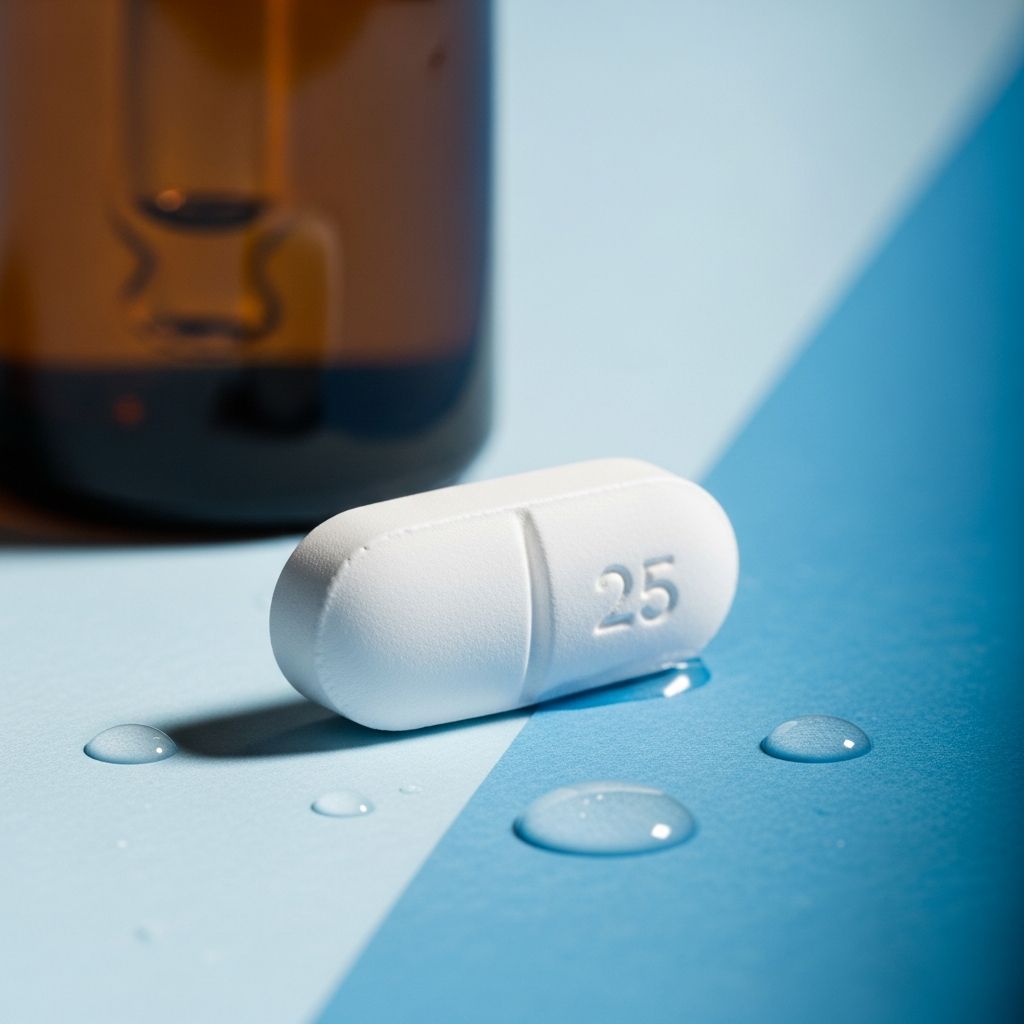
In heart failure with reduced ejection fraction (HFrEF), spironolactone reduces hospitalization risks, enhances survival, and prevents cardiac tissue damage by countering aldosterone’s harmful effects. It is typically prescribed alongside other agents like ACE inhibitors, starting at 25 mg daily. Evidence supports its use even in heart failure with preserved ejection fraction (HFpEF) for reducing fibrosis, though not yet standard.
Control of Hypertension
For resistant hypertension, spironolactone serves as an effective add-on therapy, outperforming alternatives like bisoprolol in lowering systolic pressure. It counters potassium loss from other diuretics and is particularly useful when standard treatments fall short.
Addressing Fluid Retention (Edema)
Edema from liver cirrhosis or nephrotic syndrome responds well to spironolactone, especially when combined with other diuretics like metolazone, mitigating hypokalemia risks. It targets stubborn fluid buildup in legs, abdomen, or face unresponsive to dietary restrictions.
Primary Hyperaldosteronism
This condition, often due to adrenal tumors, elevates aldosterone levels. Spironolactone controls symptoms pre-surgery at 100-400 mg daily or long-term at minimal effective doses if surgery is not feasible.
Hormonal and Dermatological Applications
Off-label, spironolactone treats acne, hirsutism, and androgenetic alopecia in women by curbing sebum production and androgen effects, with improvements visible in 3-6 months. It also aids in transgender hormone therapy to suppress testosterone.
Dosage Recommendations and Administration
Dosing varies by indication and patient factors like renal function. Always follow prescriber directives.
| Condition | Typical Starting Dose | Maximum Dose | Frequency |
|---|---|---|---|
| Heart Failure | 25 mg | 50 mg | Once daily |
| Hypertension | 25-50 mg | 100 mg | Once or twice daily |
| Edema (Cirrhosis/Nephrotic) | 100 mg | 400 mg | Divided doses |
| Hyperaldosteronism | 100 mg | 400 mg | Divided doses |
| Acne/Hirsutism (Off-label) | 50-100 mg | 200 mg | Once daily |
Related Stories



Take with food to enhance absorption and reduce stomach upset. Monitor electrolytes regularly, especially potassium.
Potential Side Effects: What to Watch For
While generally well-tolerated, spironolactone can cause a range of effects due to its impact on electrolytes and hormones.
Common Side Effects
- Hyperkalemia (elevated potassium), often mild
- Hyponatremia (low sodium)
- Breast tenderness or enlargement (gynecomastia in men)
- Muscle cramps, particularly nocturnal leg cramps
- Increased urination
- Irregular menses or reduced libido
- Fatigue, dizziness, headache
- Gastrointestinal issues like nausea or diarrhea
Serious Adverse Reactions
- Severe hyperkalemia leading to arrhythmias
- Dehydration or profound electrolyte shifts
- Gastrointestinal bleeding
- Confusion, ataxia, or kidney impairment
- Severe rashes or allergic reactions
Leg cramps often resolve with hydration and time; persistent issues warrant medical review. Hormonal effects like breast pain may lessen with hormonal contraceptives in women.
Precautions, Contraindications, and Interactions
Certain conditions heighten risks. Avoid in Addison’s disease, as it exacerbates aldosterone deficiency. Contraindicated with eplerenone due to compounded effects on potassium and blood pressure.
Monitor renal function and potassium closely in chronic kidney disease, though tolerable with oversight. Pregnancy category C/D; potential feminizing effects on male fetuses necessitate contraception.
Drug interactions include:
- Potassium supplements or ACE inhibitors: amplify hyperkalemia risk
- NSAIDs: may reduce diuretic efficacy
- Lithium: increased toxicity potential
Special Populations: Pediatrics, Elderly, and Pregnancy
In children, used for fluid overload or hypertension, dosed by weight. Elderly patients require lower starting doses due to renal decline risks. Not recommended in pregnancy; effective contraception advised.
Monitoring and Lifestyle Advice
Regular blood tests for potassium, sodium, renal function, and blood pressure are essential, especially initially. Maintain hydration, limit salt, and avoid potassium-rich foods if hyperkalemia develops. Lifestyle synergies include low-sodium diets and exercise for hypertension and heart failure.
Frequently Asked Questions (FAQs)
Can spironolactone cause weight changes?
Initial fluid loss may reduce weight, but hormonal effects could lead to minor gains from breast tissue. Monitor with your doctor.
How long until acne improves on spironolactone?
Typically 3 months for noticeable results, up to 6 for full effect.
Does it affect male fertility?
Possible libido reduction or erectile issues, usually reversible upon discontinuation.
Can I drink alcohol while taking it?
Moderation advised; alcohol may exacerbate dizziness or dehydration.
What if I miss a dose?
Take as soon as remembered unless near next dose; do not double up.
Long-Term Considerations and Discontinuation
Long-term use requires vigilant monitoring to prevent cumulative electrolyte issues. Taper gradually under supervision to avoid rebound effects. For hormonal uses, sustained therapy may be needed for maintenance.
Spironolactone’s broad utility underscores its value, but personalized medical guidance ensures optimal outcomes and safety.
References
- What Is Spironolactone Used For? — GoodRx. 2023. https://www.goodrx.com/spironolactone/what-is-spironolactone-used-for
- 13 Side Effects of Spironolactone (Aldactone) — GoodRx. 2023. https://www.goodrx.com/spironolactone/common-serious-side-effects
- Spironolactone – StatPearls — NCBI Bookshelf. 2023-10-01. https://www.ncbi.nlm.nih.gov/books/NBK554421/
- Spironolactone and Hydrochlorothiazide — MedlinePlus. 2023. https://medlineplus.gov/druginfo/meds/a601111.html
- Common questions about spironolactone — NHS. 2023. https://www.nhs.uk/medicines/spironolactone/common-questions-about-spironolactone/
- Spironolactone (Aldactone) — Cleveland Clinic. 2023. https://my.clevelandclinic.org/health/drugs/19755-spironolactone-tablets
Similar Articles








Read full bio of Sneha Tete