Spironolactone Tablets: Uses, Dosage & Side Effects
Complete guide to spironolactone tablets: mechanism, uses, dosing, and important safety information.
Understanding Spironolactone Tablets
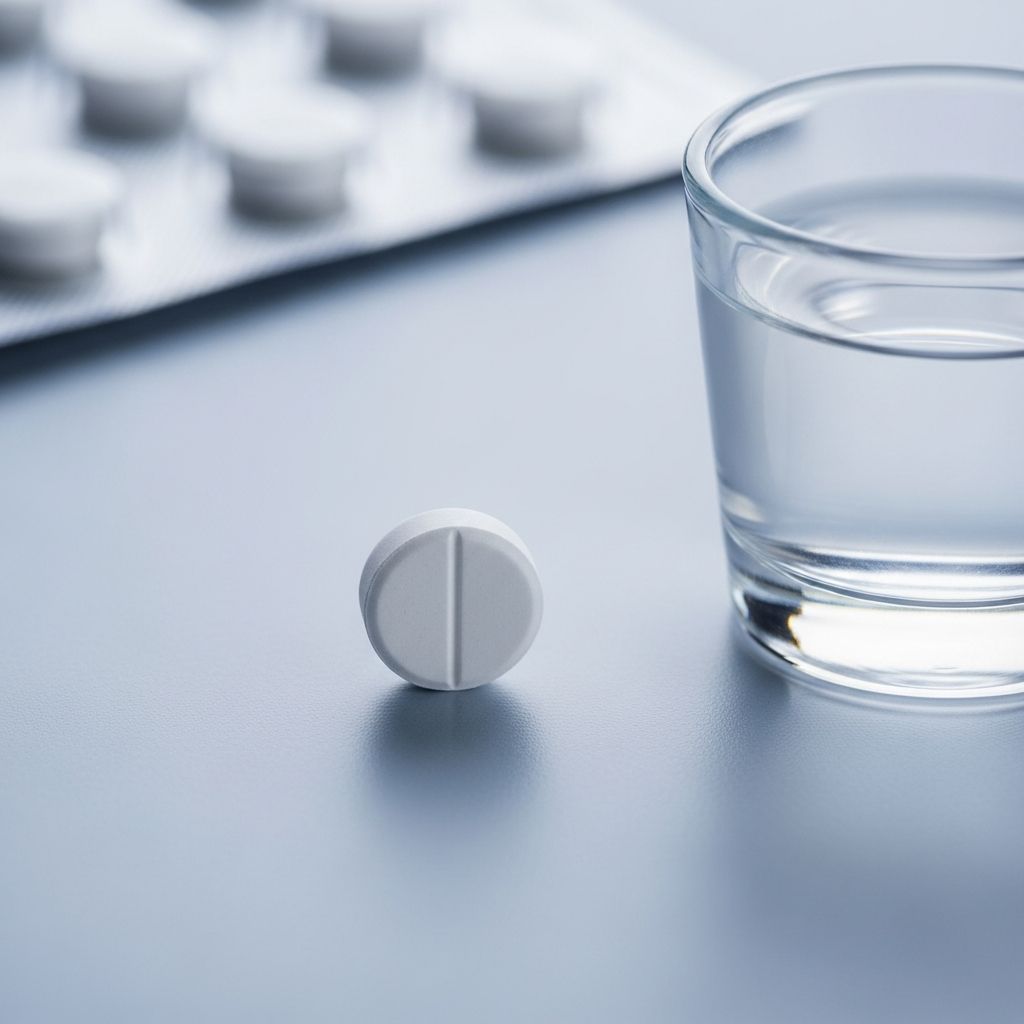
Spironolactone is a prescription medication classified as a potassium-sparing diuretic, commonly known as a water pill. Unlike conventional diuretics that can deplete potassium levels in the body, spironolactone works through a unique mechanism that helps eliminate excess salt and water while preserving essential potassium. This medication has been used clinically since its approval in 1960 and remains a cornerstone treatment for multiple cardiovascular and endocrine conditions.
The drug is available exclusively by prescription and comes in tablet form, making it convenient for daily oral administration. Healthcare providers prescribe spironolactone when patients require fluid management combined with potassium preservation, making it particularly valuable for individuals taking other medications that might deplete potassium levels.
How Spironolactone Works
Spironolactone operates through a sophisticated mechanism of action involving aldosterone, a hormone produced by the adrenal glands. This hormone naturally regulates sodium and water retention while promoting potassium excretion. By binding to and blocking aldosterone receptors, spironolactone prevents the hormone from exerting its normal effects on the kidneys.
When aldosterone activity is inhibited, the kidneys respond by increasing sodium and water excretion while simultaneously retaining potassium. This dual action reduces blood volume and lowers blood pressure without the electrolyte imbalances associated with traditional diuretics. Additionally, spironolactone blocks androgen receptors, reducing the synthesis of male hormones such as testosterone, which contributes to its effectiveness in treating hormone-related conditions.
Primary Uses of Spironolactone Tablets
High Blood Pressure Management
One of the primary indications for spironolactone is treating hypertension, either as monotherapy or in combination with other antihypertensive agents. Lowering blood pressure significantly reduces the risk of serious cardiovascular complications, including strokes and myocardial infarctions. The medication is particularly valuable for patients with resistant hypertension, where blood pressure remains elevated despite treatment with multiple other medications.
Heart Failure Treatment
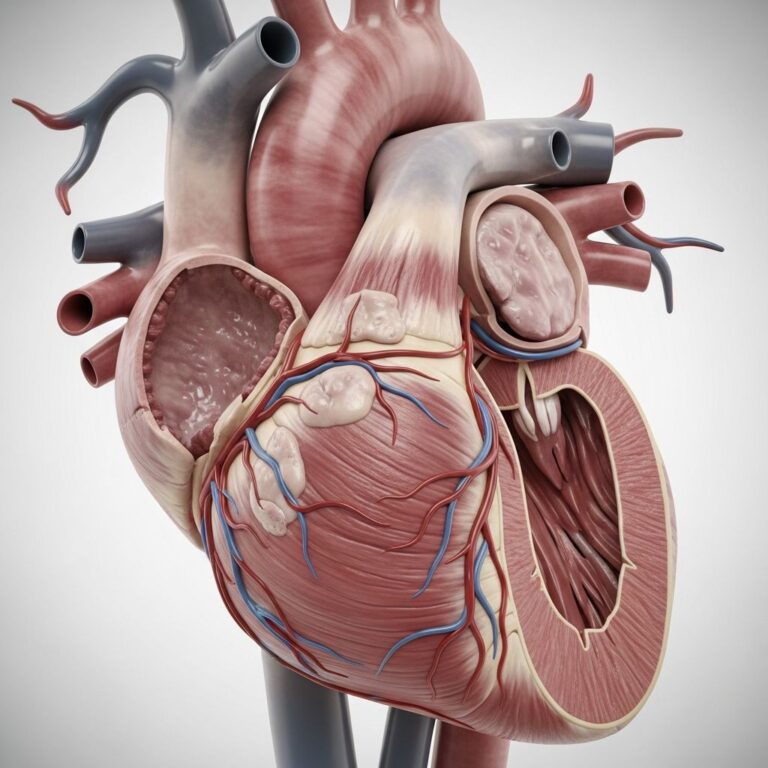
Spironolactone plays a critical role in managing both acute and chronic heart failure. In heart failure patients, the medication reduces fluid accumulation in the lungs and peripheral tissues while decreasing the workload on the failing heart. Clinical evidence demonstrates that spironolactone reduces hospitalizations and improves survival rates in heart failure populations. The medication is often prescribed as part of a comprehensive heart failure management strategy alongside ACE inhibitors, beta-blockers, and other cardioprotective agents.
Fluid Retention and Edema
Patients experiencing fluid accumulation due to various underlying conditions benefit significantly from spironolactone therapy. Conditions causing edema that respond well to this medication include congestive heart failure, liver cirrhosis, and nephrotic syndrome, a kidney disorder characterized by excessive protein loss in urine. The potassium-sparing properties make spironolactone especially suitable for cirrhotic patients who often have compromised electrolyte balance.
Hyperaldosteronism Management
Spironolactone is specifically indicated for diagnosing and treating hyperaldosteronism, a condition in which the adrenal glands produce excessive amounts of aldosterone. Primary hyperaldosteronism, also known as Conn syndrome, causes severe hypertension and hypokalemia that respond particularly well to aldosterone antagonism. The medication can be used both diagnostically and therapeutically in these patients, with dosages adjusted based on clinical response and laboratory findings.
Additional Therapeutic Applications
Beyond its cardiovascular applications, spironolactone is prescribed for hormone-related skin conditions and gender-affirming care. Its anti-androgenic properties make it effective for treating hormonal acne and hirsutism, conditions driven by excess androgen activity. In transgender women and some non-binary individuals, spironolactone is incorporated into feminizing hormone therapy protocols to help achieve desired physical changes.
Related Stories



Dosage Information
High Blood Pressure
For hypertension management, the typical starting dose ranges from 25 to 100 milligrams daily, administered as a single dose or divided into multiple doses. The prescribing physician adjusts dosages based on individual patient response, tolerability, and laboratory values. Initial conservative dosing allows clinicians to assess medication tolerance before optimizing therapeutic levels.
Heart Failure
In heart failure patients, initial dosing begins conservatively at 25 milligrams once daily in tablet form. Physicians gradually titrate the dose upward as tolerated, with adjustments made based on clinical response, potassium levels, and kidney function. Dosage modifications may be necessary in patients with renal impairment or those experiencing electrolyte disturbances.
Fluid Retention Management
For edema related to various conditions, initial dosing typically starts at 100 milligrams daily in tablet form, administered as a single dose or divided doses. Maintenance doses generally range from 25 to 200 milligrams daily, with individual variation based on clinical response and tolerance. Physicians frequently reassess dosage requirements as the patient’s condition evolves.
Hyperaldosteronism Preparation
When spironolactone is used to prepare patients with primary hyperaldosteronism for surgical intervention, doses typically range from 100 to 400 milligrams daily, with specific dosing determined by the treating physician based on individual clinical circumstances.
Specialized Applications
For gender-affirming hormone therapy, typical doses range from 100 to 300 milligrams daily, often divided into two doses for optimal absorption and efficacy. For acne treatment, lower doses between 50 to 100 milligrams daily are commonly employed. Regardless of indication, patients should take spironolactone with food to enhance absorption and minimize gastrointestinal side effects.
Important Considerations and Precautions
Potassium Level Monitoring
Because spironolactone retains potassium, regular blood tests are essential to monitor serum potassium levels throughout treatment. Hyperkalemia, or excessive potassium levels, can cause serious cardiac arrhythmias and requires immediate medical intervention. Patients should never increase dosages without physician guidance and must report symptoms such as irregular heartbeat, weakness, or muscle cramps.
Renal Function Assessment
Regular monitoring of kidney function through serum creatinine and estimated glomerular filtration rate is crucial, as spironolactone effectiveness and safety depend on adequate renal function. Patients with severe kidney disease may require dose adjustments or alternative treatments.
Drug Interactions
Spironolactone interacts with numerous medications and supplements, particularly other potassium-raising agents, NSAIDs, and ACE inhibitors. Patients must inform healthcare providers of all medications, supplements, and herbal products they are taking to prevent dangerous interactions.
Pregnancy and Breastfeeding
Spironolactone crosses the placental barrier and is excreted in breast milk. Pregnant women or those breastfeeding should not take this medication without explicit physician guidance, as potential fetal effects remain a concern.
Common Side Effects and Adverse Reactions
Like all medications, spironolactone can produce unwanted side effects. Common adverse effects include dizziness, headache, gastrointestinal disturbances such as nausea and diarrhea, and menstrual irregularities in women. More serious adverse effects include hyperkalemia, gynecomastia (breast tissue enlargement in men), sexual dysfunction, and agranulocytosis (severe reduction in white blood cells). Patients experiencing persistent or severe side effects should contact their healthcare provider immediately.
Patient Education and Long-term Management
Patients taking spironolactone for hypertension or heart failure should understand that the medication manages these conditions but does not cure them. Continuous medication adherence is necessary to maintain blood pressure control and prevent serious cardiovascular complications. Patients must also maintain regular healthcare appointments for laboratory monitoring and dose adjustments as needed.
Dietary modifications become particularly important with spironolactone therapy. Patients should limit high-potassium foods and avoid potassium supplements unless specifically directed by their physician. Additionally, adequate hydration and consistent medication timing enhance therapeutic effectiveness.
Advantages Over Other Diuretics
Spironolactone’s potassium-sparing properties distinguish it from loop and thiazide diuretics, which commonly cause hypokalemia. This makes spironolactone particularly valuable for patients requiring multiple antihypertensive or heart failure medications that might otherwise dangerously deplete potassium. The dual mechanism of aldosterone antagonism combined with anti-androgenic effects also provides therapeutic benefits beyond simple fluid removal, making it uniquely suited for certain patient populations.
Frequently Asked Questions
Q: How quickly does spironolactone begin working?
A: Spironolactone typically requires 2-3 weeks of consistent use to achieve maximum therapeutic effects on blood pressure and fluid retention, though some patients may notice improvement within days of starting treatment.
Q: Can spironolactone cause weight gain or weight loss?
A: As a diuretic, spironolactone may cause initial weight loss due to fluid elimination. However, weight changes vary by individual and clinical context. Patients should discuss weight changes with their healthcare provider.
Q: What foods should I avoid while taking spironolactone?
A: Patients should limit high-potassium foods including bananas, oranges, tomatoes, spinach, and nuts. Discuss specific dietary restrictions with your physician or nutritionist.
Q: Is it safe to stop spironolactone suddenly?
A: No, patients should not discontinue spironolactone without physician guidance. Sudden discontinuation can cause blood pressure elevation and heart failure decompensation. Gradual tapering under medical supervision is recommended.
Q: Can I take spironolactone with other blood pressure medications?
A: Yes, spironolactone is frequently combined with other antihypertensive agents as part of comprehensive treatment strategies. However, physician oversight is essential to prevent excessive blood pressure reduction or dangerous electrolyte imbalances.
Q: How often should I have blood tests while taking spironolactone?
A: Initial blood tests should occur 1-2 weeks after starting or adjusting spironolactone, then periodically as determined by your physician, typically every 3-6 months for stable patients on maintenance therapy.
References
- Spironolactone (Oral Route) — Description, Side Effects & Dosage — Mayo Clinic. 2024. https://www.mayoclinic.org/drugs-supplements/spironolactone-oral-route/description/drg-20071534
- Spironolactone: Description, Mechanism of Action, Uses — Britannica. 2024. https://www.britannica.com/science/spironolactone
- Spironolactone (Aldactone): Uses, Side Effects, Interactions & More — GoodRx. 2024. https://www.goodrx.com/spironolactone/what-is
- Spironolactone in Gender-Affirming Hormone Therapy: Administration and Dosage — GenderGP. 2024. https://www.gendergp.com/medical-guide/spironolactone/
- How Do Aldosterone Antagonists Work? — Cleveland Clinic. 2024. https://my.clevelandclinic.org/health/treatments/22917-aldosterone-antagonists
Similar Articles








Read full bio of medha deb