Spleen: Function, Location & Size, Possible Problems
Complete guide to spleen anatomy, function, and health conditions affecting this vital organ.
Understanding Your Spleen: A Vital Organ of the Immune System
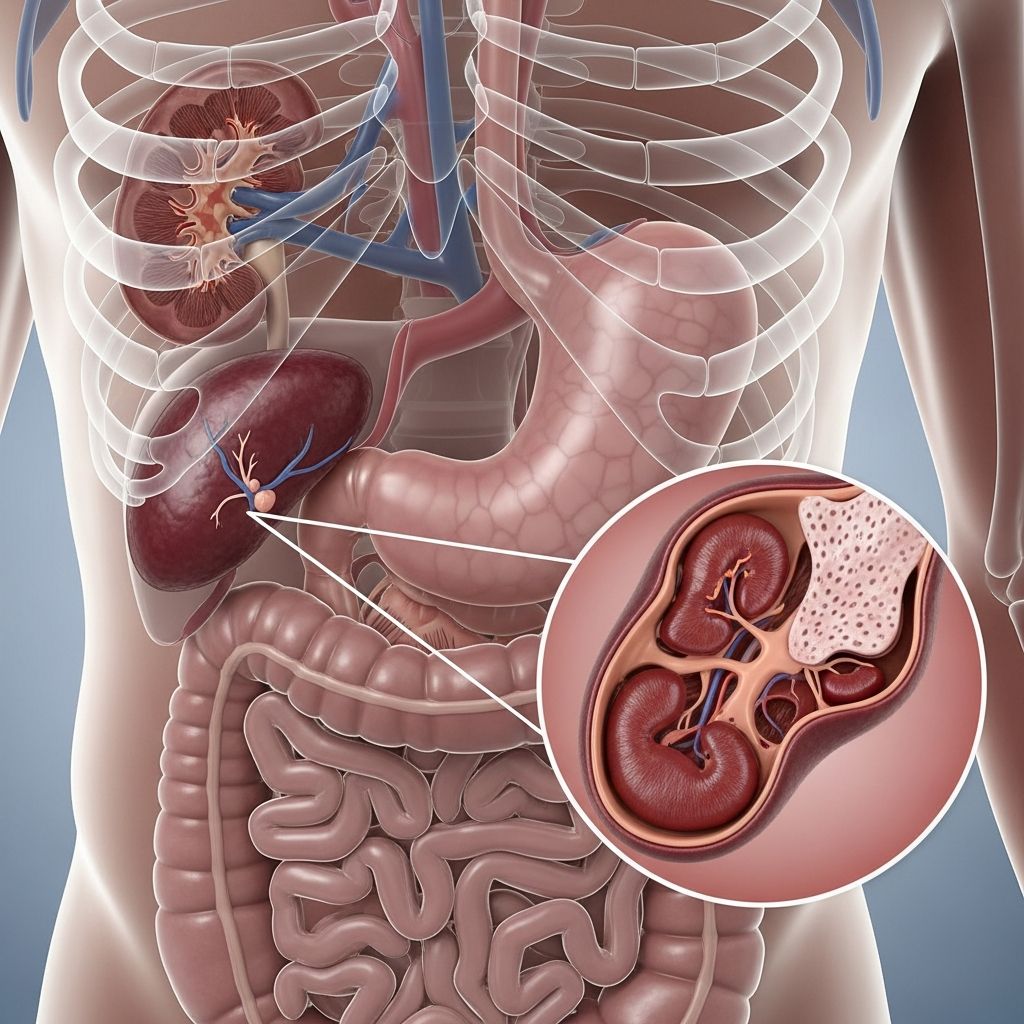
Your spleen is a small but highly important organ that plays a critical role in maintaining your overall health and well-being. Located in your upper left abdomen, this fist-sized organ works tirelessly to store and filter blood, while simultaneously helping your immune system fight off infections and diseases. Despite its relatively small size, the spleen performs several essential functions that are vital to your survival. Understanding what your spleen does, where it is located, and what problems can affect it is crucial for recognizing potential health issues and maintaining optimal wellness.
What Is the Spleen?
The spleen is an organ of the lymphatic system and represents the primary filtering element for your blood. Unlike many other organs in your body, the spleen is soft and tender, enclosed in a thin muscular capsule through which blood vessels pass. At any given time, your spleen stores approximately 25 percent of your red blood cells and platelets, making it an essential reservoir for blood components. The spleen also manufactures white blood cells that serve as defenders against infection and disease, providing your body with crucial immune protection.
Location and Size of the Spleen
Your spleen is located in the left upper quadrant of your abdomen, positioned under the ribcage and above the stomach. More specifically, it sits behind the ninth and eleventh ribs on the left side of your body, posterior and lateral to the stomach. This protected position under the rib cage helps shield this delicate organ from injury. In terms of size, the normal adult spleen is approximately the size of a closed fist, weighing around 100 grams. The spleen is soft in texture and generally appears reddish-purple in color due to its rich blood supply.
Anatomy: The Structure of the Spleen
The spleen has a sophisticated internal structure that enables it to perform its multiple functions effectively. The organ is divided into two distinct types of tissue, each with specific responsibilities:
Red Pulp
The red pulp makes up the majority of the spleen’s mass and is responsible for the organ’s characteristic reddish appearance. This tissue consists of a network of splenic cords (also called Cords of Billroth) and wide blood vessels called sinusoids that are filled with blood. The red pulp is where most of the blood filtration occurs. Within the red pulp, macrophages—large white blood cells—work to remove old, damaged, or abnormal red blood cells from circulation. These macrophages also serve as important reservoirs of immune cells, including monocytes, which can be mobilized during times of injury or stress to aid in healing and immune response.
White Pulp
The white pulp is lymphoid tissue that typically surrounds the splenic blood vessels. This tissue contains white blood cells, including lymphocytes and plasma cells, as well as specialized structures called follicles. The white pulp is organized into distinct zones: the germinal center, which contains B-cells responsible for antibody production; the marginal zone, which contains T-cells; and the periarteriolar lymphoid sheath (PALS), which also contains T-cells. These areas serve as sites where lymphocytes are produced and where the adaptive immune response is initiated in response to antigens and foreign substances detected in the blood.
Primary Functions of the Spleen
Related Stories



Your spleen performs multiple critical functions that are essential to your health and survival. These functions work together to maintain blood quality, store vital blood components, and protect your body from infection.
Blood Filtration
One of the spleen’s most important functions is filtering your blood. As blood flows through the spleen, healthy red blood cells easily pass through the narrow passages within the organ. However, old, damaged, or deformed red blood cells become trapped by the splenic cords and are broken down by macrophages. This process removes approximately 25 to 30 percent of your aging red blood cells daily. The spleen also recycles useful components from these old cells, particularly iron, so they can be reused in the creation of new blood cells. This recycling process is economical and efficient, reducing the need for new iron from external sources.
Blood Storage and Release
Your spleen functions as an important blood reservoir, capable of storing up to one cup of reserve blood at any given time. The blood vessels in the spleen can expand to accommodate additional blood or contract to release stored blood into circulation. This is particularly important during emergencies such as significant bleeding or hemorrhage. In response to sympathetic stimulation, the spleen can contract its fibroelastic capsule and trabeculae to increase systemic blood supply, effectively releasing stored blood components back into the bloodstream when your body needs them most. About 25 to 30 percent of your platelets are normally stored in the spleen as well.
Immune Function and Infection Prevention
Your spleen plays a vital role in protecting you from infection. When potentially dangerous bacteria, viruses, or other microorganisms enter your bloodstream, the spleen detects these invaders and works with the lymph nodes to create white blood cells called lymphocytes. These lymphocytes act as defenders against harmful pathogens. The lymphocytes produce antibodies, which are specialized proteins that kill foreign microorganisms and prevent infections from spreading throughout your body. The spleen houses macrophages in both its red and white pulp that can remove foreign material from the blood and initiate immune reactions that result in antibody production.
Iron Metabolism
The spleen plays an important role in managing iron metabolism in your body. When old red blood cells are broken down in the red pulp, valuable iron contained within those cells is extracted and saved for reuse. This iron is then transported to the bone marrow, where it is incorporated into newly formed red blood cells. This recycling of iron is an important mechanism that helps maintain adequate iron levels in your body and reduces the need for dietary iron supplementation.
Common Spleen Problems and Disorders
Several conditions, injuries, and diseases can cause problems with the spleen. Understanding these potential issues can help you recognize symptoms and seek appropriate medical care:
Enlarged Spleen (Splenomegaly)
One of the most common spleen problems is enlargement, a condition called splenomegaly. An enlarged spleen can become two to three times its normal size or larger. When the spleen becomes too large, it can cause pain and an uncomfortable feeling of fullness, even if you haven’t eaten much. Several conditions can trigger splenomegaly, including infections such as mononucleosis or tuberculosis, blood disorders, liver disease, and certain cancers. Splenomegaly is a serious concern because an enlarged spleen is more vulnerable to rupture or bleeding, which can be life-threatening.
Portal Hypertension
Portal hypertension occurs when there is increased pressure in the portal venous system, which drains blood from the stomach, intestine, spleen, and pancreas. As portal hypertension worsens, venous congestion of the splenic vein can cause the spleen to enlarge. The spleen undergoes hyperplasia and fibrosis, which further increases blood supply to the organ and worsens the condition. In some cases, a splenorenal shunt procedure may be performed to help reduce the burden of portal hypertension.
Ruptured or Bleeding Spleen
A ruptured spleen is a serious medical emergency that typically results from trauma or injury to the abdomen. Because the spleen is tender and has a rich blood supply, even moderate trauma can cause rupture or bleeding. Symptoms of a ruptured spleen include severe abdominal pain, particularly on the left side, shoulder pain, and signs of shock such as dizziness and rapid heartbeat. A ruptured spleen requires immediate medical attention and may necessitate emergency surgery.
Splenic Infarction
Splenic infarction occurs when blood supply to part of the spleen is blocked, typically by a blood clot. This can result in severe pain and tissue death in the affected area. Risk factors include blood clotting disorders, atrial fibrillation, and recent abdominal surgery.
Infections Affecting the Spleen
The spleen can become infected by various pathogens, including bacteria, viruses, and parasites. Common infections that can affect the spleen include infectious mononucleosis, tuberculosis, malaria, and bacterial sepsis. These infections can cause the spleen to enlarge and become painful.
Blood Disorders
Various blood disorders can affect spleen function, including sickle cell disease, hereditary spherocytosis, and immune thrombocytopenia (ITP). These conditions often result in splenomegaly and may require specialized treatment.
Symptoms of Spleen Problems
Recognizing the symptoms of spleen problems is important for early detection and treatment. Common symptoms include pain or tenderness in the upper left abdomen, a feeling of fullness even after eating small amounts, fatigue and weakness, frequent infections due to compromised immune function, and easy bruising or bleeding. If you experience any of these symptoms, particularly severe or persistent abdominal pain, you should consult with a healthcare provider for evaluation.
When to Seek Medical Attention
You should seek immediate medical attention if you experience severe abdominal pain, especially on the left side, persistent pain that worsens over time, signs of internal bleeding such as dizziness or rapid heartbeat, or trauma to the abdomen. Additionally, if you notice persistent swelling in your upper left abdomen or experience unexplained fatigue and frequent infections, you should schedule an appointment with your healthcare provider for evaluation.
Frequently Asked Questions About the Spleen
Q: What happens if you don’t have a spleen?
A: While people can survive without a spleen, the absence of this organ increases your risk of serious infections. Without a spleen, your body loses an important source of immune cells and has reduced ability to filter bacteria and fight off certain infections. People without a spleen may need to take preventive antibiotics and receive special vaccines to reduce infection risk.
Q: Can the spleen repair itself?
A: Minor splenic injuries may heal on their own with rest and conservative treatment. However, more severe ruptures or lacerations typically require medical intervention, and in some cases, surgical removal may be necessary.
Q: How is an enlarged spleen diagnosed?
A: An enlarged spleen can be detected through physical examination, ultrasound, CT scanning, or MRI imaging. Your doctor may order blood tests to identify the underlying cause of splenomegaly.
Q: Can lifestyle changes help prevent spleen problems?
A: Yes, maintaining a healthy lifestyle, avoiding trauma and injury, managing underlying health conditions like liver disease, and staying up-to-date with vaccinations can help protect your spleen.
Q: Is spleen removal dangerous?
A: While people can survive without a spleen, splenectomy (surgical removal) increases susceptibility to certain infections. Your doctor will weigh the benefits and risks before recommending removal.
References
- Spleen | Description, Anatomy, & Function — Britannica. Accessed 2025. https://www.britannica.com/science/spleen-anatomy
- Physiology, Spleen — StatPearls, National Center for Biotechnology Information (NCBI). 2024. https://www.ncbi.nlm.nih.gov/books/NBK537307/
- Spleen: Function, Location & Problems — Live Science. Accessed 2025. https://www.livescience.com/44725-spleen.html
- Ruptured Spleen: Symptoms, Causes & Treatment — Cleveland Clinic. Accessed 2025. https://my.clevelandclinic.org/health/diseases/17953-ruptured-spleen
- Spleen: Development, Anatomy and Reactive Lymphoid Proliferations — PubMed, National Center for Biotechnology Information (NCBI). 2020. https://pubmed.ncbi.nlm.nih.gov/32591155/
- The U.S. National Library of Medicine — NIH. Accessed 2025. https://www.nlm.nih.gov/
Similar Articles








Read full bio of medha deb