Splenomegaly: Complete Guide To Causes, Symptoms, And Treatment
Understand the causes, symptoms, diagnosis, and treatment options for an enlarged spleen, a condition that requires prompt medical attention.
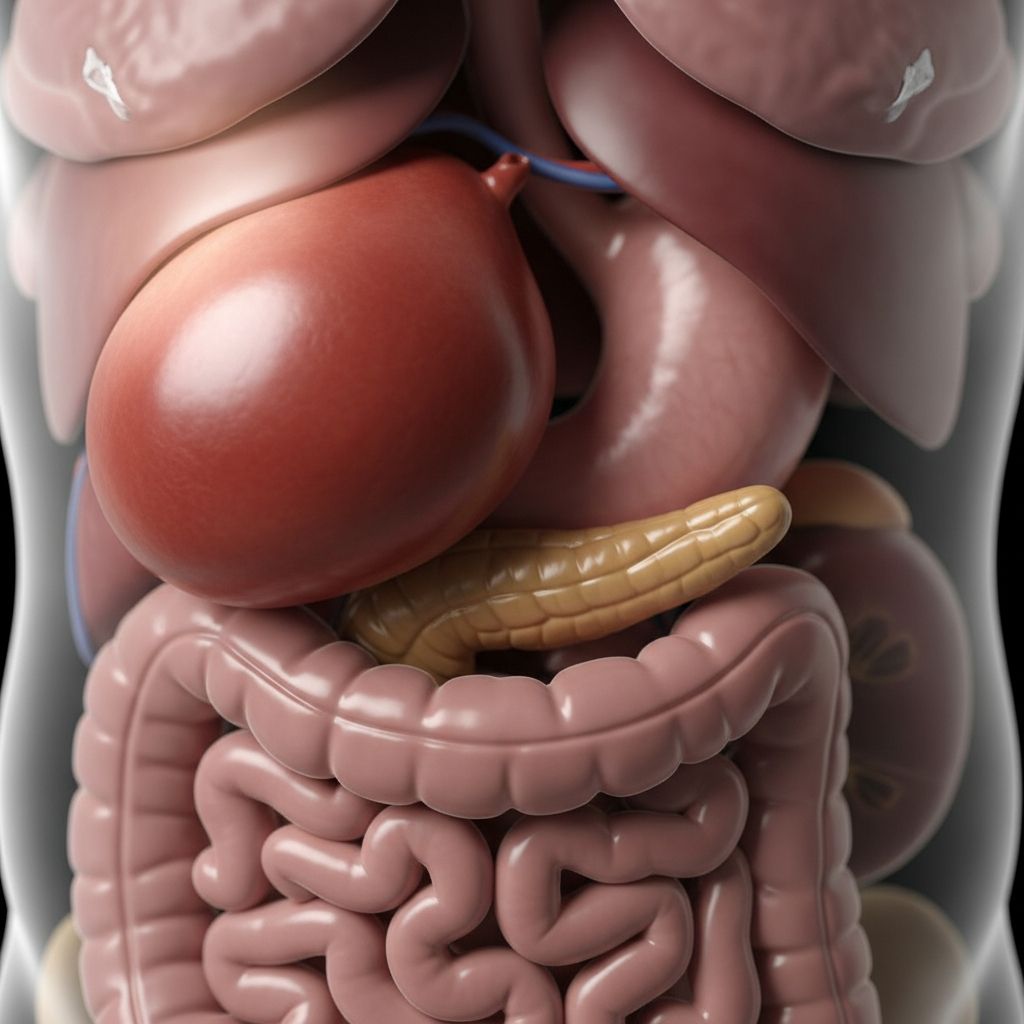
Splenomegaly, commonly known as an enlarged spleen, is a medical condition where the spleen increases in size beyond its normal dimensions, often signaling an underlying health issue. The spleen, located in the upper left abdomen, plays crucial roles in filtering blood, storing immune cells, and aiding in red blood cell recycling. When enlarged, it can measure over 12-20 cm in length or weigh more than 1,000 grams in massive cases, leading to potential complications like hypersplenism or rupture.
What Is Splenomegaly?
The spleen normally measures up to 12 cm in craniocaudal length, with variations based on age, sex, height, and weight—typically larger in men and taller individuals. Splenomegaly is diagnosed when it exceeds 12-20 cm, with massive splenomegaly defined as greater than 20 cm or over 1,000 g. This enlargement results from various pathophysiologic mechanisms, including congestive (e.g., portal hypertension), infiltrative (e.g., myeloid neoplasms), immune (e.g., rheumatoid arthritis), and neoplastic processes (e.g., lymphoma). The condition is rare but more common in older adults due to thinning of the splenic capsule.
Spleen Functions
The spleen serves multiple vital functions in the body:
- Filtration: Removes old or damaged red blood cells, platelets, and pathogens from circulation.
- Immune Response: Houses lymphocytes and macrophages to detect and combat infections, producing antibodies.
- Hematopoiesis: In fetal life and certain disorders, it produces blood cells.
- Blood Storage: Reserves platelets and white blood cells for emergencies.
Dysfunction from enlargement impairs these roles, potentially causing anemia, infections, or bleeding.
Splenomegaly Symptoms
Many cases of splenomegaly are asymptomatic, discovered incidentally during imaging or exams. When symptoms occur, they stem from the spleen’s size or hypersplenism and include:
- Left upper quadrant pain or fullness, sometimes radiating to the left shoulder.
- Early satiety due to stomach compression.
- Fatigue, anemia symptoms (pallor, weakness), easy bruising, or frequent infections from cytopenias.
- Severe, sudden pain indicating infarction or rupture.
In children with sickle cell disease, splenic sequestration can cause rapid hemoglobin drop and shock.
Splenomegaly Causes
Splenomegaly arises from diverse etiologies, classified by mechanism:
Infectious Causes
Acute infections like mononucleosis, hepatitis, or endocarditis; chronic ones such as malaria, leishmaniasis, TB, or syphilis. In tropics, parasites dominate.
Hematologic Malignancies
Leukemias (CLL, CML, hairy cell), lymphomas (especially splenic marginal zone), myeloproliferative disorders.
Liver Diseases
Cirrhosis, portal hypertension, hepatic vein thrombosis causing congestion.
Autoimmune and Inflammatory
Rheumatoid arthritis (Felty syndrome), lupus, sarcoidosis, amyloidosis.
Congestive and Vascular
Heart failure, portal vein thrombosis, splenic vein issues.
Other
Sickle cell sequestration, storage diseases, cysts, trauma hematomas.
| Category | Examples |
|---|---|
| Infectious | Viral hepatitis, malaria, EBV |
| Hematologic | Leukemia, lymphoma |
| Congestive | Portal hypertension, CHF |
| Infiltrative | Amyloidosis, Gaucher’s |
Splenomegaly Diagnosis
Diagnosis begins with history (infections, travel, trauma) and physical exam, palpating below left costal margin. Confirmation uses:
- Imaging: Ultrasound (first-line), CT/MRI for size and etiology.
- Labs: CBC (cytopenias), smear, liver tests, LDH; flow cytometry for lymphoma.
- Biopsy: Rare, for unclear cases.
Massive splenomegaly suggests hairy cell leukemia or tropical infections.
Related Stories



Splenomegaly Treatment
Treatment targets the underlying cause; asymptomatic splenomegaly may need none.
- Supportive: Avoid trauma/contact sports; monitor.
- Specific: Antibiotics/antivirals for infections; chemotherapy for malignancies; TIPS for portal hypertension.
- Splenectomy: For hypersplenism, massive size, or rupture risk; post-op vaccination against encapsulated bacteria.
In mononucleosis, rest and avoid sports for 31+ days. Prognosis depends on etiology.
Enlarged Spleen Complications
Key risks include:
- Hypersplenism: Cytopenias from sequestration/destruction.
- Rupture: Spontaneous or traumatic, causing hemorrhage/shock; higher post-trauma or mono.
- Infarction: Painful ischemia from vascular compromise.
- Infection Risk: Post-splenectomy overwhelming sepsis.
When to See a Doctor for Splenomegaly
Seek immediate care for abdominal pain, trauma, fever, jaundice, or bleeding. Routine check if risk factors present.
Frequently Asked Questions
What does it mean if you have an enlarged spleen?
It indicates an underlying issue like infection or cancer; requires evaluation.
Can an enlarged spleen heal itself?
Yes, if cause resolves (e.g., infection), but monitoring is essential.
How serious is splenomegaly?
Varies; mild cases benign, but risks rupture or hypersplenism.
Can splenomegaly be cured?
Treating the cause often resolves it; splenectomy for refractory cases.
What triggers spleen enlargement?
Infections, malignancies, liver disease, autoimmune disorders.
References
- Splenomegaly (enlarged spleen): Causes, symptoms, and treatments — Medical News Today. 2023. https://www.medicalnewstoday.com/articles/enlarged-spleen
- Splenomegaly – Hematology and Oncology — Merck Manuals Professional Edition. 2024-01-13. https://www.merckmanuals.com/professional/hematology-and-oncology/spleen-disorders/splenomegaly
- Splenomegaly – StatPearls — NCBI Bookshelf. 2023. https://www.ncbi.nlm.nih.gov/books/NBK430907/
- Enlarged Spleen (Splenomegaly): Symptoms, Causes, and Treatment — Healthline. 2023-03-16. https://www.healthline.com/health/splenomegaly
- Splenomegaly: Diagnosis and Management in Adults — AAFP. 2021-09-01. https://www.aafp.org/pubs/afp/issues/2021/0900/p271.html
Similar Articles








Read full bio of Sneha Tete